
New Fontaine Flatbed Trailers For Sale in Illinois
Shop new Fontaine flatbed trailers in Illinois, including steel, combo, and aluminum models built for payload, durability, and secure freight hauling.
No exact matches found for your search
Showing New Flatbed Trailers in Illinois instead.
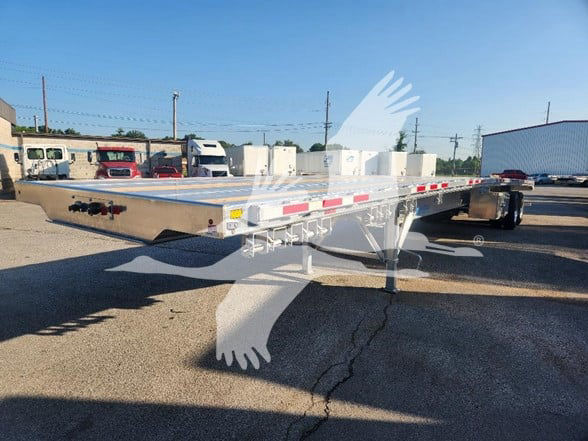
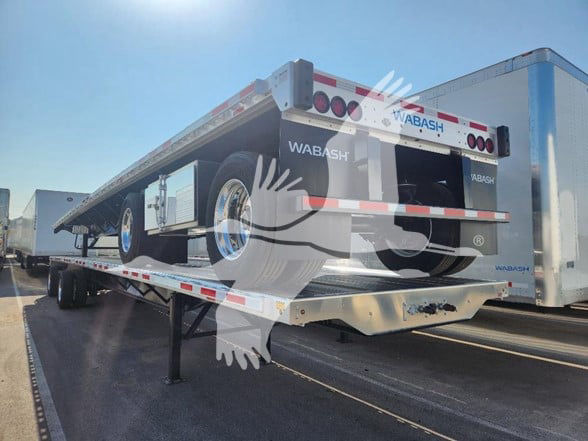
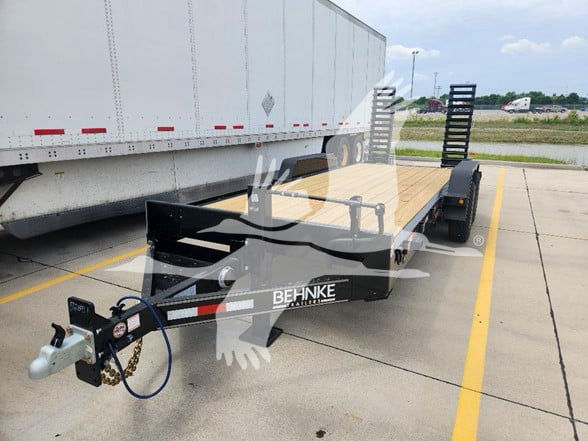
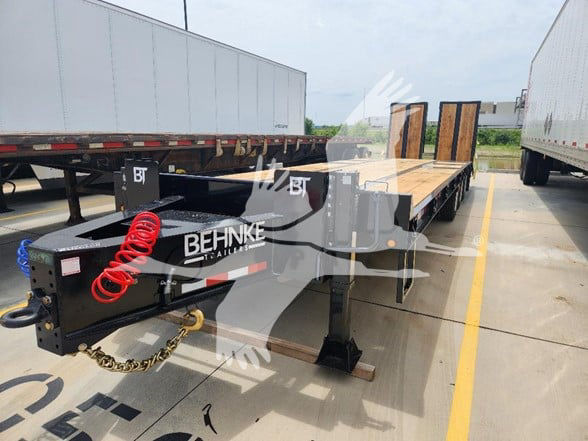
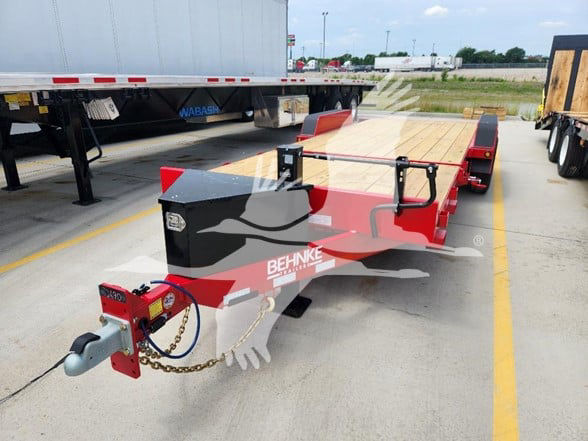
Selling a new fontaine flatbed trailer? List your new fontaine flatbed trailer for sale and reach thousands of commercial buyers.
New Fontaine Flatbed Trailers in Illinois
Common Fontaine flatbed specs in Illinois include 48-foot and 53-foot lengths, 102-inch width, tandem or tridem axle layouts, and either spring ride or air ride suspension. Buyers comparing new units should pay close attention to frame rating, concentrated load rating, kingpin setting, axle spread, and slider configuration. A trailer built for general building materials may be spec'd very differently than one intended for steel coils, machinery, or dense palletized freight. Features such as coil packages, widespread air ride, rear axle dump, aluminum landing gear, and outside aluminum wheels can materially affect both day-to-day use and long-term operating cost.
Fontaine is well known for practical deck configurations and securement hardware that suits mixed freight. Depending on the model, you may see routed aluminum side rails, winch tracks, sliding winches, hook retainers, recessed chain ties, Apitong or other wood nailer strips, and heavy-duty extrusion reinforcement in high-stress load areas. These details matter because a flatbed trailer is only as useful as its load securement layout. If your lanes involve coils, pipe, structural steel, lumber, machinery, or agricultural equipment, it is worth comparing chain tie spacing, winch count, floor construction, and concentrated load capacity rather than focusing on empty weight alone.
Illinois buyers often operate across a mix of local, Midwest regional, and over-the-road lanes, so corrosion resistance, ride quality, and serviceability should all factor into the decision. Aluminum trailers can reduce tare and resist corrosion well in year-round service, while steel models remain attractive for fleets prioritizing ruggedness and lower acquisition cost. For snow, road salt, and variable loading dock conditions, lighting protection, brake configuration, tire spec, and suspension setup all deserve a close look. A well-matched new Fontaine flatbed trailer should fit your freight profile first, then your maintenance budget, axle requirements, and payload targets.
Frequently Asked Questions about New Fontaine Flatbed Trailers in Illinois
What is the difference between a steel, combo, and all-aluminum Fontaine flatbed trailer?
A steel flatbed trailer generally offers the lowest initial purchase cost and strong durability for tough freight and frequent loading cycles, but it usually carries more tare weight. A combo flatbed uses a mix of steel and aluminum, often with steel crossmembers and aluminum components, to balance strength, repairability, and payload. An all-aluminum Fontaine flatbed is typically the lightest of the three and is often chosen when payload is critical, especially in high-volume or longer-haul operations.
What flatbed trailer length is most common, 48 foot or 53 foot?
Both are common, but they serve slightly different operations. A 48-foot flatbed remains a standard choice for general freight, steel, lumber, and regional hauling because it is versatile and widely accepted by shippers. A 53-foot flatbed can offer more deck space and may improve revenue opportunities on lighter or longer freight, but buyers should confirm state bridge, axle spread, and customer loading requirements before choosing the longer deck.
Which specs matter most when buying a new Fontaine flatbed trailer?
The most important specs are usually frame rating, concentrated load rating, suspension type, axle configuration, kingpin setting, trailer weight, and securement hardware. Buyers should also look closely at coil package equipment, winch track style, chain tie placement, floor construction, and landing gear. These specifications determine how well the trailer fits the freight you actually haul, how much payload you can legally carry, and how easy the trailer is to load and secure every day.
Is air ride or spring ride better on a flatbed trailer?
Air ride is often preferred for better ride quality, cargo protection, and adjustability, especially on premium flatbed specs or freight that benefits from smoother handling. Spring ride remains common on value-oriented trailers because it is simpler and can be less expensive to purchase and maintain. The better choice depends on cargo sensitivity, route quality, maintenance practices, and whether the trailer will be used in regional or over-the-road service.
Why do coil packages and concentrated load ratings matter on a flatbed?
A coil package and a strong concentrated load rating are important when hauling dense freight such as steel coils or machinery because that weight is carried over a short section of the deck rather than spread evenly across the trailer. A trailer with the right reinforcement, tie-down points, and load rating can handle those heavy point loads more safely and with less structural stress. Even if you do not haul coils every day, this spec can expand the trailer's usefulness across a wider range of freight.