
New Fontaine Flatbed Trailers For Sale in Alabama
Shop new Fontaine flatbed trailers for sale in Alabama. Compare aluminum and combo flatbeds built for payload, securement, and long-term durability.
No exact matches found for your search
Showing New Fontaine Flatbed Trailers instead.
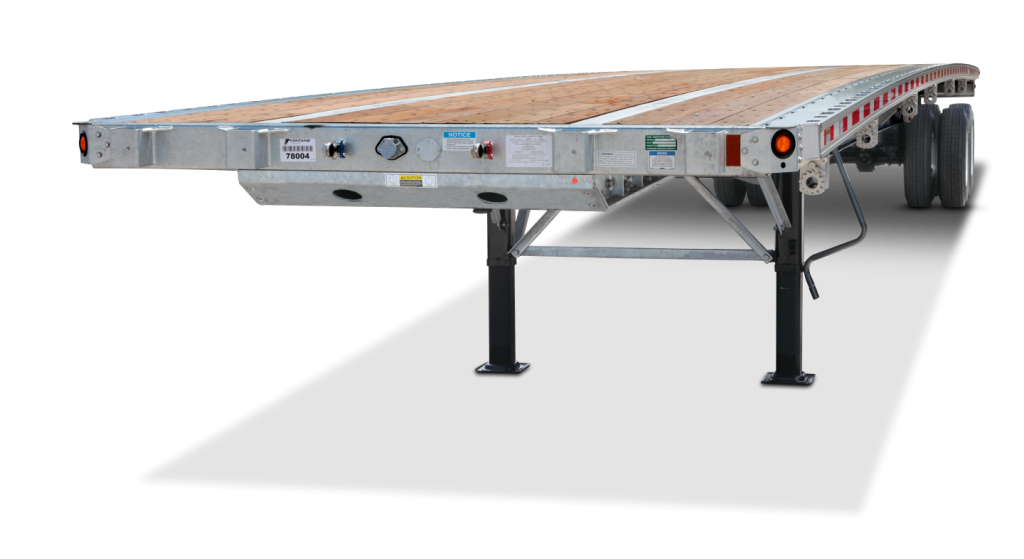
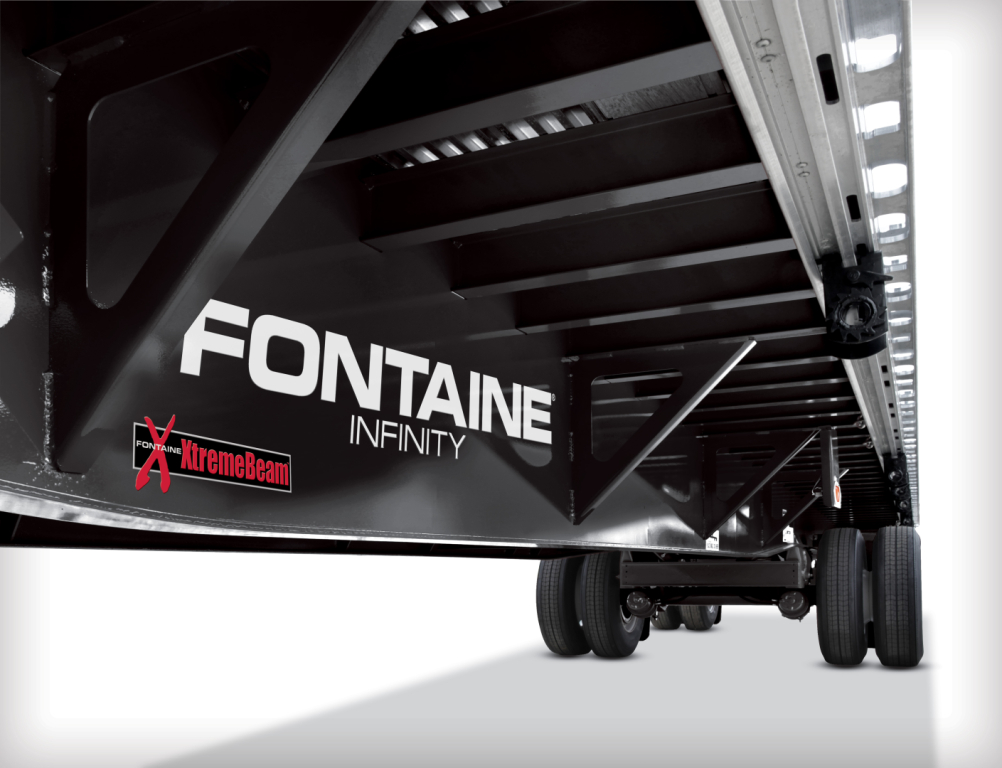
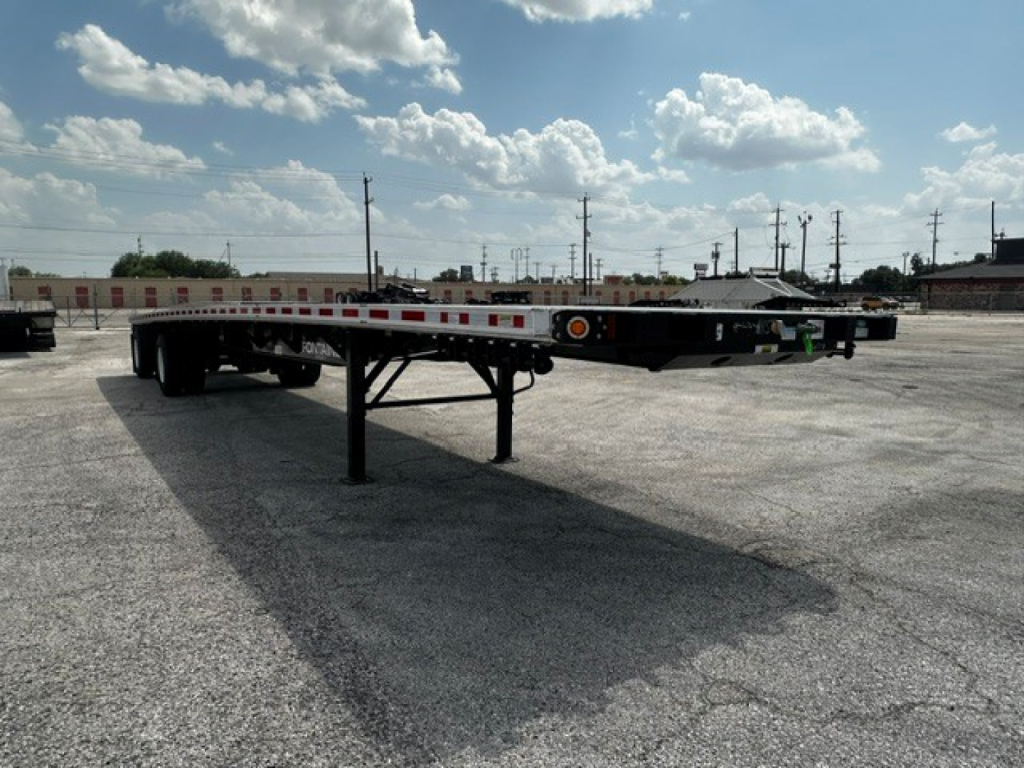
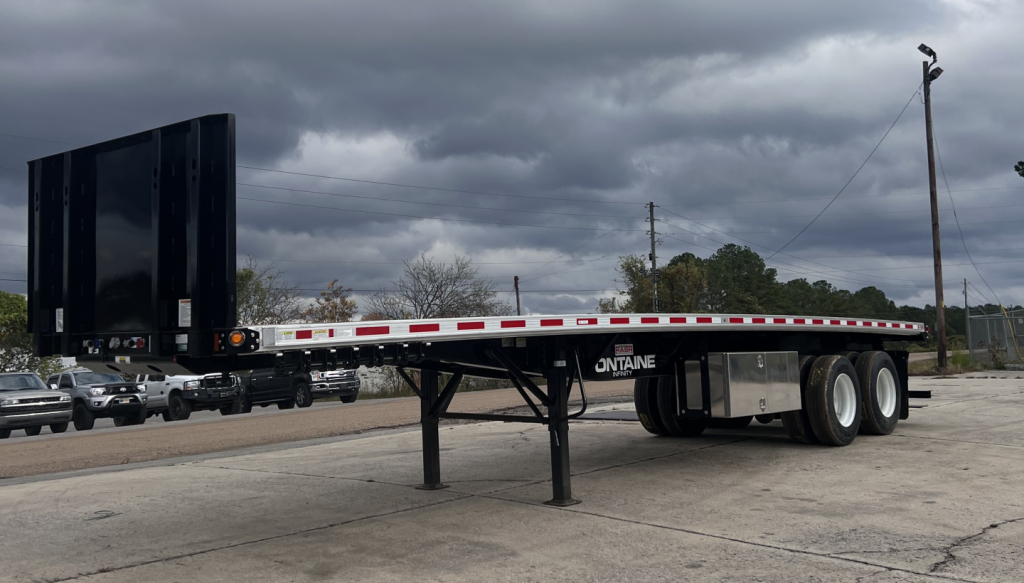
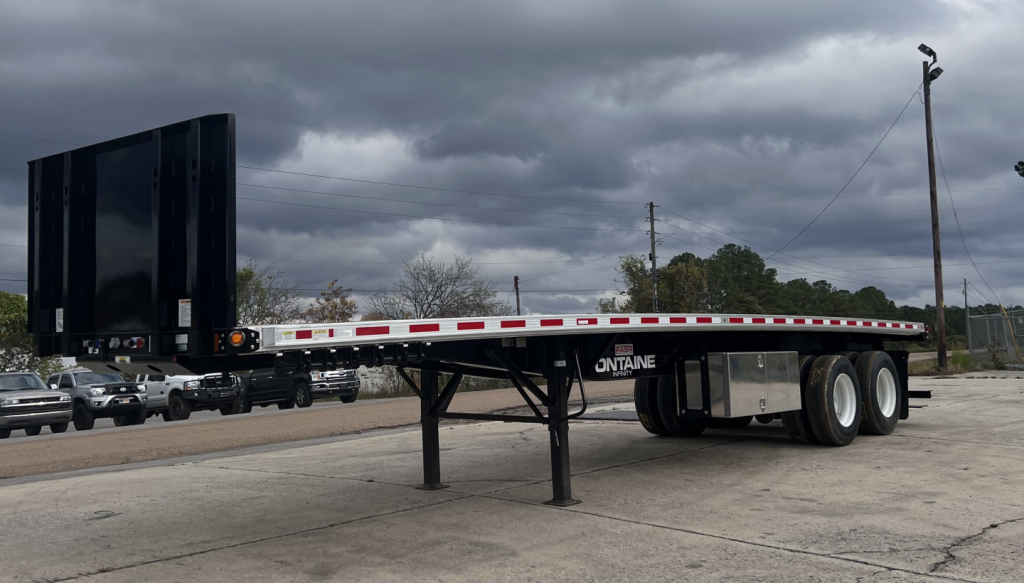
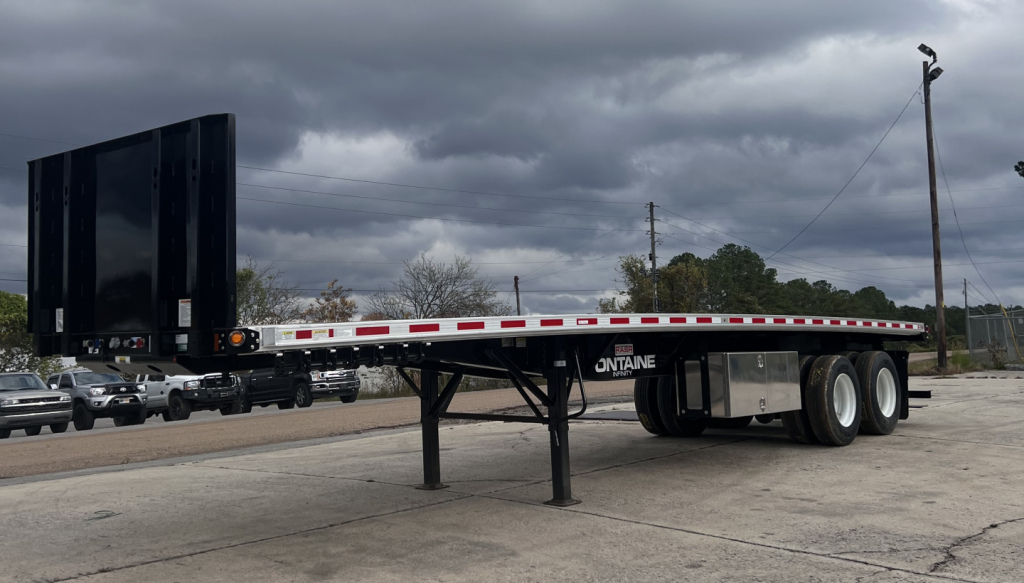
2027 Fontaine 53' Combo Flat - Rear Axle Slide
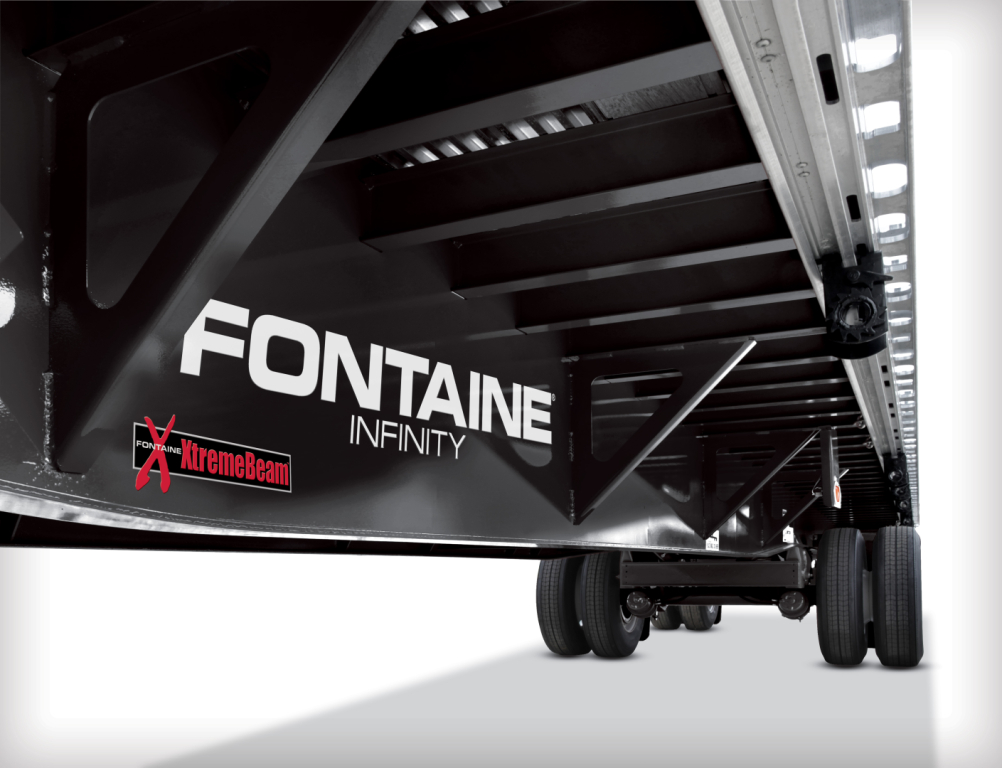
2027 Fontaine 53' Combo Flat - Rear Axle Slide
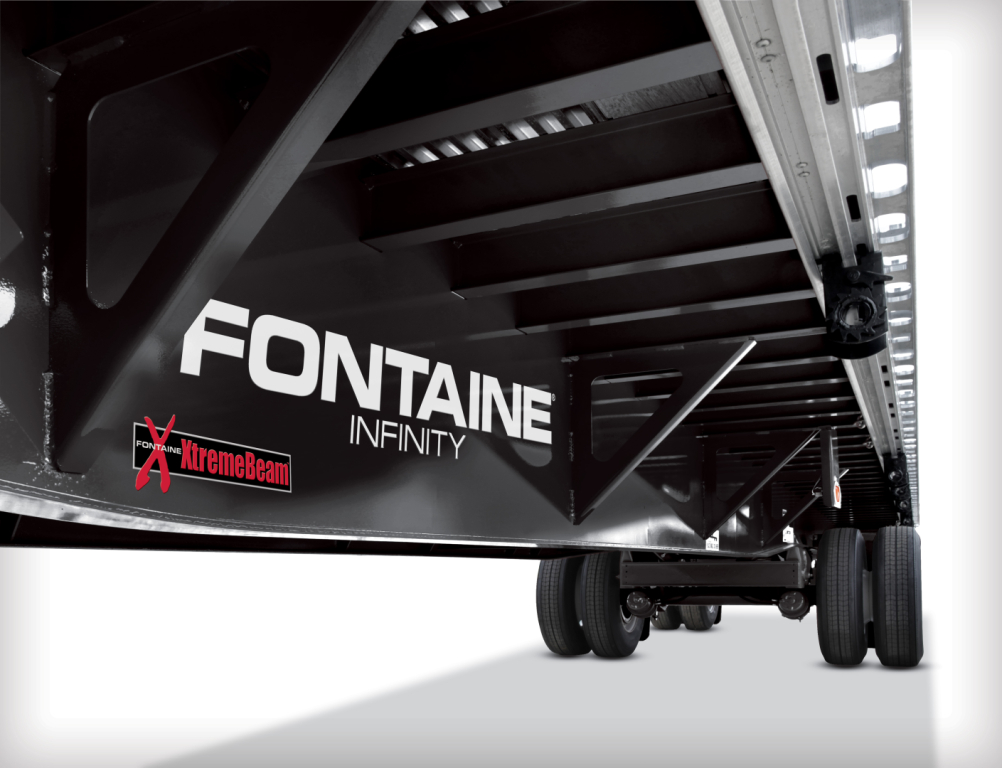
2027 Fontaine 53' Combo Flat - Rear Axle Slide
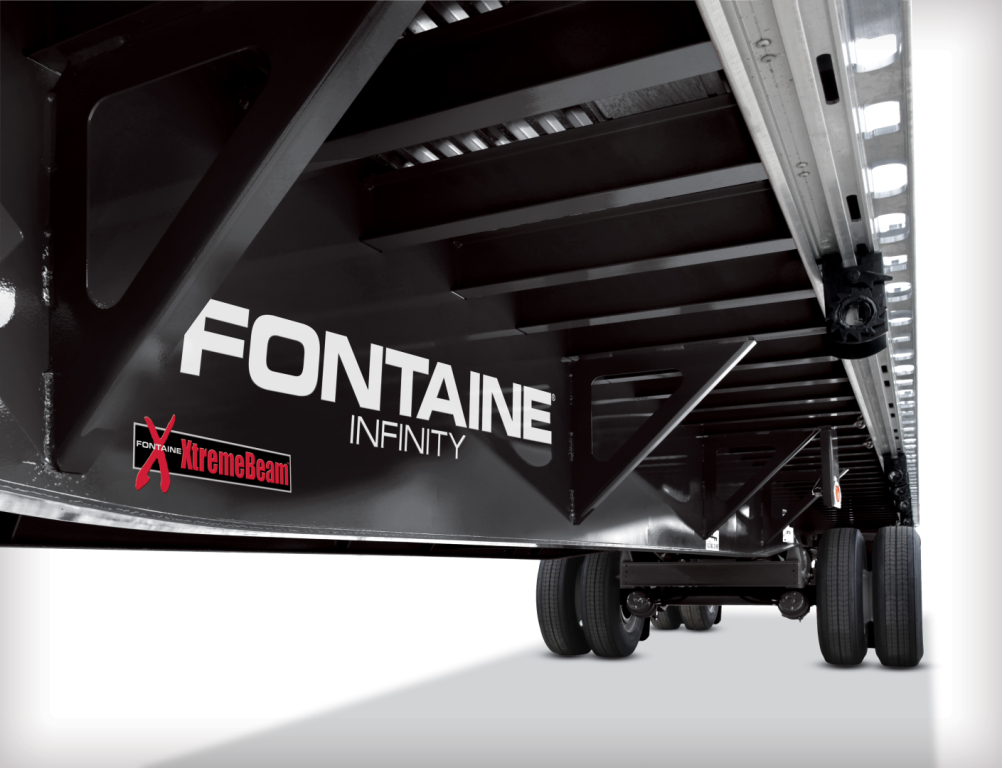
2027 Fontaine 53' Combo Flat - Rear Axle Slide
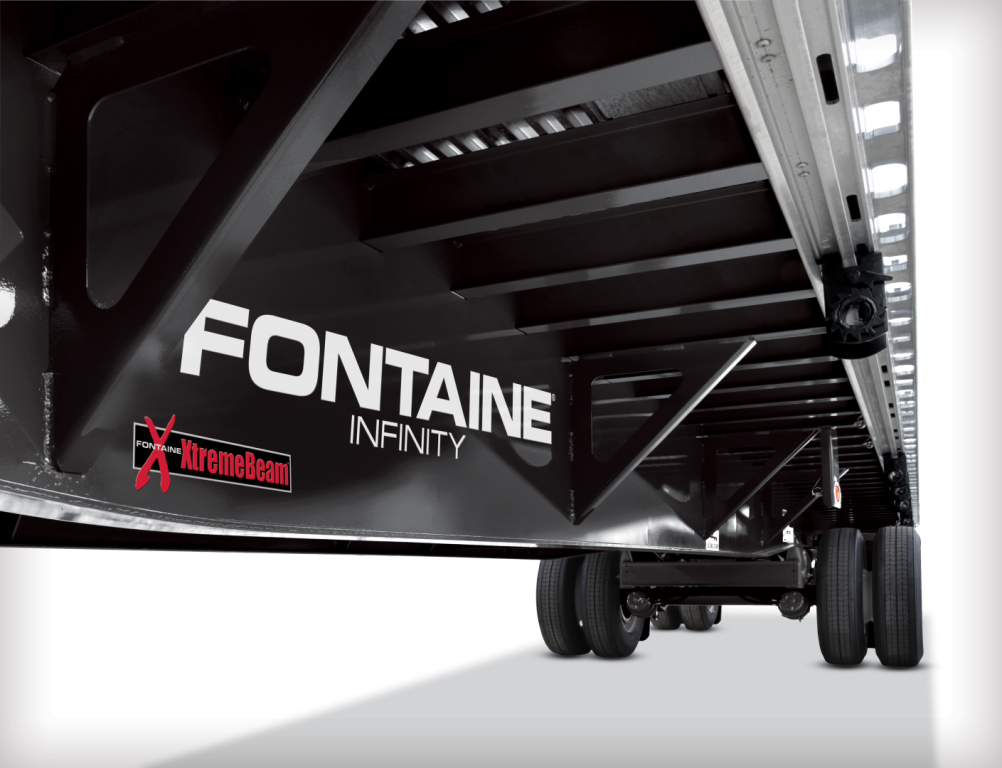
2027 Fontaine 53' Combo Flat - Rear Axle Slide
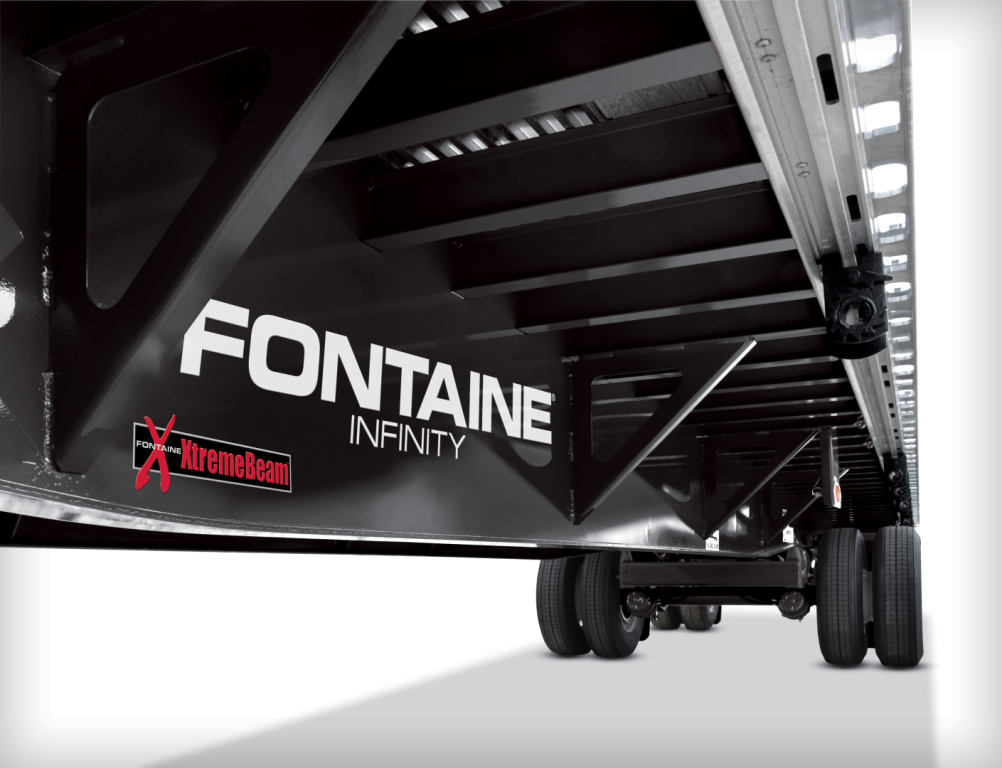
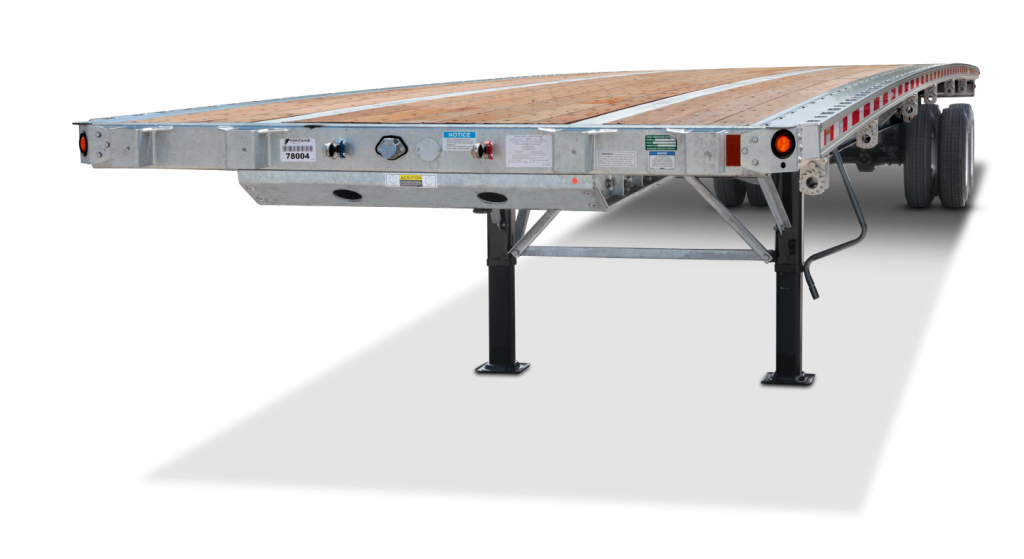
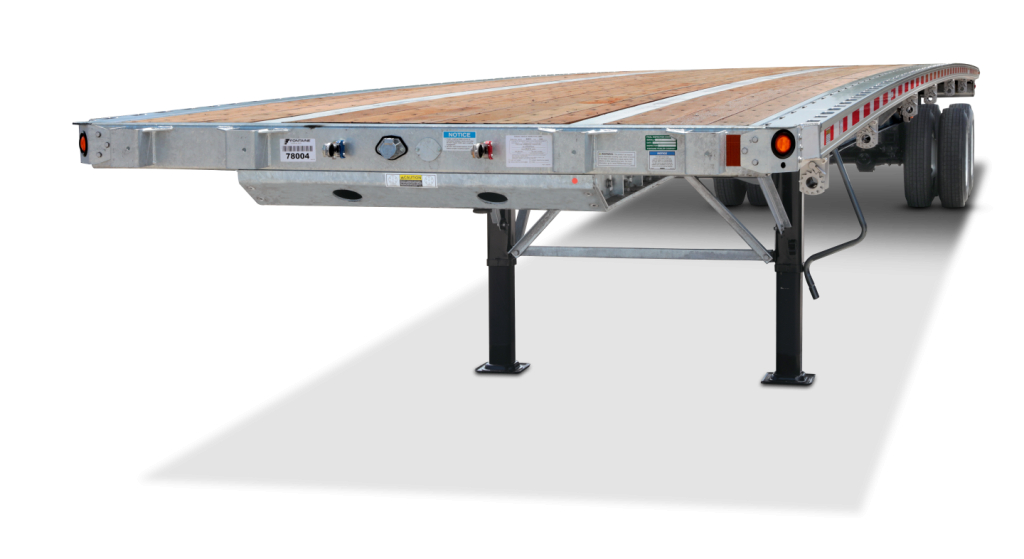
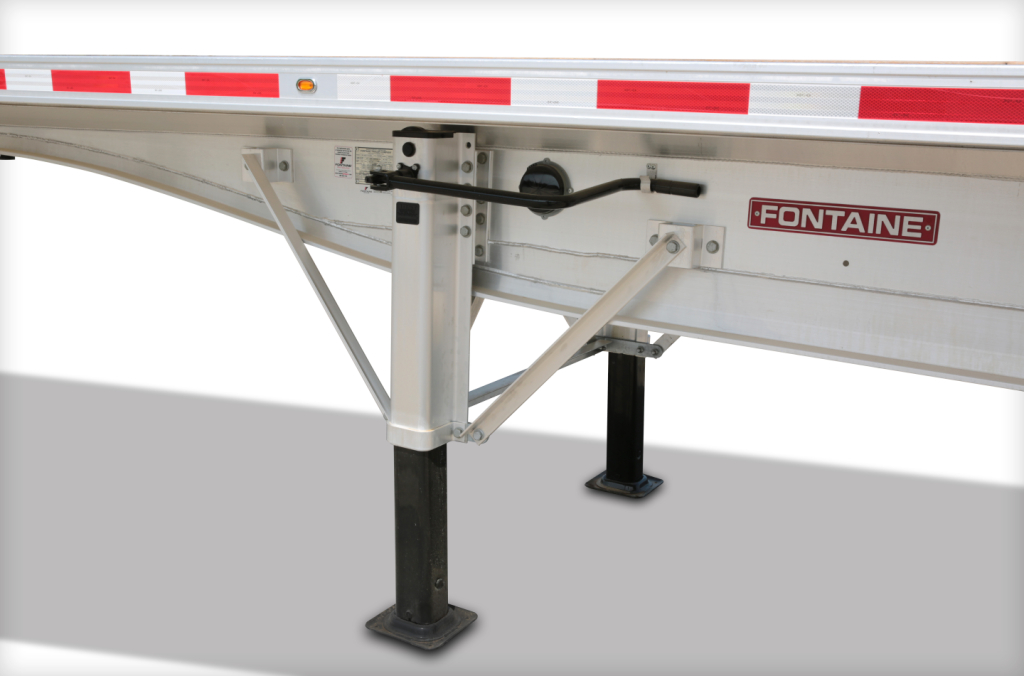
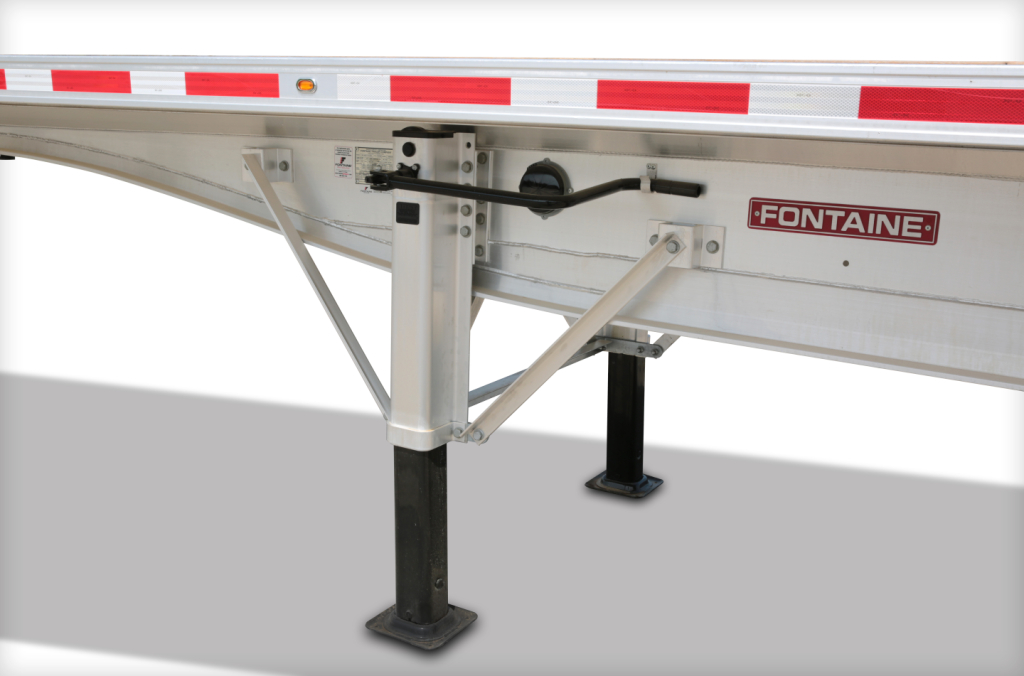
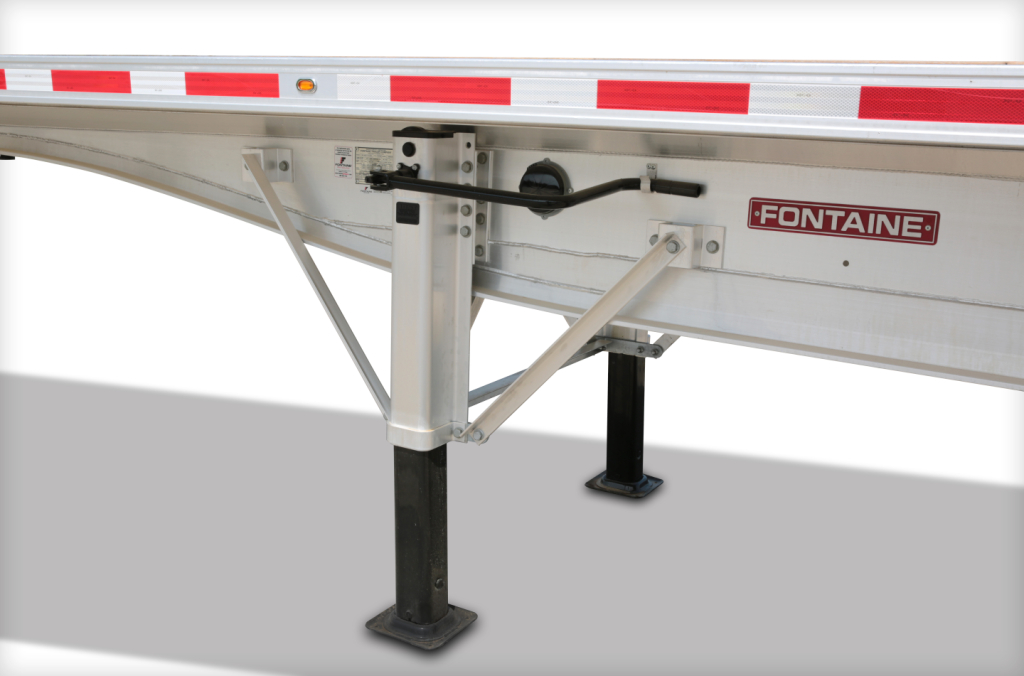
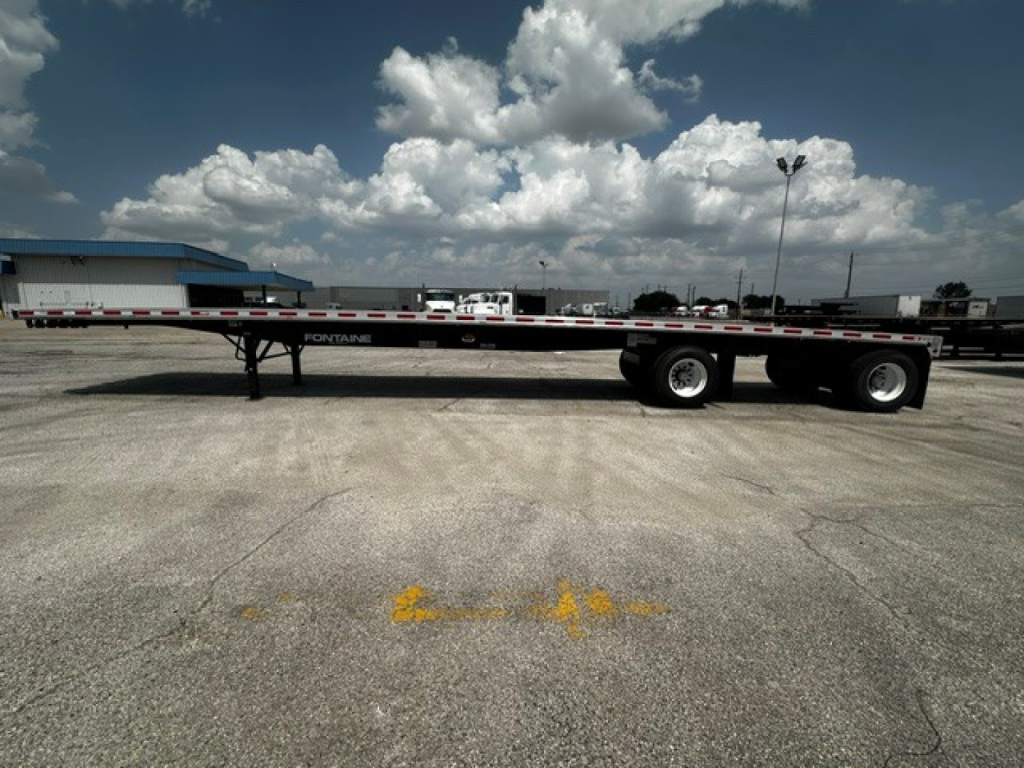
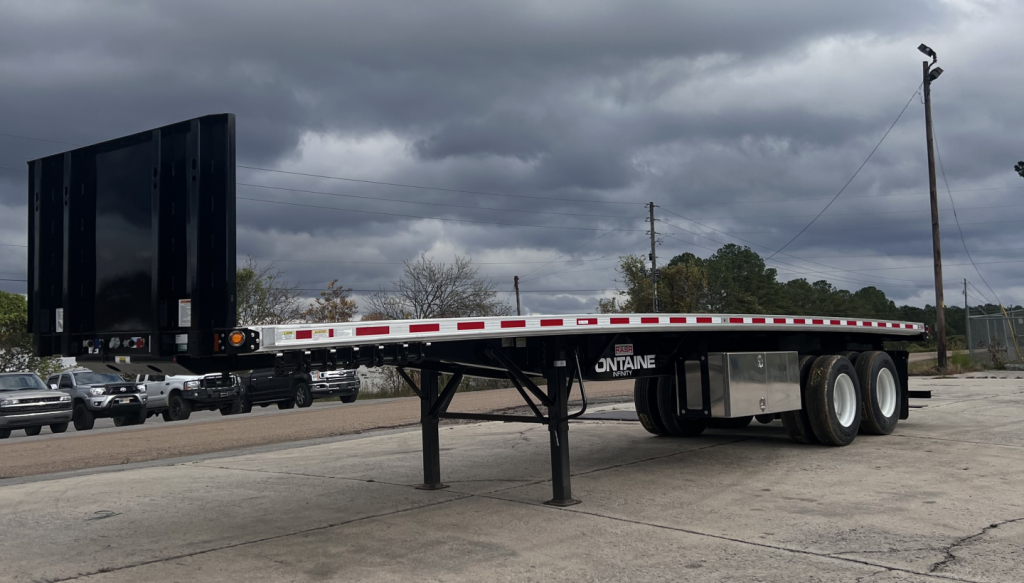
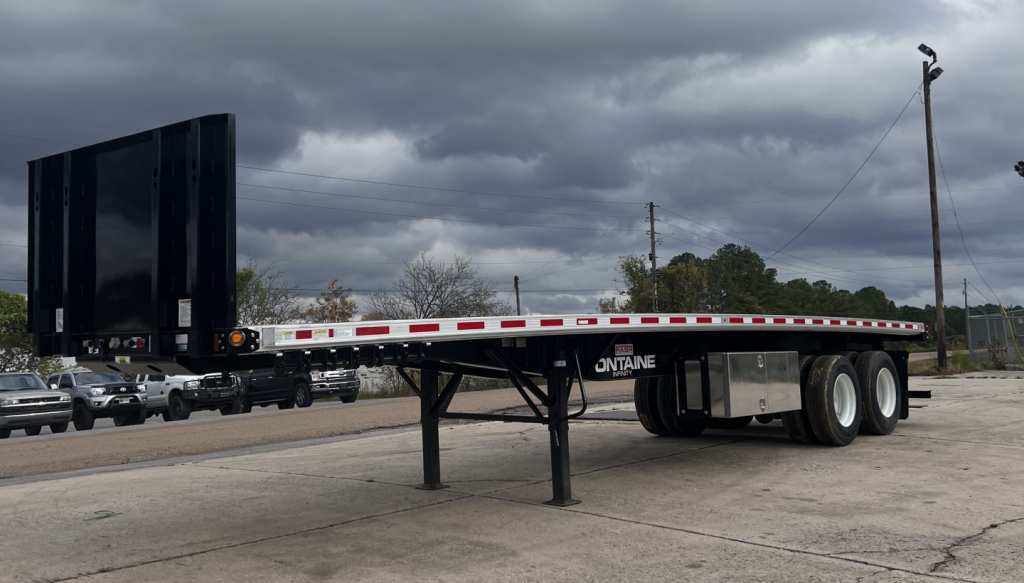
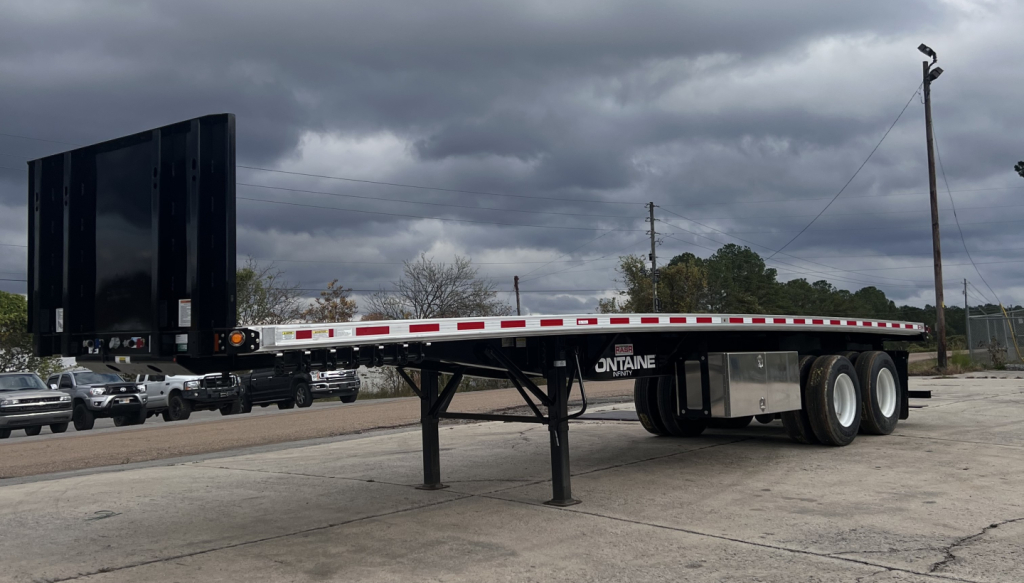
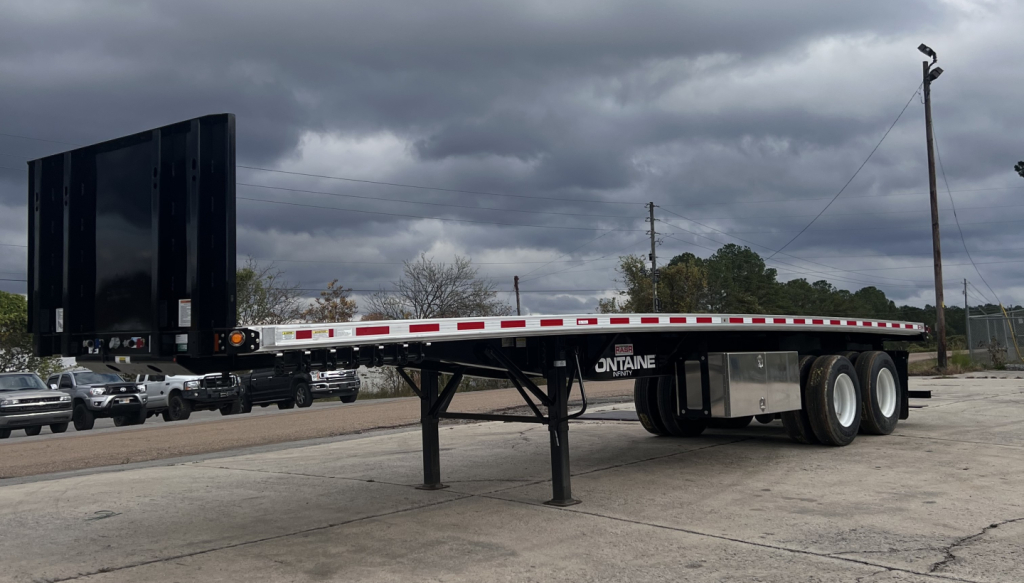
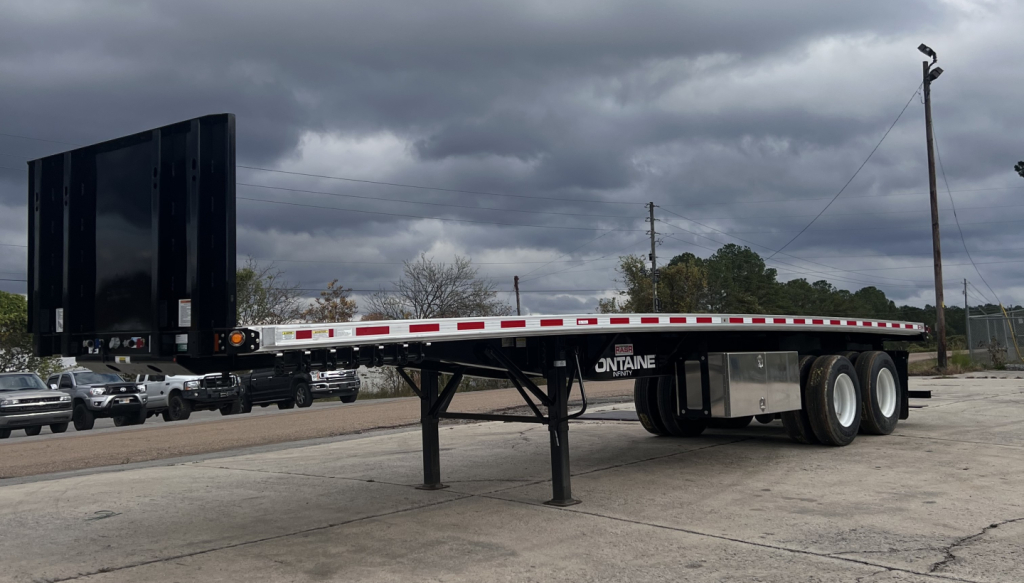
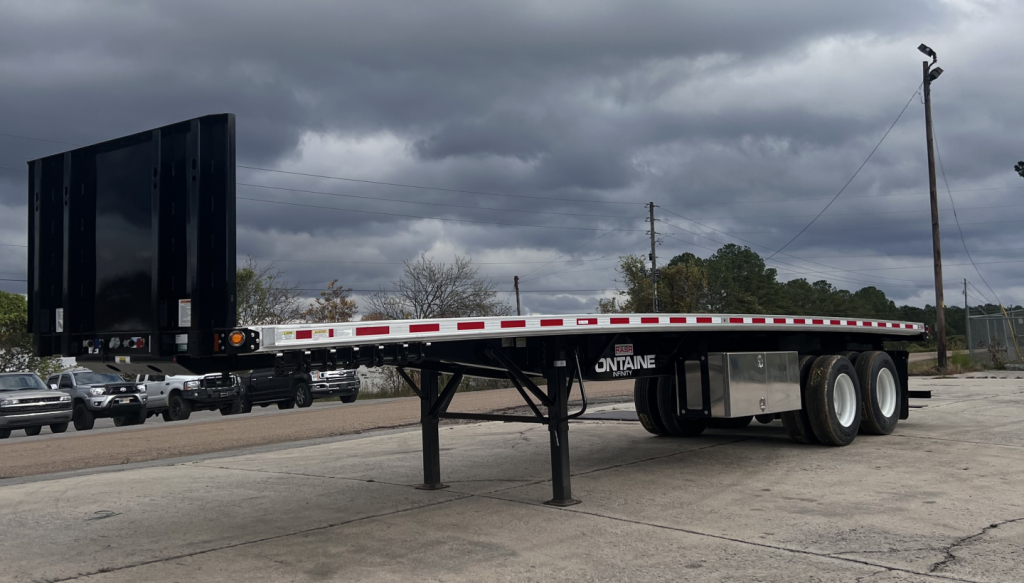
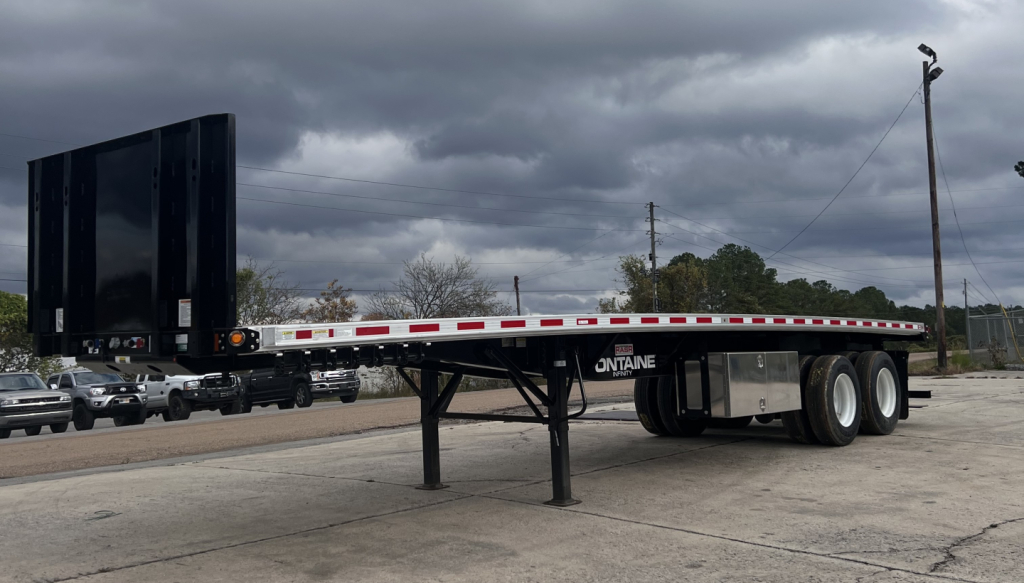
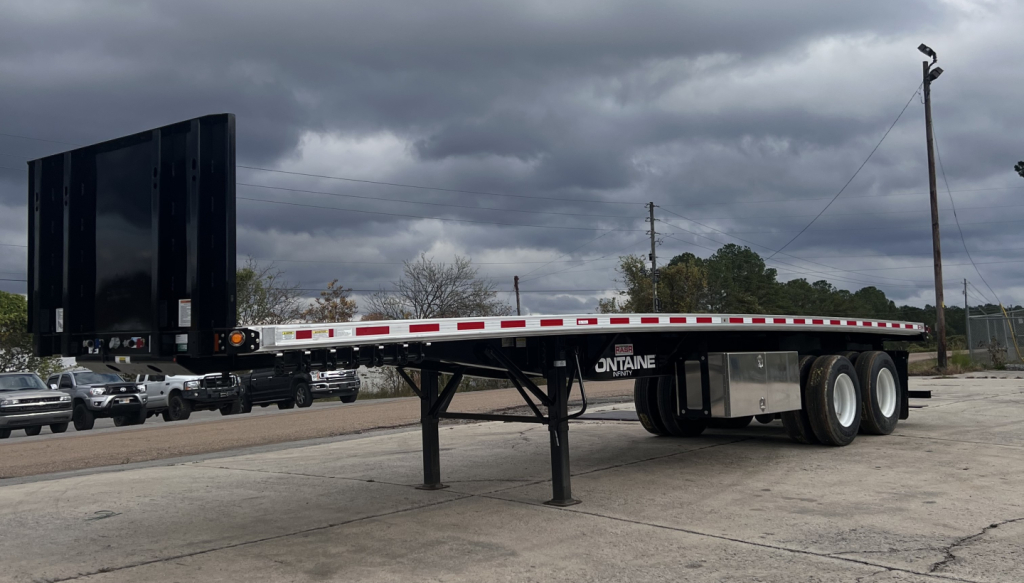
Selling a new fontaine flatbed trailer? List your new fontaine flatbed trailer for sale and reach thousands of commercial buyers.
New Fontaine Flatbed Trailers in Alabama
A big decision in this category is all-aluminum versus combo construction. Fontaine Revolution models are known for lightweight all-aluminum design, which can help maximize legal payload and reduce empty-weight penalties on high-frequency lanes. Features such as StirLITE aluminum flooring and routed aluminum side rails are aimed at cutting weight while maintaining deck strength and useful securement access. Fontaine Infinity combo flatbeds add steel where buyers want more concentrated load support, often with steel crossmembers on close spacing and aluminum floor and side components. If your loads include coils, dense machinery, or frequent forklift traffic, frame rating, concentrated load rating, and crossmember spacing deserve close review.
Securement details matter as much as base construction. Many Fontaine flatbeds are spec'd with RASR side rails, double-L winch tracks, sliding winches, recessed chain tie-downs, coil packages, and nail strips. Those features affect loading speed, chain and strap placement, and how flexible the trailer will be across different commodities. Suspension and axle layout also deserve attention. Tandem and spread axle setups are both common, with air ride suspensions, rear axle slides, and axle dump systems showing up on many new trailers. A 30-inch kingpin setting, 102-inch width, aluminum or steel wheel choices, and 22.5-inch rubber are all familiar specs in this class. For Alabama operations, that can matter on mixed regional and long-haul runs where weight distribution, bridge compliance, and dock or jobsite maneuverability all affect daily productivity.
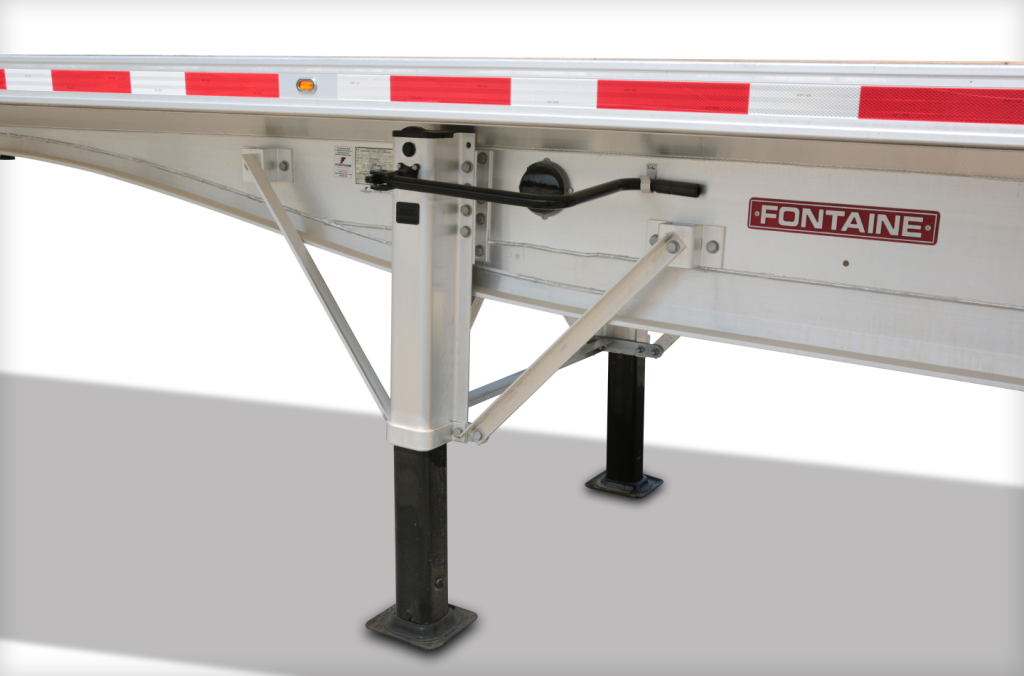
Buyers comparing new Fontaine flatbed trailers should look past headline weight and focus on how the trailer is engineered for the freight it will actually carry. Check the frame rating, the rating in 4 feet for concentrated loads, landing gear bracing, hub and brake package, lighting protection, and the placement and quantity of securement points. Recessed lighting, protected conspicuity tape placement, and corrosion-resistant materials can reduce maintenance over time, especially in demanding open-deck service. A well-spec'd Fontaine flatbed can deliver low tare weight without giving up the securement flexibility and structural confidence required for steel, construction materials, and everyday general freight.
Frequently Asked Questions about New Fontaine Flatbed Trailers in Alabama
What is the difference between a Fontaine all-aluminum flatbed and a Fontaine combo flatbed?
A Fontaine all-aluminum flatbed is designed to minimize tare weight, which helps maximize legal payload and can improve efficiency on weight-sensitive freight. A Fontaine combo flatbed uses both aluminum and steel, typically adding steel crossmembers or other structural elements to better handle concentrated loads and repeated heavy-duty use. Buyers hauling dense products such as steel coils, machinery, or frequent forklift-loaded freight often compare combo construction closely against all-aluminum models to balance payload savings with load support and durability.
What lengths are most common for new Fontaine flatbed trailers?
The most common lengths in this category are 48-foot and 53-foot flatbeds. A 48-foot trailer remains a strong choice for many steel, building material, and regional freight applications because it offers excellent maneuverability and broad shipper acceptance. A 53-foot flatbed provides more deck space for longer freight and certain higher-cube open-deck loads. The right length depends on commodity mix, state bridge laws, customer requirements, and how often the trailer runs regional versus over-the-road lanes.
Which specs matter most when buying a new flatbed trailer for steel or coil hauling?
For steel or coil work, buyers should pay close attention to concentrated load rating, frame rating, crossmember spacing, coil package equipment, and the number and placement of chain ties and winches. A trailer may be light overall but still be the wrong fit if it lacks the structural support for heavy point loads. Features such as recessed pop-up chain ties, routed side rails, nail strips, and robust winch track layouts also matter because they affect how safely and efficiently different steel products can be secured.
Are spread axle and tandem axle Fontaine flatbeds used for different applications?
Yes. Spread axle flatbeds are often chosen to improve weight distribution and can be helpful for certain heavier or more variable loads, but they may be less maneuverable in tight jobsites and some urban delivery settings. Tandem axle flatbeds are generally easier to turn and can be a better fit for operations that need more flexibility in close quarters. The best axle setup depends on route profile, state regulations, load dimensions, and how often the trailer is loaded to the upper end of its capacity.
Why do buyers pay attention to side rail and flooring design on a Fontaine flatbed?
Side rail and floor design directly affect securement flexibility, deck life, and maintenance costs. Routed aluminum side rails can improve access for hooks and winches while helping protect conspicuity tape and trailer structure. Flooring systems such as friction stir welded aluminum designs can reduce weight and eliminate some traditional components, but the real value is how the floor handles repeated cargo contact, forklift traffic, and moisture exposure over time. These details have a direct impact on trailer longevity and day-to-day loading efficiency.