
Dorsey Flatbed Trailers For Sale in Iowa
No exact matches found for your search
Showing Dorsey Flatbed Trailers instead.
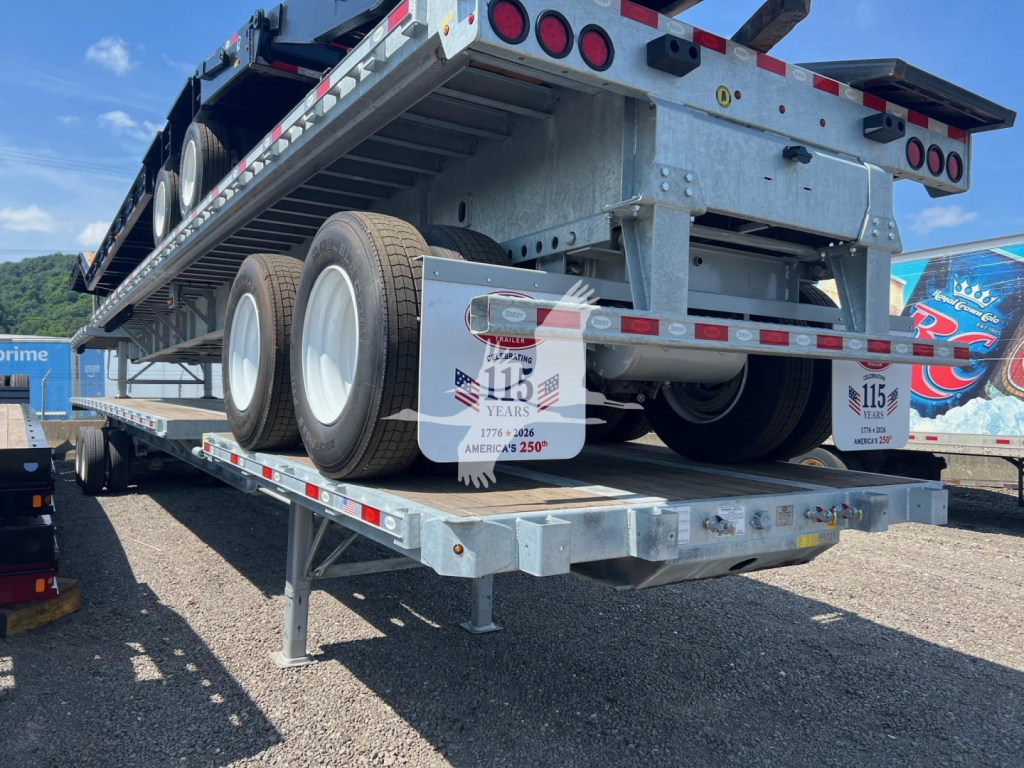
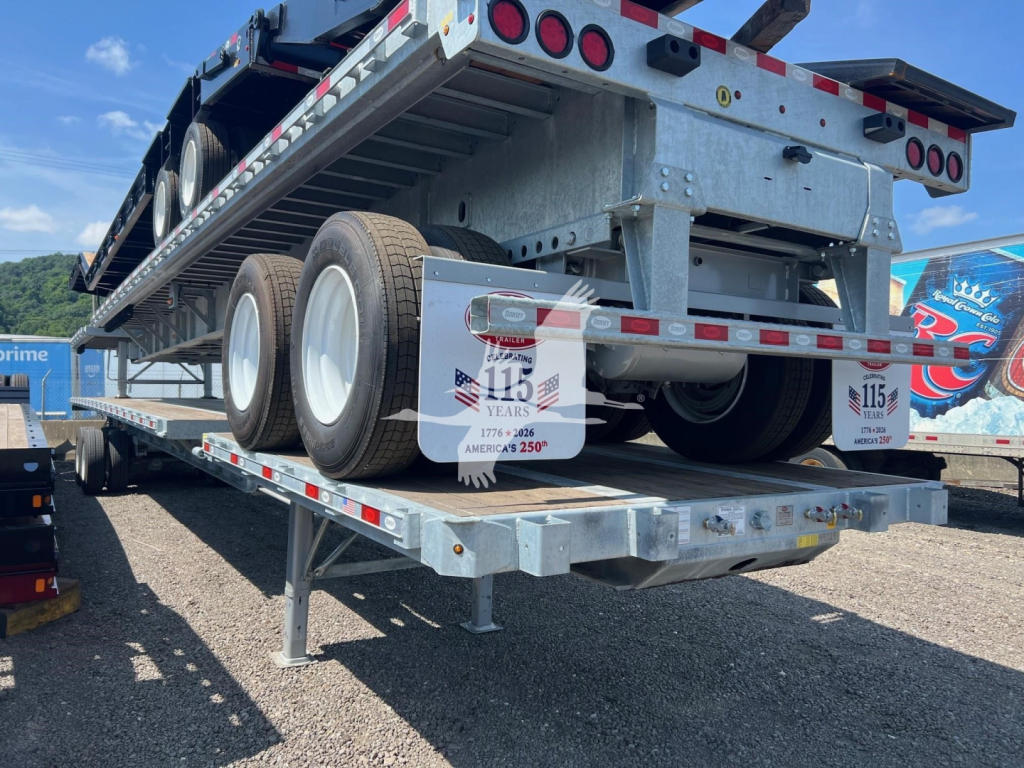
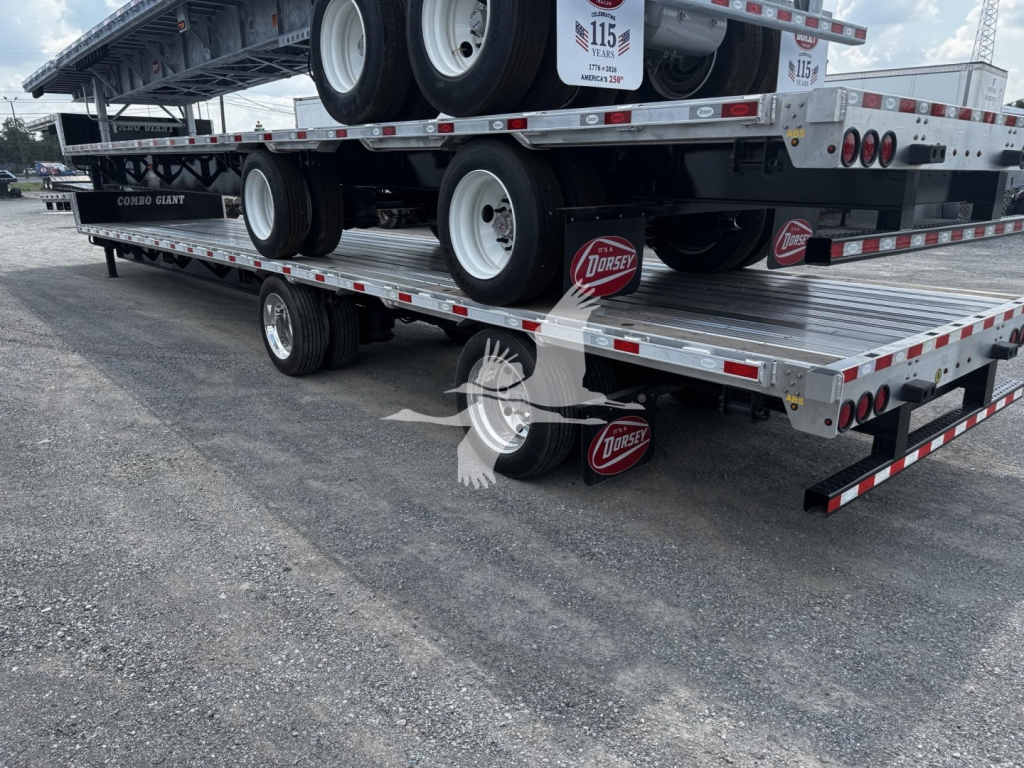
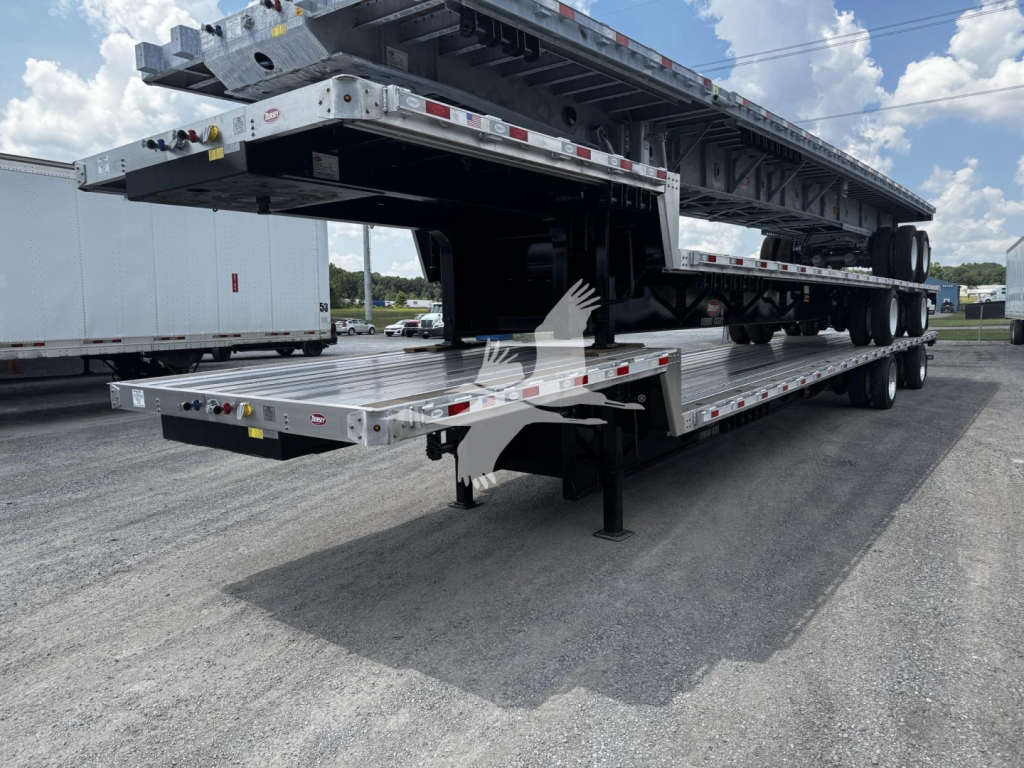
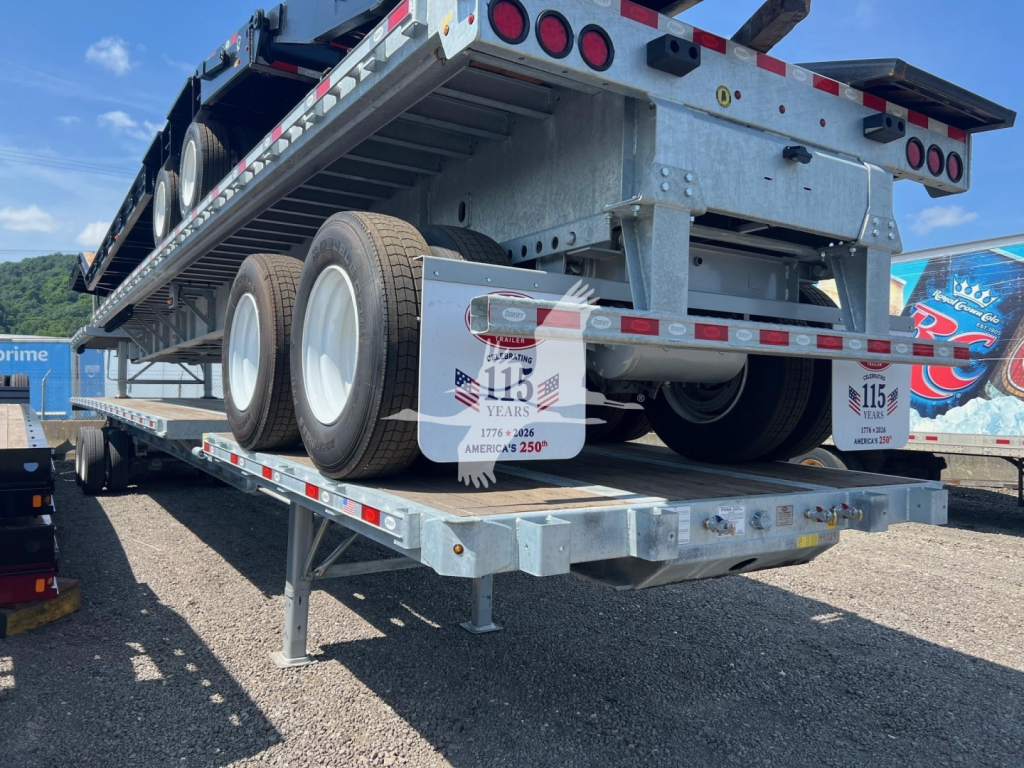
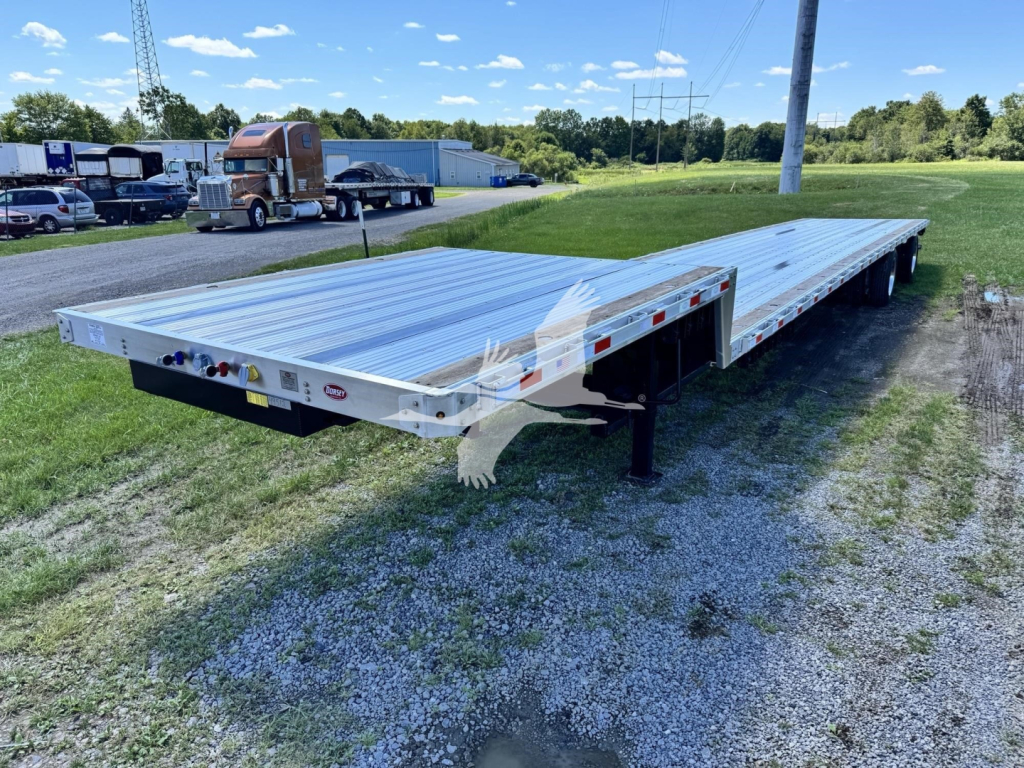
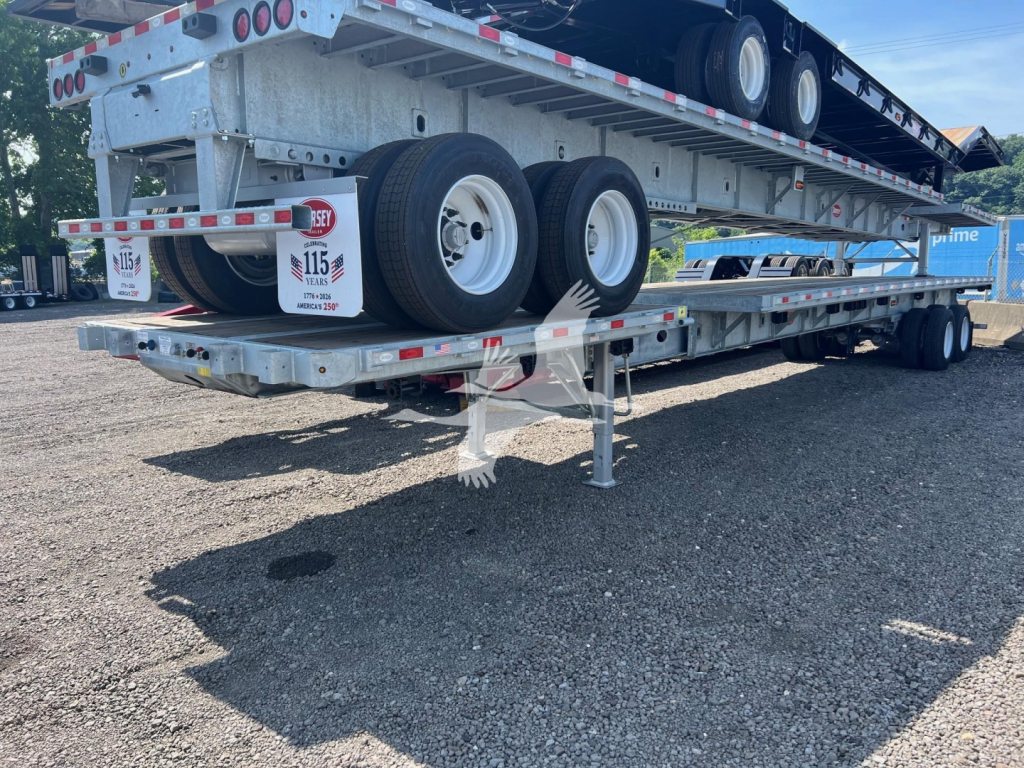
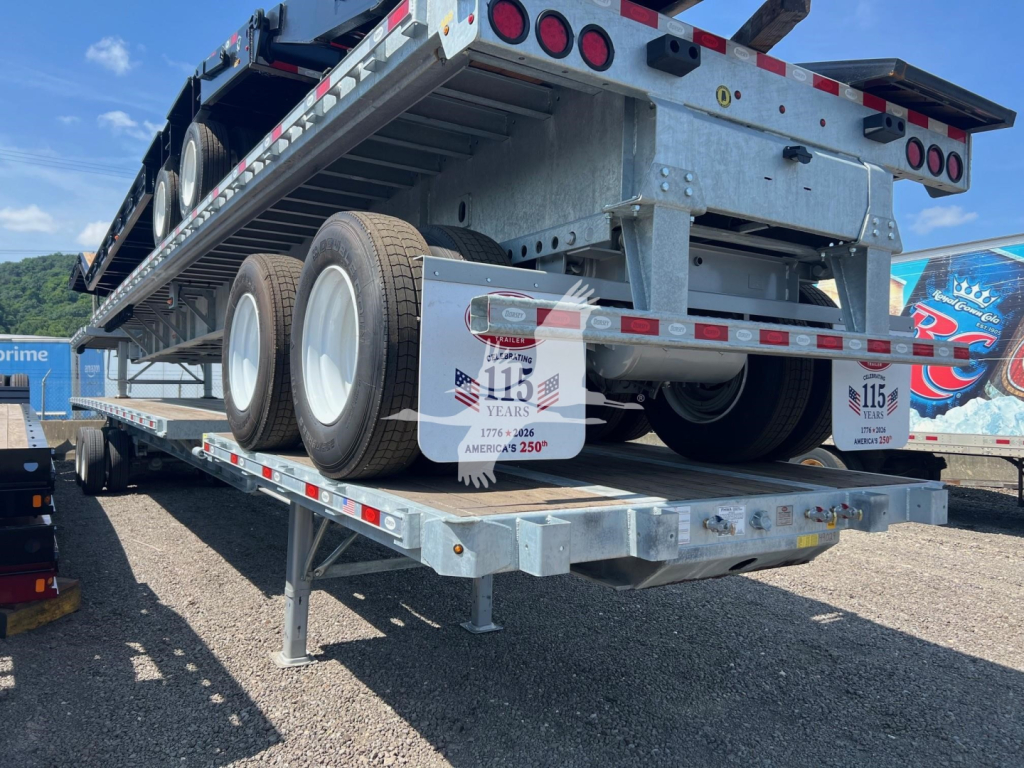
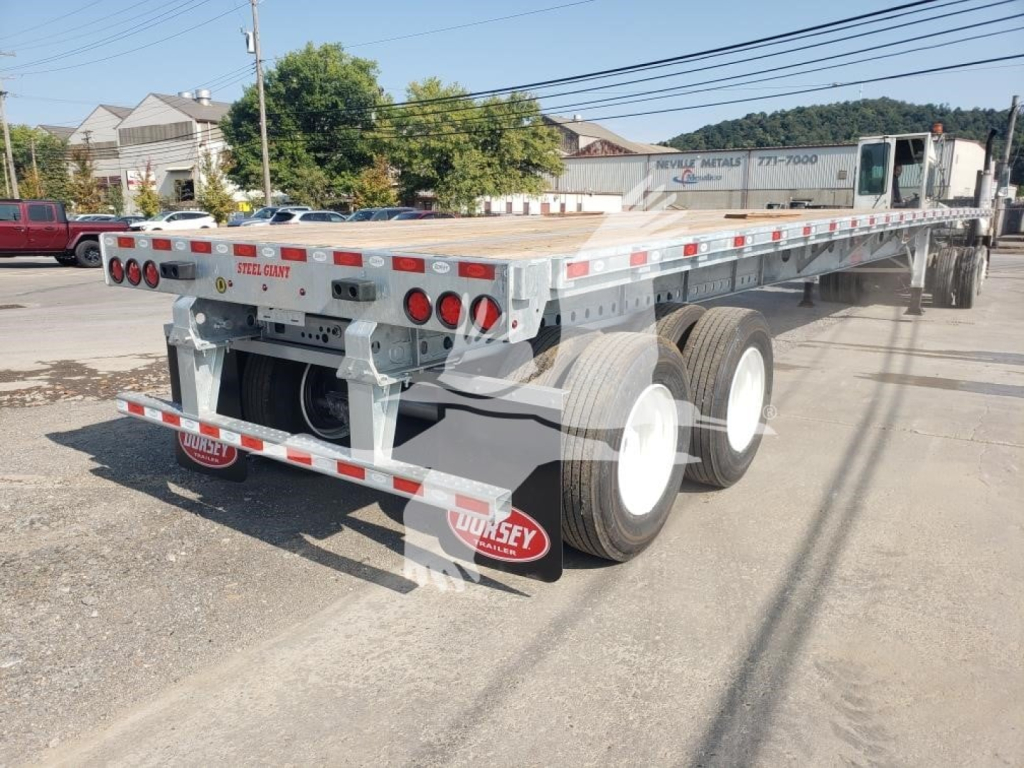
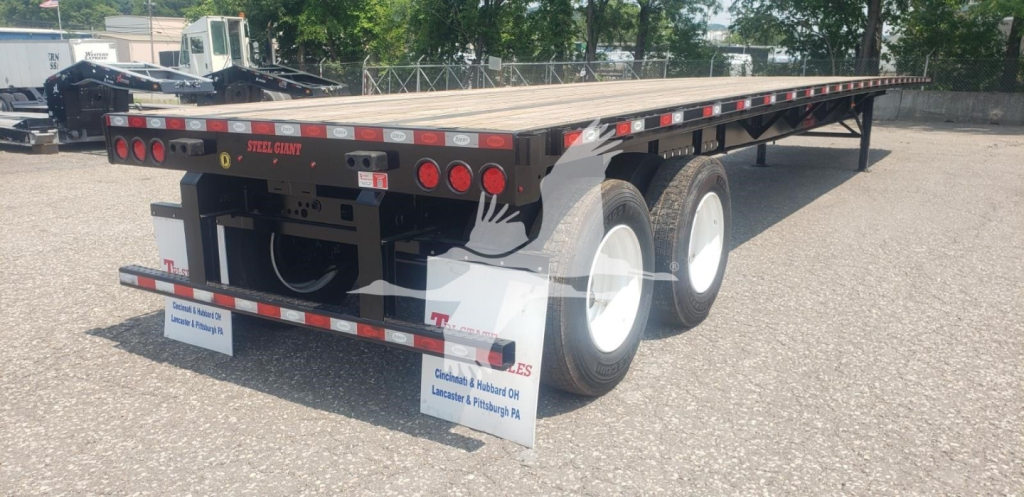
Showing 1 to 12 of 37 results
Have dorsey flatbed trailer to sell? List it here to reach thousands of buyers.
Dorsey Flatbed Trailers in Iowa
Construction and suspension spec make a big difference in how a flatbed performs over time. Dorsey is well known for aluminum flatbed designs that target weight savings without giving up everyday workability. Common buyer considerations include all-aluminum versus combo construction, crossmember spacing, deck type, and rear frame strength for dock contact and forklift traffic. Air ride suspension is a popular spec for protecting freight and improving ride quality, while spread axles can help with bridge law compliance and load distribution. Buyers should also look closely at wheel-end spec, tire size, brake package, and whether the trailer has features such as winch tracks, sliding winches, chain spools, coil package provisions, aluminum wheels, toolboxes, and dunnage racks.
The right Dorsey flatbed depends on freight profile more than brand loyalty alone. Lightweight 48-foot models are a strong choice for carriers hauling mixed commodity freight where payload flexibility drives revenue. If your lanes include dense commodities, check empty weight, axle spacing, and concentrated load ratings carefully. If your work involves frequent tarping, deck access and securement layout matter just as much as raw tare weight. Operators running in Iowa should also think about seasonal conditions, corrosion resistance from road treatment exposure, and how easily replacement wear items can be sourced during busy harvest and construction cycles.
A good flatbed trailer should match the way freight is loaded, secured, and unloaded in the real world. Dorsey flatbeds are typically chosen by buyers who want a clean, simple platform trailer with competitive tare weight and familiar maintenance requirements. When comparing listings, pay attention to GVWR, suspension type, axle configuration, deck material, overall weight, and any installed securement equipment. Those details will tell you more about day-to-day earning potential than the model year alone.
Frequently Asked Questions about Dorsey Flatbed Trailers in Iowa
What are the main advantages of a Dorsey aluminum flatbed trailer?
A Dorsey aluminum flatbed trailer is typically chosen for lower tare weight, which can translate into higher legal payload on many freight lanes. Aluminum construction also offers corrosion resistance, an important benefit in regions where trailers see winter road chemicals, moisture, and year-round outdoor storage. For many fleets, the value is not just weight savings but a combination of payload efficiency, durable platform construction, and resale appeal in the used flatbed market.
Is a 48-foot Dorsey flatbed the right size for general freight?
A 48-foot flatbed is one of the most common configurations for general freight because it handles a wide range of legal loads without overcomplicating routing, loading, or securement. It is a strong fit for machinery, steel products, lumber, palletized building materials, and agricultural freight. The right size still depends on your customer base, load dimensions, and axle laws, so buyers should confirm that deck length, axle spread, and load balance match the freight they plan to haul most often.
Why do many Dorsey flatbeds use air ride suspension and spread axles?
Air ride suspension helps reduce shock transferred to cargo and can improve trailer stability and ride quality compared with rougher suspension setups. Spread axles are commonly specified to improve weight distribution and help with bridge law compliance, especially on heavier or longer freight. The tradeoff is that spread axle trailers can scrub tires more during tight turns, so buyers should weigh maneuverability, maintenance, and freight type against the load benefits.
What specs matter most when comparing Dorsey flatbed trailers for sale?
The most important specs are usually empty weight, deck length, GVWR, axle configuration, suspension type, deck construction, and securement equipment. Buyers should also review crossmember spacing, tire and wheel package, brake setup, and any added options such as toolboxes, dunnage racks, winch tracks, sliding winches, or coil hauling equipment. These details affect payload, loading speed, maintenance cost, and how well the trailer fits your actual freight.
Are Dorsey flatbed trailers a good fit for Iowa and Midwest hauling?
Dorsey flatbed trailers are well suited to Iowa and Midwest freight patterns because they can handle building materials, farm-related cargo, machinery, and general industrial loads across short regional runs or longer interstate routes. Aluminum models are especially attractive where corrosion resistance matters through winter conditions. Buyers in this region should still evaluate service access, parts support, and trailer spec against seasonal load demands such as harvest, construction, and steel hauling.