
2027 Flatbed Trailers For Sale in Oklahoma
Browse 2027 flatbed trailers for sale in Oklahoma. Compare aluminum and steel specs, axle spreads, securement options, and payload capacity.
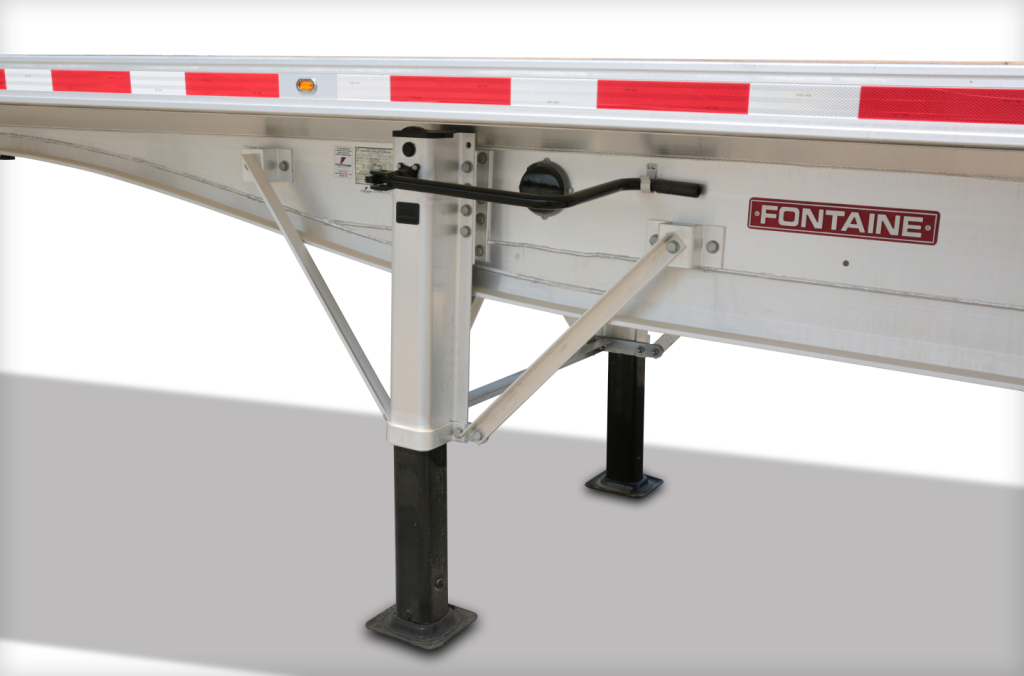
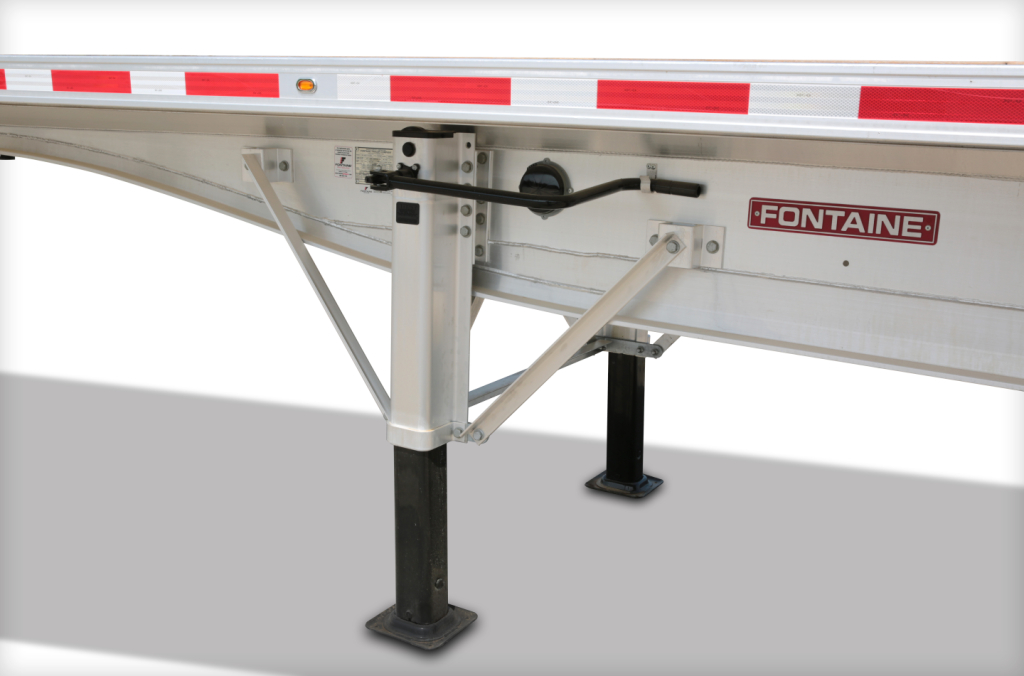
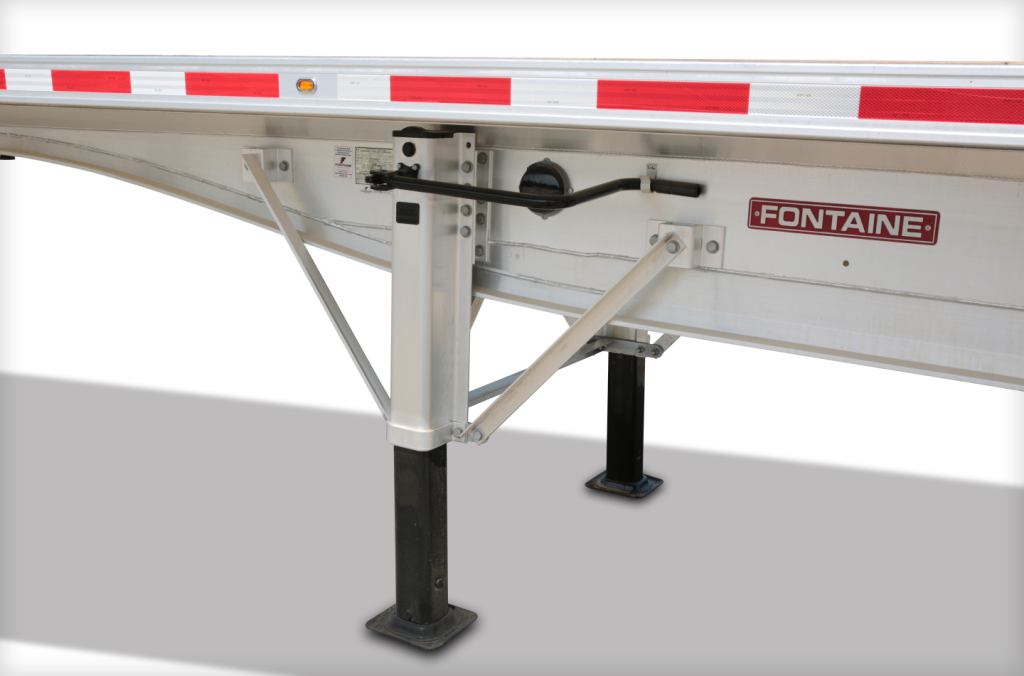
Selling a 2027 flatbed trailer? List your 2027 flatbed trailer for sale and reach thousands of commercial buyers.
2027 Flatbed Trailers in Oklahoma
The most common platform in this category is a 48-foot by 102-inch tandem axle trailer, often set up with air ride suspension, a rear axle spread, and a kingpin setting around 30 inches. Buyers in Oklahoma often pay close attention to axle spread, loaded deck height, and suspension spec because those details affect bridge law compliance, ride quality, and loading flexibility across regional and interstate lanes. Many late-model flatbeds are rated around 80,000 pounds distributed, with a concentrated load rating that matters if you haul steel coils, dense machinery, or short heavy freight. A single coil package, knurled aluminum flooring, wood nailer strips, and integrated side rails with rub rails are common features on newer trailers intended for mixed open-deck work.
Securement spec is where one flatbed can be much more useful than another. Stake pockets on 24-inch centers, multiple chain tie-down pairs, full-length winch tracks, and sliding winches give a trailer broader freight compatibility and faster load setup. If your freight mix includes machinery, fabricated steel, or irregular loads, check how the trailer is laid out for chains, straps, edge protection, and tarping access. Recessed tie-downs, load securement openings between pockets, and rub rail design all affect how easily a driver can build legal securement angles. Toolboxes, dock bumpers, LED lighting, and quality wheel and tire packages also matter because they reduce daily nuisance issues and improve service life.
For a buyer comparing 2027 flatbed trailers, the key numbers are trailer weight, concentrated load rating, axle configuration, suspension type, and securement package. A lighter trailer can add revenue on weight-sensitive freight, but the best choice depends on what you haul most often and how rough your operating conditions are. If the trailer will see coil work, oilfield-related loads, or repeated loading with heavy forklifts, study deck rating and main beam construction closely. If it will run general commodity freight, a well-equipped aluminum flatbed with air ride, wide spread tandems, and a strong winch and tie-down package is often the most versatile setup in the category.
Frequently Asked Questions about 2027 Flatbed Trailers in Oklahoma
What is the most common size for a flatbed trailer?
The most common flatbed trailer size is 48 feet long by 102 inches wide. That configuration handles a broad range of legal open-deck freight and works well for general building materials, machinery, steel, and palletized loads. Some operations use 53-foot flatbeds for additional deck space, but 48-foot models remain a core spec because they balance maneuverability, weight, and freight compatibility.
Why do many buyers choose an aluminum flatbed trailer?
Aluminum flatbed trailers are popular because they reduce tare weight and allow more payload within legal gross limits. That can make a measurable difference on dense freight and on lanes where every pound counts. Aluminum also resists corrosion well, but buyers should still evaluate beam construction, floor design, and repair considerations based on their freight mix and maintenance practices.
What flatbed specs matter most for hauling steel coils or other dense freight?
For coil and dense freight, concentrated load rating is just as important as gross distributed capacity. Buyers should look at main beam design, flooring thickness, coil package configuration, kingpin setting, and axle placement. A trailer may be rated for 80,000 pounds distributed, but the concentrated rating in a short section of deck is what determines whether it is suited for coils, short heavy machinery, or compact steel products.
Is air ride suspension better on a flatbed trailer?
Air ride suspension is preferred by many fleets because it improves ride quality and can reduce shock to sensitive freight compared with mechanical suspension. It can also help with trailer stability and driver acceptance on long-haul work. The right choice still depends on application, maintenance discipline, and operating environment, but air ride is a common spec on newer premium flatbeds because it supports broader freight versatility.
What securement features should a buyer look for on a flatbed trailer?
Useful flatbed securement features include stake pockets on close centers, chain tie-downs, a full-length winch track, sliding winches, rub rails, and accessible load securement openings. These details make it easier to achieve proper strap and chain angles across different commodities. Buyers hauling mixed freight usually benefit from a more complete securement package because it reduces setup time and expands the types of loads the trailer can handle safely and legally.