
2027 Dura Haul Trailers For Sale in Texas
Shop 2027 Dura Haul trailers for sale in Texas, including drop deck configurations built for equipment, machinery, and over-height freight.
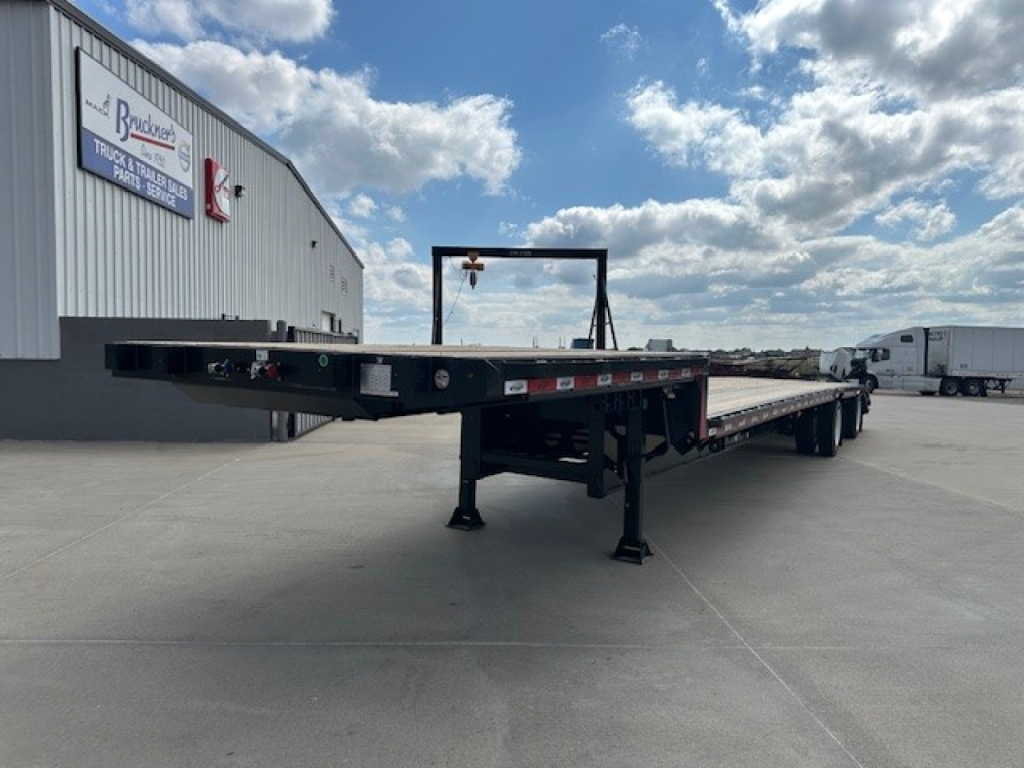
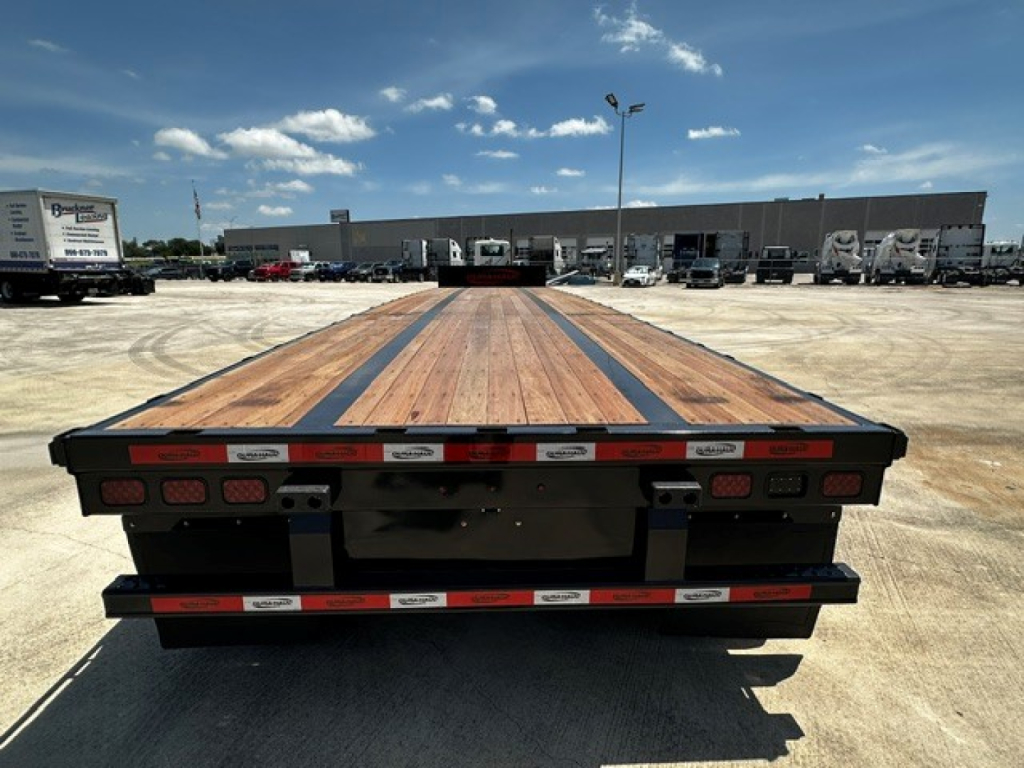
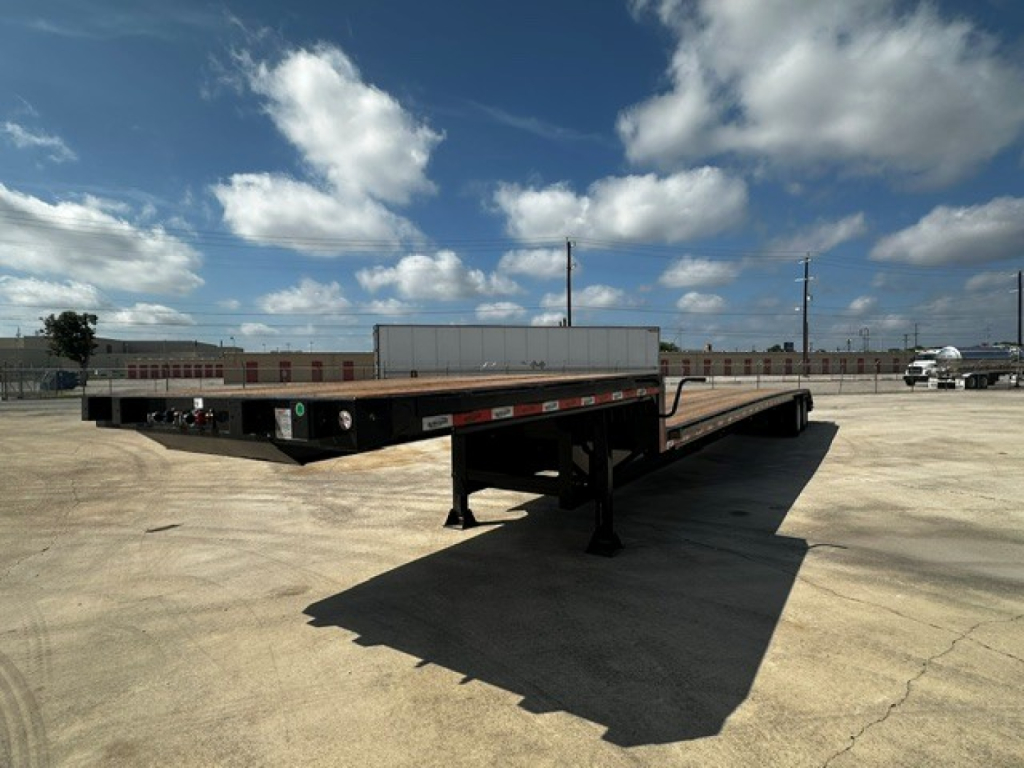
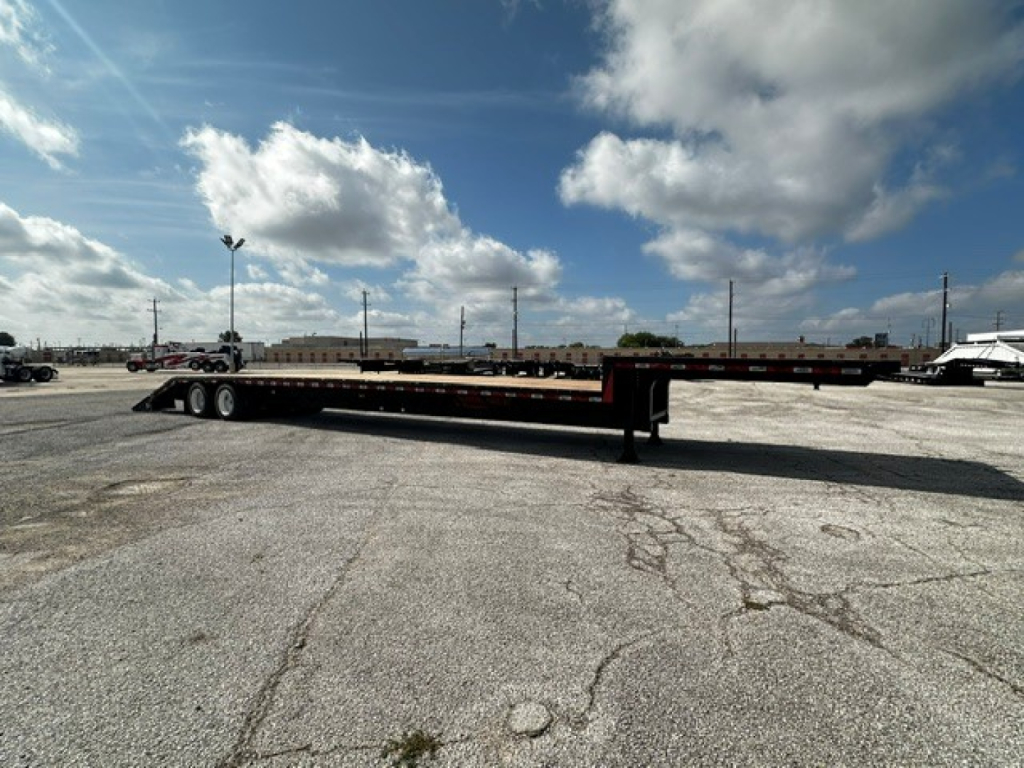
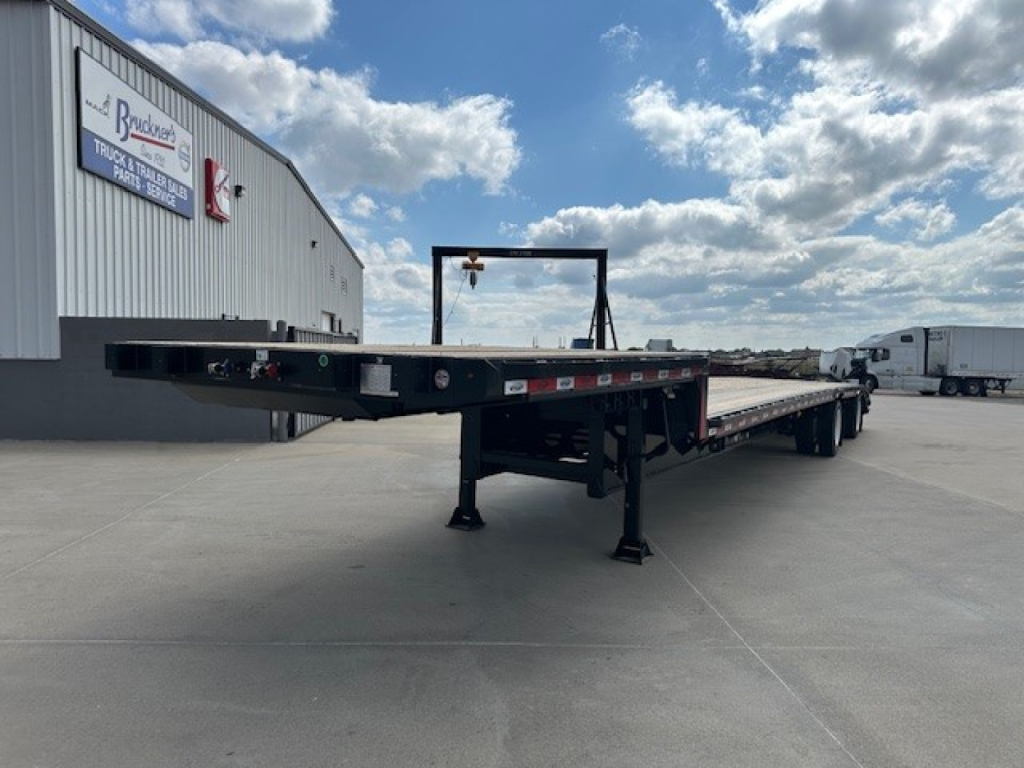
Selling a 2027 dura haul trailer? List your 2027 dura haul trailer for sale and reach thousands of commercial buyers.
2027 Dura Haul Trailers in Texas
The deck layout matters more than the brand decal on the nose. A typical setup in this category uses a 10-foot 6-inch upper deck with a longer lower deck, often around 37-foot 6-inch on a 48-footer or 42-foot 6-inch on a 53-footer with beavertail provisions. That lower deck is the reason many fleets spec a drop deck in the first place. It gives extra loading height clearance while still keeping the trailer versatile for daily open-deck work. Buyers comparing units should pay close attention to axle spacing, deck length breakdown, loaded deck height, crossmember spacing, and whether the trailer is set up with a fixed rear, a beavertail, or ramps for self-loading equipment.
Several specs shown in this category are the ones experienced buyers usually look for first. A 122-inch spread axle setup can help with bridge law and weight distribution depending on the load profile and operating states. Air ride suspension is a strong fit for machinery, crated freight, and loads that benefit from a smoother ride. Apitong decking remains a preferred choice on many open-deck trailers because it holds up well under concentrated contact points and repeated loading. Jost heavy-duty 2-speed landing gear, sliding winches, steel wheels, 255/70R22.5 tires, liquid-filled air gauges, and dump valves are all practical specs that support routine securement, loading efficiency, and serviceability in the field.
If the work involves skid steers, compact track loaders, forklifts, scissor lifts, or other wheeled and tracked machines, a beavertail with flush-mount spring-assisted ramps can be the difference between a general freight trailer and a trailer that saves time every day. For more traditional open-deck freight, a straight drop deck with a clean lower platform may be the better choice. Buyers in Texas should also consider route mix, axle laws, deck durability in hot weather, and how often the trailer will be loaded by dock, crane, or driven-on equipment. The best 2027 Dura Haul trailer for the job usually comes down to deck configuration, axle spread, suspension, and securement layout rather than simply choosing by overall length alone.
Frequently Asked Questions about 2027 Dura Haul Trailers in Texas
What is the main advantage of a Dura Haul drop deck trailer compared with a standard flatbed?
A drop deck trailer gives you a lower main deck height than a standard flatbed, which allows taller freight to move while staying closer to legal height limits. That makes it a strong choice for machinery, industrial components, and equipment that would sit too high on a flatbed. It also adds loading flexibility because the lower deck can improve stability and make certain freight easier to position and secure.
Should I choose a 48-foot or 53-foot Dura Haul drop deck trailer?
A 48-foot drop deck is often a good fit for operators hauling mixed freight, equipment, and shorter loads where maneuverability still matters. A 53-foot unit gives you more usable deck space, especially on the lower deck, which can be valuable for longer machinery, multiple pieces, or higher-volume open-deck freight. The right choice depends on your freight profile, lane requirements, and whether added length improves revenue enough to offset operating restrictions in tighter jobsites or urban deliveries.
Why does a beavertail with ramps matter on a drop deck trailer?
A beavertail with ramps allows self-propelled equipment to be loaded without relying on a dock or external loading equipment. That matters for contractors, rental fleets, and operators moving compact machines, lifts, and support equipment from site to site. Flush-mount spring-assisted ramps also help keep the rear loading system more integrated into the trailer design while reducing setup effort compared with heavier manual ramp systems.
What specs should buyers focus on when comparing 2027 Dura Haul trailers?
The most important specs are deck length distribution, loaded deck height, axle configuration, suspension type, crossmember spacing, decking material, tire size, and securement equipment such as sliding winches and tie-down points. Buyers should also check whether the trailer uses a spread axle layout, what kind of landing gear is installed, and whether the rear is configured for general freight or equipment loading. These details affect payload usability, legal operation, loading speed, and long-term maintenance more than cosmetics do.
Is a spread axle drop deck a good fit for Texas hauling?
A spread axle drop deck can be a strong option in Texas because it supports weight distribution and can suit many regional open-deck applications, especially for machinery, steel, and construction-related freight. It may also help with bridge law considerations depending on where the trailer runs. Buyers still need to match the axle setup to the states they operate in, because spread axle trailers can have different turning, tire wear, and permitting considerations than closed tandem configurations.