
Used 2025 Dump Trailers For Sale
Shop used 2025 dump trailers for sale, including end dumps and side dumps with aluminum or steel tubs, air ride, tarp systems, and rock-spec options.
Learn more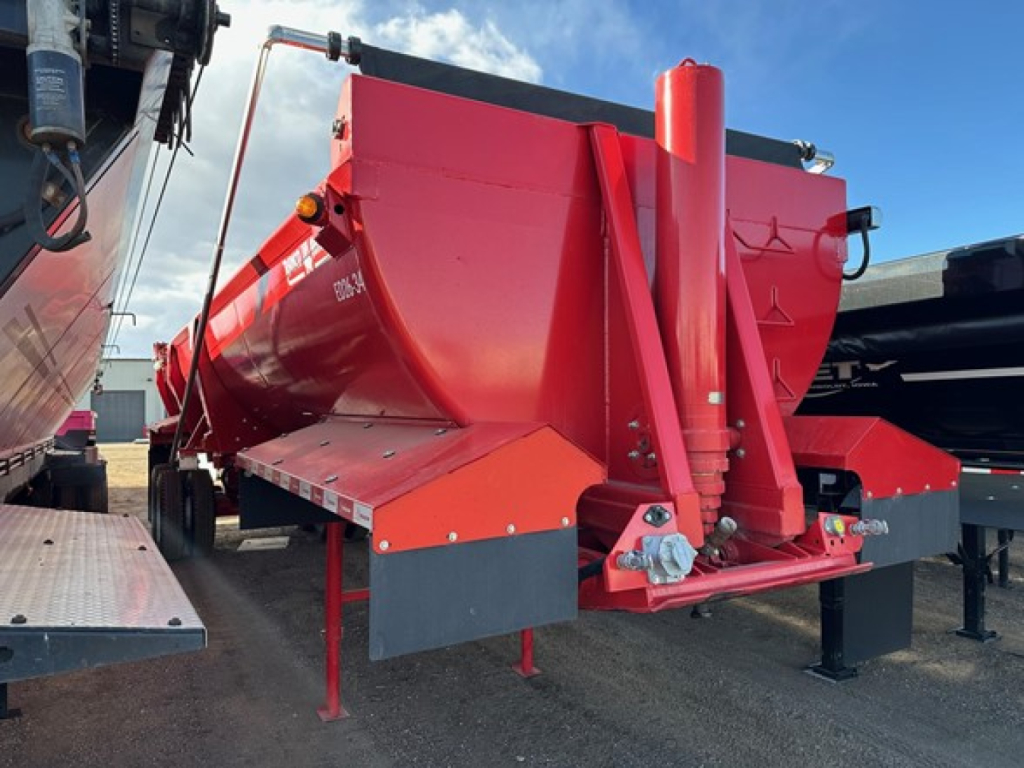
Showing 13 to 13 of 13 results
Have used 2025 dump trailer to sell? List it here to reach thousands of buyers.
About Used 2025 Dump Trailers
Body design matters as much as overall length. Frameless end dumps save weight and are popular when payload is the priority, especially in aluminum configurations. Steel rock tubs, often built with AR400 or similar abrasion-resistant material, are better suited for severe-duty service with shot rock, riprap, and other abrasive loads. Half-round bodies promote cleaner discharge and reduce material hang-up compared with square bodies, which is why they are common in rock and dirt service. Capacity on late-model dump trailers in this class often falls in the mid-20 to high-30 cubic yard range, but rated payload and legal gross weight matter more than cubic yards alone. A light aluminum end dump may maximize tons in states where axle laws allow it, while a heavier steel trailer can be the better long-term choice in punishing quarry or demolition work.
Suspension and axle setup affect both stability and maintenance cost. Closed tandem layouts remain common, with either air ride or single-point suspension depending on the intended service. Air ride usually offers a smoother haul and can be easier on the trailer and tractor in highway use, while single-point designs are often favored in severe off-road or transfer work for durability and simplicity. Buyers should also pay attention to gate style, liner condition, draft arms, push blocks, fenders, wheel material, and tarp type. Electric slide tarps and electric rollover tarps are now standard expectations for many fleets because they improve safety and speed at the pit or landfill. Tire size, brake percentage, bushing wear, hoist condition, hinge area integrity, and tub straightness deserve a close inspection on any used dump trailer, even a late-model one.
A used 2025 dump trailer should be evaluated by application first, then by structural condition. Rock service, asphalt, grain byproducts, demolition, and municipal hauling all stress a trailer differently. Check for cracks around the kingpin area, suspension hangers, crossmember tie-ins, tailgate hardware, and cylinder mounts. Confirm the trailer matches the tractor and route profile, including fifth-wheel height, hydraulic setup if required, and local bridge-law limitations. Buyers comparing used 2025 dump trailers for sale will usually get the best result by narrowing the search to end dump versus side dump, aluminum versus steel, and light-weight payload focus versus heavy-duty rock specification.
Frequently Asked Questions
What is the difference between a dump trailer end dump and a side dump?
An end dump unloads to the rear by raising the front of the trailer body, which makes it a common choice for aggregate, demolition debris, and general construction hauling. A side dump discharges to the side through a tub that pivots, which usually provides faster unloading and better stability on uneven terrain. End dumps are typically simpler and widely used, while side dumps are often preferred for road building, energy work, and jobsites where rollover resistance during unloading is a major concern.
Is an aluminum or steel dump trailer better for a used 2025 model?
Aluminum is usually the better choice when payload and corrosion resistance are the top priorities. Steel is usually the better choice when the trailer will spend its life in abrasive rock, demolition, or severe off-road service. A late-model used 2025 dump trailer can be a strong value in either material, but the right answer depends on what it hauled before and what it will haul next. A lightweight aluminum frameless trailer can improve legal payload, while a steel AR400 rock tub generally holds up better under repeated impact and abrasion.
What should I inspect first on a used dump trailer?
Start with the tub, hoist or pivot system, suspension, and hinge or gate areas because those components tell you how the trailer has been used. Look for cracking, patching, bowed sidewalls, floor wear, damaged liners, leaking cylinders, loose suspension components, and irregular tire wear. Check tarp operation, gate controls, brake condition, and kingpin area integrity. On side dumps, inspect pivot points and valve function carefully. On end dumps, inspect the hoist mounts, draft arms, and rear structure for signs of twisting or hard impact.
What size and capacity are common on dump trailers in this category?
Used 2025 dump trailers commonly fall in the low-30-foot to 40-foot range depending on whether they are end dumps or side dumps and whether they are built for light aggregate or heavy rock service. Capacity often ranges from about 26 to nearly 40 cubic yards, but cubic yard rating does not tell the whole story. Material type, body weight, axle configuration, and local weight laws determine what the trailer can legally and profitably haul. Buyers should compare empty weight and structural specification, not just advertised volume.
Are air ride dump trailers a good choice for construction hauling?
Air ride can be an excellent choice when the trailer spends significant time on the highway, hauls a mix of materials, or needs to reduce shock transfer to the tractor and trailer structure. Many fleets prefer air ride for ride quality and resale appeal. For severe off-road work or rough transfer routes, some operators still prefer single-point suspension because it is rugged and straightforward. The better setup depends on how much pavement versus off-road use the trailer will see and how abusive the loading environment is.