
Trail King Dump Trailers For Sale
Browse Trail King dump trailers, including bottom dump models built for aggregate, paving, and high-cycle hauling with durable specs.
No exact matches found for your search
Showing Dump Trailers instead.
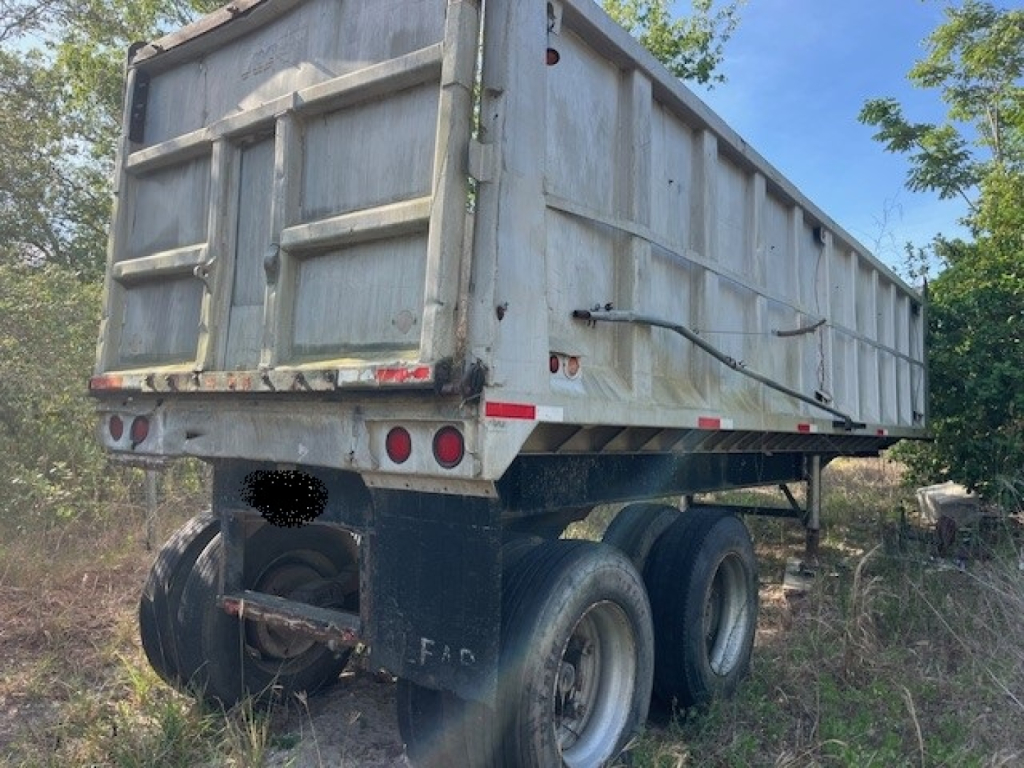
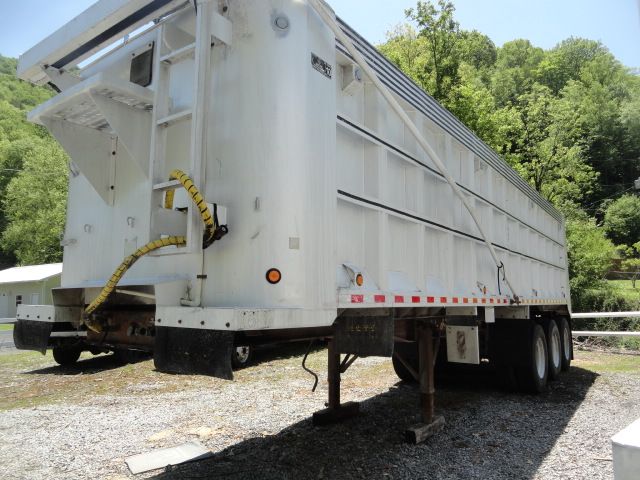
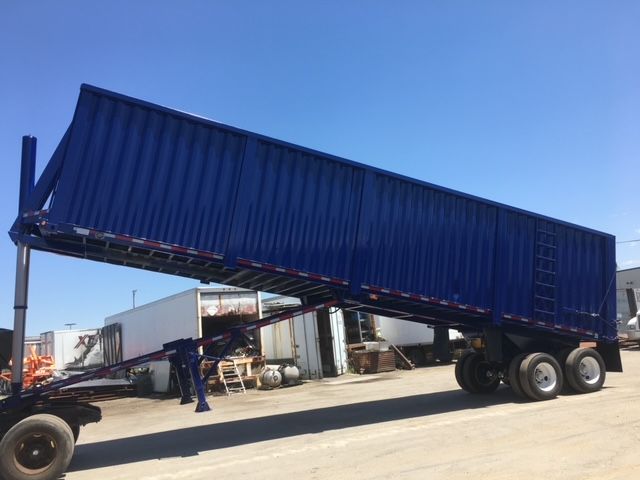
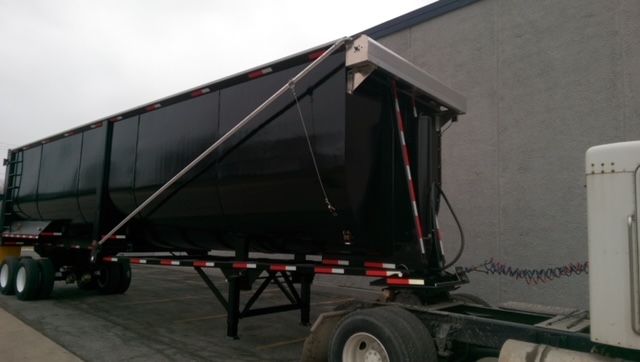
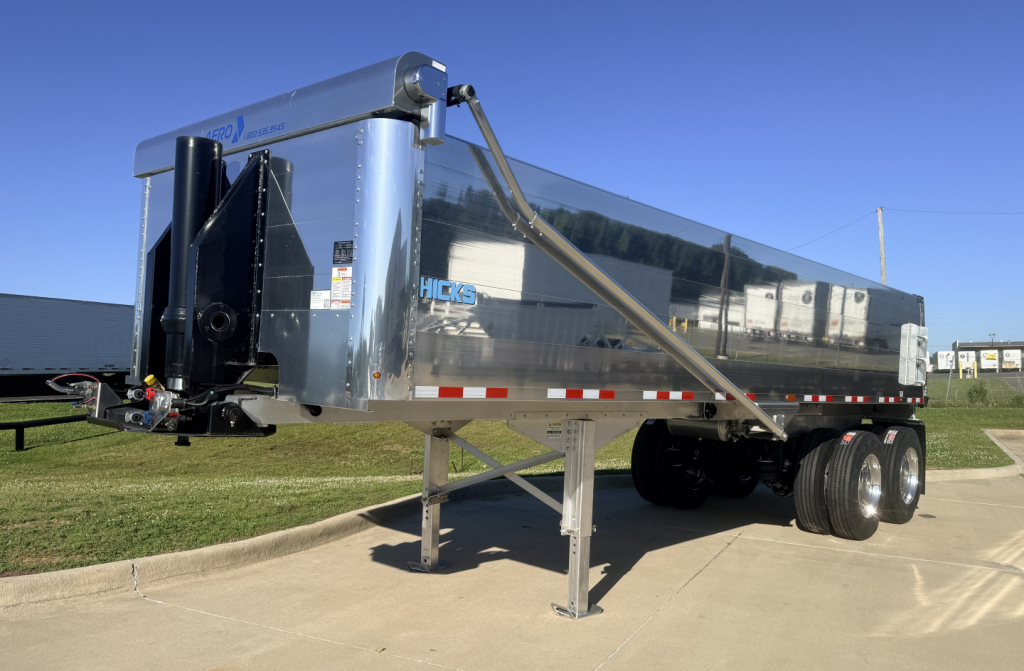
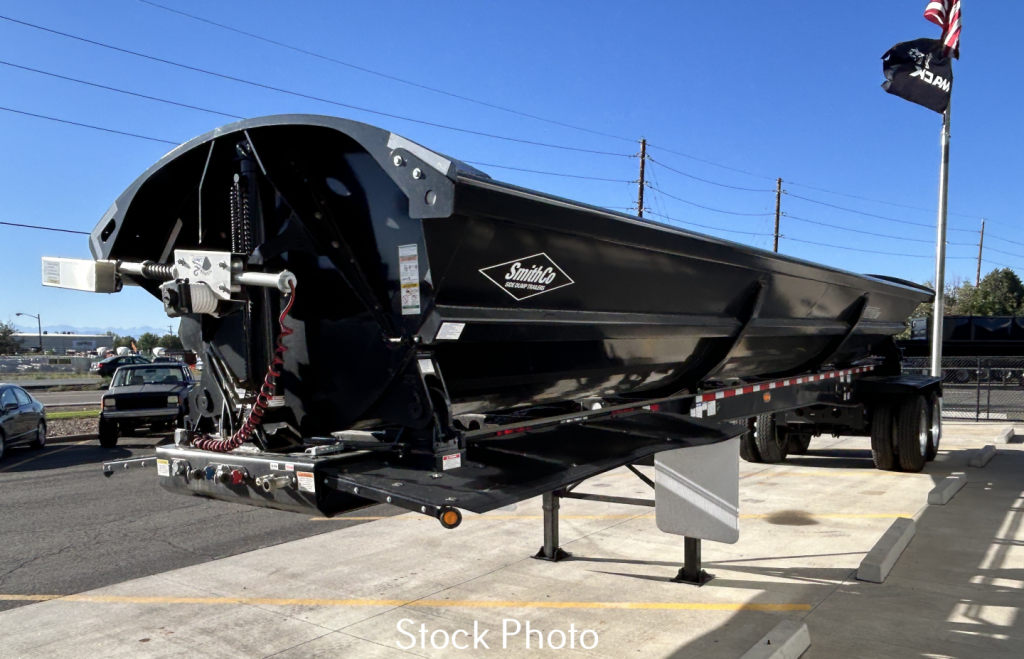
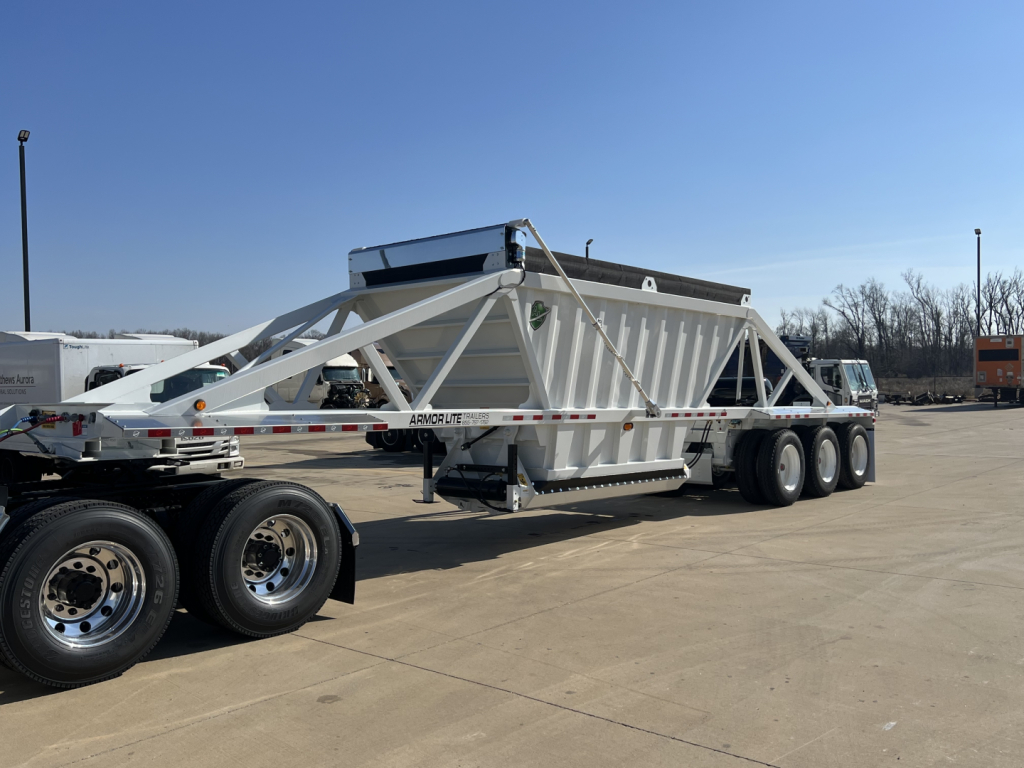
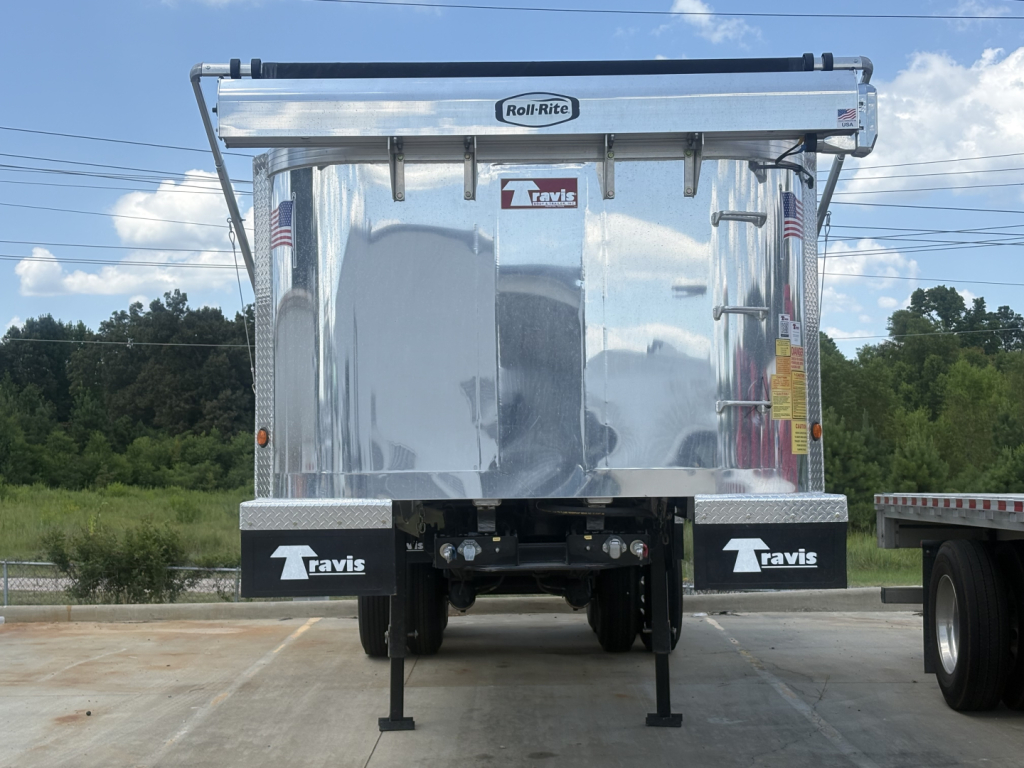
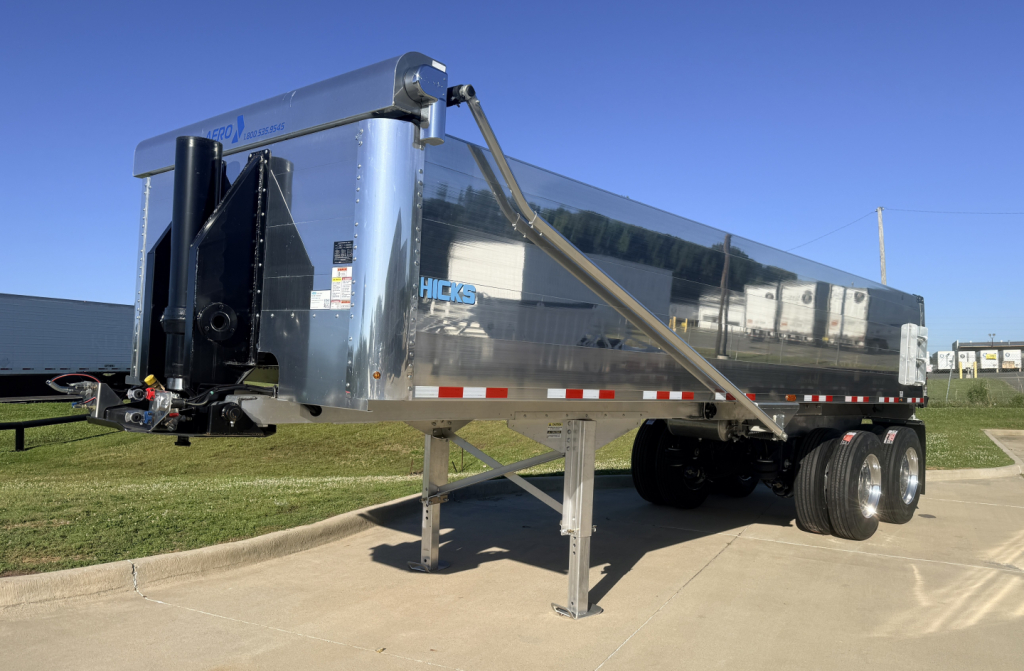
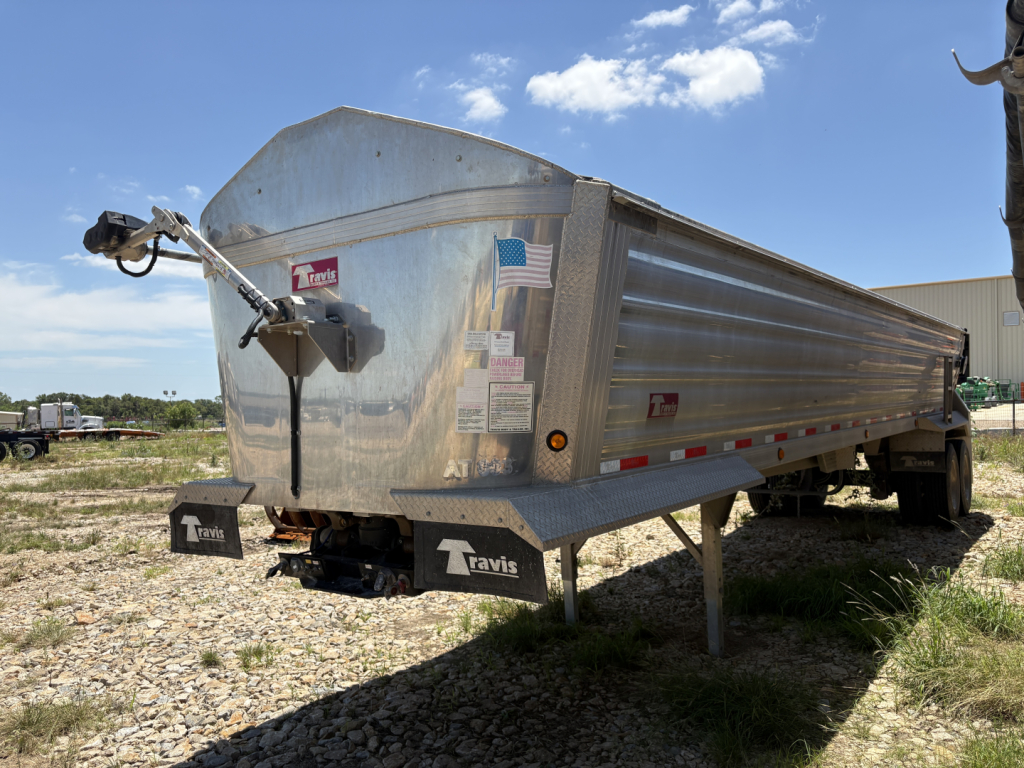
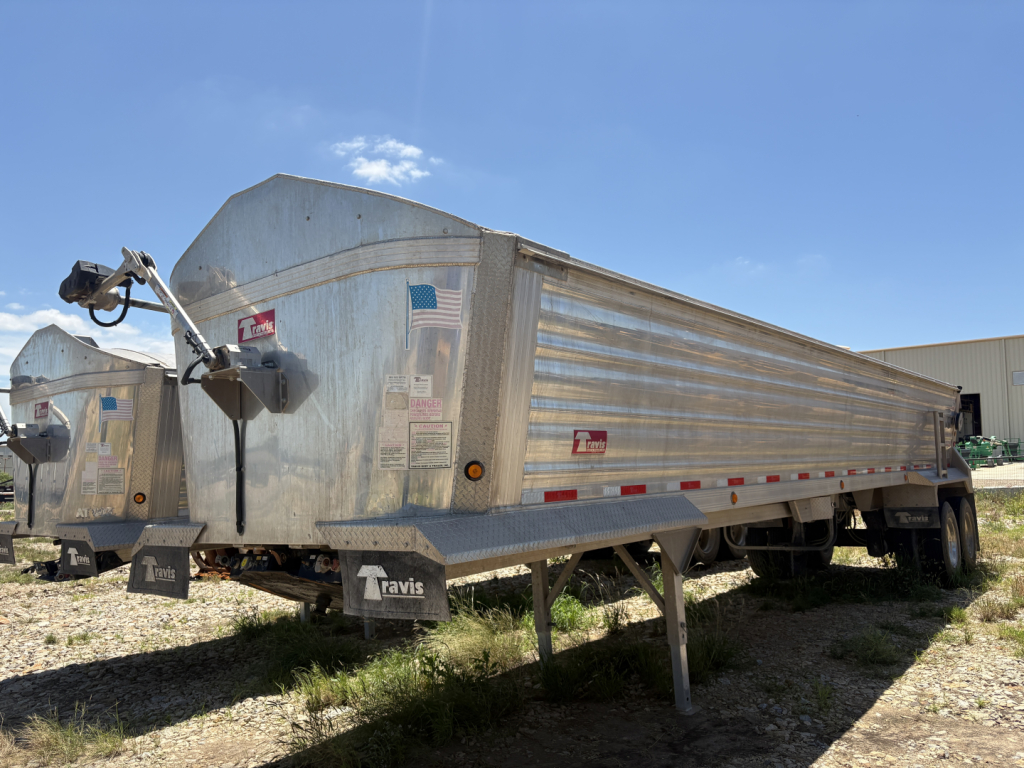
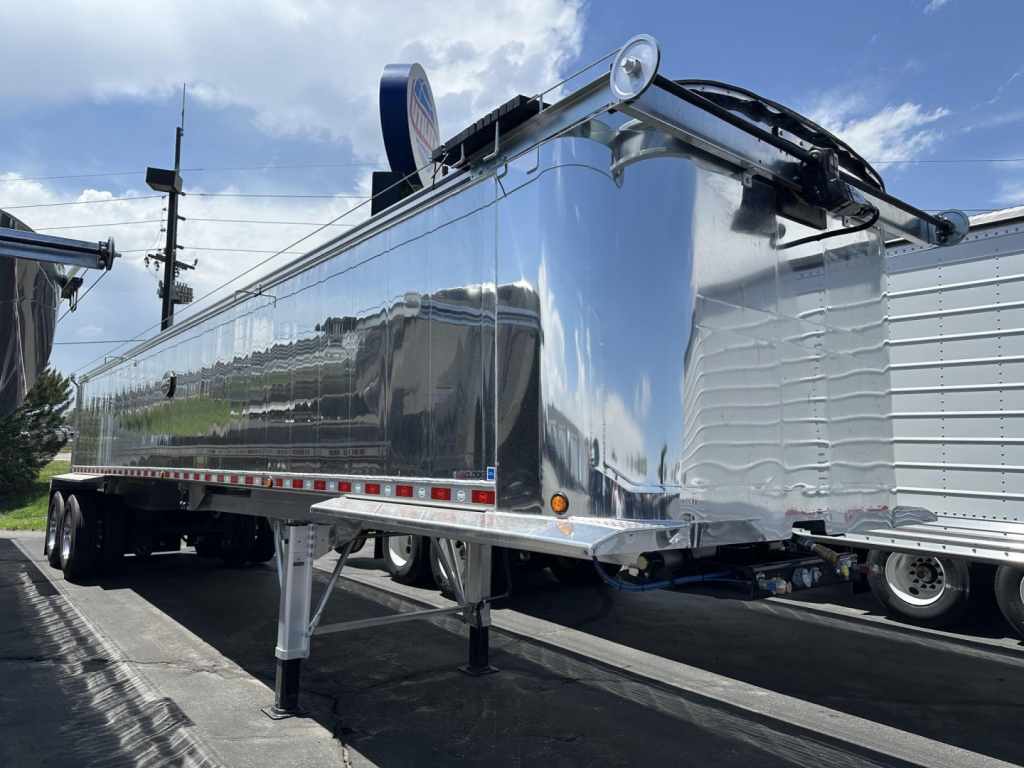
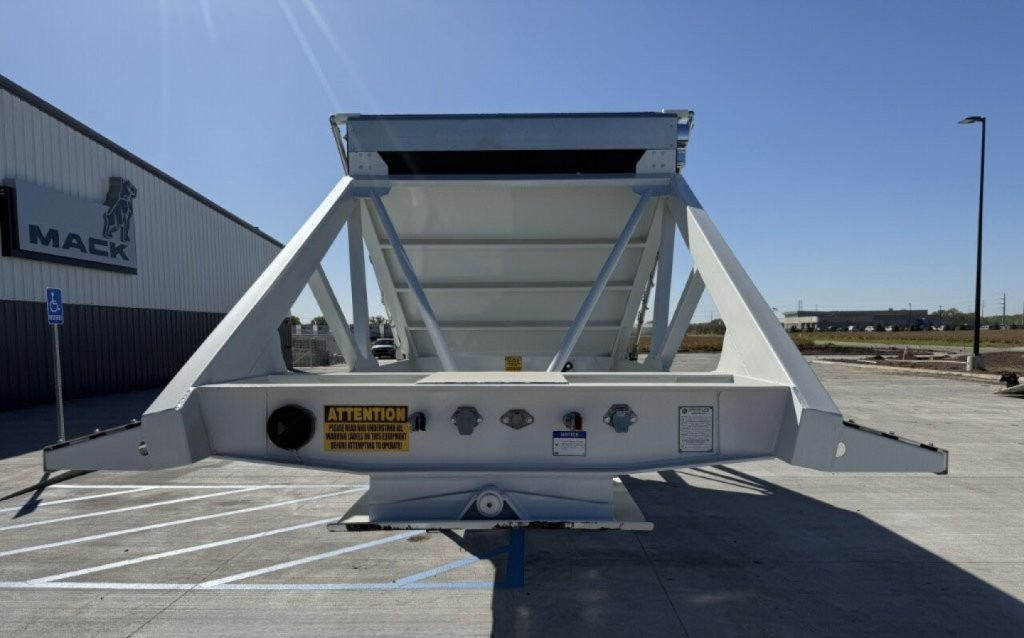
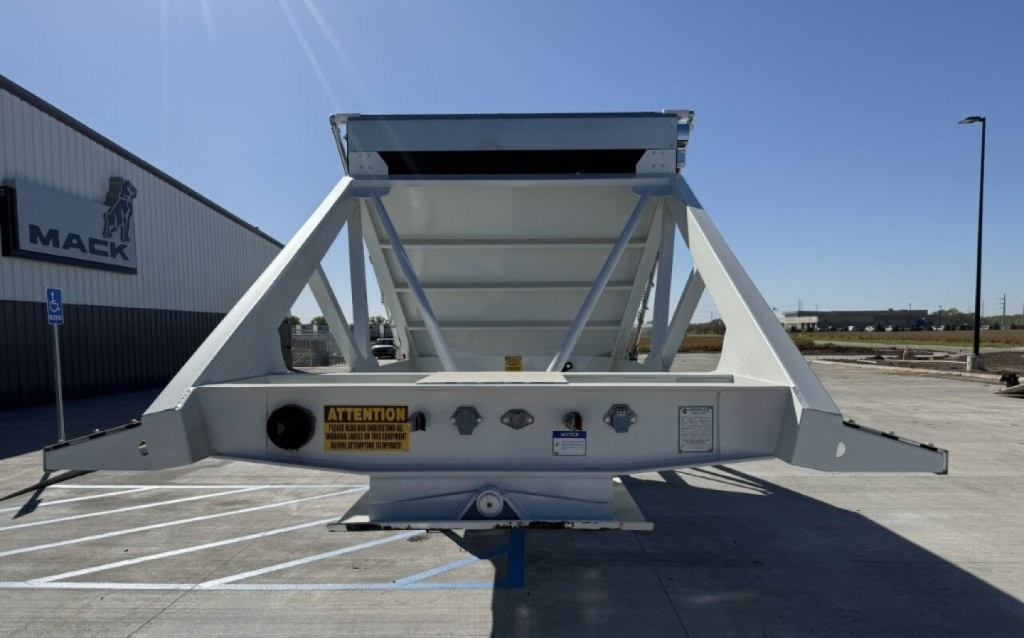
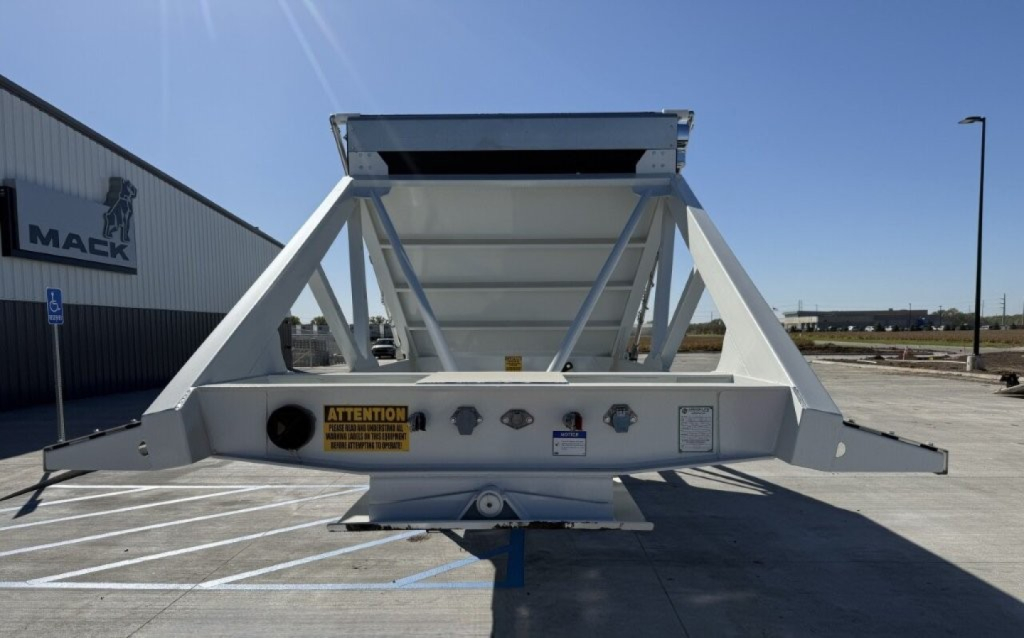
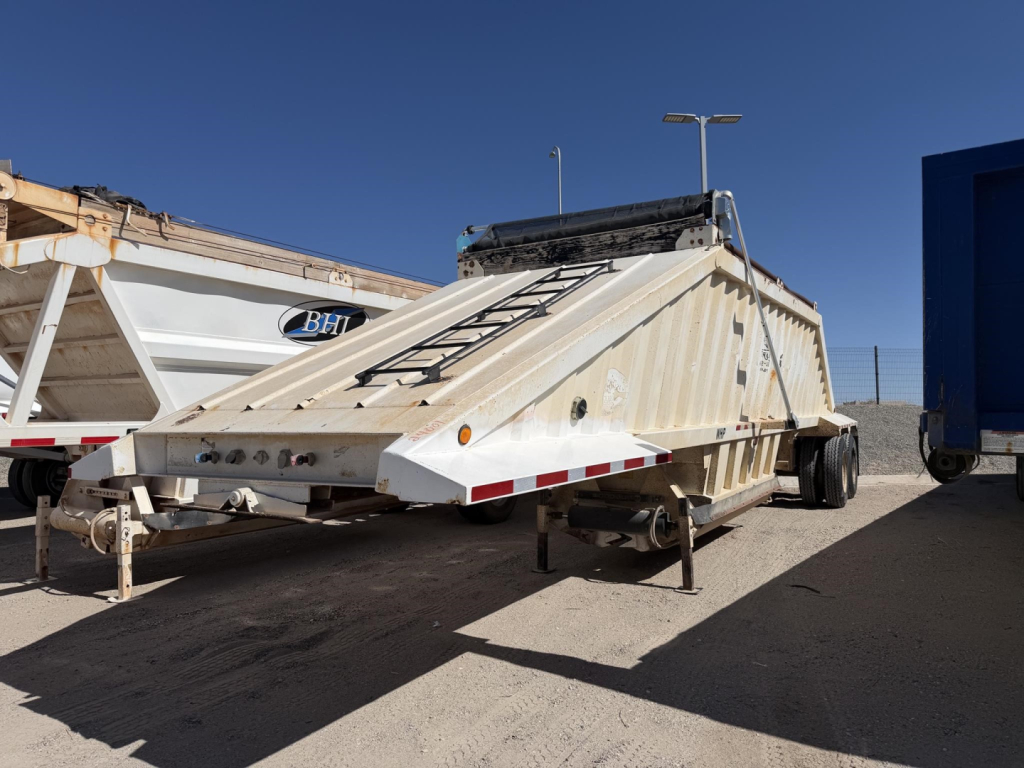
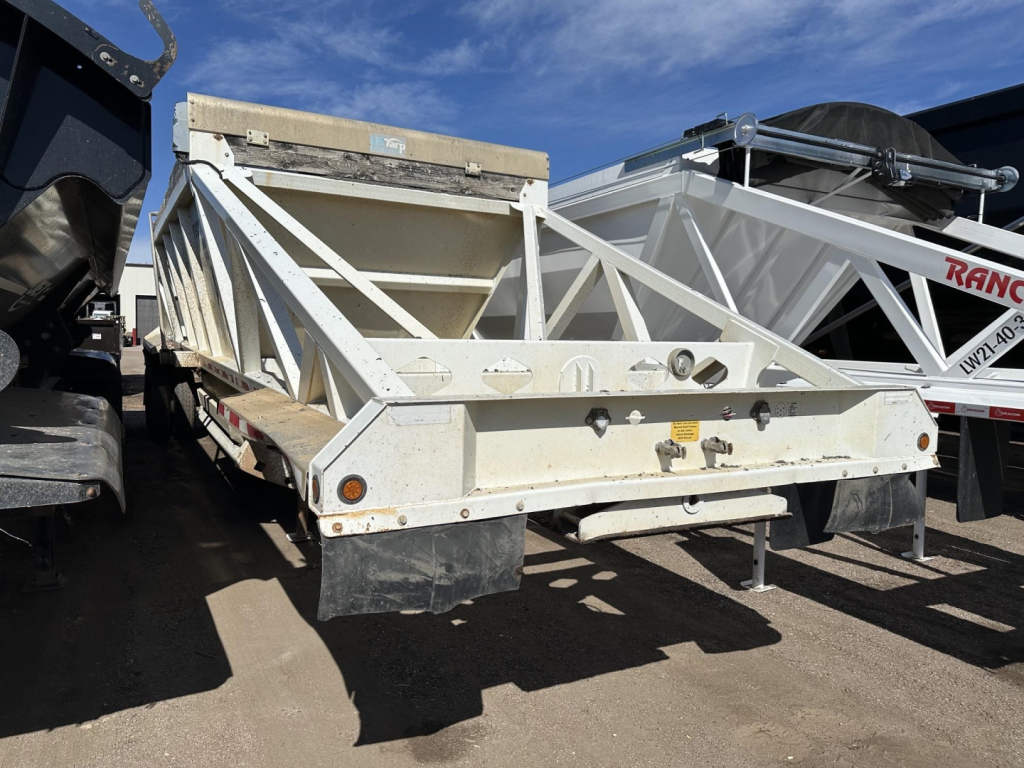
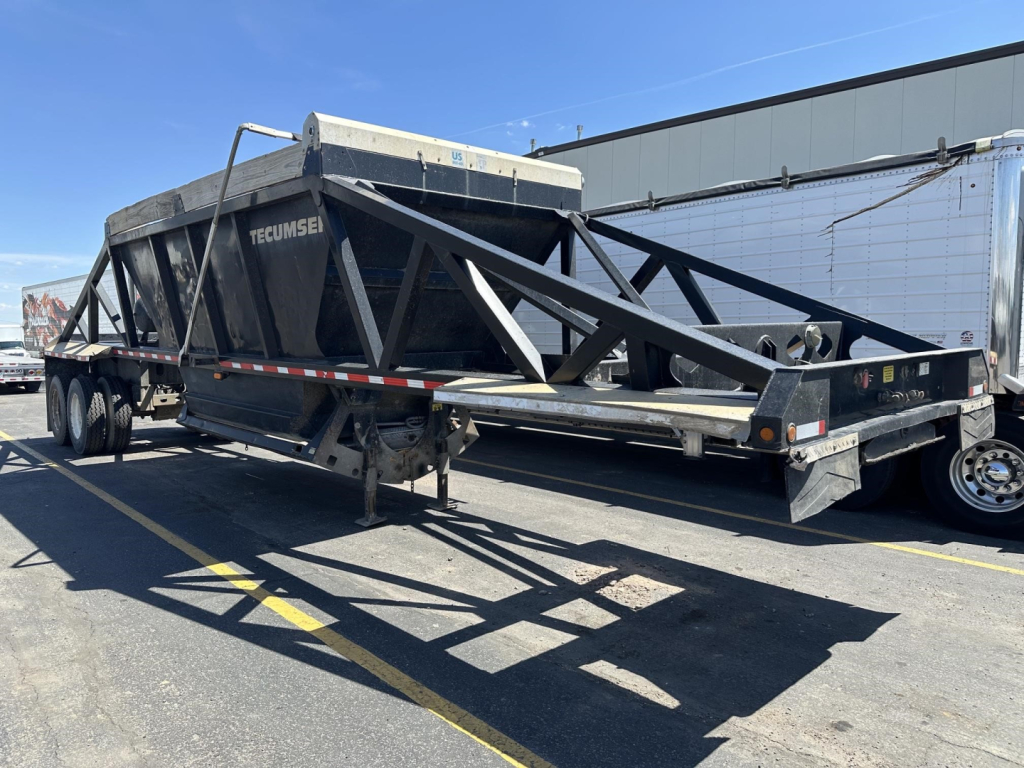
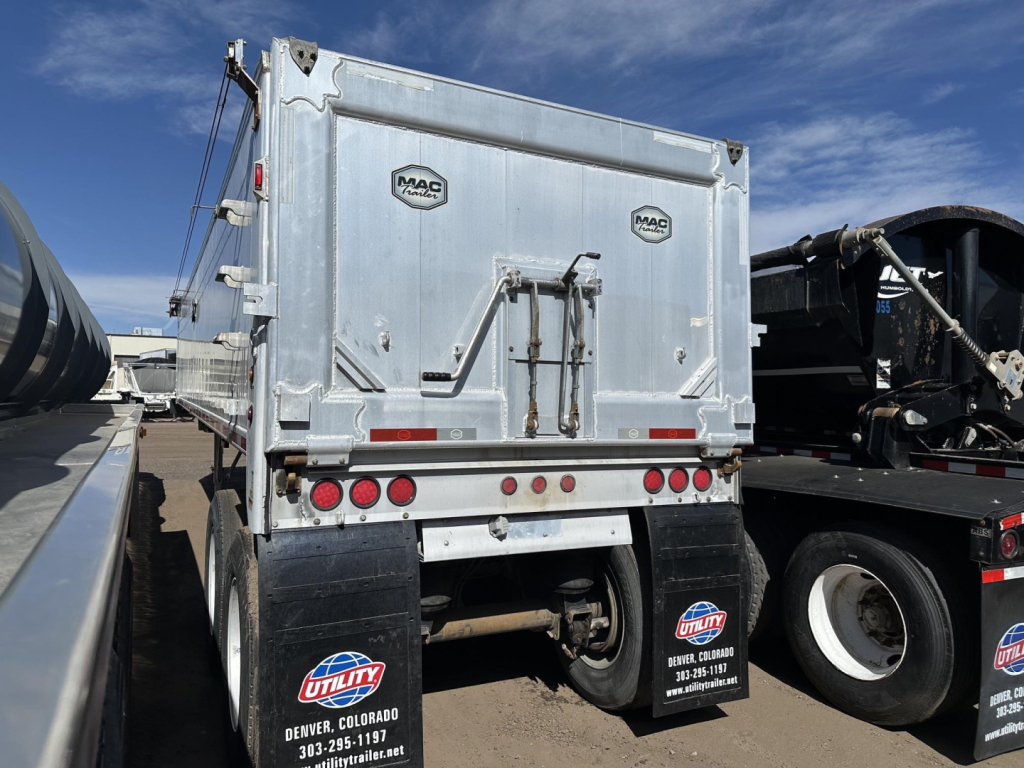
Showing 1 to 28 of 187 results
Selling a trail king dump trailer? List your trail king dump trailer for sale and reach thousands of commercial buyers.
Trail King Dump Trailers
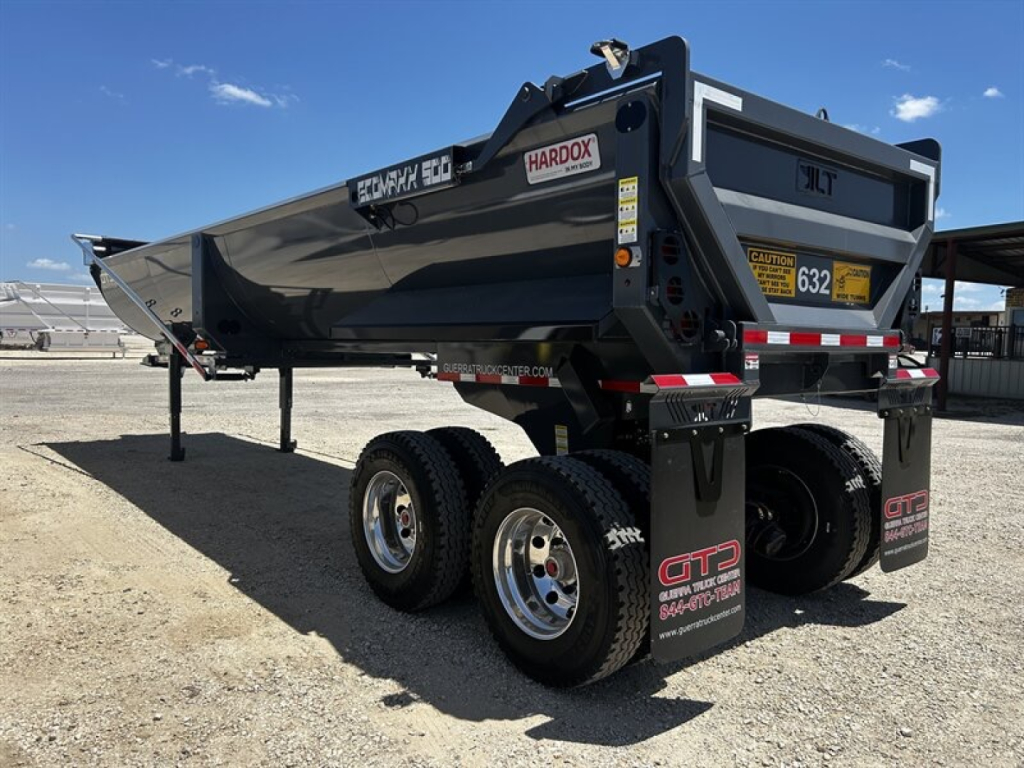
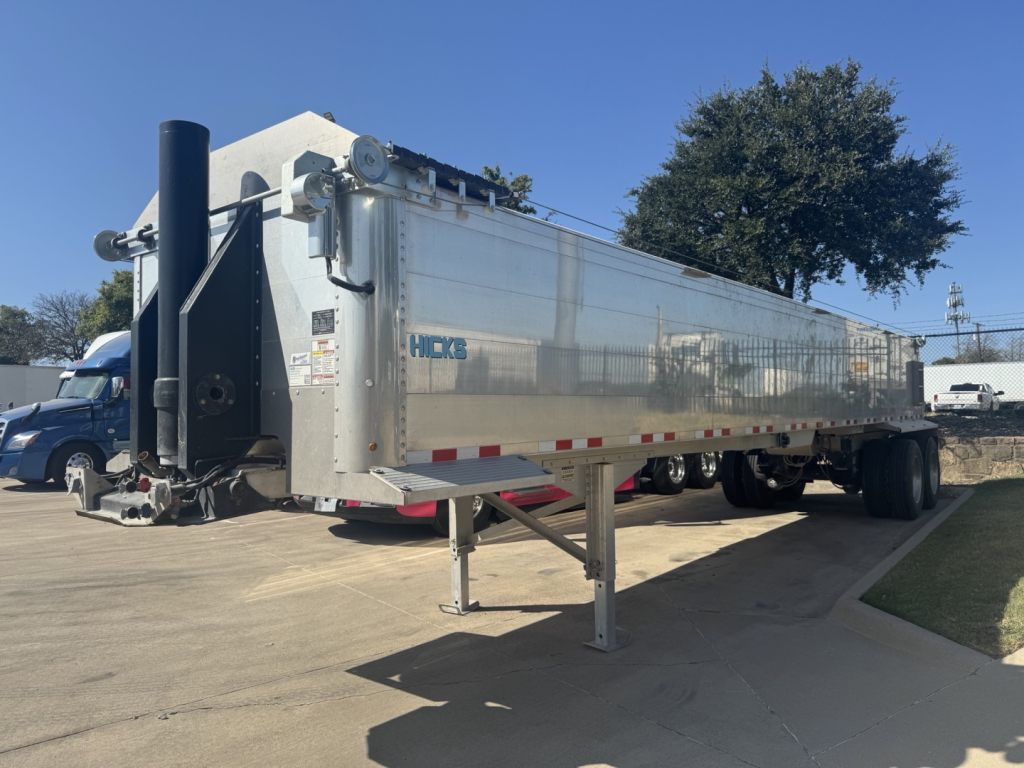
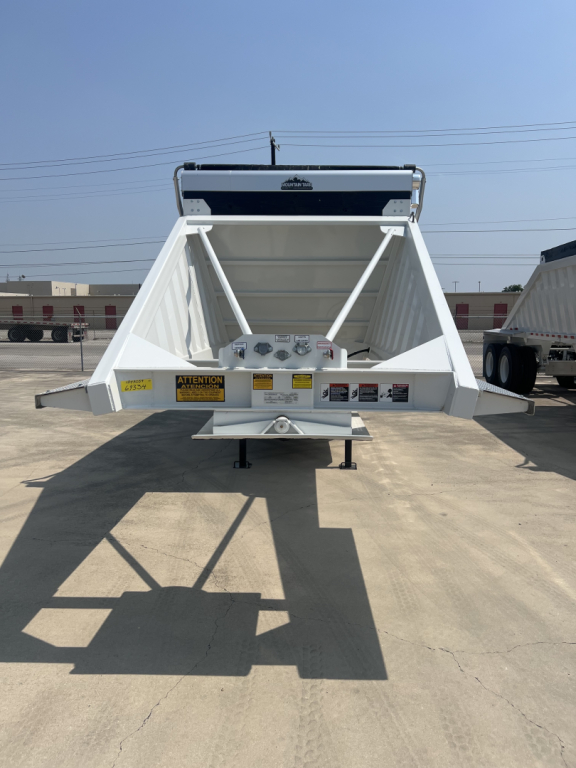
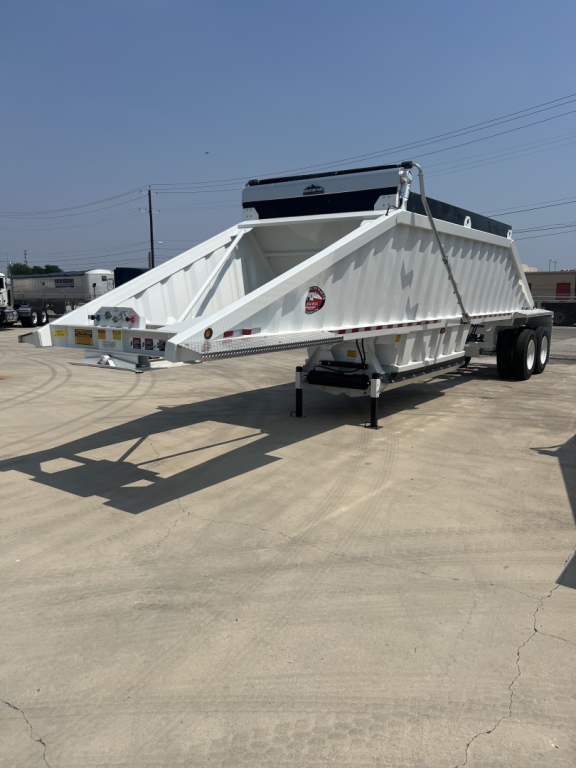
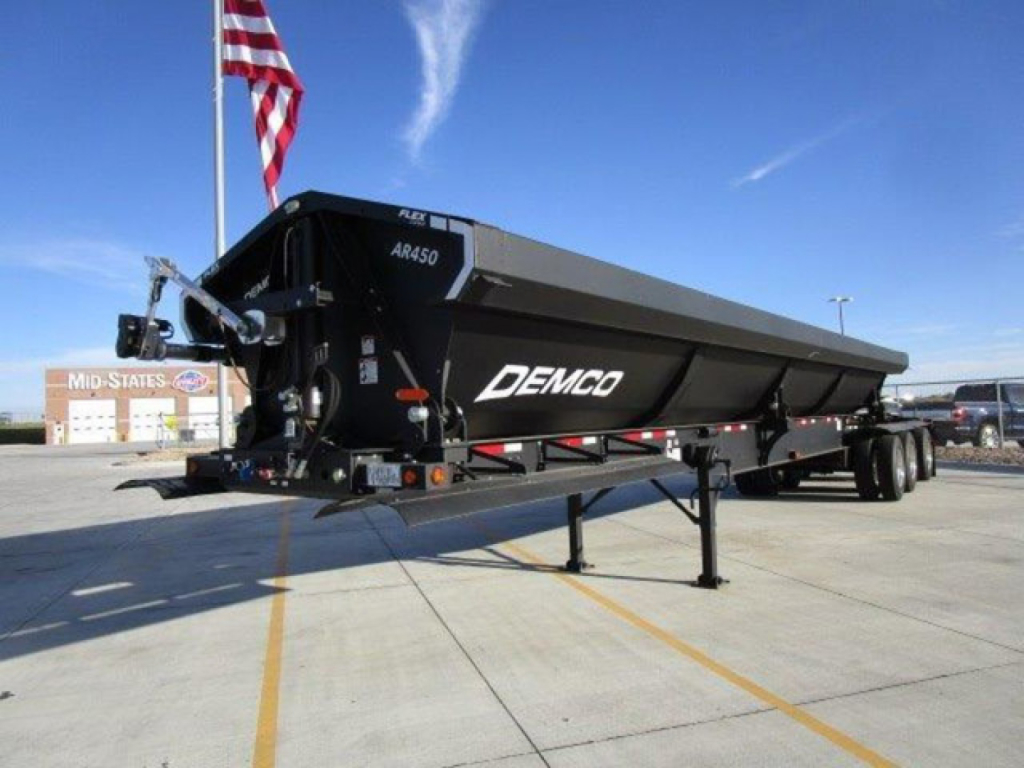
The first decision point is usually body style and gate setup. Many Trail King dump trailers in this class are steel-bodied units with a single hopper or tandem hopper arrangement, depending on the intended material and unloading pattern. Buyers should pay close attention to gate controls, including versa valves, infinite gate control, and air-operated discharge systems, because these features directly affect material flow and consistency on the job. Electric flip tarps, windrow deflectors, and heavy-duty push blocks are also common options that add value for contractors and aggregate haulers running daily jobsite cycles.
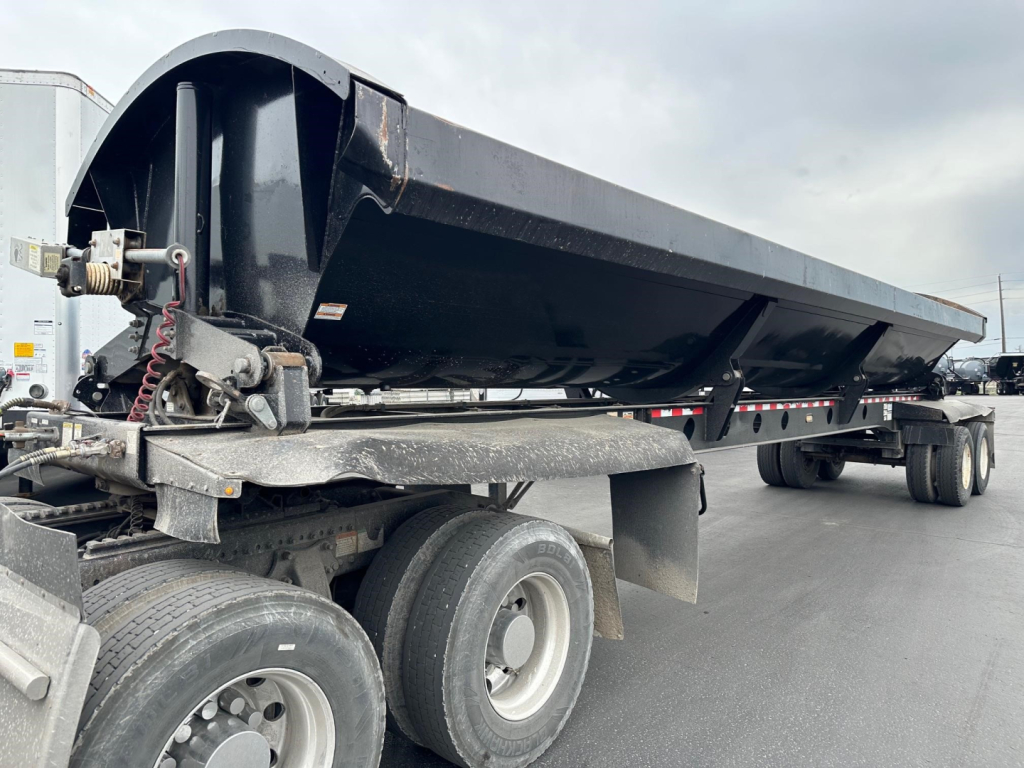
Suspension, axle layout, and tire package matter just as much as the body. Tandem axle trailers with air ride suspension are common in this category because they balance ride quality, payload stability, and reduced shock transfer to the frame. Closed tandem setups, 11R24.5 rubber, steel wheels, fenders, and standard 102-inch width are typical specs a buyer will see. Length and cubic capacity vary by model, but the right combination depends on material density, legal weight targets, and the type of roads the trailer will run. For regional work, it is worth checking kingpin setting, axle spacing, brake condition, liner wear, gate seal condition, and any evidence of floor or hopper fatigue.
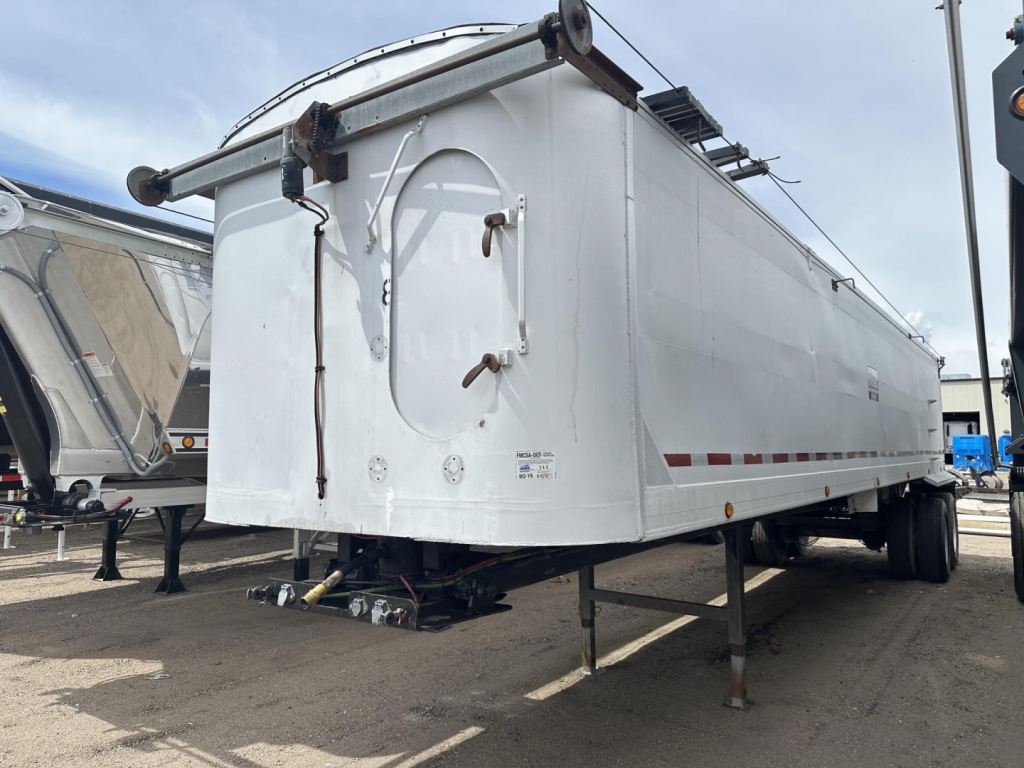
A used Trail King dump trailer should be evaluated like a revenue tool, not just a box on wheels. Inspect the hopper doors, hinge points, hydraulic or pneumatic controls, tarp system, suspension components, and frame rails for signs of hard aggregate service. Look closely at crossmembers, weld repairs, and wear around the discharge openings, especially on older steel trailers. Buyers comparing listings should also consider how the trailer matches their tractor wheelbase, typical payload, and unload environment. A well-spec'd Trail King dump trailer can be a productive choice for construction fleets, material suppliers, asphalt work, and municipal hauling where fast unload times and controlled material placement are priorities.
Frequently Asked Questions about Trail King Dump Trailers
What is a Trail King bottom dump trailer best used for?
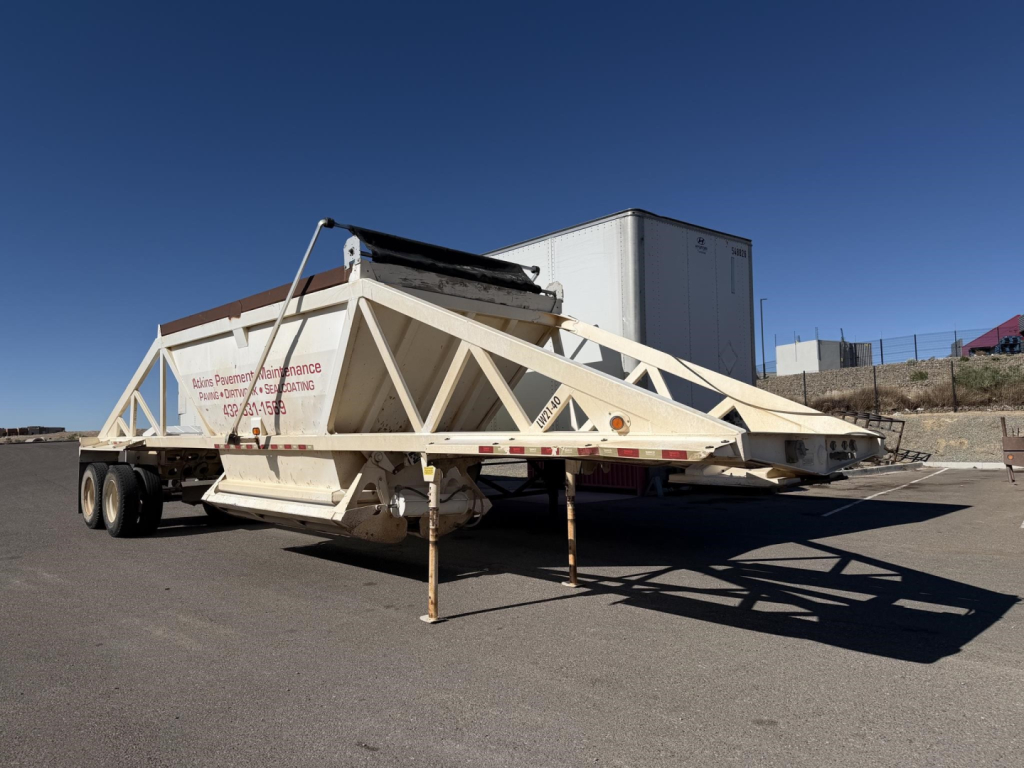
A Trail King bottom dump trailer is best suited for hauling and controlled unloading of aggregate materials such as sand, gravel, crushed rock, and road base. It is especially useful in paving, road building, and site development because the hopper gates allow the operator to place material in a windrow or measured spread pattern instead of creating one large pile. That makes loading equipment more efficient and reduces extra handling on the ground.
What should I inspect first on a used Trail King dump trailer?
Start with the hopper structure, gate operation, and frame integrity. Check the discharge doors for smooth movement, proper sealing, and wear at hinges and linkage points. Then inspect crossmembers, welds, floor condition, suspension, axle alignment, brakes, and tire wear. On trailers used in aggregate service, it is common to see fatigue near the hopper openings and stress around high-load areas, so those spots deserve extra attention.
Is air ride suspension a good choice on a dump trailer?
Air ride suspension is a common and practical choice on dump trailers, especially for operators running mixed highway and jobsite miles. It helps reduce shock loading to the trailer frame and body, can improve ride quality, and often supports better material stability during transport. Buyers should still inspect air bags, height control valves, torque arms, and related components because suspension condition has a direct effect on tire wear and handling.
How do single hopper and multiple hopper dump trailers differ?
A single hopper trailer has one main discharge opening, while a multiple hopper design divides the body into separate discharge sections. A single hopper setup is straightforward and works well for many aggregate applications. Multiple hopper designs can offer more control over unload distribution and may better suit certain spreading or material management jobs. The best choice depends on the type of material, the desired unload pattern, and how precise the placement needs to be.
Are steel dump trailers better than aluminum for this type of work?
Steel dump trailers are often preferred for severe-duty aggregate and construction service because they generally tolerate abrasion, impact, and rough loading conditions well. Aluminum can reduce tare weight, but steel remains a common choice when durability and long-term resistance to hard use are the top priorities. The right answer depends on payload goals, material type, and how aggressive the operating environment is.