
Dump Trailers For Sale in South Dakota
Shop dump trailers for sale in South Dakota, including end dumps and side dumps built for aggregate, demolition, grain, and jobsite hauling.
No exact matches found for your search
Showing Dump Trailers instead.
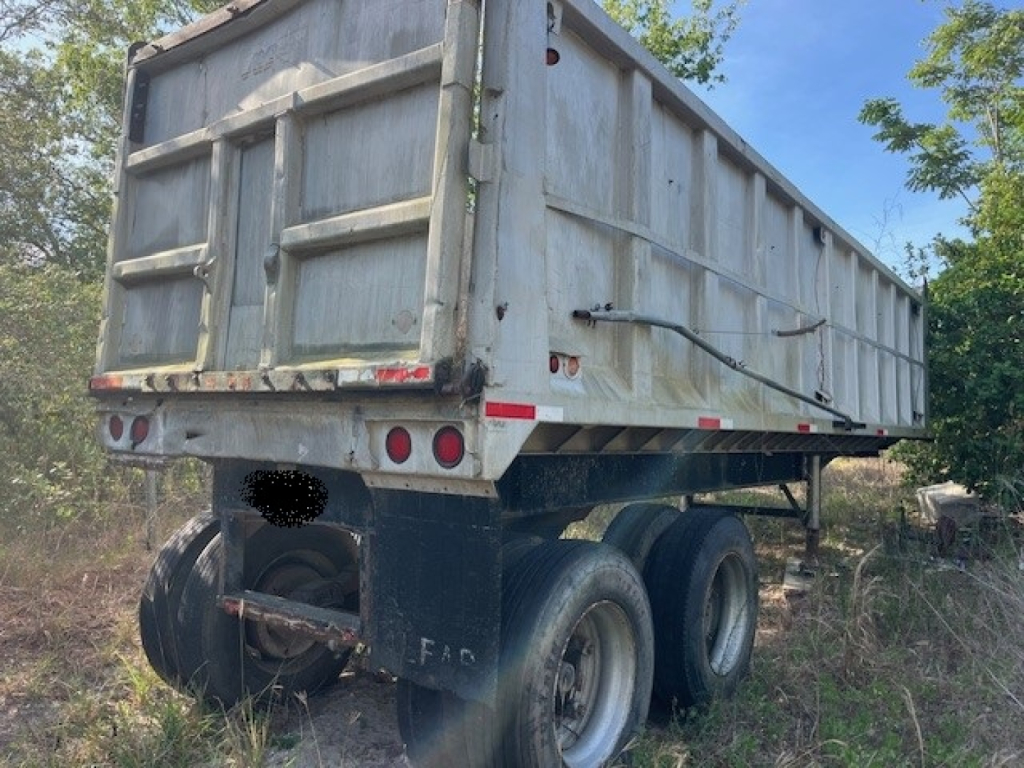
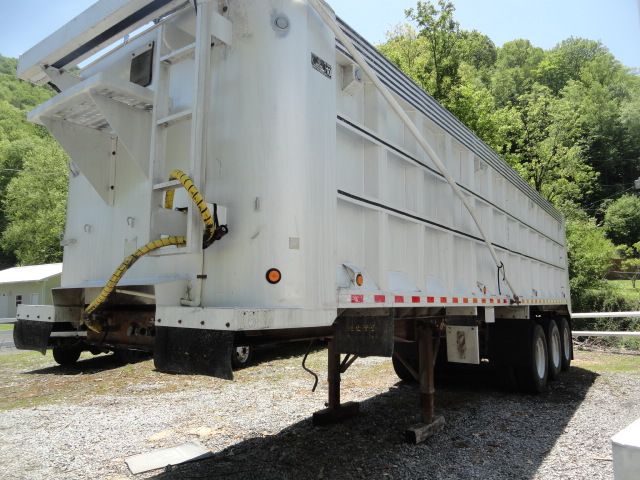
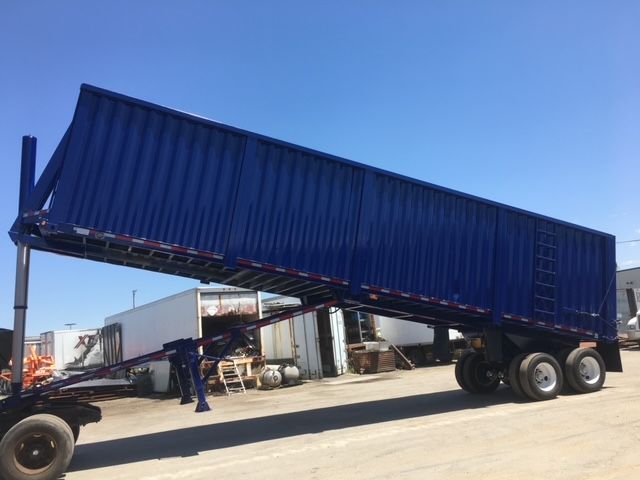
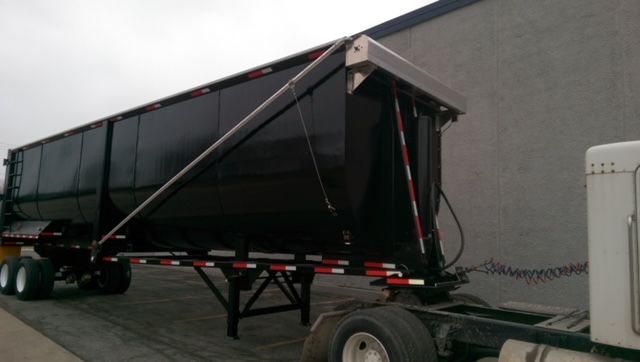
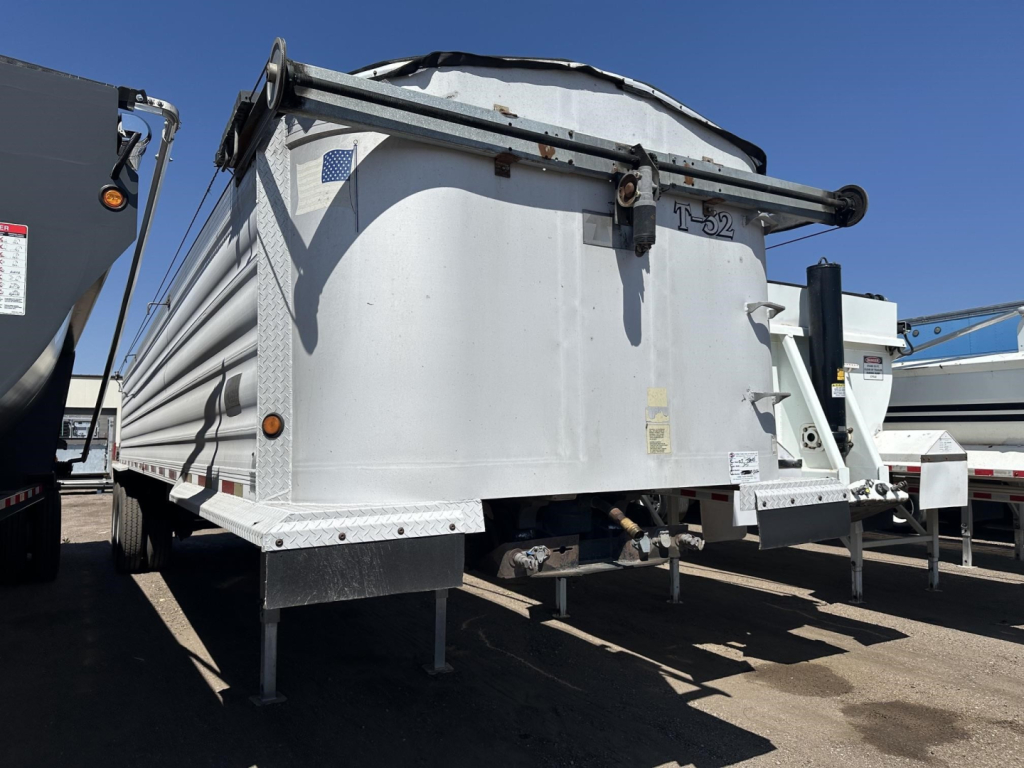
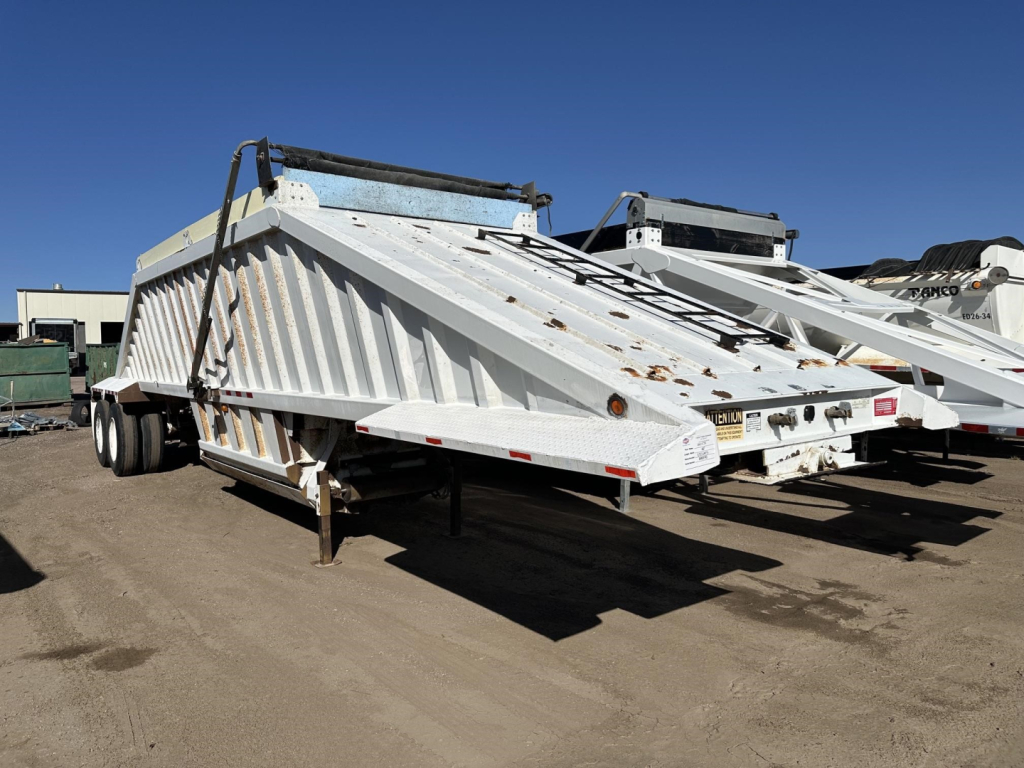
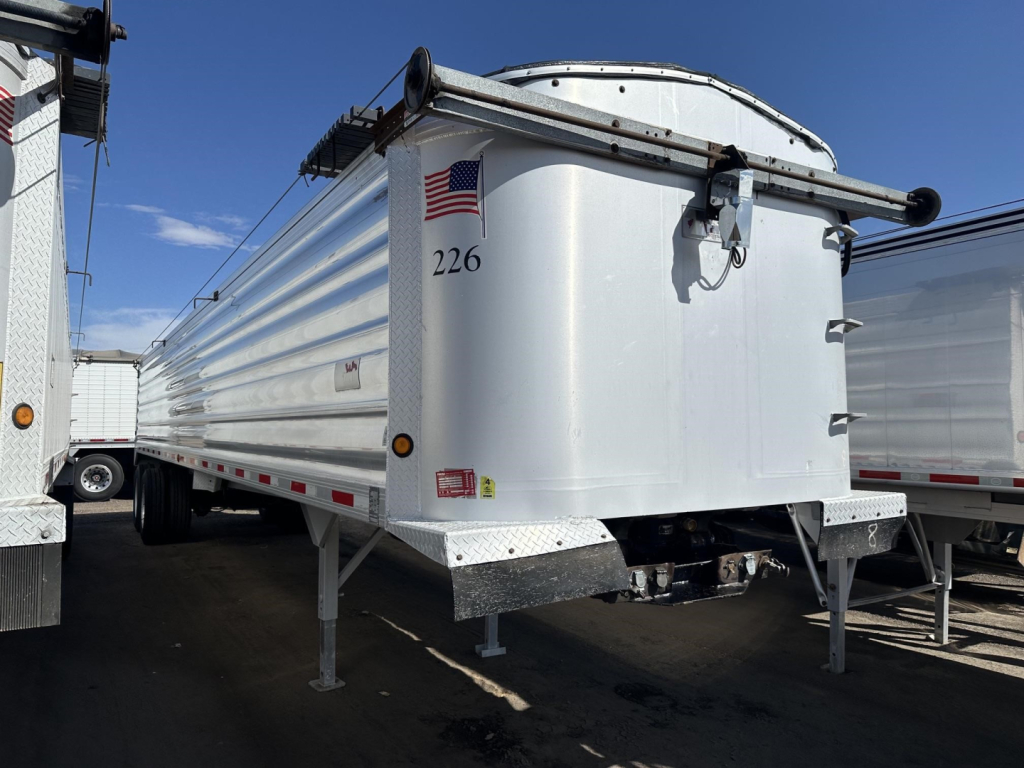
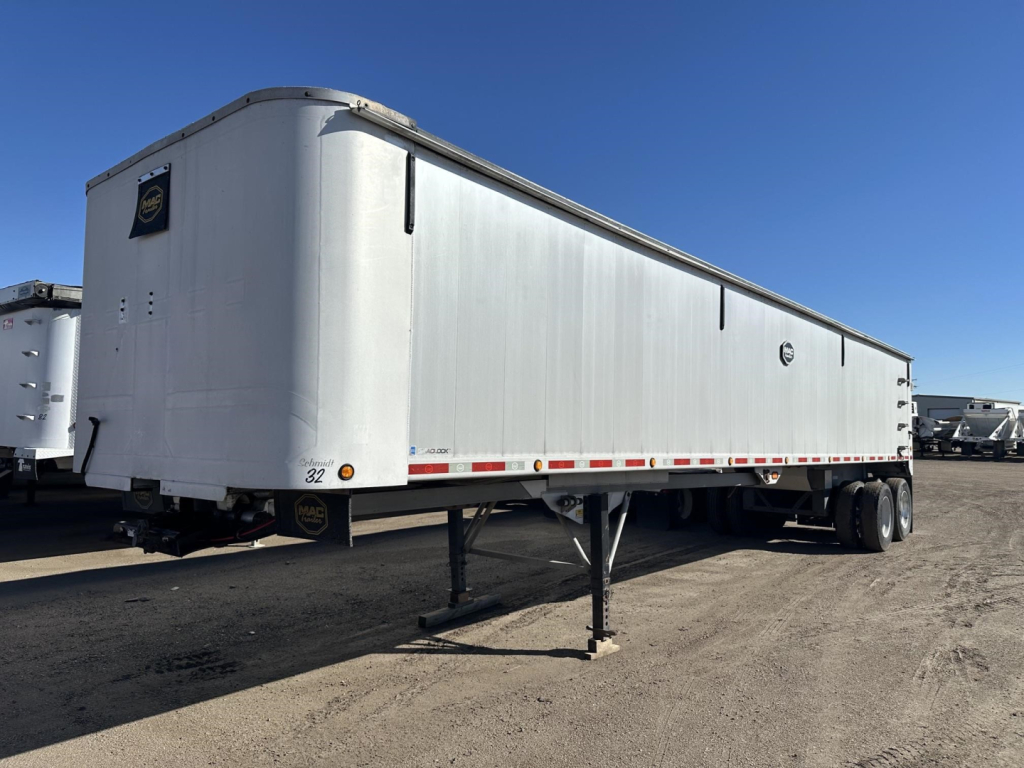
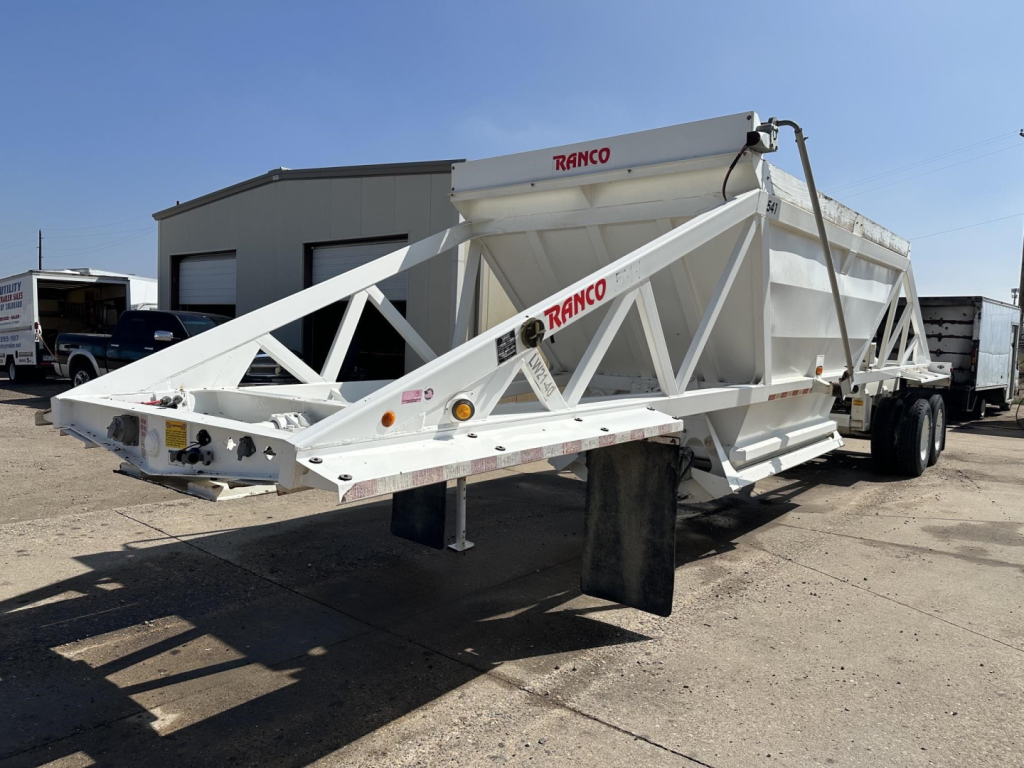
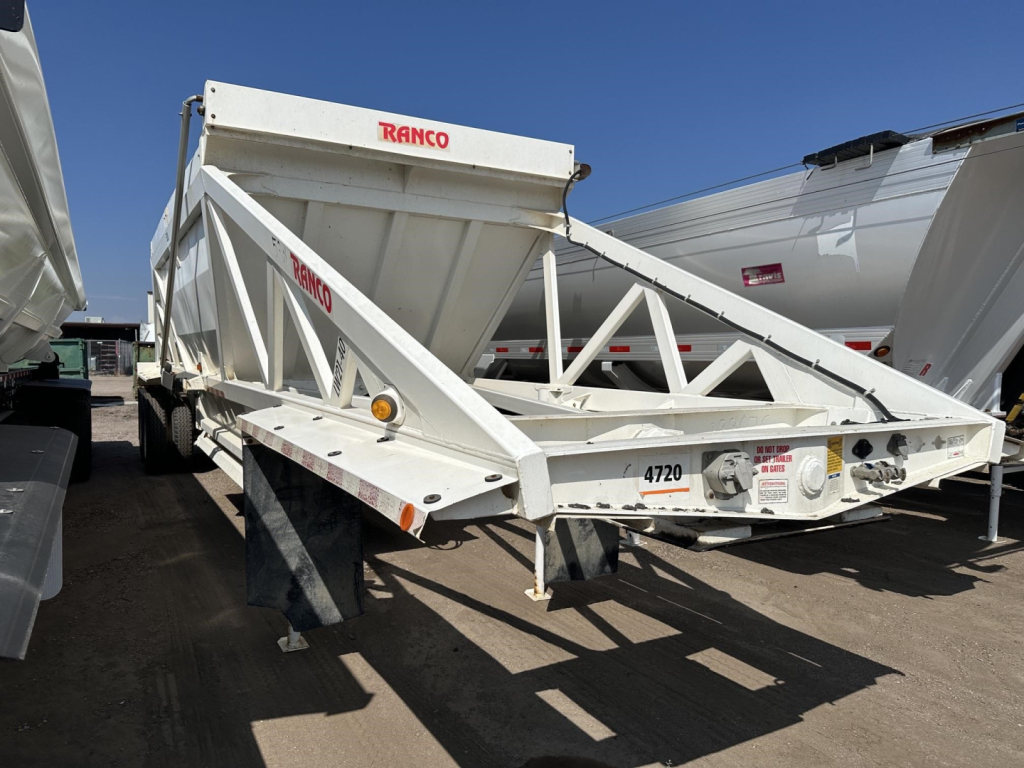
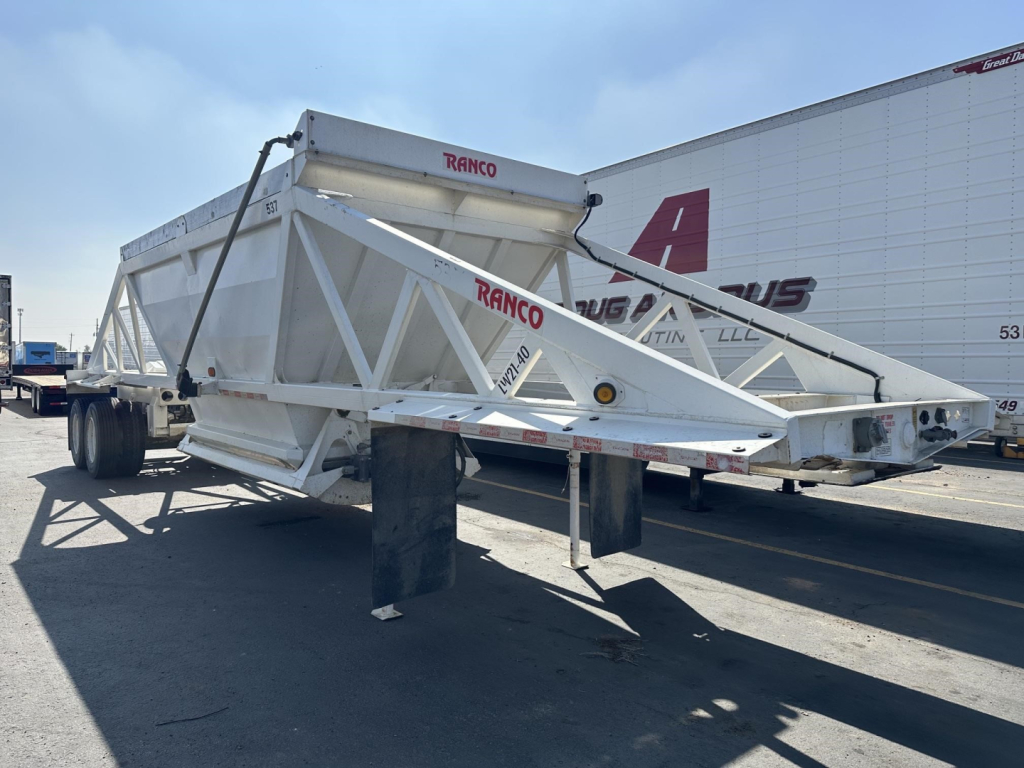
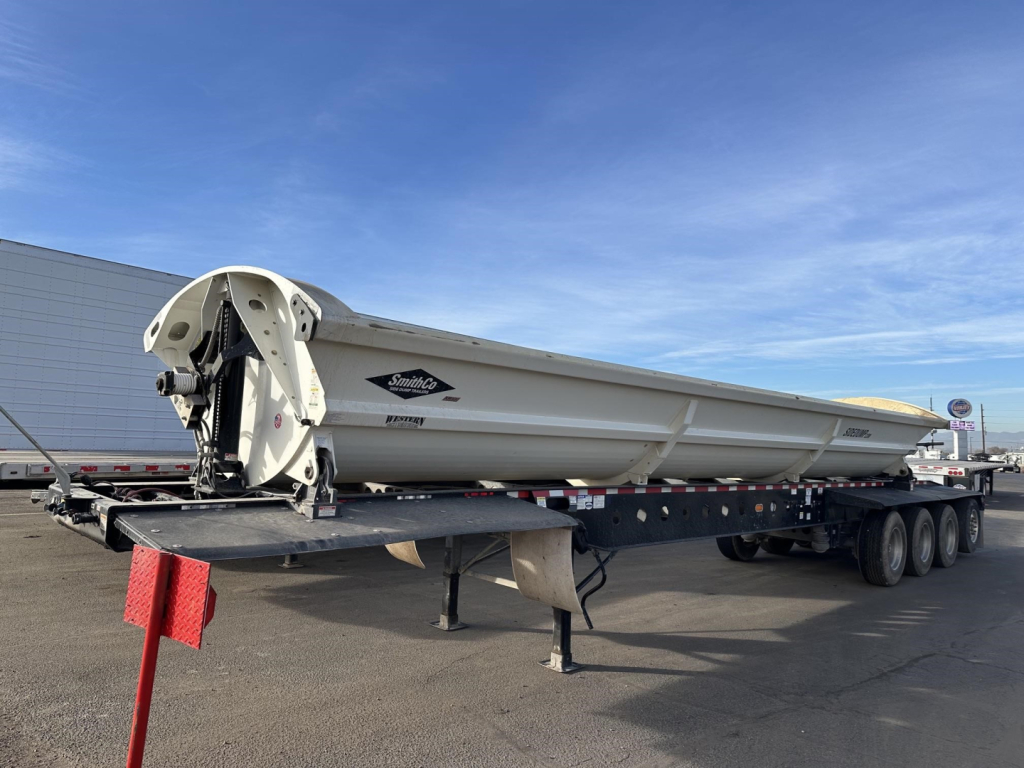
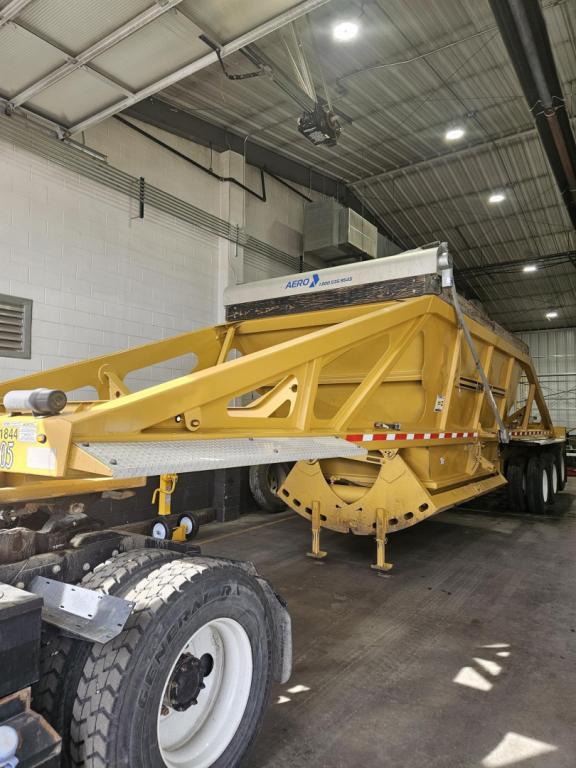
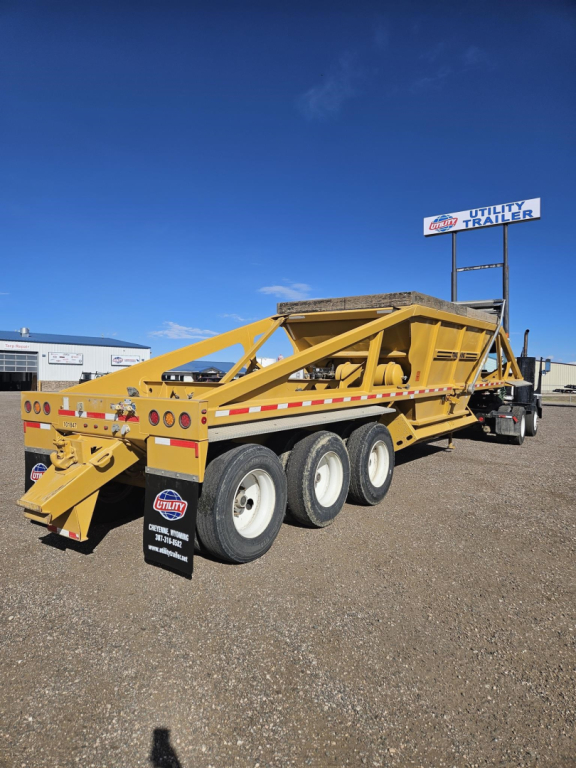
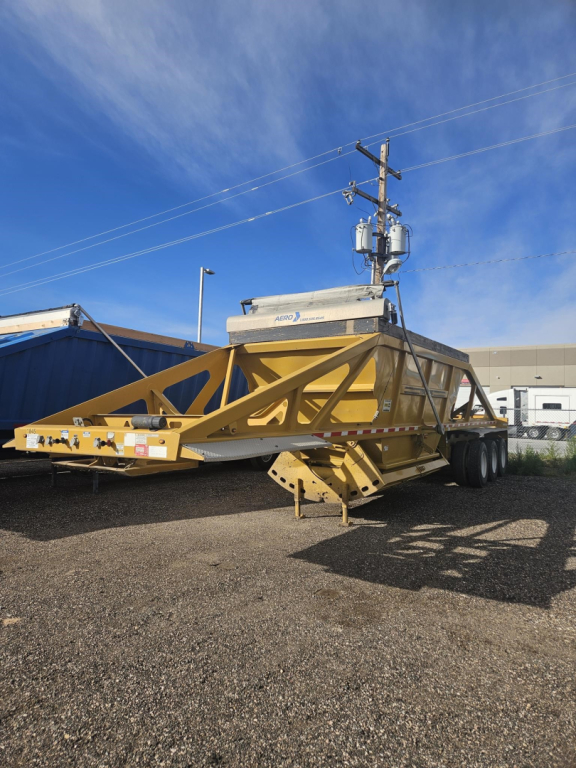
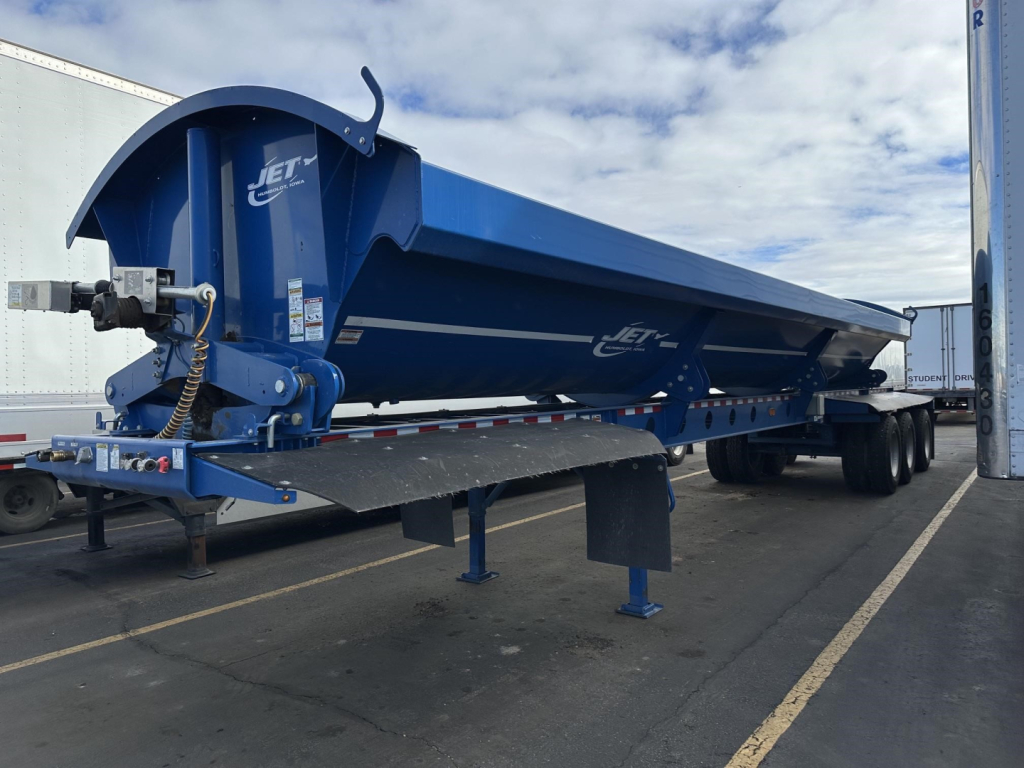
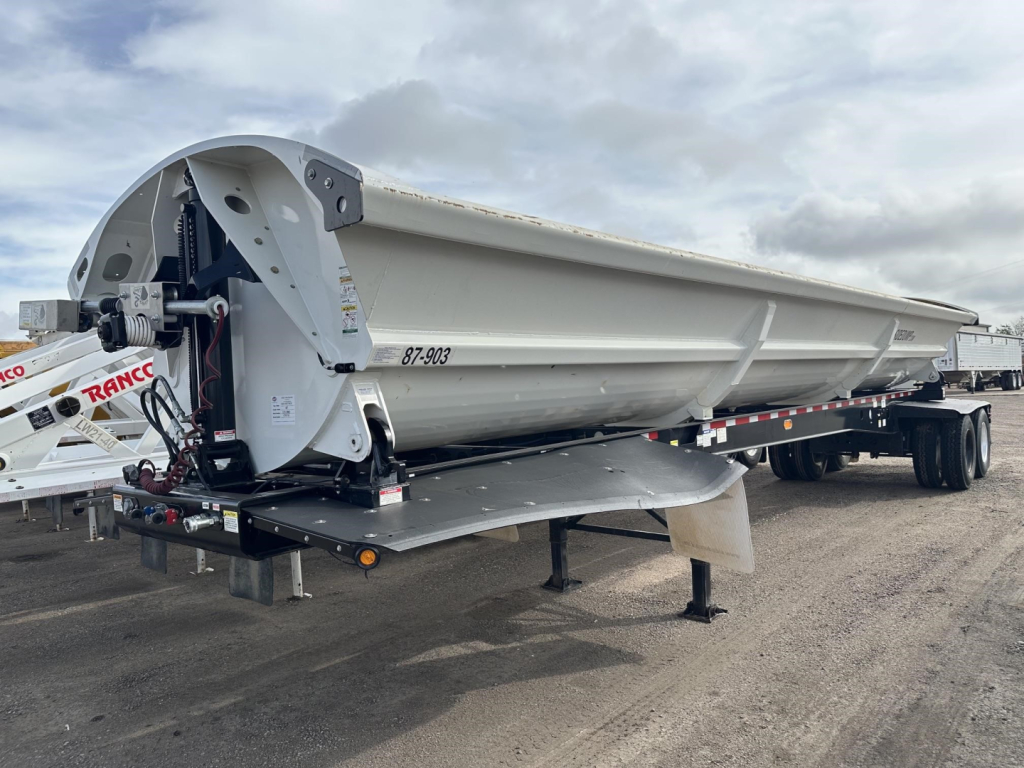
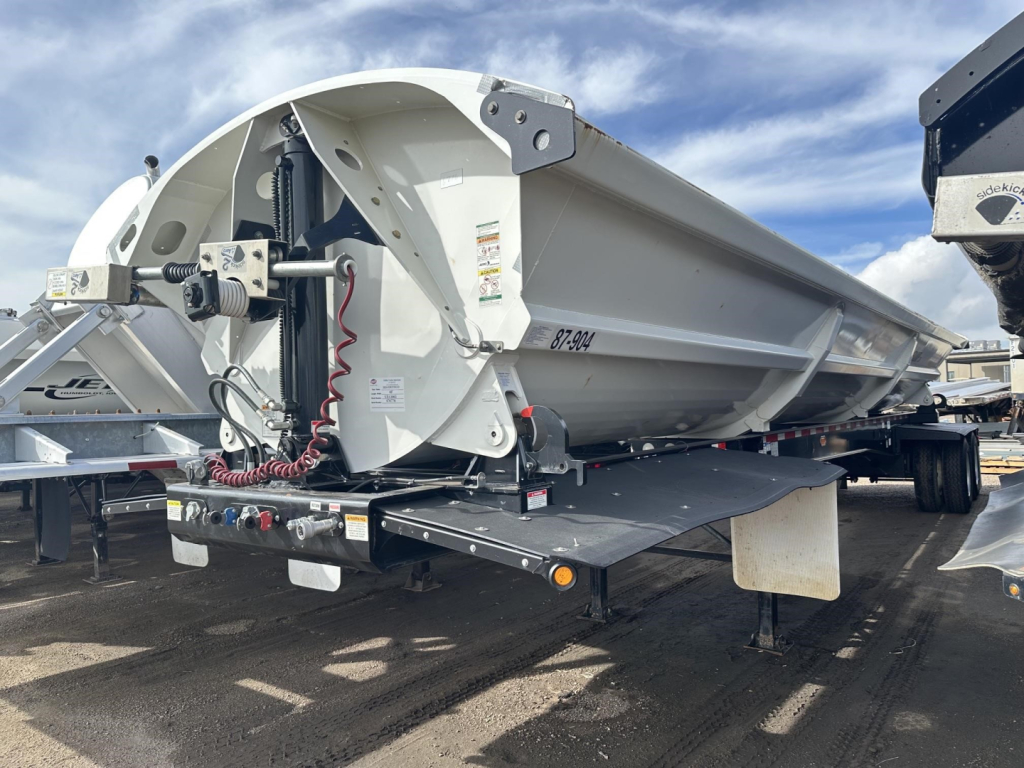
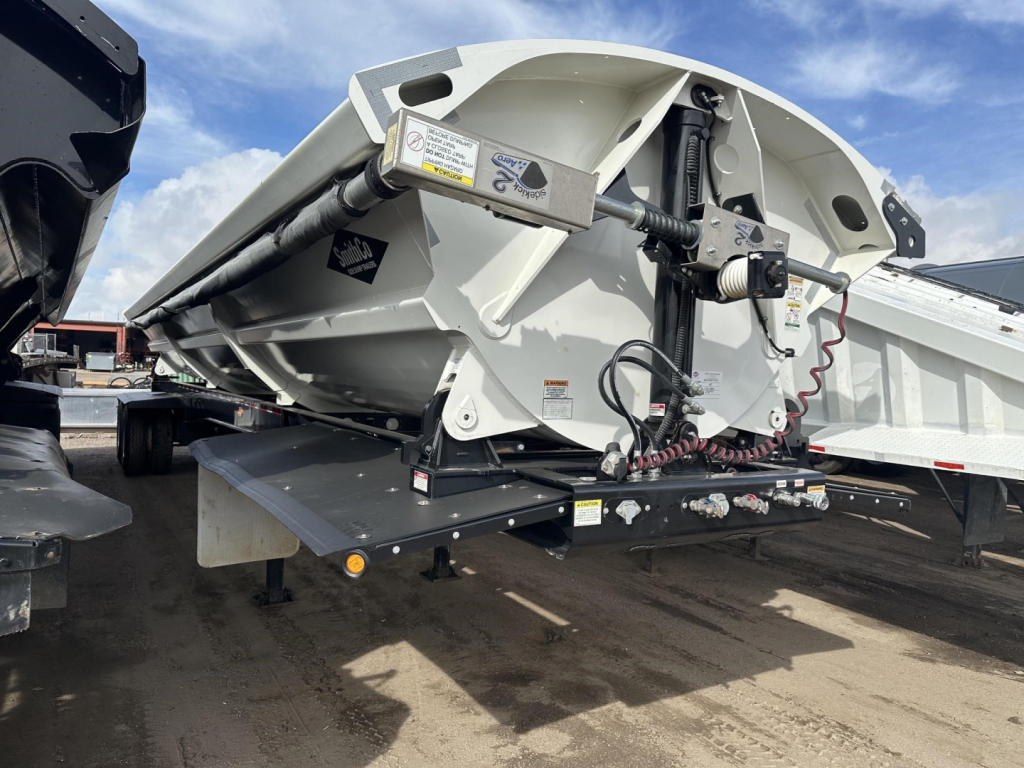
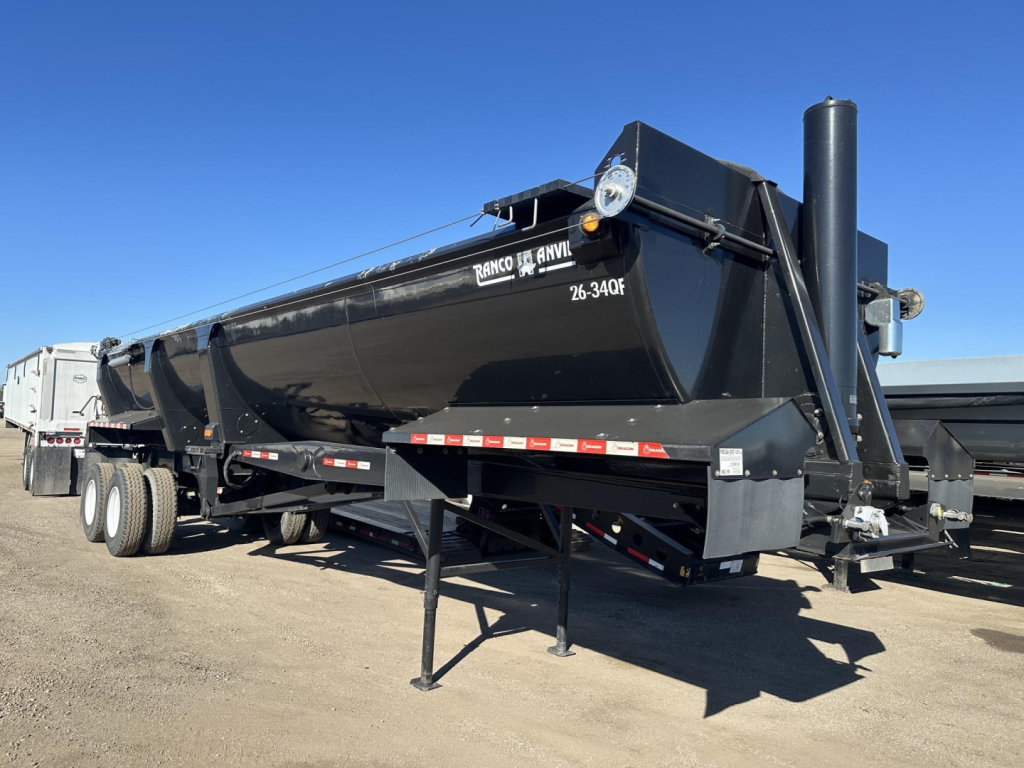
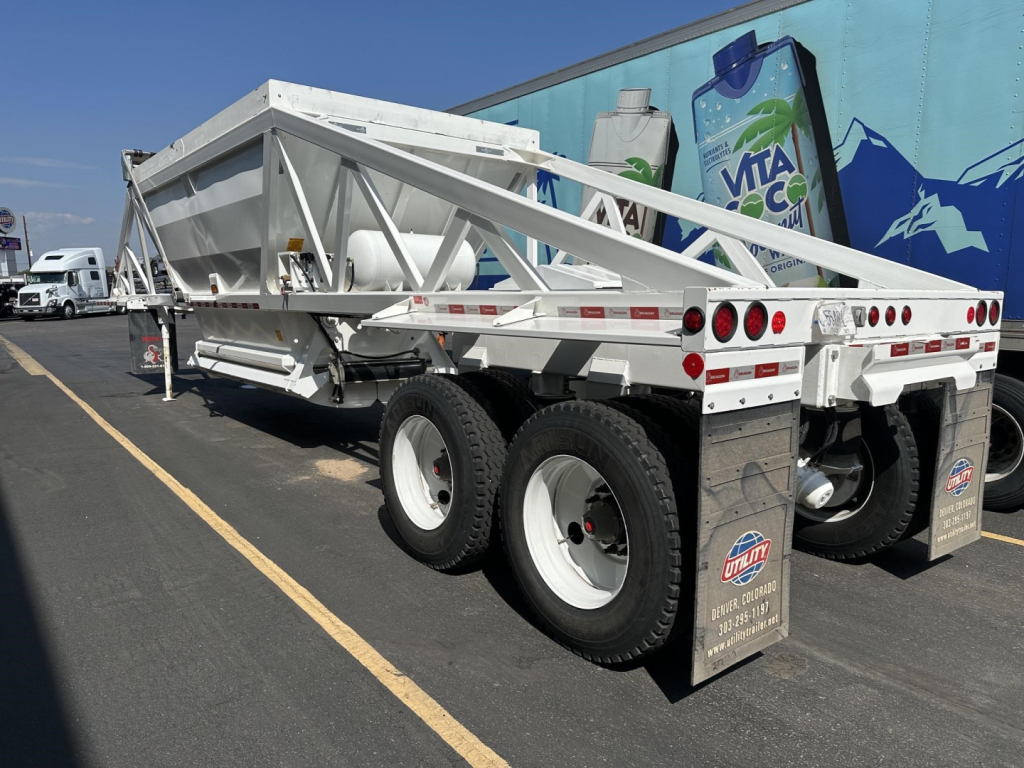
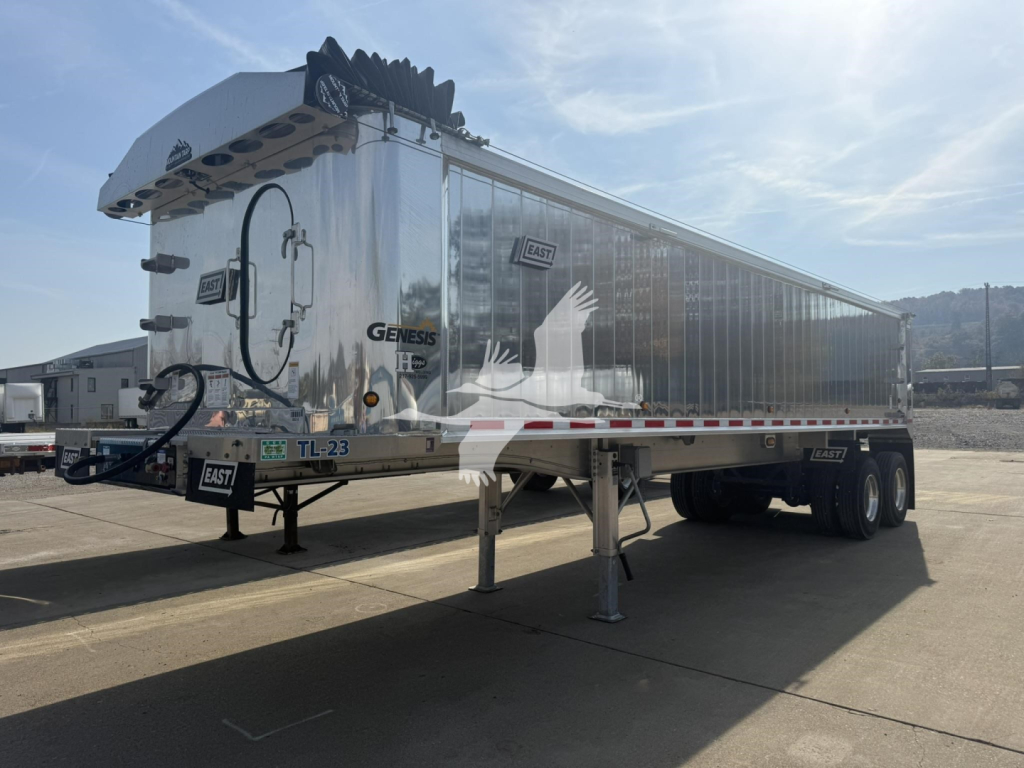
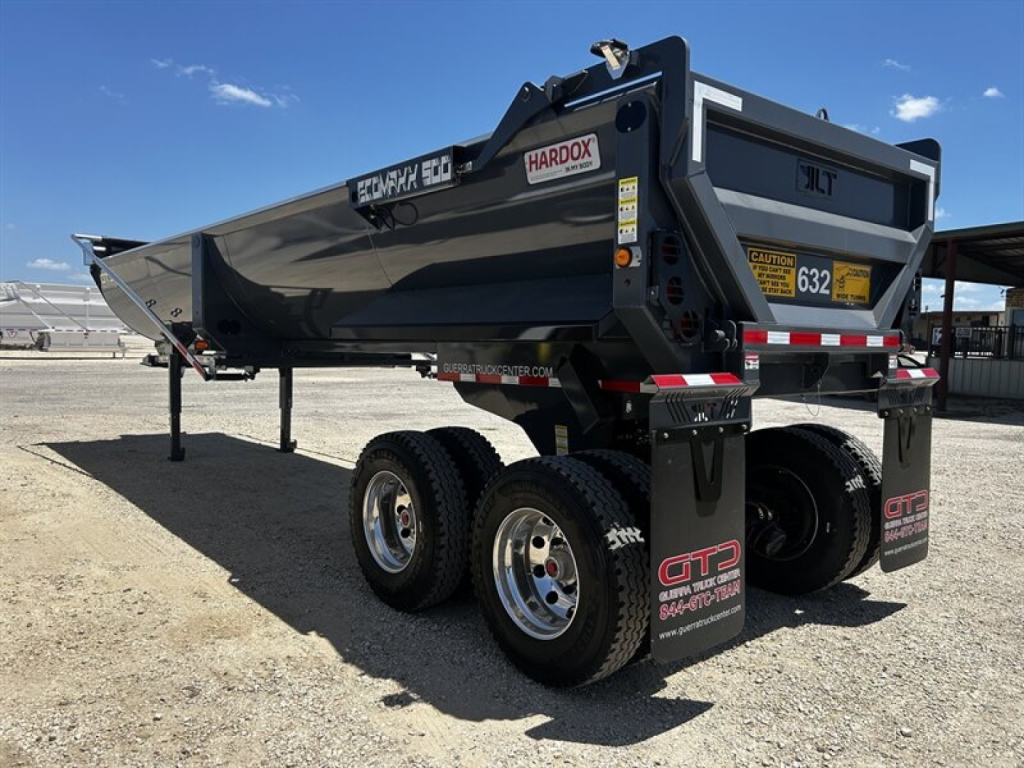
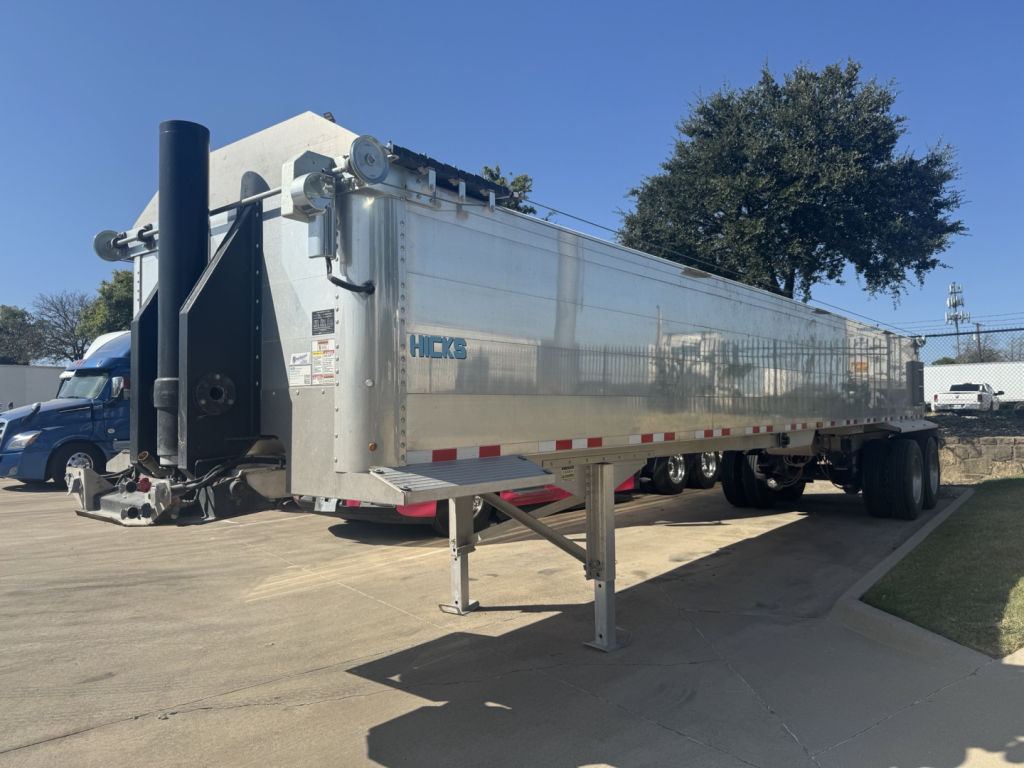
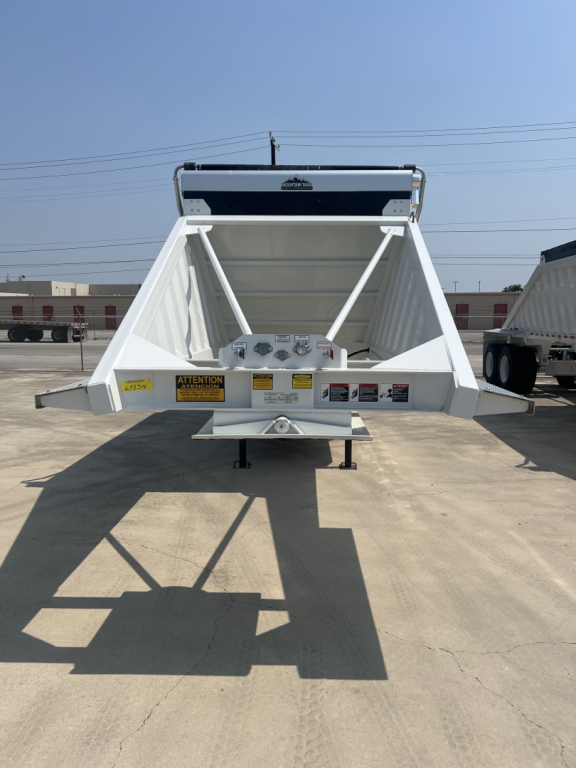
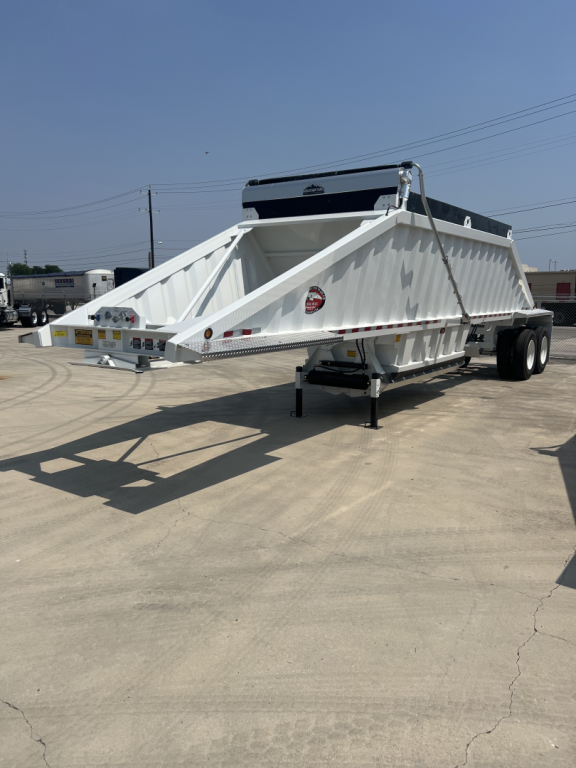
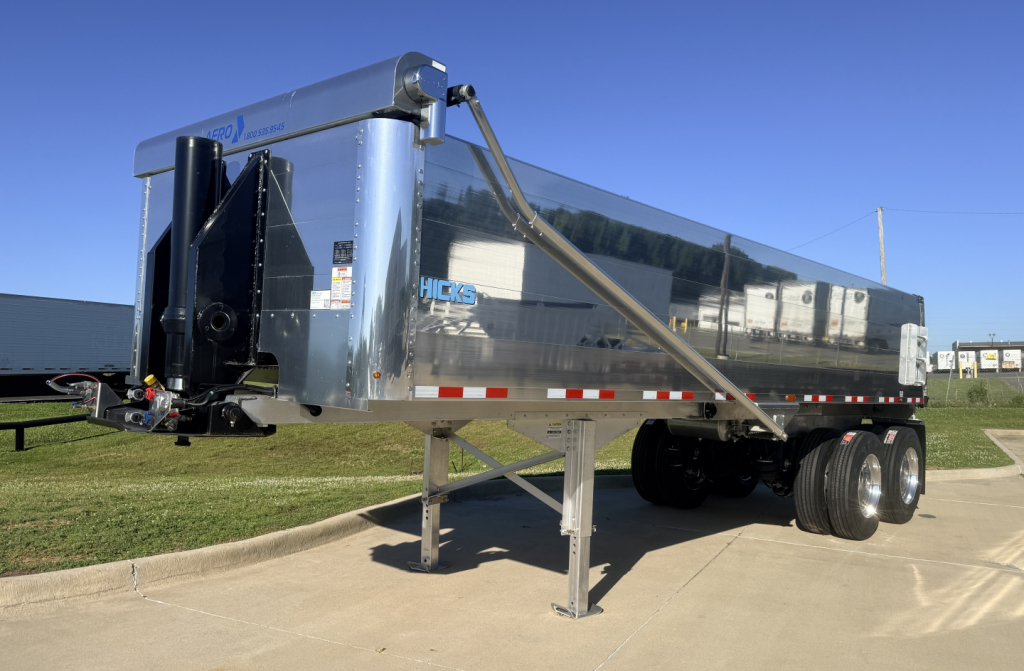
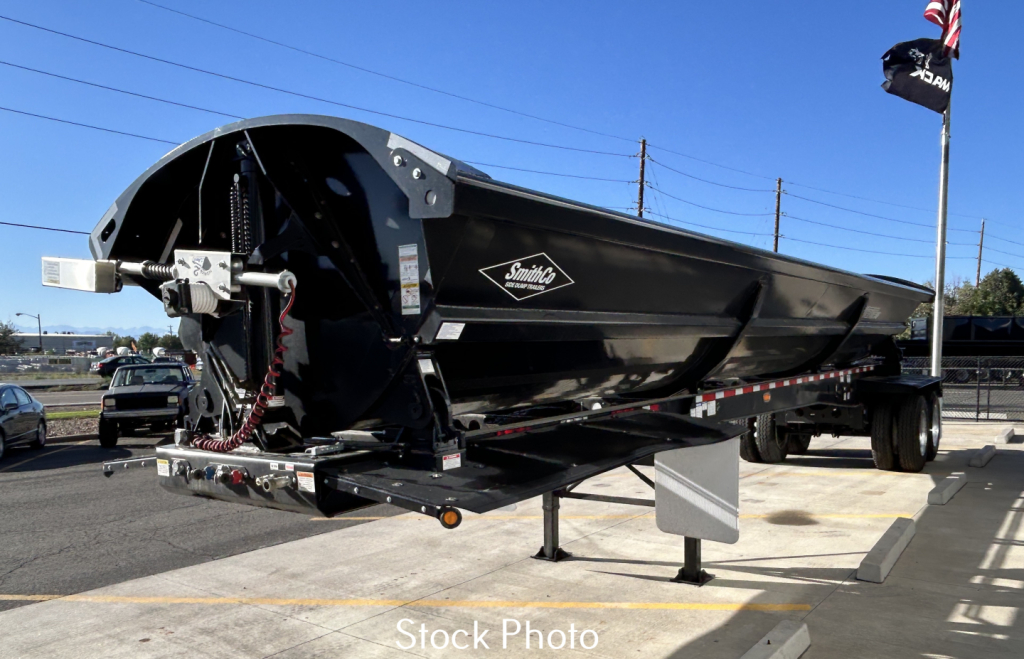
Showing 1 to 28 of 182 results
Selling a dump trailer? List your dump trailer for sale and reach thousands of commercial buyers.
Dump Trailers in South Dakota
Construction and spec differences matter more than paint and model year. Trailer length, tub length, sidewall height, frame design, and suspension all affect payload, legal axle distribution, and durability. Common setups include air ride suspension for better ride quality and cargo protection, with tri-axle configurations frequently used to balance payload and maneuverability. Buyers should also look closely at tub material, floor thickness, liner condition, tarp system, gate design, and hoist or hydraulic setup. On used dump trailers, tire condition, uneven wear, hinge points, cylinder mounts, and signs of cracking around stress areas can tell you a lot about how the trailer has been worked.
South Dakota operators often run a mix of highway miles, county roads, gravel pits, and seasonal construction sites, so suspension, tarp reliability, and corrosion resistance deserve extra attention. If the trailer will haul rock, millings, sand, or demolition debris, structural integrity and wear protection are critical. If the work includes grain, silage, beet byproducts, or lighter bulk commodities, cubic capacity and clean discharge may be higher on the list. Electric tarps, roll tarps, airtight seals, and easy-clean tub designs can improve daily productivity and help meet load securement and weather protection requirements.
A good dump trailer purchase comes down to matching the trailer to the material, the route, and the unloading environment. Capacity is important, but so are center of gravity, kingpin setting, axle spread, and suspension condition. Buyers comparing dump trailers should think beyond listed dimensions and focus on how the trailer loads, tracks, unloads, and holds up under repeated cycles. The best fit is usually the one that supports legal payload, fast turnaround, and safe unloading in the exact conditions the trailer will see every week.
Frequently Asked Questions about Dump Trailers in South Dakota
What is the difference between a side dump trailer and an end dump trailer?
A side dump trailer discharges material to the side of the trailer, usually through a hydraulic tub that rolls over, while an end dump trailer raises the front of the body and unloads out the rear. Side dumps are generally preferred for better stability on uneven ground and for unloading while moving forward. End dumps are often chosen when higher cubic capacity and a simpler dump body design are more important, provided the jobsite has enough overhead and ground stability for a straight lift.
What should I inspect on a used dump trailer before buying?
Pay close attention to the frame rails, tub floor, crossmembers, hinge assemblies, hydraulic components, suspension, and axle alignment. Cracks around high-stress areas, patchwork repairs, bowed panels, and excessive wear in the tub can indicate hard aggregate or demolition service. Tire wear patterns, bushing condition, brake components, tarp operation, and gate seals also help show how the trailer was maintained and whether it is ready for daily work.
Is air ride or spring suspension better for a dump trailer?
Air ride suspension is common on dump trailers because it improves ride quality, can reduce shock transfer to the trailer, and is often favored for highway use and mixed-route hauling. Spring suspension can be simpler and durable in certain severe-service applications, but ride quality is typically rougher. The better choice depends on haul distance, road conditions, maintenance preferences, and the type of material being carried.
What materials are dump trailers commonly used to haul?
Dump trailers are commonly used for aggregate, sand, gravel, asphalt millings, dirt, demolition debris, and other construction materials. In agricultural and regional hauling, they may also be used for grain, silage, fertilizer, and other bulk commodities, depending on body style and lining. The material matters because weight, abrasiveness, moisture content, and discharge characteristics all influence the right body design and spec.
How do I choose the right dump trailer size and axle setup?
Start with the material you haul most often, then match body volume, axle configuration, and legal weight requirements to your route and state regulations. Heavier materials usually require a trailer that is optimized for payload without adding unnecessary empty weight, while lighter materials may justify a larger cubic capacity body. Axle spread, kingpin setting, and overall length should also be evaluated for bridge law compliance, turning radius, and balance between roadability and payload.