
New Dump Trailers For Sale in Oklahoma
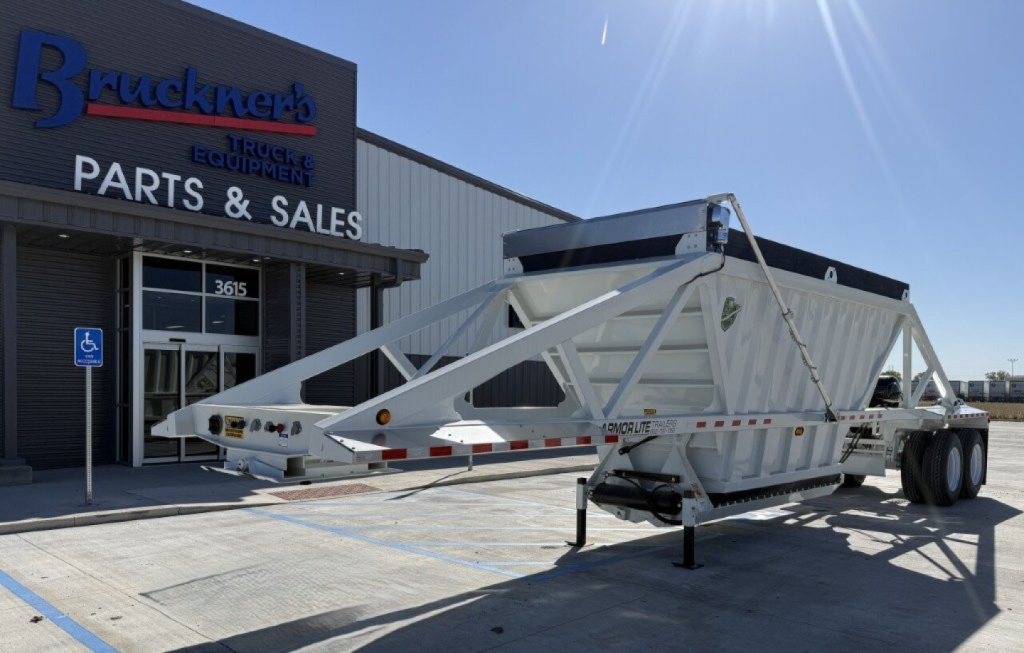
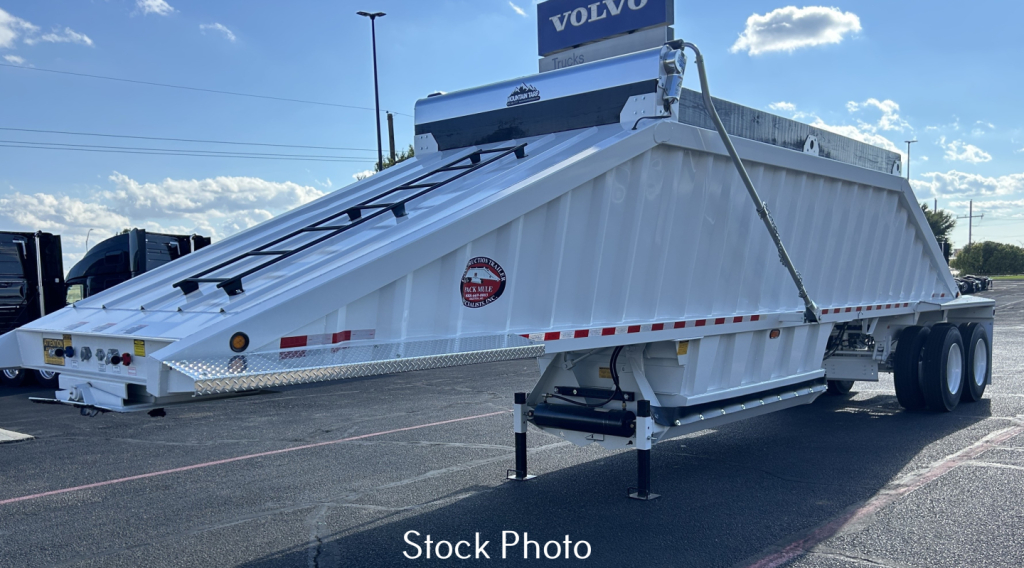
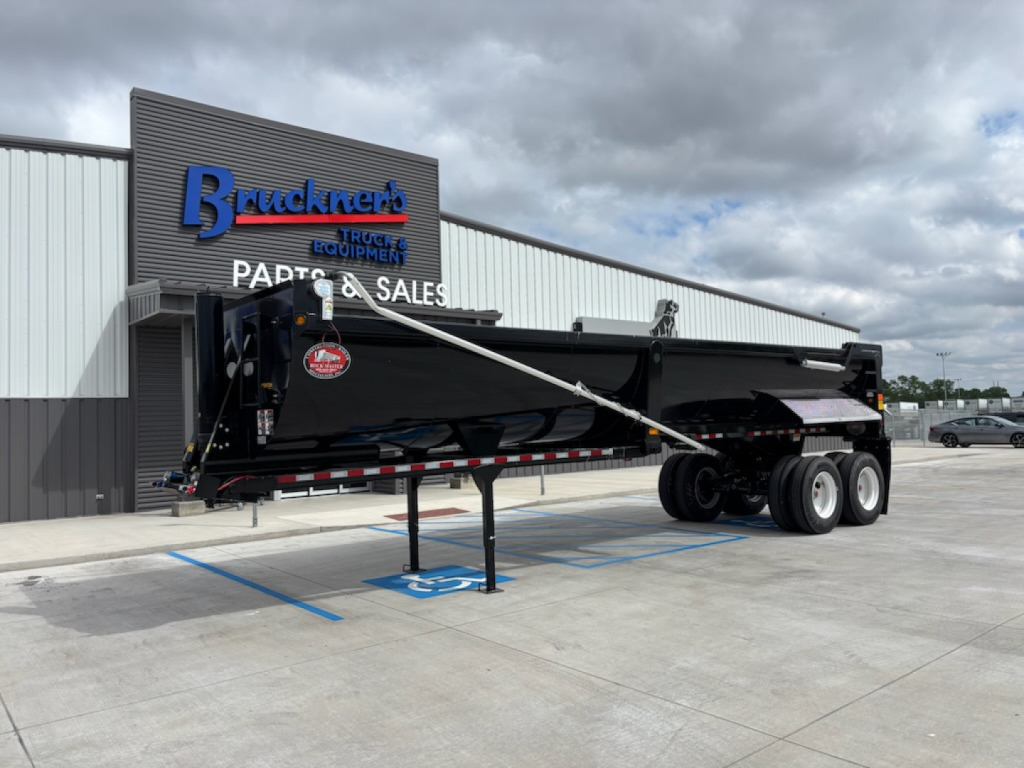
New dump trailers for sale in Oklahoma, including end dumps and frameless models with air ride, tarp systems, high-capacity bodies, and durable specs.
Learn more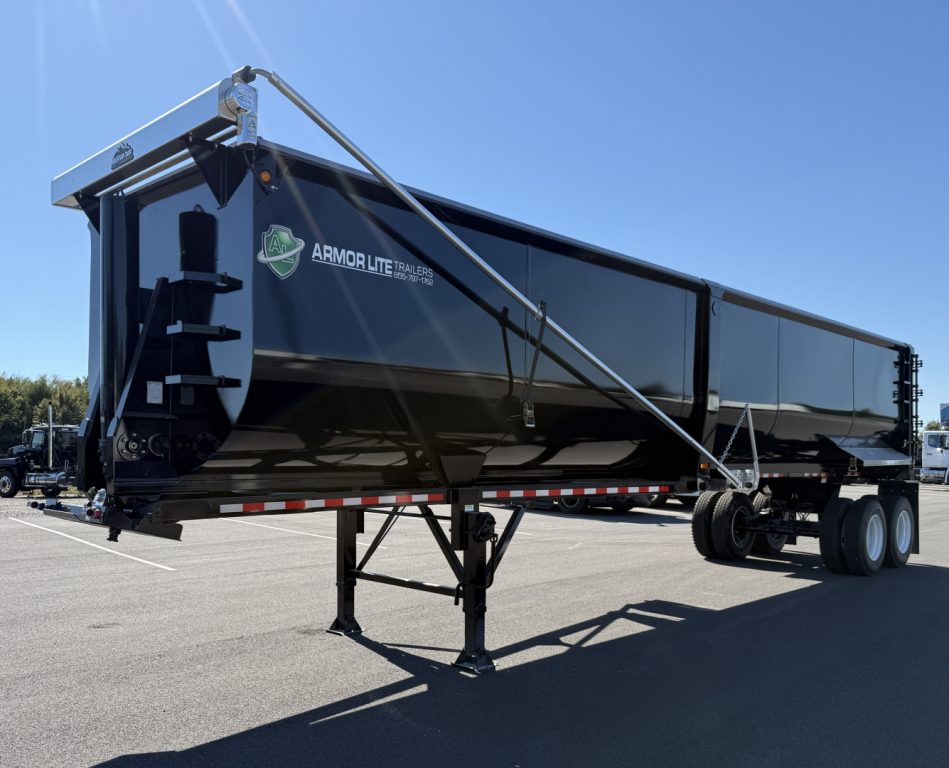
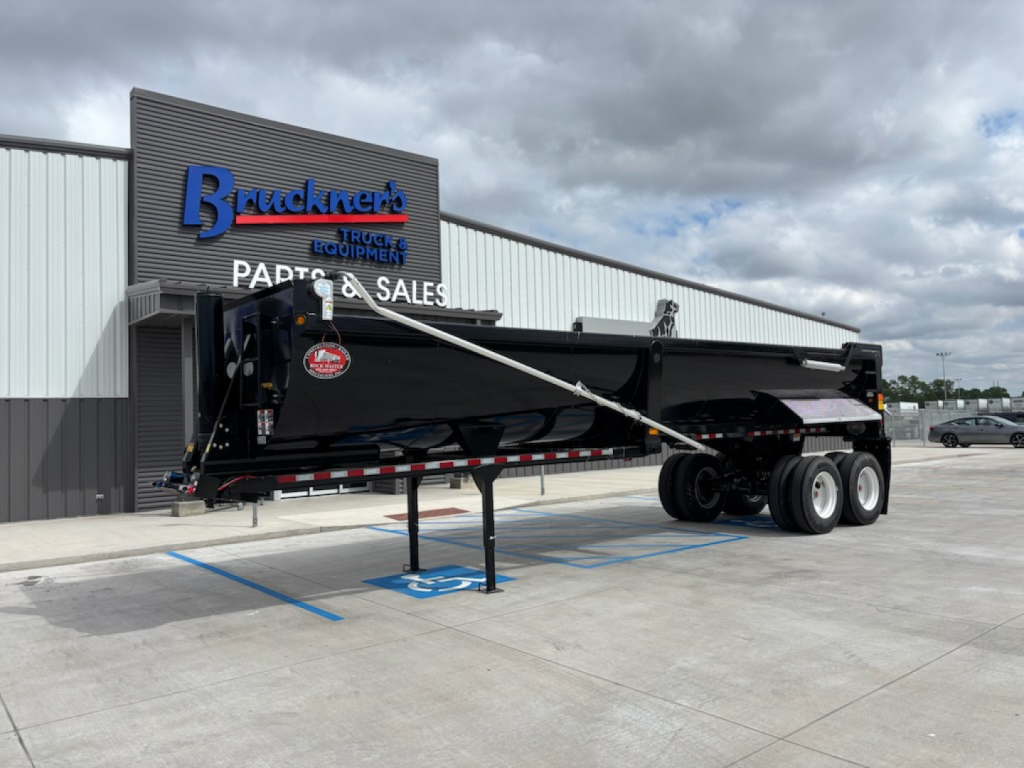
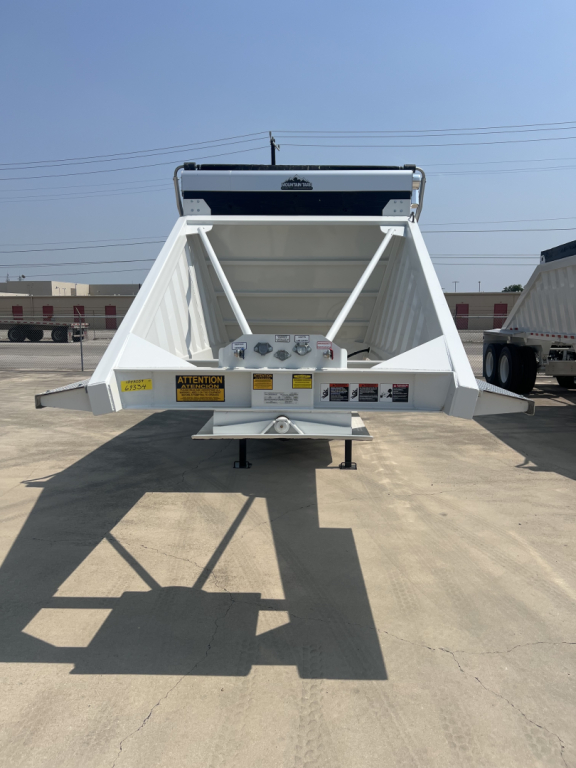
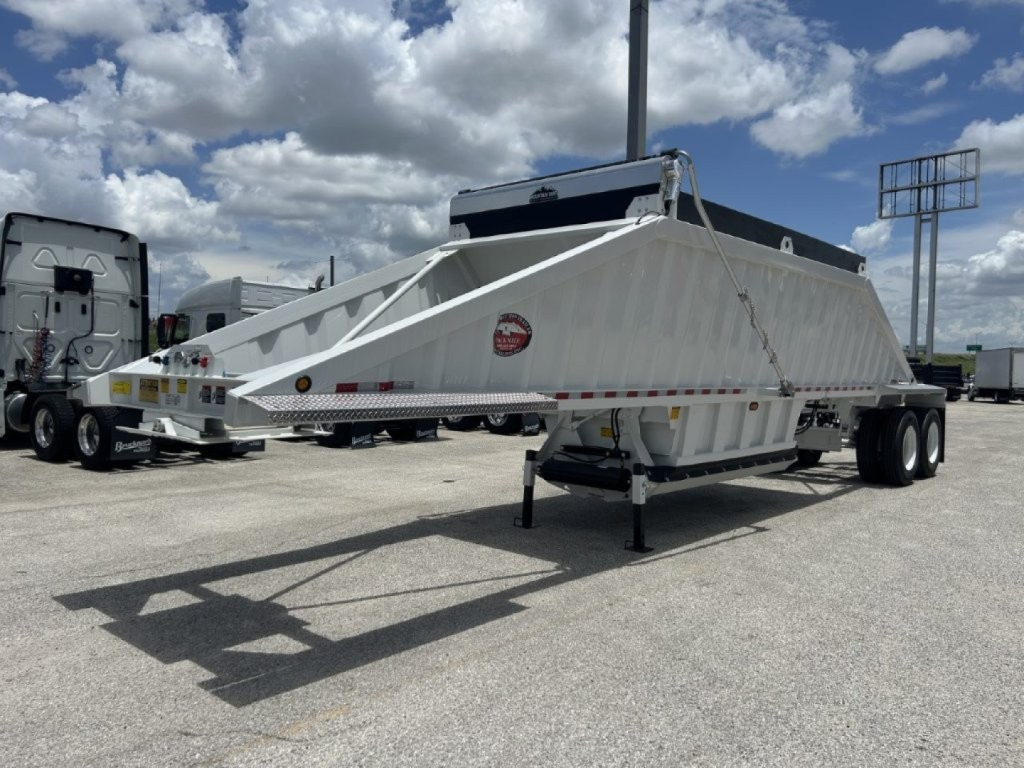
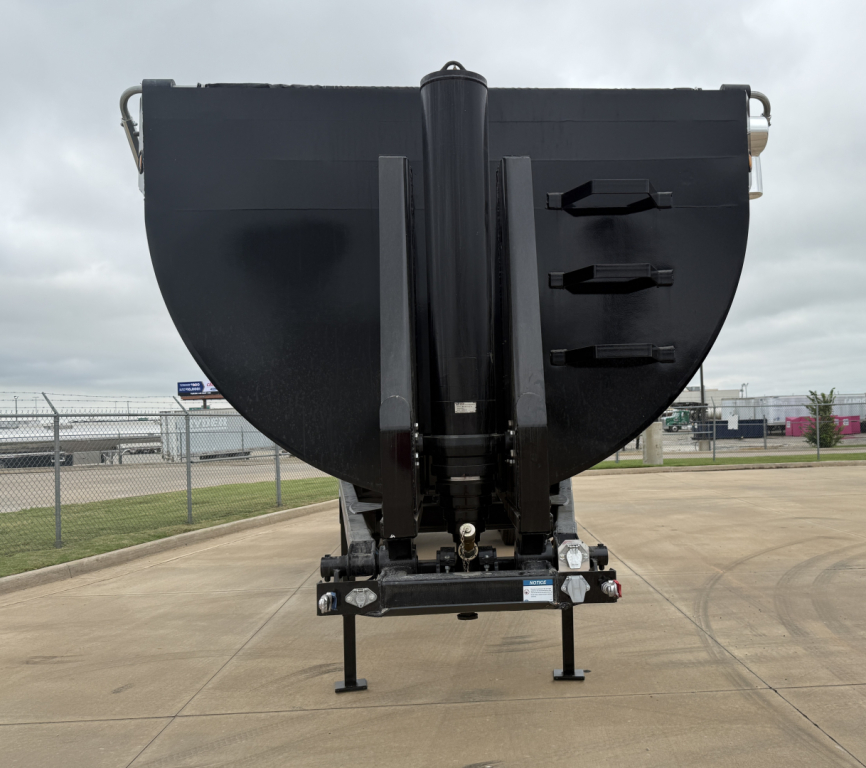
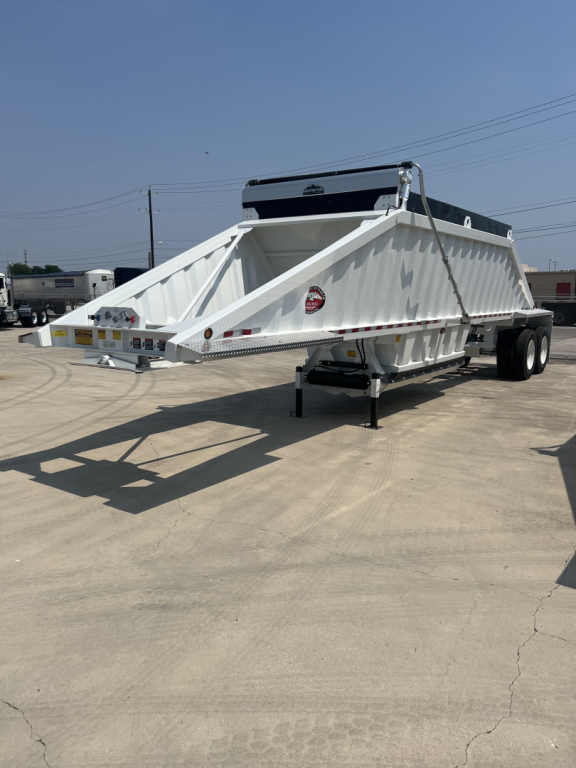
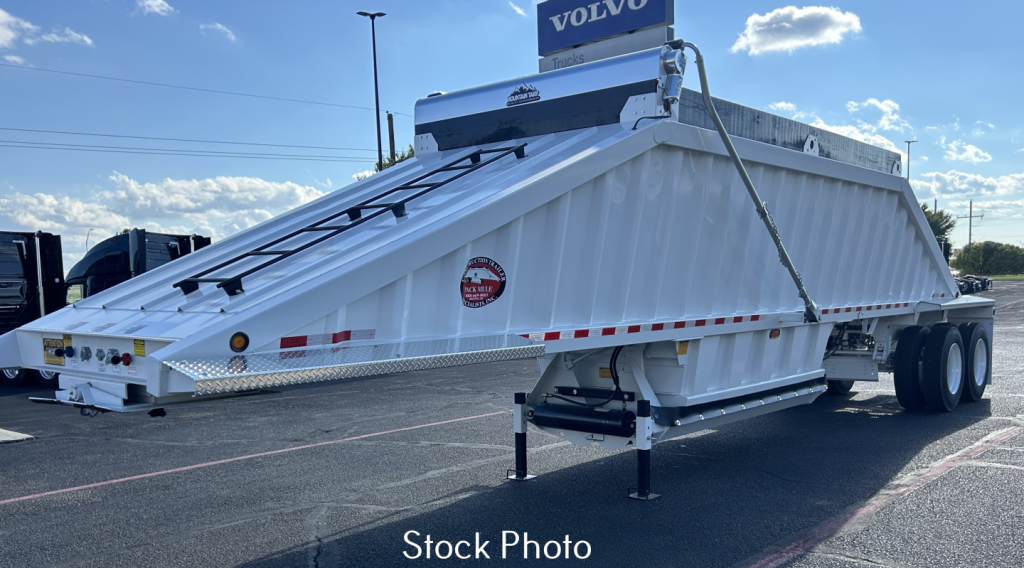
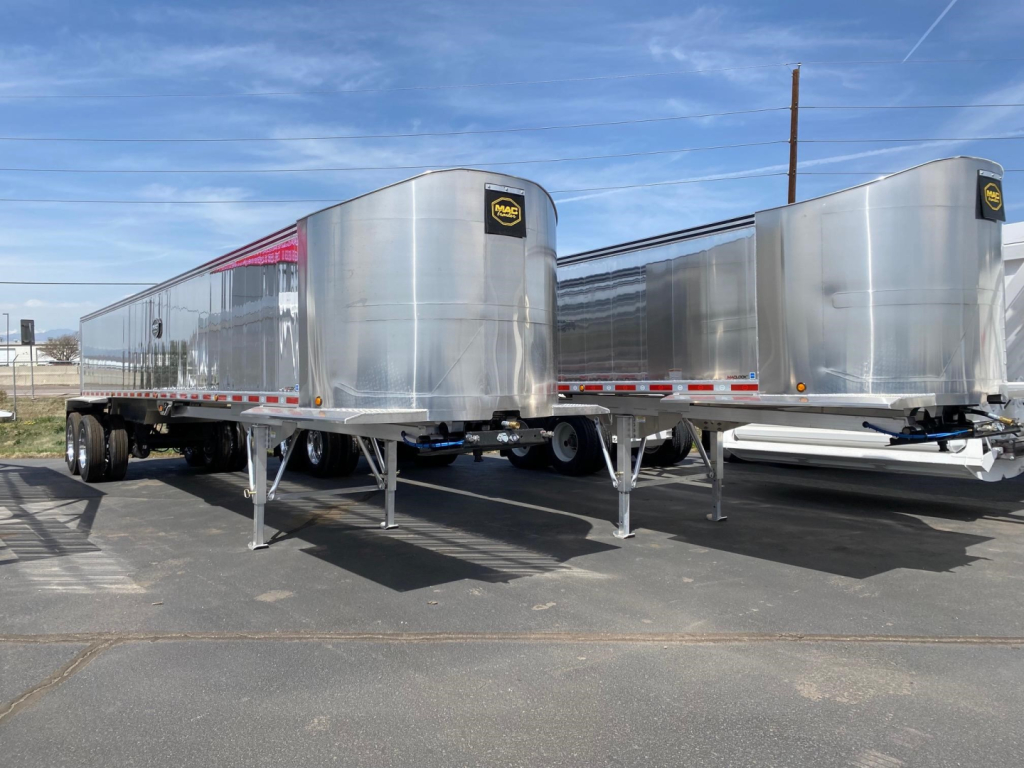
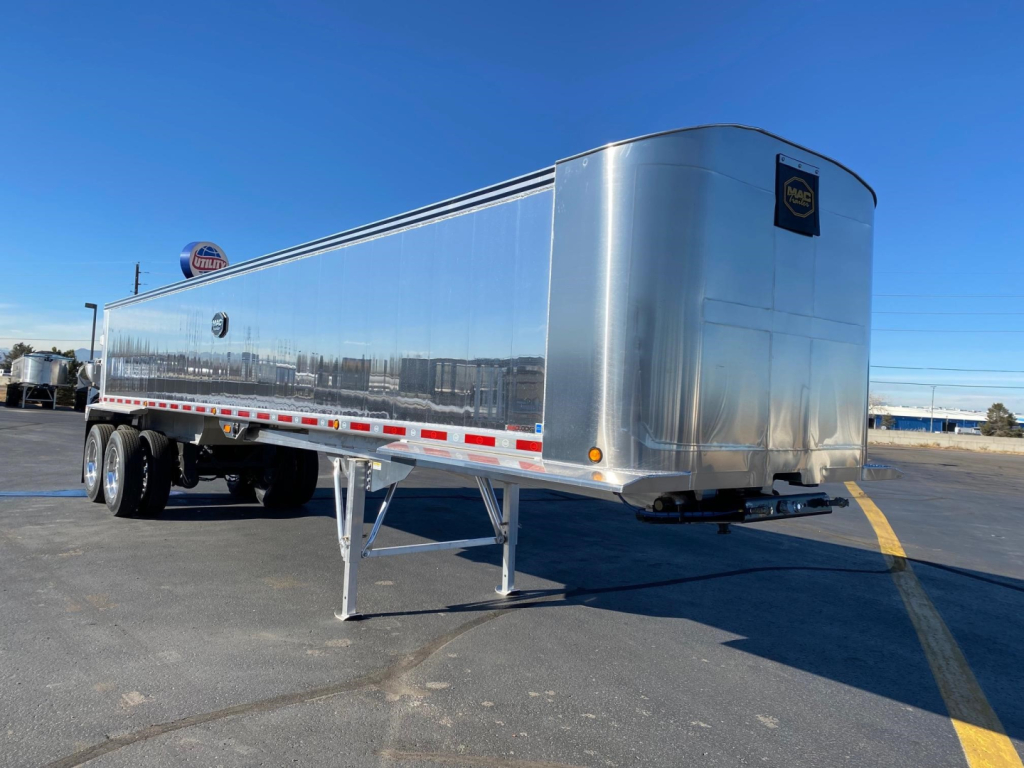
Showing 1 to 12 of 14 results
Have new dump trailer to sell? List it here to reach thousands of buyers.
About New Dump Trailers in Oklahoma
In Oklahoma, dump trailer buyers often balance payload with durability. A lighter aluminum end dump can make sense for operations trying to maximize legal payload on grain, sand, or less abrasive commodities, while steel or lined tubs are usually favored for scrap, riprap, demolition, and other punishing applications. Frameless trailers remain popular because they reduce tare weight and simplify the body structure, but they need to be matched to the work environment and unloading surface. Suspension choice also matters. Air ride is generally preferred for better load protection, road manners, and versatility, while spring ride can still appeal in severe-duty applications where simplicity and lower upfront cost are priorities.
Body and dumping specs deserve a close look on any new dump trailer. Many Oklahoma buyers focus on 39- to 40-foot tandem axle trailers with capacities ranging from the low 20 cubic yard range for dense materials up into the 60-plus cubic yard range for scrap and lighter commodities. Hoist design, including 5-stage cylinders and trunnion-mounted setups, plays a major role in dump angle and stability. Gate configuration matters too. Top-hinge gates are common for controlled discharge, while barn doors are often chosen for scrap or larger demolition material. Features such as electric flip tarps, windrow deflectors, push blocks, quick-release valves, bolt-on fenders, and scuff protection all add practical value in day-to-day use. Tire size, brake package, ABS configuration, and landing gear spec should also be reviewed carefully, especially for regional hauling and mixed jobsite-to-highway operation.
A new dump trailer also gives a buyer the advantage of current brake systems, LED lighting, fresh hoist components, and cleaner structural life from day one. The best choice usually comes down to matching trailer construction to the commodity instead of buying strictly by capacity. Dense loads call for attention to legal payload and structural integrity. High-volume, lighter materials shift the focus toward cubic capacity and tare weight. If the trailer will spend time on uneven job sites, stability during the raise cycle, suspension setup, and body geometry become especially important. For buyers sorting through new dump trailers for sale in Oklahoma, the strongest value is usually found in a spec that fits the material, the route, and the unloading conditions without carrying unnecessary weight or complexity.
Frequently Asked Questions
What is the difference between an aluminum dump trailer and a steel dump trailer?
Aluminum dump trailers are generally lighter, which helps increase legal payload and improve fuel efficiency. They are often used for grain, sand, and other bulk commodities where tare weight matters. Steel dump trailers are typically better suited for abrasive, heavy, or irregular materials such as scrap, demolition debris, and large rock because they offer greater resistance to impact and wear. Some buyers choose steel tubs with abrasion-resistant material such as Hardox for severe-duty service.
Is air ride or spring ride better on a dump trailer?
Air ride is usually preferred for highway use, mixed routes, and operations that want better ride quality, less shock transfer, and improved load stability. It can also help reduce stress on the trailer structure over time. Spring ride remains a practical option for buyers who want a simpler suspension with lower initial cost and fewer air system components. The better choice depends on duty cycle, road conditions, and how much time the trailer spends on rough jobsites versus paved roads.
How do I choose the right dump trailer capacity?
Capacity should be matched to the material being hauled, not just the largest cubic yard number available. Dense commodities such as rock, wet sand, or asphalt can gross out quickly, so a lower cubic yard body may actually be the correct legal payload spec. Lighter materials such as scrap or agricultural products may justify a taller sidewall and larger cubic yard body. Buyers should compare cubic capacity, trailer tare weight, axle configuration, and local bridge and gross weight limits before deciding.
What gate style is best on a dump trailer?
Top-hinge gates are common for aggregate and general construction use because they allow controlled discharge and work well when spreading or tailing out material. Barn doors are often preferred for scrap, demolition, and bulky loads that need a wider rear opening. The best gate style depends on the size, flow characteristics, and discharge method of the material. Gate latch design and seal quality also matter if the trailer will haul fine material.
Why does hoist design matter on a new end dump trailer?
The hoist is central to dump speed, stability, and long-term service life. A properly matched multi-stage hoist helps the trailer achieve the needed dump angle while maintaining control during the raise cycle. Mounting style, cylinder stages, and body geometry all affect how the trailer performs on uneven ground or with sticky loads. Buyers should pay attention to hoist brand, stroke, mounting arrangement, and the trailer's intended unloading conditions, especially if the trailer will operate off-road or on soft surfaces.