
New 2027 Dump Trailers For Sale in Kansas
Shop new 2027 dump trailers for sale in Kansas. Compare frameless, half-round, and end dump specs, capacities, suspensions, tarps, and liner options.
Learn more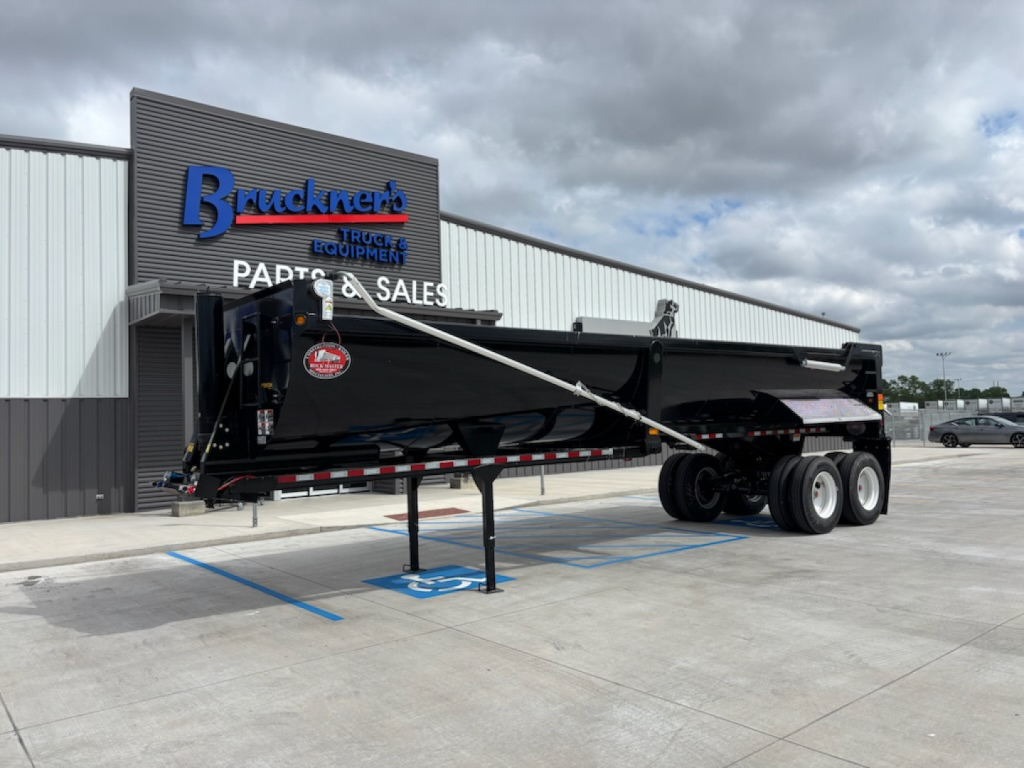
Showing 13 to 13 of 13 results
Have new 2027 dump trailer to sell? List it here to reach thousands of buyers.
About New 2027 Dump Trailers in Kansas
The biggest buying decision is matching body construction to the material hauled. A lightweight aluminum dump trailer can maximize payload on sand, grain byproducts, or lighter aggregate, while a Hardox or similar abrasion-resistant steel tub is better suited for rock, asphalt chunks, and demolition work. Half-round tubs are popular when sticky material is a concern because they shed loads more easily and reduce the need to climb in and clean out. If you haul hot mix, riprap, or abrasive material, pay attention to floor thickness, sidewall thickness, crossmember design, and liner specs such as UHMW. Rear gate design matters too. High-lift gates, barn-door arrangements, and combination gates each change how the trailer handles spread work, tailing, and bulky debris.
Suspension, axle layout, and operating equipment have a direct effect on tire life, stability, and jobsite performance. Tandem and spread-axle dump trailers are both common in Kansas, and the right setup depends on bridge law, turning radius, and how often the trailer sees uneven entrances or soft surfaces. Air ride is often chosen for ride quality and load protection, while spring ride still has appeal for simplicity and lower upfront cost. Buyers should also look closely at tarp systems, especially electric flip tarps for quick securement, along with fender construction, hub and drum package, tire size, wheel material, lift axle controls, and weather-protected air valve layouts. Details like push blocks, windrow deflectors, and ladder placement can make a real difference in daily use.
Kansas buyers also need to think about route conditions and seasonal use. A dump trailer that spends most of its life on highway aggregate runs may be spec'd much differently than one feeding paving crews or backing into muddy construction sites. Clearance under the body, hoist geometry, gate sealing, and body shape all affect unloading consistency. For a buyer comparing listings, the most useful approach is to start with material type, then narrow by body style, cubic yard capacity, empty weight, suspension, and liner package. That method usually gets to the right dump trailer faster than shopping by brand alone.
Frequently Asked Questions
What is the difference between a frameless dump trailer and a half-round dump trailer?
A frameless dump trailer refers to the understructure design, while half-round refers to the body shape. Frameless trailers are built to reduce weight and improve payload by eliminating a full-length frame under the tub. Half-round bodies use a curved interior shape that helps material slide out more cleanly and reduces carryback. Many buyers choose a frameless half-round trailer because it combines lighter weight with better unload characteristics for aggregate and sticky materials.
Is aluminum or steel better for a dump trailer?
Aluminum is usually preferred when payload is the priority and the material is less abrasive. It is common on grain, sand, and general aggregate applications where every pound matters. Steel is better for severe-duty work, including sharp rock, demolition debris, and repeated impact loading. Abrasion-resistant steel tubs, including Hardox-type construction, hold up better in punishing environments but add weight. The right choice depends on commodity, route, and how long the trailer is expected to stay in that service.
How many cubic yards should a dump trailer have?
Cubic yard capacity should match both the material density and the legal weight target. A trailer with roughly 23 to 27 cubic yards is common in this class, but the right capacity depends on what is being hauled. Light materials can fill a large body before reaching legal gross weight, while dense materials such as rock can gross out long before the body is full. Buyers should calculate payload by commodity, not just volume, to avoid buying a trailer that is either too small or routinely overloaded by weight.
What suspension is best on a dump trailer, air ride or spring ride?
Air ride is often selected for improved ride quality, better load stability, and less stress on the trailer and tractor during highway use. It is common on premium dump specs and can help with driver comfort and cargo control. Spring ride remains a solid option for operators who want mechanical simplicity and lower initial cost. The best suspension depends on how much highway running the trailer does, how rough the jobsites are, and how important ride quality is to the operation.
What options matter most on a new dump trailer?
The most important options are usually the ones tied to material flow, uptime, and legal payload. Buyers should pay close attention to tarp system type, liner package, gate configuration, axle spacing, suspension, tire and wheel package, and body material. Features such as electric flip tarps, auto-lift axles, weather-tight air control boxes, aluminum wheels, and heavy-duty liners can improve day-to-day efficiency and reduce maintenance. The best spec is the one that matches the load, route, and unloading environment instead of simply adding every available option.