
New 2027 Dump Trailers For Sale in Colorado
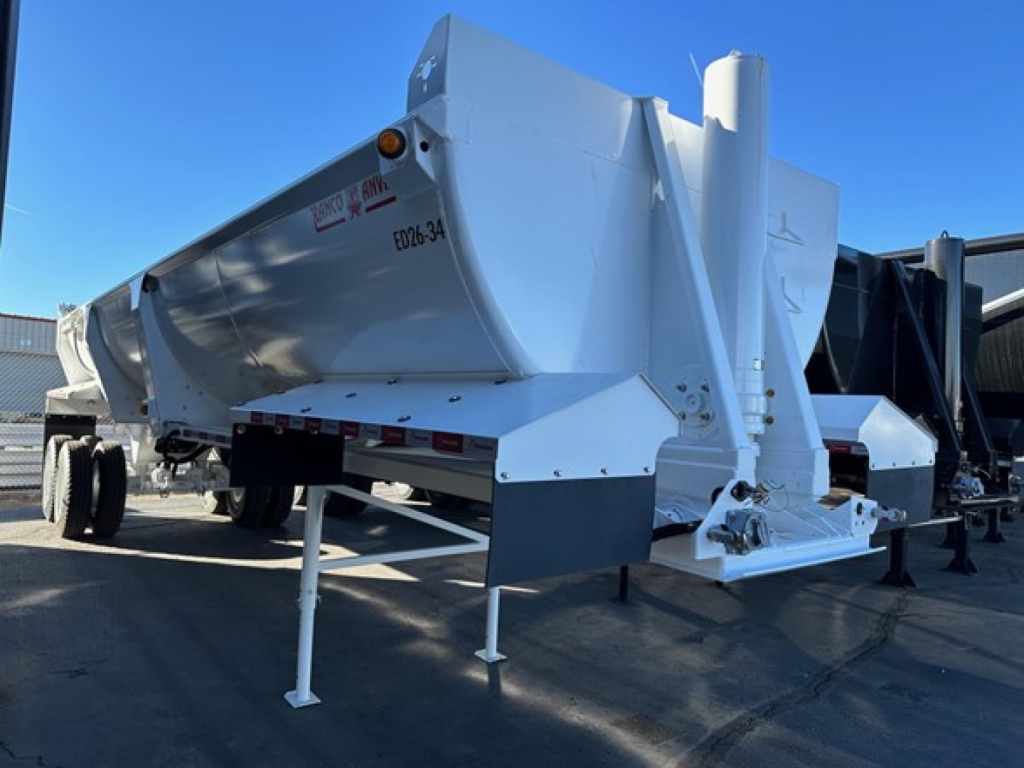
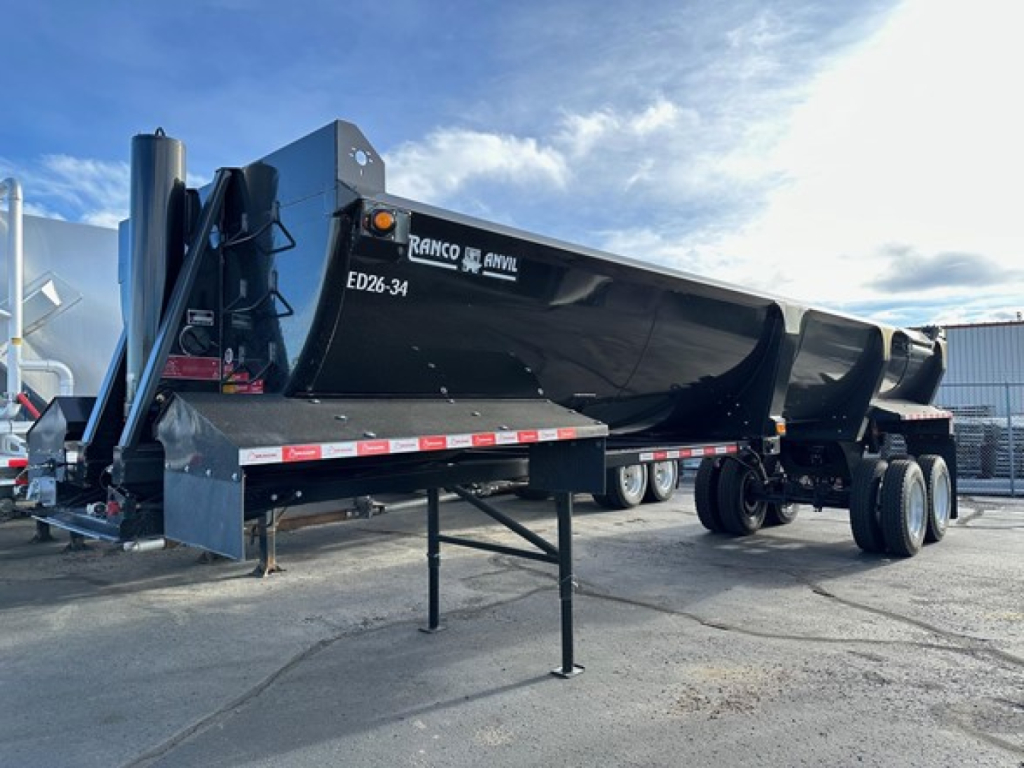
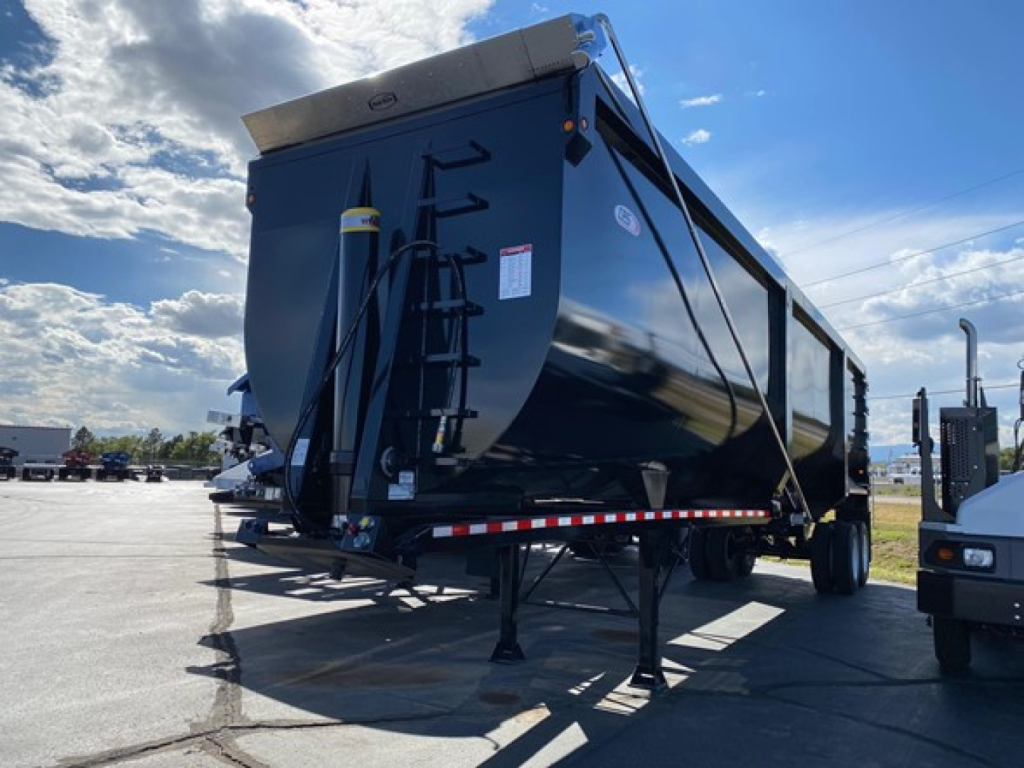
Shop new 2027 dump trailers for sale in Colorado, including end dump, side dump, and bottom dump trailers for aggregate, asphalt, and site work.
Learn more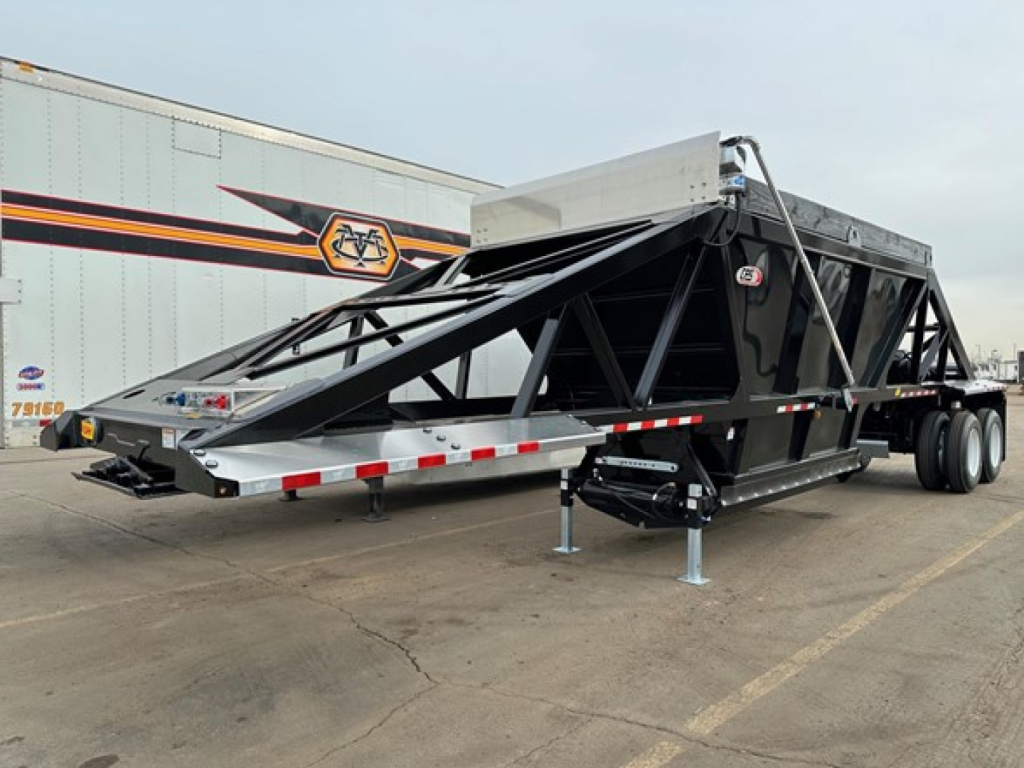
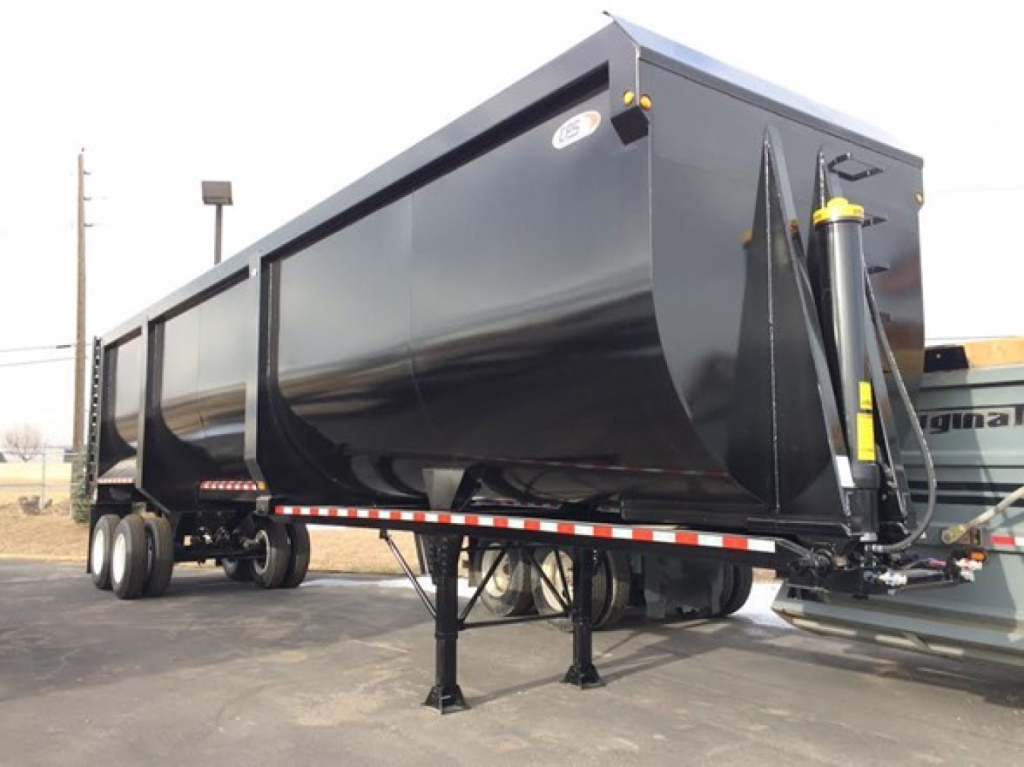
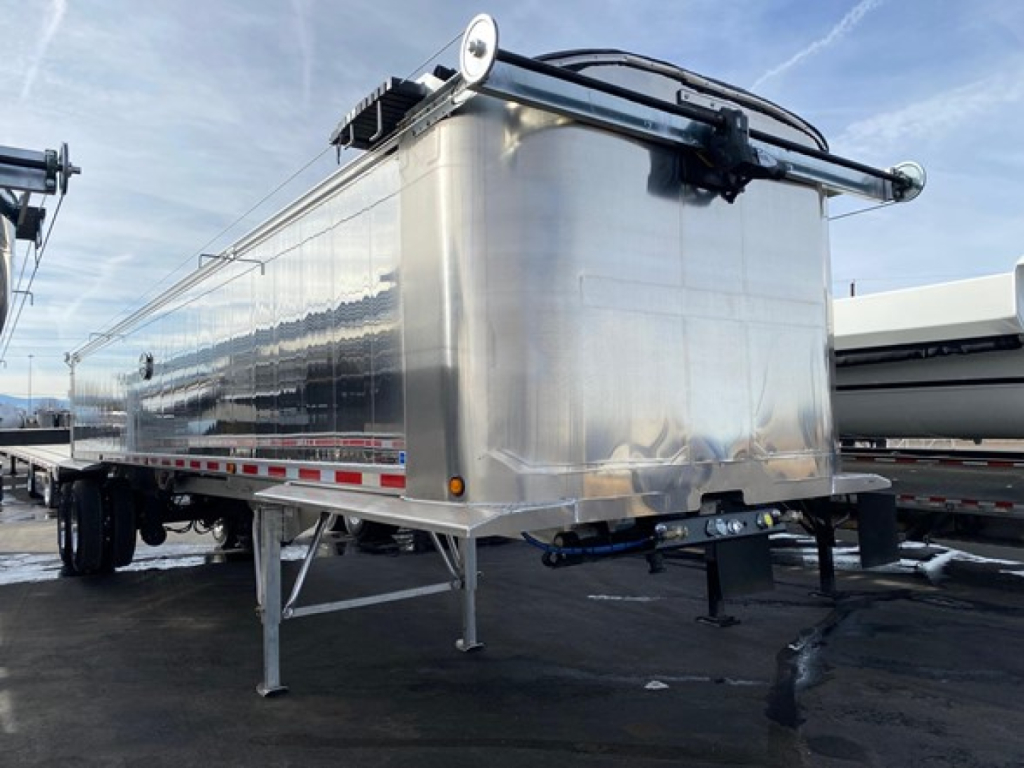
Showing 13 to 18 of 18 results
Have new 2027 dump trailer to sell? List it here to reach thousands of buyers.
About New 2027 Dump Trailers in Colorado
A buyer comparing new dump trailers should start with body construction, suspension, and axle layout. Aluminum frameless end dumps reduce tare weight and help maximize payload on legal routes, while steel tubs and AR400 or AR450 wear surfaces are better suited for rock, riprap, and abrasive demolition debris. Common specs in this category include 35-foot to 45-foot trailer lengths, 21 to 38 cubic yard capacities, tandem or tri-axle configurations, air ride suspension, lift axles, 11R24.5 or 11R22.5 rubber, and electric tarp systems. For side dumps, cylinder design, tub shape, and pivot geometry deserve close attention because those details affect dumping speed, tub stability, and long-term crack resistance. For bottom dumps, hopper size, gate style, pin setting gate limiters, and valve controls matter because they determine how precisely material can be metered onto the road.
Colorado buyers also need to think about terrain, seasonal conditions, and the type of jobsite access the trailer will see. Mountain grades, soft shoulders, and mixed on-road and off-road use can push a buyer toward air ride suspensions with durable fenders, heavy-duty push blocks, and dependable tarp lockout systems. Axle spacing and lift axle configuration can matter for bridge law compliance and maneuverability on county roads, plants, pits, and urban construction sites. On new 2027 dump trailers, practical features such as sealed gates, scuff-resistant liners, LED lighting, rollover tarps, mechanical scales, and two-speed landing gear add daily value because they reduce cleanup time, improve load control, and speed up turnaround.
The best dump trailer is the one that matches the material and the unloading method. Sand, gravel, asphalt millings, hot mix, shot rock, demolition debris, and base course all behave differently in the tub. A half-round aluminum end dump may be ideal for free-flowing bulk material and payload efficiency, while a heavy steel side dump is often the better fit for rougher applications and uneven dumping surfaces. A bottom dump remains hard to beat when windrow control and spread consistency are part of the job. Buyers comparing 2027 dump trailers should focus on payload target, body material, dump style, gate control, suspension, and axle setup before looking at cosmetic options.
Frequently Asked Questions
What is the difference between an end dump, side dump, and bottom dump trailer?
An end dump raises the front of the trailer body and discharges material out the rear, making it a strong choice for bulk hauling with high cubic-yard capacity. A side dump uses hydraulic cylinders to roll the tub to one side, which can offer better stability in many off-road or uneven-ground applications. A bottom dump, also called a belly dump, releases material through gates underneath the hopper, allowing controlled spreading of aggregate or base material while moving. The best choice depends on whether your work requires maximum volume, safer dumping on rough ground, or precise material placement.
Which dump trailer body material is better: aluminum or steel?
Aluminum dump trailers typically weigh less, which helps increase legal payload and improve fuel efficiency on highway-heavy routes. Steel bodies usually handle severe abrasion and impact better, especially in rock, demolition, and quarry service. Many buyers in aggregate and construction fleets choose aluminum for payload-sensitive work and steel or AR plate tubs for harsher material. The decision should come down to tare weight goals, the abrasiveness of the load, and how rough the loading and unloading environment will be.
Are side dump trailers a good fit for Colorado construction and aggregate work?
Side dump trailers are often a strong fit for Colorado because they perform well in roadbuilding, earthmoving, and aggregate applications where jobsite conditions are uneven or space is limited. Their lower dumping profile can be an advantage on unstable ground compared with a tall raised end dump body. Buyers should still evaluate tub construction, cylinder protection, suspension type, and axle layout because mountain terrain, mixed surfaces, and legal weight requirements can change which configuration works best.
What specs matter most when comparing new dump trailers?
The most important specs are dump style, body material, trailer length, cubic-yard capacity, axle configuration, suspension, tire size, and tarp system. After that, buyers should look closely at gate design, liner options, push block construction, lift axle setup, valve controls, and lighting. These details affect payload, unloading speed, spread control, maintenance costs, and how well the trailer matches the material being hauled. A trailer that looks similar on paper can perform very differently once it is loaded every day.
Why would a buyer choose a bottom dump trailer over an end dump?
A bottom dump trailer is usually chosen when material needs to be laid down in a controlled, even pattern rather than dumped into a pile. That makes it valuable for highway work, shoulder building, base spreading, and paving support. Gate adjustability, hopper design, and valve response are major factors because they control flow rate and spread consistency. An end dump is usually better for stockpiling or general bulk unloading, but a bottom dump is often the more productive tool when placement precision matters.