
Dump Trailers For Sale in Nebraska
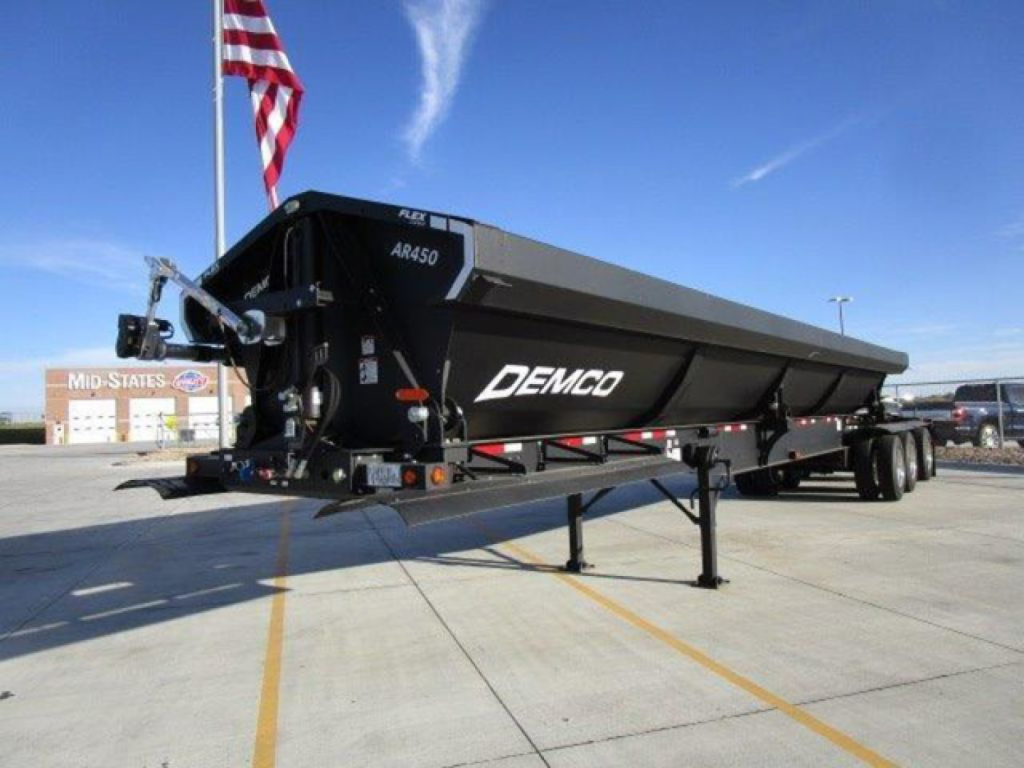
Browse dump trailers for sale in Nebraska, including end dump configurations with common specs, axle setups, suspension options, and hauling uses.
Selling a dump trailer? List your dump trailer for sale and reach thousands of commercial buyers.
Dump Trailers in Nebraska
A lot of buying decisions come down to the load you haul most often. Aluminum dump trailers are popular when payload is the priority and corrosion resistance matters, especially for lighter bulk commodities. Steel bodies make more sense for abrasive material, scrap, asphalt tear-out, and demolition work where impact resistance is critical. Common lengths run into the 40-foot to upper-40-foot range, and triple axle configurations are widely used to balance legal payload, bridge compliance, and road manners. Buyers should also pay attention to side height, floor thickness, hoist design, gate style, tarp system, and whether the trailer has air ride or another suspension setup. Air ride can help with ride quality and cargo protection, but suspension choice should match the route conditions and loading environment.
For Nebraska operators, weather and road conditions deserve extra attention. A dump trailer working year-round may see mud, freeze-thaw cycles, wind exposure, and abrasive road treatment chemicals, so liner condition, wiring protection, hydraulic system integrity, and corrosion points matter. Tire size and wheel material also affect maintenance cost and service life. Many dump trailers in this class run 22.5-inch rubber, and aluminum wheels are often chosen to reduce weight and improve appearance, but the real question is total operating cost over time. Check for structural condition around the hoist mounts, hinge points, crossmembers, draft arms, and upper rail. If the trailer will see off-road loading or uneven ground, frame rigidity and rollover resistance should be part of the evaluation, not an afterthought.
A good dump trailer spec is the one that matches the material, the scale, and the roads. Buyers comparing listings should look beyond year and brand and focus on cubic capacity, empty weight, axle spread, gate functionality, suspension, and how the trailer was maintained. The best unit for a quarry haul is not always the best choice for farm, paving, or demolition work. When the spec is right, a dump trailer can deliver strong payload performance, fast turnaround, and long service life with predictable maintenance.
Frequently Asked Questions about Dump Trailers in Nebraska
What is the most common dump trailer configuration for highway material hauling?
The most common setup is an end dump trailer with tandem or triple axles, depending on desired payload and bridge requirements. End dumps are widely used because they can carry large bulk loads and unload quickly by raising the body and discharging material through the rear gate. Triple axle trailers are especially common when buyers want more legal payload capacity and better weight distribution on longer trailers.
Should I choose an aluminum or steel dump trailer body?
Aluminum is usually the better choice when payload and corrosion resistance are the priorities, especially for lighter bulk commodities and general road hauling. Steel is typically preferred for severe-duty applications such as rock, scrap, asphalt tear-out, and demolition debris because it handles abrasion and impact better. The right choice depends on the density and abrasiveness of the material, the loading method, and how much empty weight matters in your operation.
Why does suspension type matter on a dump trailer?
Suspension affects ride quality, tire wear, handling, and trailer stability under load. Air ride suspension is common on road-going dump trailers because it can improve ride characteristics and reduce shock to the trailer and cargo. The best suspension still depends on the routes traveled, the amount of off-road use, and the service conditions, since rough loading areas and uneven terrain can place different demands on the running gear.
What should I inspect first on a used dump trailer?
Start with the structure and the dump system. Look closely at the frame, crossmembers, floor, sidewalls, upper rails, hinge area, hoist mounts, cylinder condition, and rear gate hardware. Then inspect suspension components, axle alignment, brakes, tires, wiring, tarp system, and signs of prior cracking or welded repairs. A dump trailer can look clean cosmetically while still having fatigue issues in high-stress areas, so structural inspection is more important than paint or wheel finish.
What length and axle setup is common for dump trailers in this category?
Many highway dump trailers are built in lengths from about 39 feet to the upper 40-foot range, with tandem and triple axle arrangements both common. Longer trailers with triple axles are often selected to increase volume and help distribute weight more effectively. The best combination depends on the material being hauled, legal weight limits, bridge formula considerations, and the maneuverability needed at pits, jobsites, or farm locations.