
Dump Trailers For Sale in Louisiana
Browse dump trailers for sale in Louisiana, including end dumps with aluminum bodies, air ride suspensions, tarp systems, and tandem axles.
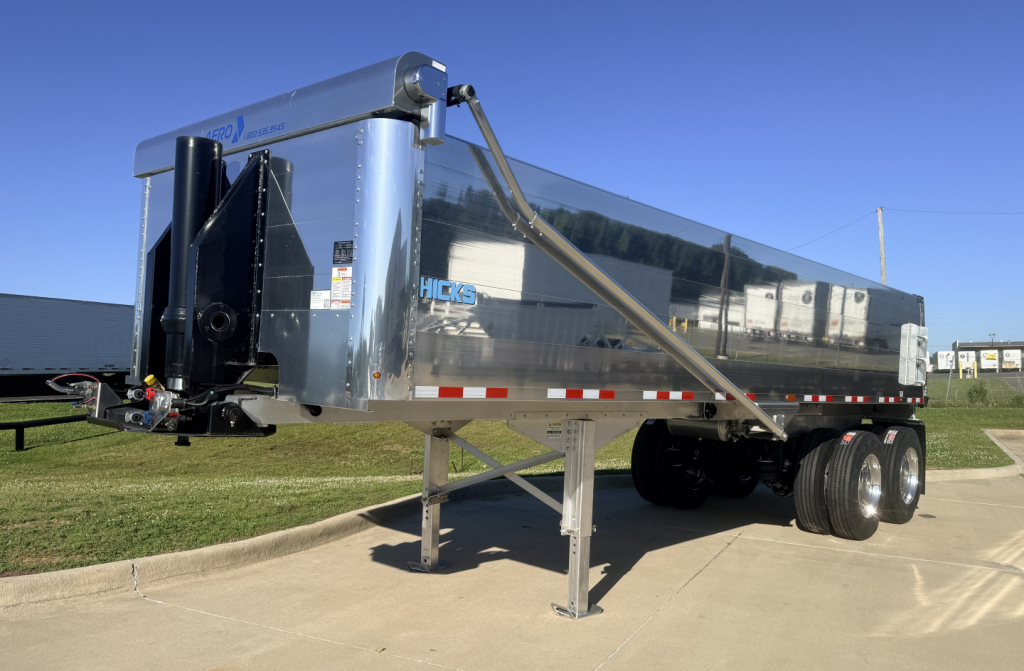
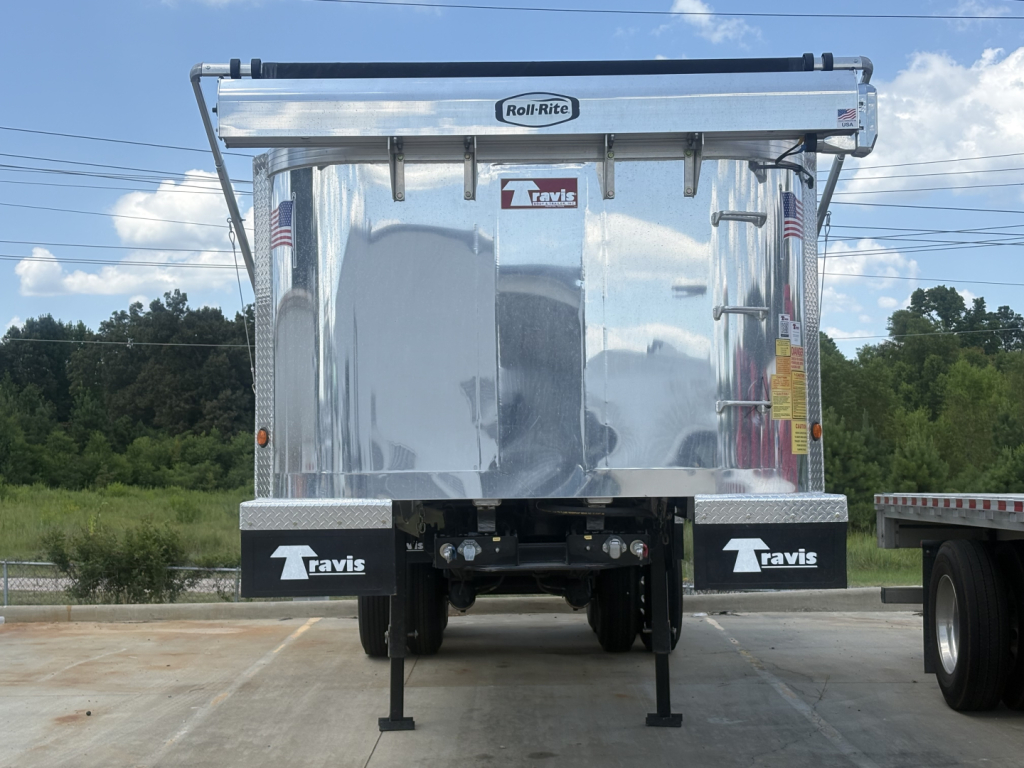
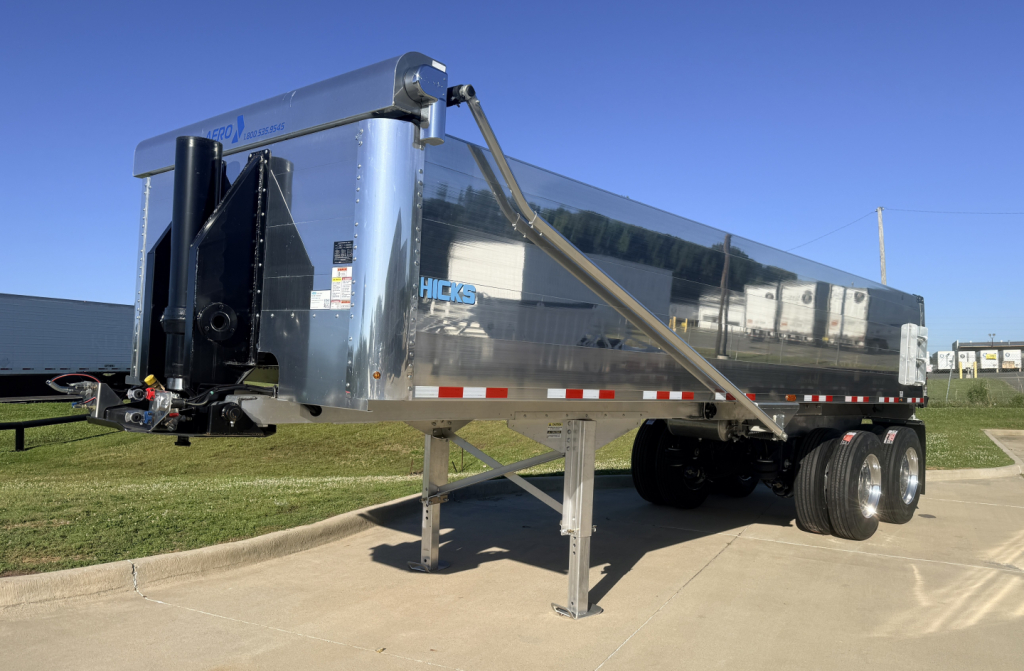
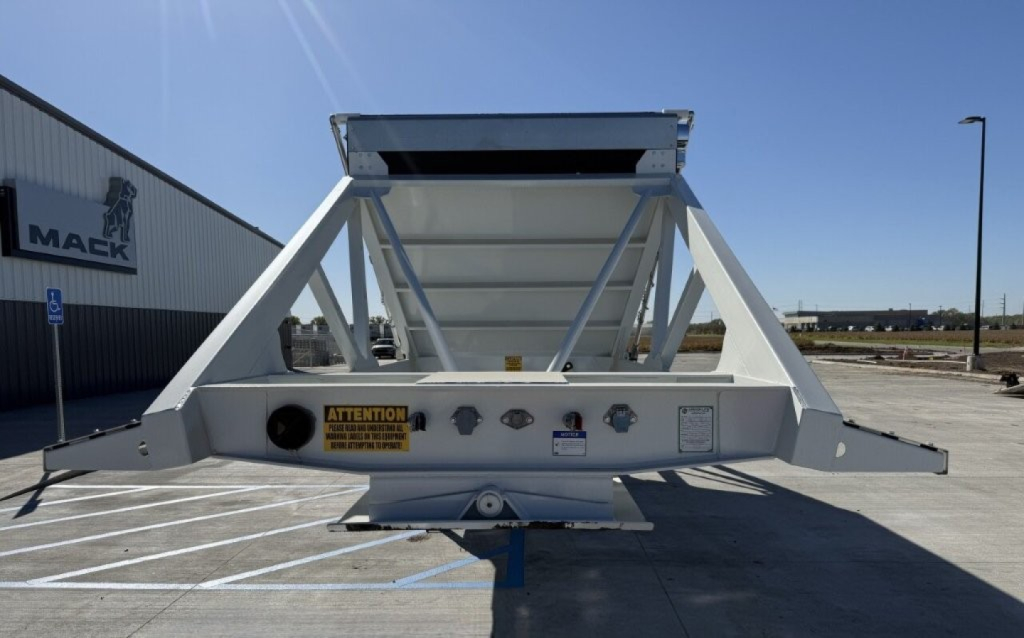
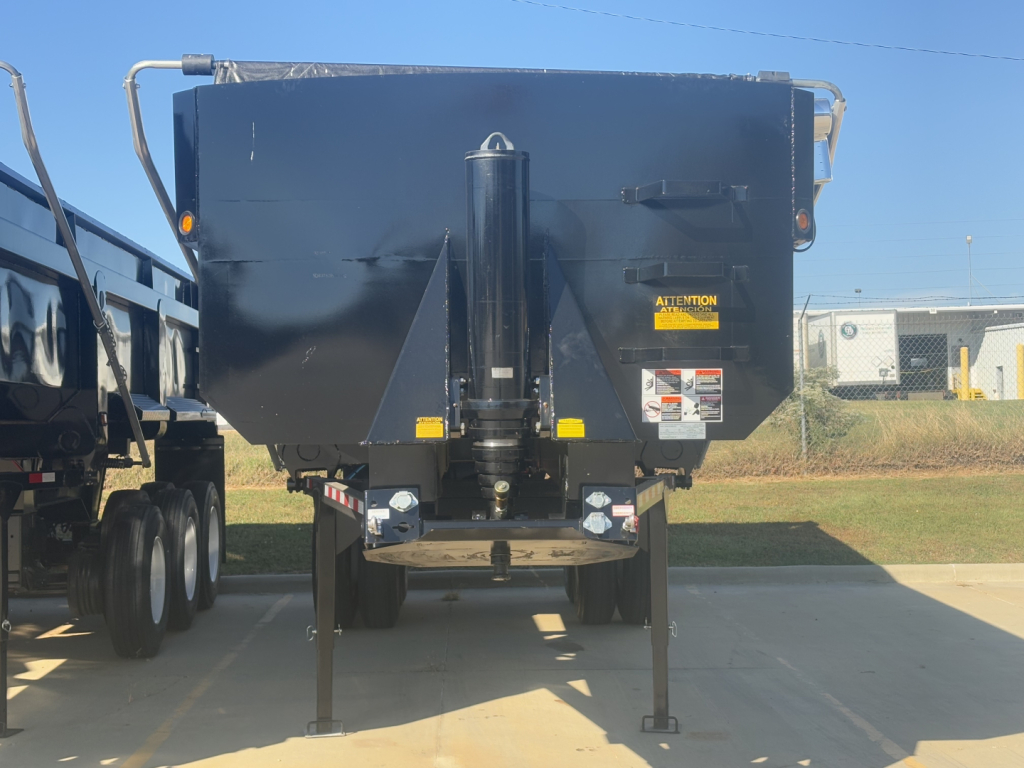
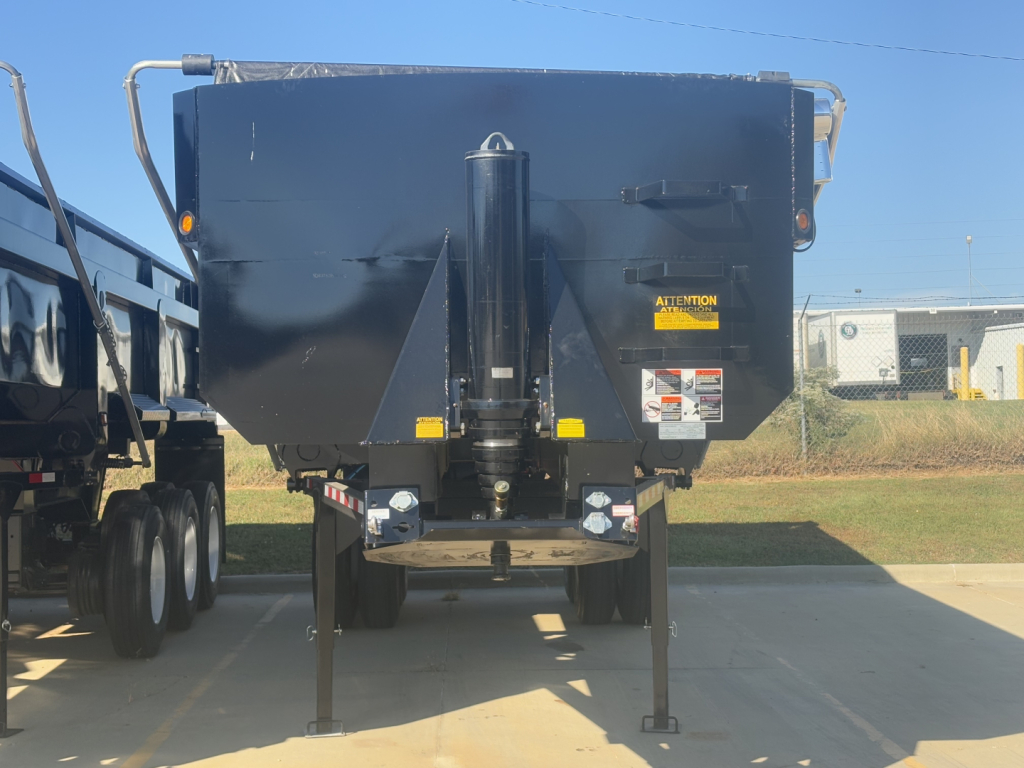
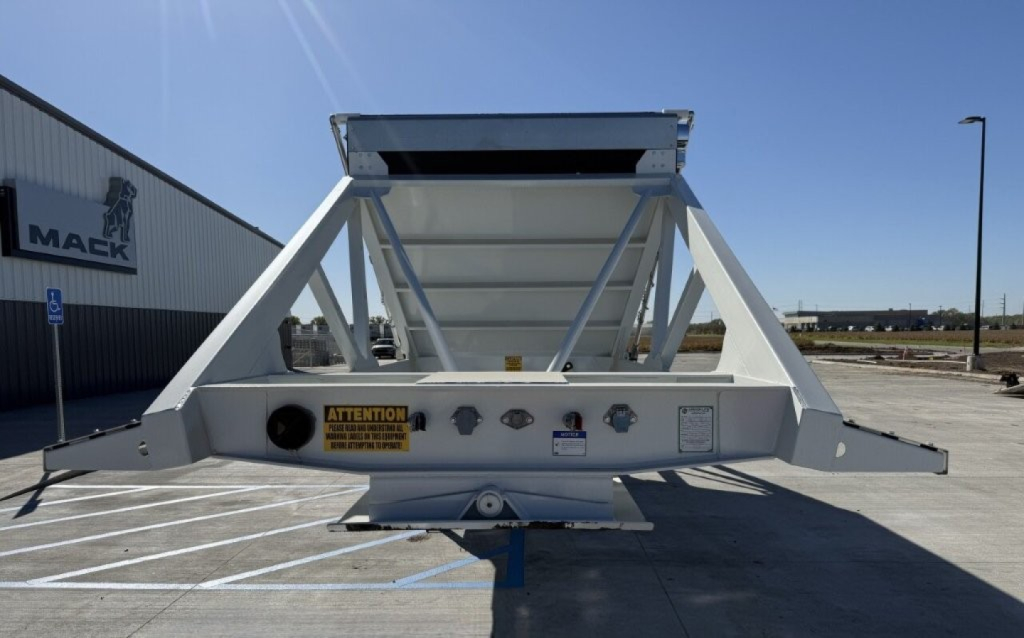
Selling a dump trailer? List your dump trailer for sale and reach thousands of commercial buyers.
Dump Trailers in Louisiana
The biggest spec decisions usually come down to body design, material, and suspension. Frameless dump trailers generally weigh less and are widely used in construction and material hauling, while frame-type dumps can be a better fit for severe-duty applications and rough jobsite conditions. Aluminum tubs are common where payload matters most, while steel bodies are often chosen for abrasive rock, scrap, and demolition service. Tandem axle setups are common, and many buyers look for air ride suspension for better road manners and cargo protection, along with lift axles or auto-sensing axle lift systems to improve tire life and maneuverability when running empty.
A buyer should also pay close attention to liner choice, tarp system, hoist configuration, gate style, and overall trailer geometry. Liners help reduce material sticking and can extend body life, especially with wet clay or abrasive loads. Electric flip tarps are a practical upgrade for faster load securement and better compliance on public roads. Check side wall height, tub length, floor thickness, and kingpin setting to make sure the trailer matches the tractor, legal bridge requirements, and the material being hauled. Brake type, tire size, wheel spec, and hydraulic compatibility matter too, especially if the trailer will be paired with an existing fleet tractor.
For Louisiana operations, moisture, heat, and mixed road conditions make durability details more important than they look on paper. Buyers should inspect crossmember design, hinge and pin construction, cylinder mount area, gate seals, wiring protection, and corrosion-prone hardware. If the trailer will spend time on soft surfaces or uneven dump sites, center of gravity and dump stability deserve extra attention. A well-matched dump trailer can improve payload efficiency, reduce cleanup from material carryback, and hold up better under the stop-and-start cycles common in regional construction and aggregate work.
Frequently Asked Questions about Dump Trailers in Louisiana
What is the difference between a frameless dump trailer and a frame-type dump trailer?
A frameless dump trailer typically has a lighter overall structure, which helps increase payload and makes it a common choice for aggregate, sand, and general bulk hauling. A frame-type dump trailer adds structural support underneath the body and is often preferred for severe-duty applications, rough terrain, or heavier impact loading. The better choice depends on the material, road conditions, and how much importance you place on low tare weight versus long-term durability in punishing service.
Is an aluminum dump trailer a good choice for Louisiana hauling?
Aluminum dump trailers are a strong fit for many Louisiana operations because they resist corrosion well and help maximize legal payload. They are commonly used for sand, gravel, dirt, and other bulk materials where weight savings matter. For highly abrasive material, demolition debris, or constant off-road punishment, some buyers still prefer steel or a trailer equipped with a liner to protect the body and floor.
What features matter most when buying an end dump trailer?
The most important features usually include body material, tub length, side height, floor thickness, suspension type, axle configuration, tarp system, liner, and gate design. Buyers should also confirm hydraulic compatibility with the tractor, brake specification, tire and wheel setup, and kingpin setting. These details affect payload, unloading stability, service life, and how well the trailer fits the routes and jobs it will actually run.
Why do many dump trailers use air ride suspension and lift axles?
Air ride suspension helps improve ride quality, reduces shock to the trailer structure, and can help protect both trailer and tractor on uneven roads. Lift axles, including auto-sensing front axle lift systems, can reduce tire scrub and rolling resistance when the trailer is empty or lightly loaded. That can lower operating costs and improve maneuverability, especially on tighter job sites or during local delivery cycles.
Do dump trailers need liners and tarp systems?
For many applications, yes. A liner helps material release more cleanly, reduces carryback, and adds protection against wear from abrasive or sticky loads. A tarp system is important for load securement, road compliance, and reducing spillage. Electric flip tarps are especially useful in high-cycle work because they save time and make it easier for the driver to cover loads consistently.