
Used Wabash Dry Van Trailers For Sale in Nebraska
Used Wabash dry van trailers for sale in Nebraska: compare DuraPlate walls, floor ratings, suspension, and winter corrosion before choosing a trailer.
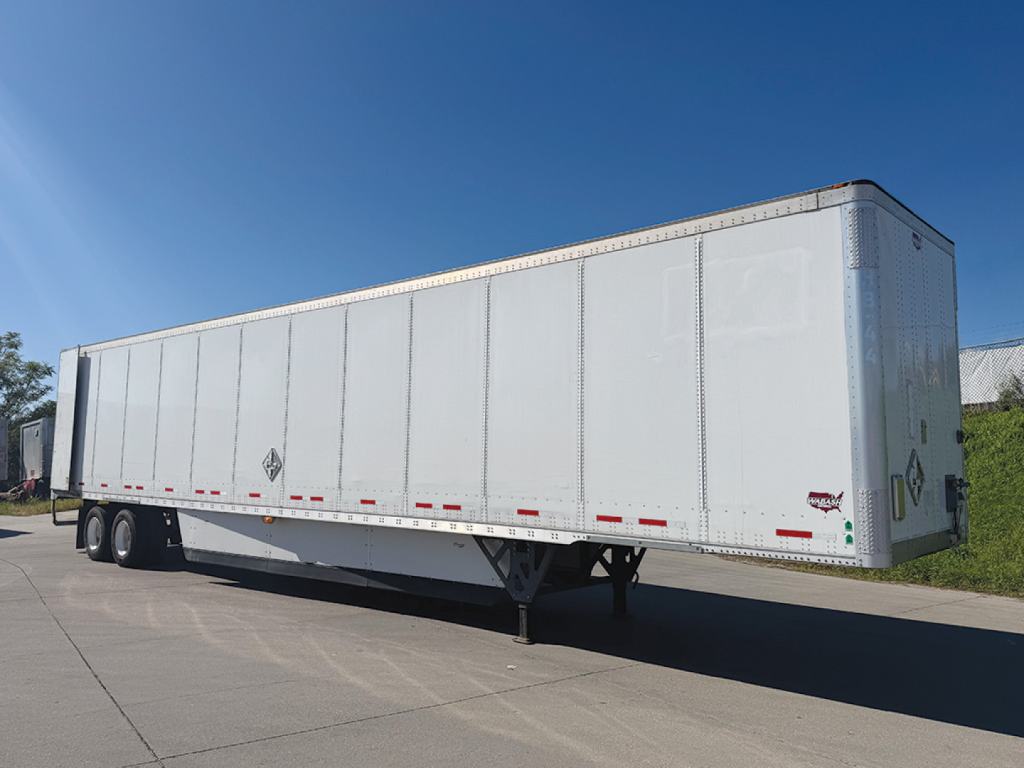
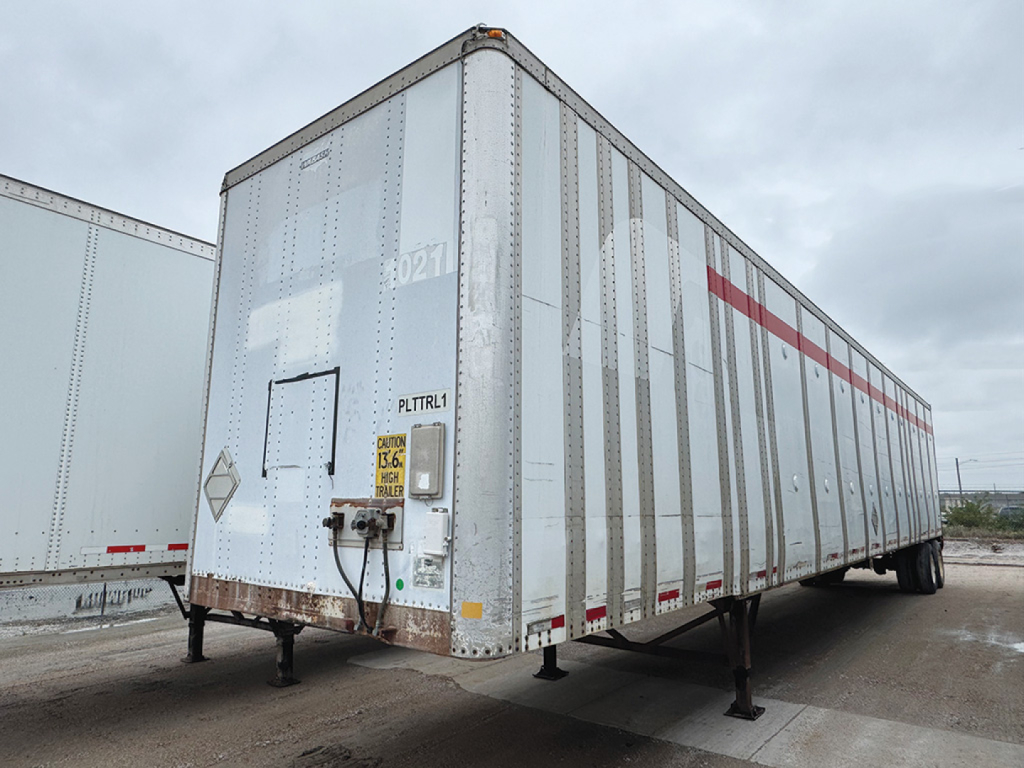
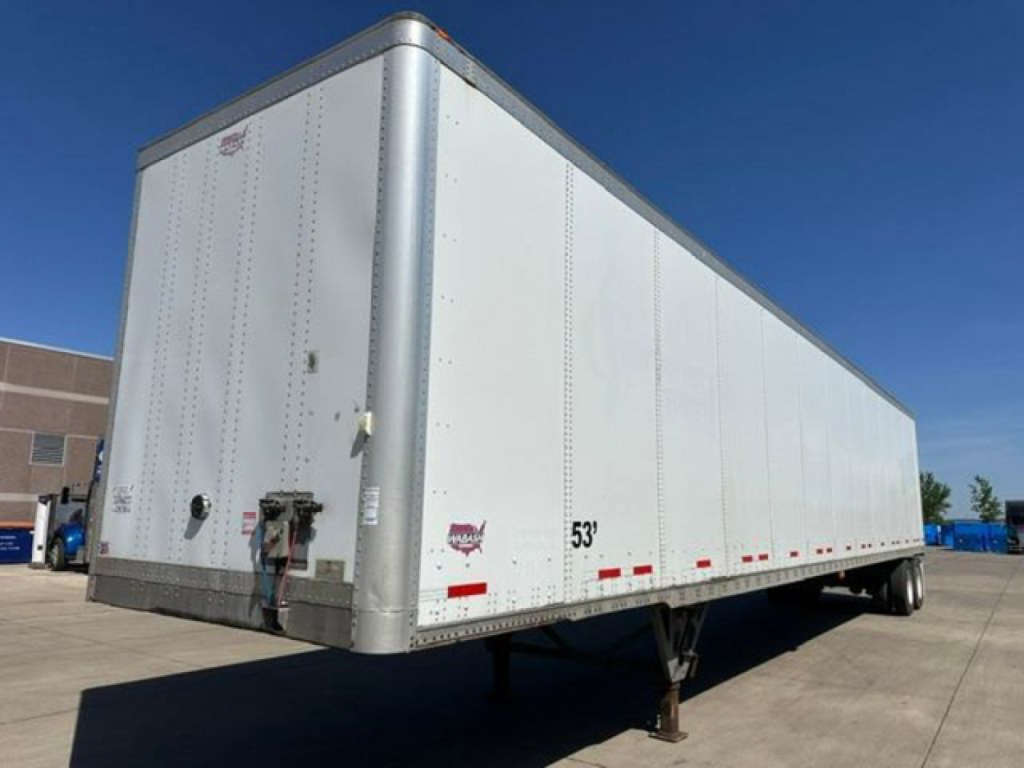
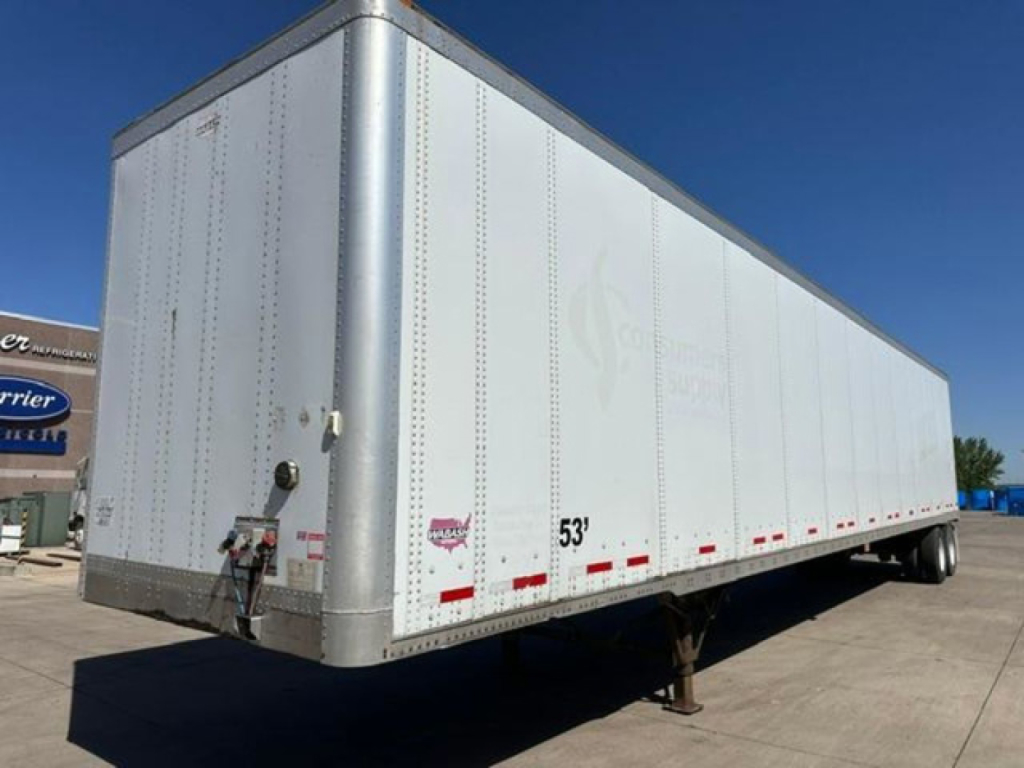
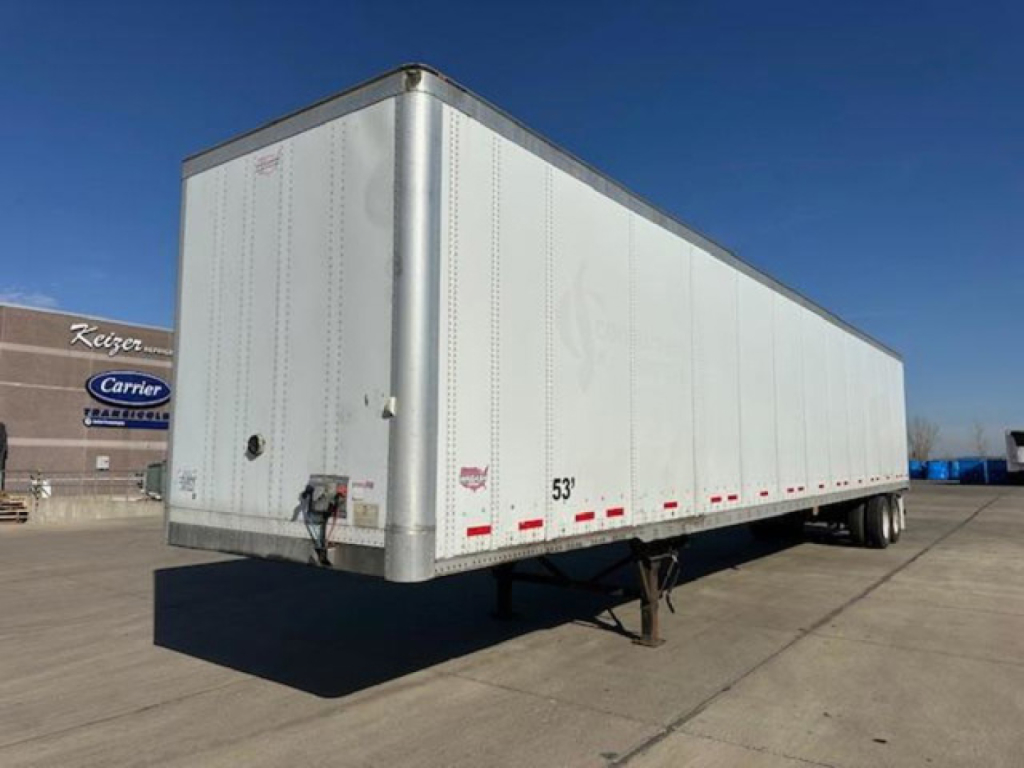

Selling a used wabash dry van trailer? List your used wabash dry van trailer for sale and reach thousands of commercial buyers.
Used Wabash Dry Van Trailers in Nebraska
Wabash DuraPlate vans use composite sidewall panels with steel skins and a polyethylene core, requiring different inspection checks than conventional sheet-and-post construction. Check panel seams, lower rails, fasteners, and forklift impact areas for separation, corrosion, or poorly executed patches. Smooth interior walls do not guarantee a sound trailer structure. Examine the wood floor from above and below, especially at the rear threshold and beneath common forklift wheel paths. Verify the original floor rating against the loaded forklift axle weight; soft boards and deteriorated crossmembers can reduce the floor's usable capacity.
Model year alone does not identify a Wabash van's equipment; confirm the build specifications and any later modifications. Spring suspension can suit straightforward local or drop-trailer work. Air ride helps isolate road shock but adds leveling valves, air springs, and plumbing to inspect. Swing doors usually provide more clear rear opening than roll-up doors, while roll-up doors avoid the swing clearance needed in tight yards. Check translucent roofs for impact cracks and aging, not just daylight inside.
Nebraska winter service makes undercarriage corrosion a major inspection priority, particularly around crossmembers, suspension hangers, brake chambers, and the upper coupler assembly. A trailer located in Nebraska may have spent years elsewhere, so establish its operating history rather than assuming local use. Inspect the kingpin and upper coupler plate for wear, cracks, distortion, and corrosion. Operate the tandem slider through its intended range and verify that every locking pin engages fully. Inspect side-skirt mounts for damage from snowbanks and uneven yards, and check tires for irregular wear that can indicate alignment or suspension problems.
Maintenance records should document roof leaks, floor replacement, structural repairs, wheel-end service, and brake work. Verify the latest annual inspection, but do not treat an inspection sticker as proof of cargo suitability. Compare near-term needs for tires, brakes, door hardware, landing gear, and air-system repairs before choosing a trailer. An older, well-maintained van can fit local freight better than a newer trailer with water intrusion or undocumented structural damage.
Frequently Asked Questions about Used Wabash Dry Van Trailers in Nebraska
How many pallets fit in a 53-foot Wabash dry van?
A 53-foot Wabash dry van commonly carries 26 standard 48-by-40-inch pallets in a straight-loaded, single-layer arrangement. That assumes two pallets across with the 48-inch dimension running lengthwise. Actual loading capacity can fall with overhanging freight, interior obstructions, or reduced door clearance. Pallet count does not override trailer payload, floor rating, axle limits, or cargo-securement requirements.
What weight limits apply to a Wabash dry van on Nebraska Interstates?
A standard tractor-trailer combination on Nebraska Interstates is generally limited to 80,000 pounds gross, 20,000 pounds on a single axle, and 34,000 pounds on a tandem axle, subject to the federal bridge formula. These are combination and axle limits, not the payload rating of a Wabash dry van. Non-Interstate routes, posted bridges, permits, tire ratings, and axle spacing can affect legal loading; verify the complete route.
What model year Wabash dry vans are required to have ABS?
Air-braked Wabash dry vans manufactured on or after March 1, 1998, were required to have ABS under U.S. federal manufacturing standards. Use the trailer's manufacture date, not just its advertised model year, to establish applicability. During inspection, verify the ABS warning lamp sequence, wheel-speed sensor wiring, and diagnostic faults. ABS faults require diagnosis separately from foundation-brake wear.
Can a used Wabash dry van haul food products?
A used Wabash dry van can haul packaged food when the body is clean, dry, pest-free, and suitable for the shipper's sanitation requirements. A seller's food-grade description does not replace inspection or shipper approval. Check prior cargo, odors, chemical residue, roof leaks, and floor contamination. Products requiring controlled temperature need appropriate temperature-controlled equipment rather than an uninsulated dry freight trailer.