
Used Wabash Dry Van Trailers For Sale in Iowa
Used Wabash dry van trailers for sale in Iowa: compare DuraPlate walls, floor condition, door clearance, and salt-related undercarriage corrosion.
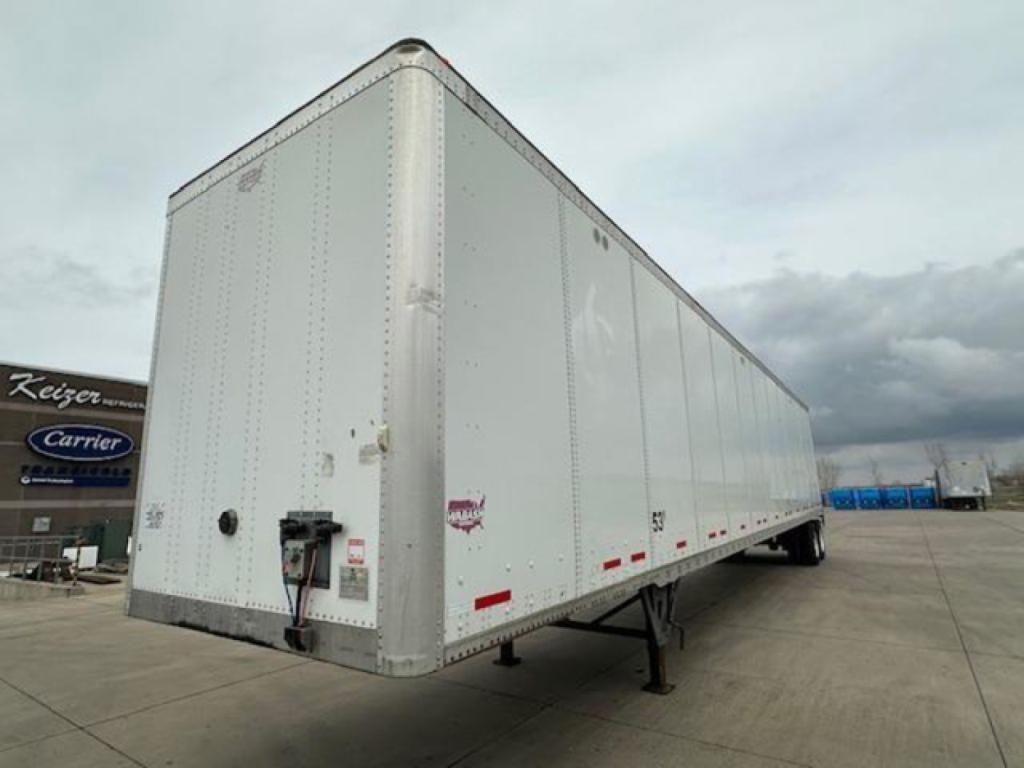
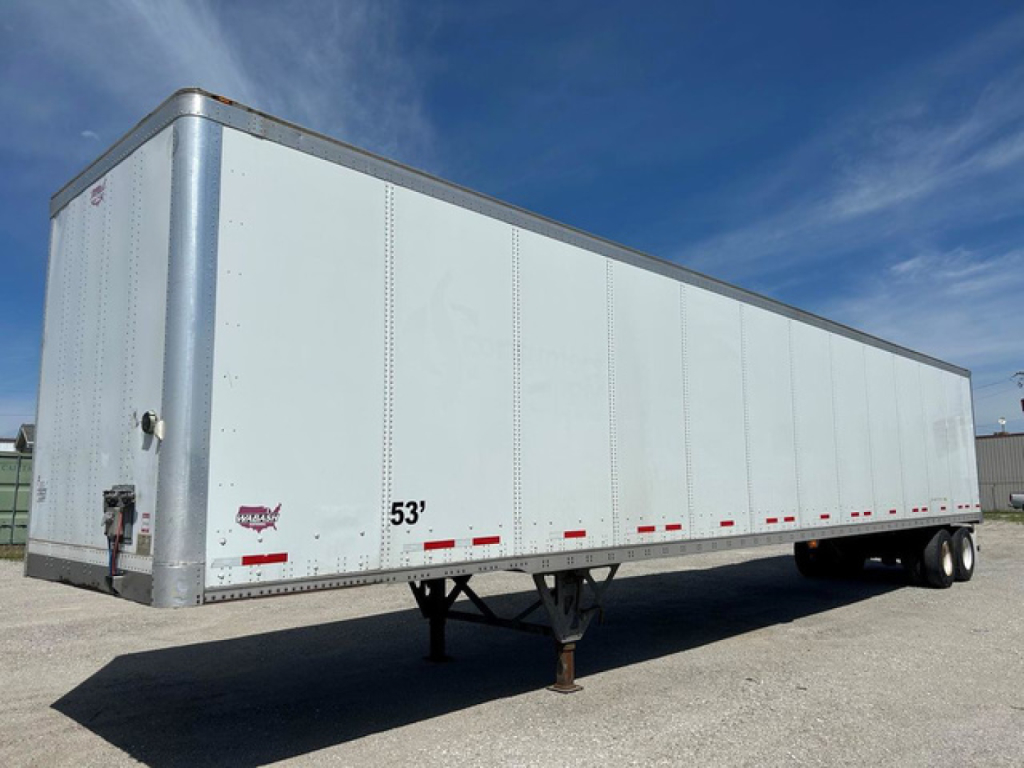
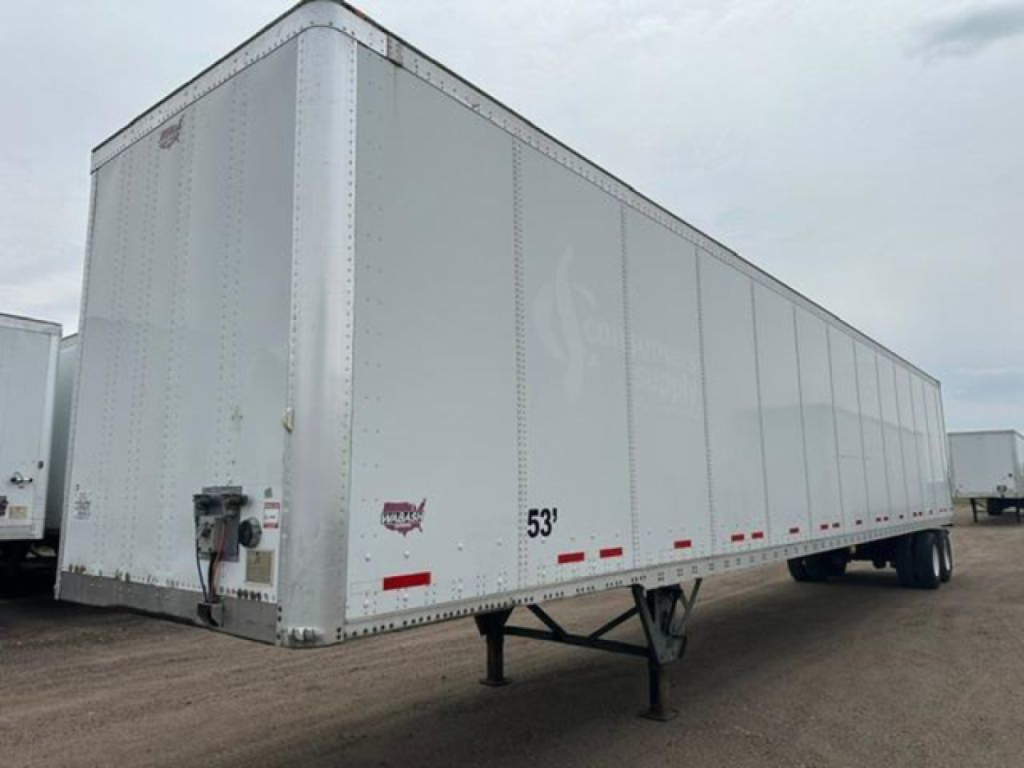
Selling a used wabash dry van trailer? List your used wabash dry van trailer for sale and reach thousands of commercial buyers.
Used Wabash Dry Van Trailers in Iowa
Wabash DuraPlate composite-wall trailers and conventional sheet-and-post vans deserve different wall inspections. DuraPlate panels need checks for punctures, separated skins, damaged joints, and questionable patches; sheet-and-post construction adds interior posts and liners that can reduce usable width and hide impact damage. Verify the original build specifications rather than assuming every Wabash box trailer has the same interior clearance or floor rating. Inspect wood flooring around the rear threshold and beneath common forklift travel paths, then examine supporting crossmembers from below. Match the floor's concentrated-load rating to loaded forklift axle weight, not just total cargo weight.
Across model years, service history matters more than fresh paint. Request brake, wheel-end, tire, roof-repair, and suspension records, and check ABS operation during inspection. A 53-foot air-ride van can suit interstate pallet freight, while shorter lengths or spring suspension may fit other routes and duty cycles. Roll-up doors simplify frequent dock stops but sacrifice some opening clearance; swing doors usually provide a larger opening. Test sliding tandems, locking pins, air bags where equipped, and landing gear before accepting the trailer.
Frequently Asked Questions about Used Wabash Dry Van Trailers in Iowa
How much can I legally haul with a 53-foot Wabash dry van in Iowa?
The standard Interstate gross combination weight limit in Iowa is 80,000 pounds, not 80,000 pounds of cargo. Legal payload is the permitted combination weight minus the actual tractor-and-trailer operating weight. Standard limits also include 20,000 pounds on a single axle and 34,000 pounds on a tandem, subject to bridge-formula requirements. Scale the loaded combination because tandem position, cargo placement, equipment ratings, and route restrictions can reduce usable payload.
Is a translucent roof a good choice for a used Wabash dry van?
A translucent roof adds daylight for loading but deserves close inspection for cracking, brittle areas, patches, and leaks. On a used Wabash dry van, examine roof bows, perimeter attachments, and interior water staining rather than judging the roof by brightness alone. A metal roof trades that daylight for different repair and durability considerations. Neither roof type guarantees a watertight trailer without sound seams and properly repaired damage.
Can a used Wabash dry van haul food products?
A clean, dry Wabash van can haul packaged, shelf-stable food when the shipper accepts the trailer's condition and prior-cargo history. Inspect for odors, pests, moisture, exposed debris, and residues in floor joints or wall repairs. Obtain cleaning and previous-load records where required by the customer. A standard dry freight trailer does not provide temperature control, and a seller's food-grade description does not establish suitability for every food shipment.
How do I check the ABS on an older Wabash trailer?
Use the trailer ABS warning lamp and controller fault codes together, not the lamp alone, to assess an older Wabash van. Confirm that the lamp illuminates during its power-up check and clears according to the controller's procedure; some older systems require wheel movement. Retrieve faults with compatible diagnostic equipment and inspect wheel-speed sensor wiring, connectors, and power supply. A missing or disconnected warning lamp can conceal a fault rather than prove normal operation.