
Wabash Dry Van Trailers For Sale in Iowa
Wabash dry van trailers for sale in Iowa: compare DuraPlate walls, door clearance, floor ratings, and winter corrosion before choosing a trailer.
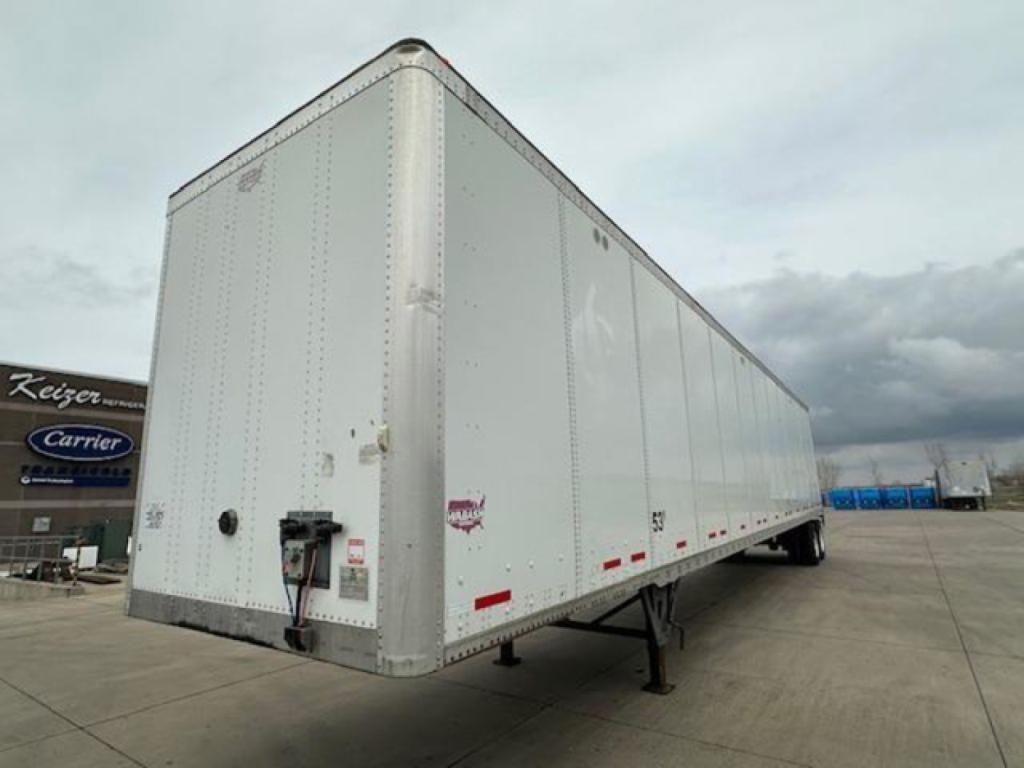
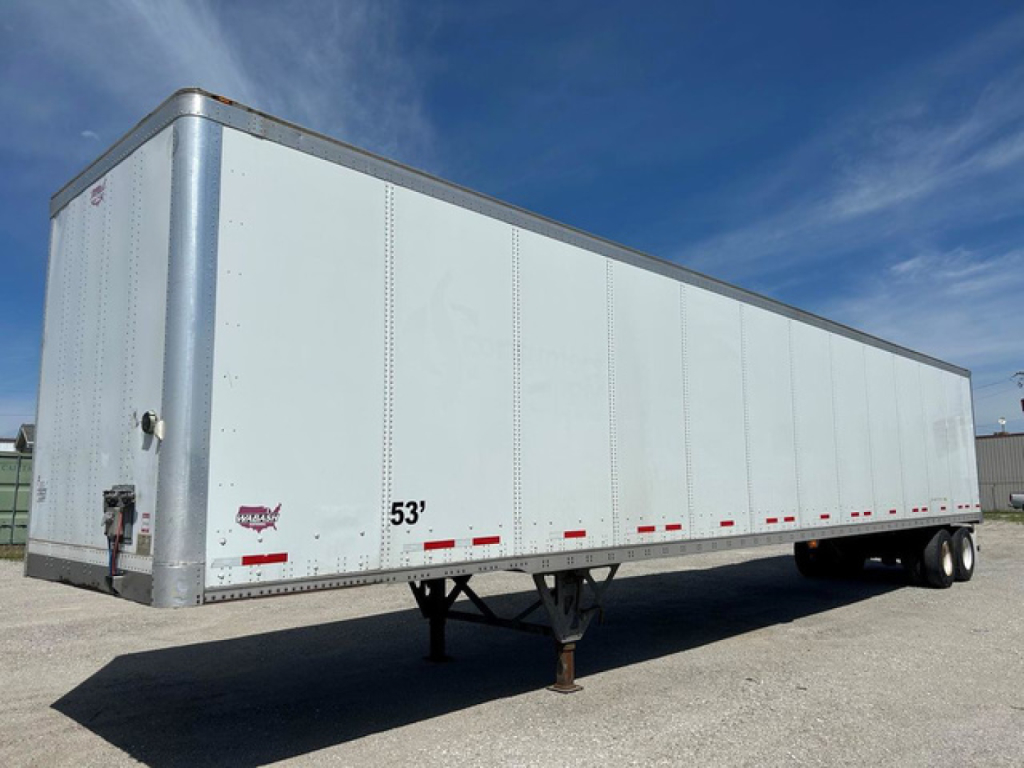
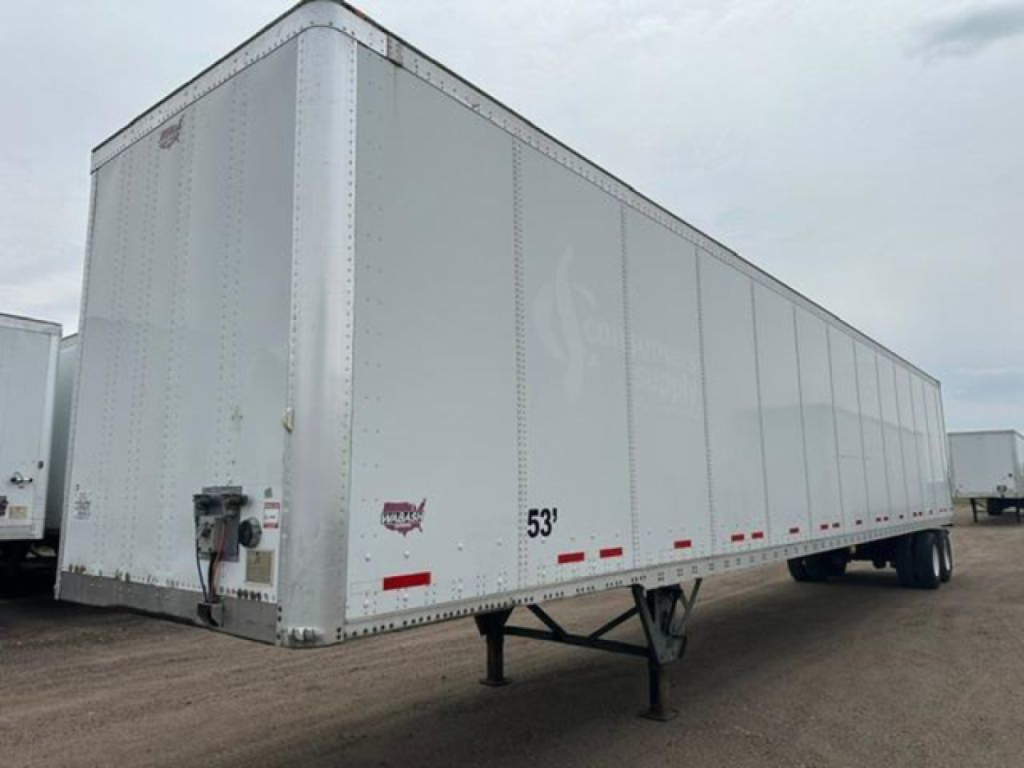
Selling a wabash dry van trailer? List your wabash dry van trailer for sale and reach thousands of commercial buyers.
Wabash Dry Van Trailers in Iowa
Start with the cargo and dock: a 53-foot, 102-inch-wide van is a common highway configuration, but usable rear opening and floor rating determine whether the load actually fits. Roll-up doors suit frequent dock stops, yet their overhead hardware reduces clear opening compared with many swing-door layouts. Check roll-up tracks, cables, springs, and panel joints; inspect swing-door hinges, seals, and locking rods. Translucent roofs improve daytime visibility but need close examination for cracking, hail damage, and leaks around seams and roof bows. Confirm floor capacity for loaded forklift axle weights, not just total cargo weight.
On used Wabash trailers, inspect steel crossmembers, upper coupler structure, landing-gear mounts, suspension hangers, and rear frame for salt-related section loss. Iowa freeze-thaw cycles and rough approaches also justify checking alignment, air-ride bushings, air springs, slider rails, and locking pins. Water-stained flooring or soft wood near the rear sill can signal recurring leaks. Match the VIN and build plate to maintenance records, brake measurements, tire history, and annual inspection documentation; model year alone does not establish remaining service life.
For a new trailer, specify door opening, cargo securement, floor duty, suspension, and roof material before comparing warranty terms and exclusions. Confirm whether the 12% federal excise tax applies to the new trailer transaction. For Iowa service, verify loaded axle distribution and legal slider positions for the intended routes, including any posted local bridges. Dry freight hauling for agricultural processors still requires clean, dry interiors and review of prior cargo, particularly where food shippers impose sanitation requirements.
Frequently Asked Questions about Wabash Dry Van Trailers in Iowa
Can damaged DuraPlate walls be repaired on a used Wabash dry van?
DuraPlate wall damage can be repaired, but the repair method must follow Wabash's requirements for the panel, joint, and structural location. Ask for repair documentation and inspect both sides of the damaged area. An overlay can conceal a larger puncture or compromised connection, so have questionable work evaluated by a trailer repair shop familiar with DuraPlate construction.
How much can a 53-foot Wabash dry van legally haul in Iowa?
80,000 pounds is the standard Interstate gross combination limit in Iowa for a conventional five-axle tractor-trailer, subject to axle weights and the federal bridge formula. Conventional tandem groups are generally limited to 34,000 pounds on the Interstate. Determine cargo payload by subtracting actual tractor, trailer, fuel, driver, and equipment weight from the allowable gross weight, then check each axle group. Trailer length alone does not determine legal payload.
Will an older Wabash dry van work with a newer tractor?
An older Wabash dry van can work with a newer highway tractor when kingpin condition, fifth-wheel height, air-brake connections, and electrical systems are compatible. Verify that the trailer rides level and has adequate tractor-to-trailer clearance through turns. Test every lamp and the trailer ABS warning circuit, and inspect the upper coupler plate rather than assuming successful coupling proves compatibility.
Is automatic tire inflation worth specifying on a Wabash dry van in Iowa?
Automatic tire inflation helps maintain trailer tire pressure between inspections, which is useful on Iowa routes with large seasonal temperature swings. The system does not replace tire inspections or make a damaged tire serviceable. Confirm compatibility with the Wabash trailer's axle and wheel-end configuration, inspect hoses and hub fittings on used equipment, and include the inflation system's service requirements in the maintenance plan.