
Wabash Dry Van Trailers For Sale in Illinois
Wabash dry van trailers for sale in Illinois: compare DuraPlate construction, forklift floor ratings, salt corrosion, and new-trailer warranty terms.
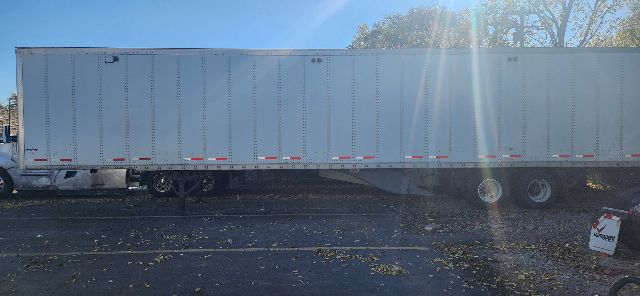
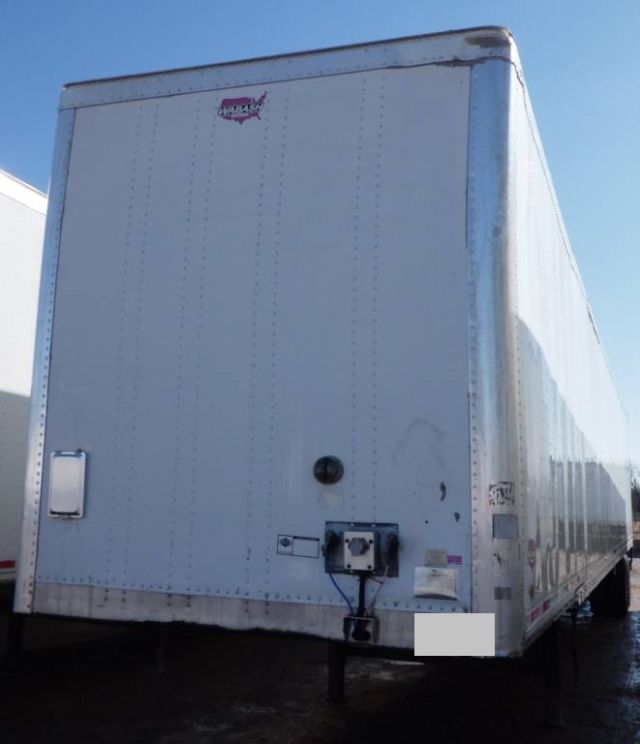
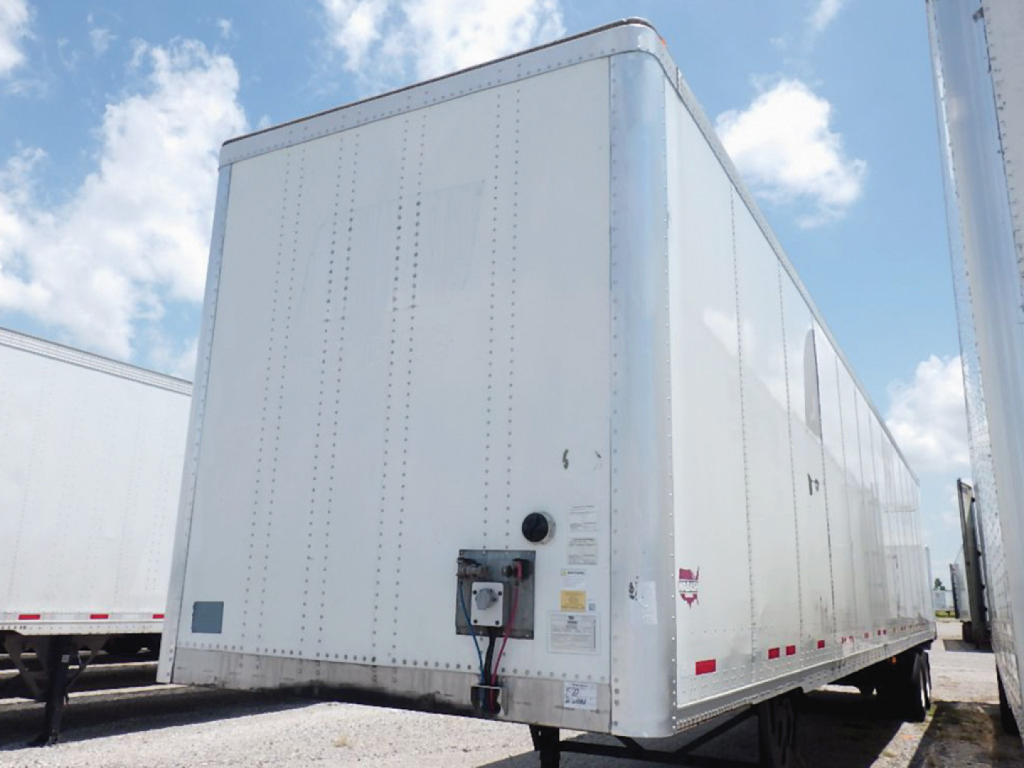
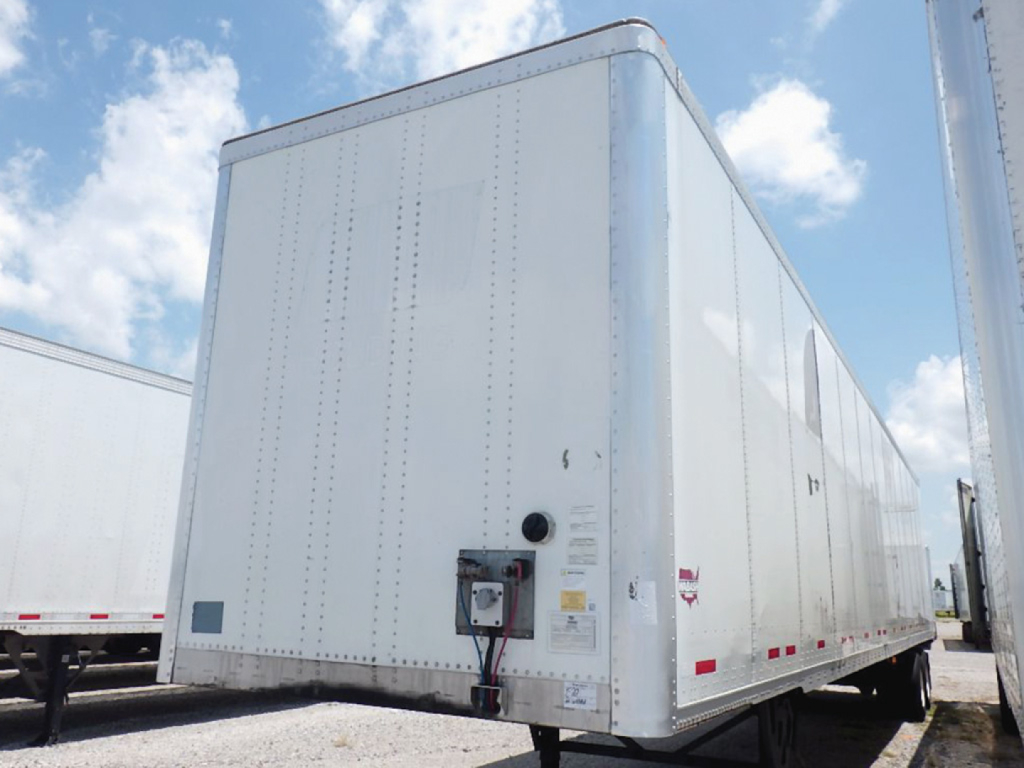
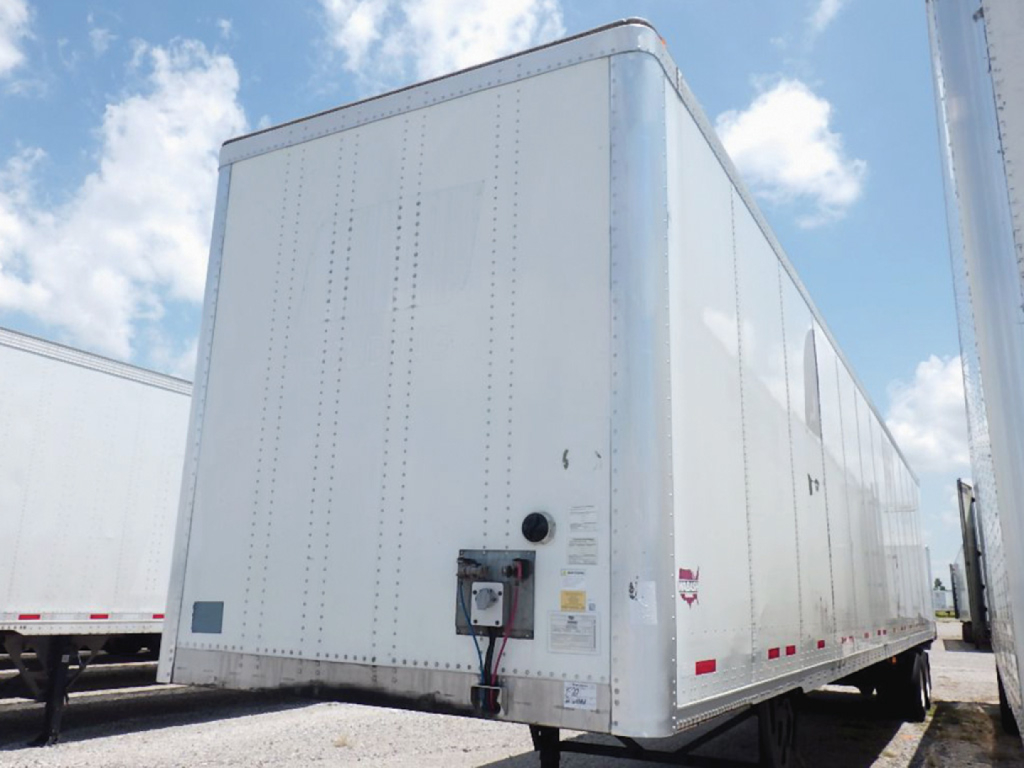
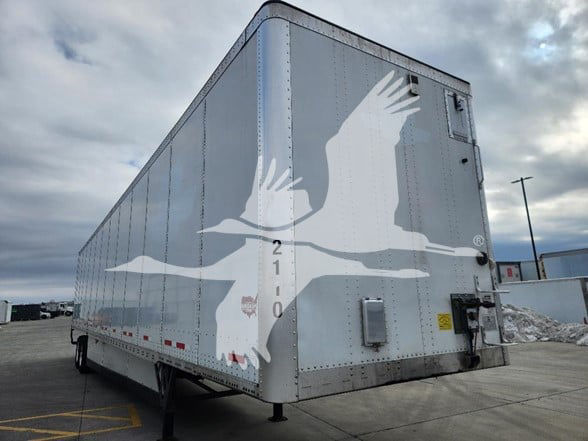
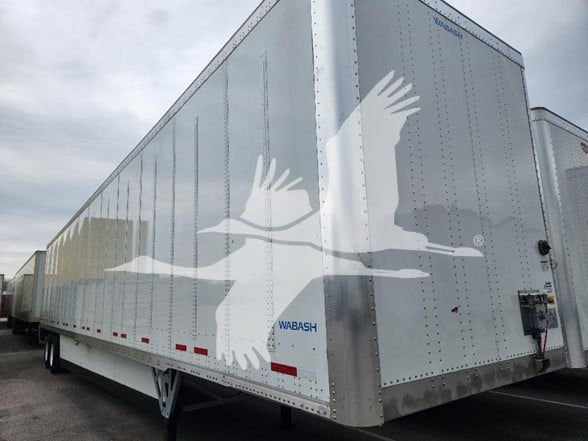
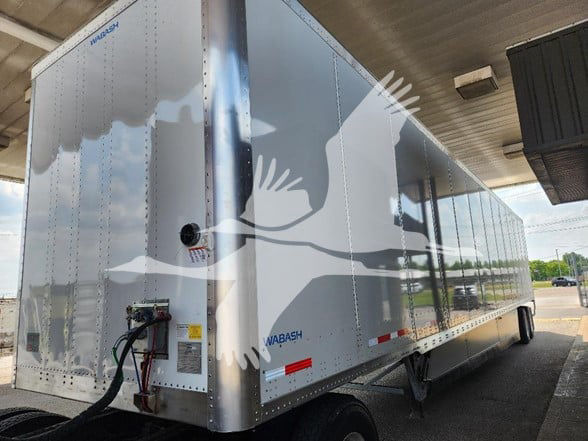
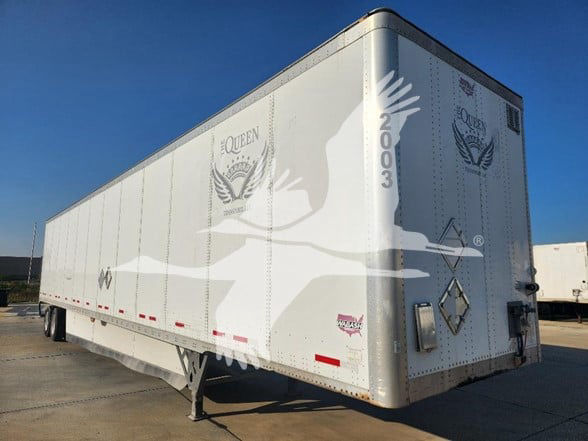
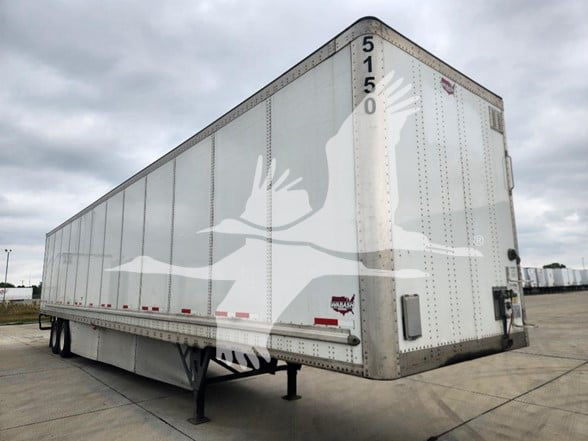
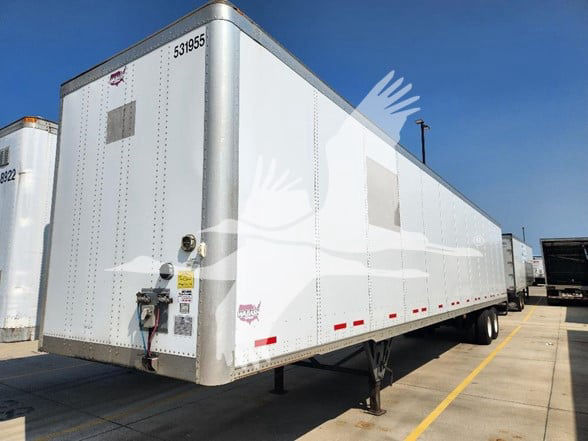
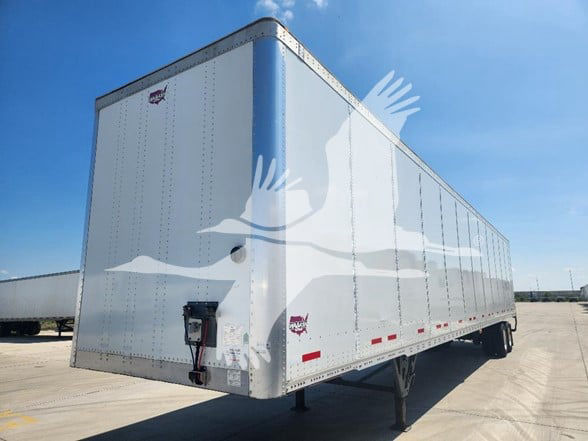

Showing 1 to 28 of 60 results
Selling a wabash dry van trailer? List your wabash dry van trailer for sale and reach thousands of commercial buyers.
Wabash Dry Van Trailers in Illinois
Illinois warehouse, packaged-food, and manufacturing freight along I-55, I-80, and I-90 favors dock-height box trailers with dependable floors and securement options. A 53-foot by 102-inch van is a common highway configuration, but exterior dimensions do not establish usable cube or rear-door clearance. Match swing or roll-up doors to dock procedures, and verify tractor fifth-wheel height, landing-gear clearance, and tandem-slider travel. Illinois route designations, posted bridge limits, and local delivery restrictions still govern where a loaded combination can run.
On used Illinois trailers, inspect the upper coupler, kingpin attachment, crossmembers, slider rails, suspension hangers, landing gear, and rear impact guard for corrosion or poorly executed repairs. Winter salt can attack steel underneath a sound-looking composite body. Check panel joints, roof seams, door seals, and floor staining for leaks, then examine the rear threshold and floor underside for forklift damage or decay. Operate the slider and confirm every locking pin engages. Review annual inspection reports and brake, wheel-end, and suspension maintenance records; inspect ABS wiring and tire-inflation plumbing where fitted. Older equipment needs particular attention to accumulated repairs, not just the stated model year.
For a new Wabash van, specify floor loading, cargo securement, door design, suspension, corrosion protection, and aerodynamic equipment before ordering. Confirm finished tare weight and obtain written manufacturer and supplier warranty terms, including corrosion exclusions and coverage for axles, brakes, and tires. Account for the 12% federal excise tax on qualifying new trailers, and separate scheduled maintenance from warranty repairs when planning ownership costs.
Frequently Asked Questions about Wabash Dry Van Trailers in Illinois
What floor rating do I need for a Wabash dry van loaded by forklift?
The loaded forklift's front-axle load is the key figure to compare with a Wabash dry van's documented floor rating. Trailer payload capacity does not establish forklift floor capacity. Obtain the forklift's loaded axle weights and confirm the trailer manufacturer's rating conditions, including wheel spacing and tire contact area. Repeated concentrated loads also make crossmember condition and floor repairs critical.
What weight limits apply to a loaded Wabash dry van in Illinois?
80,000 pounds gross and 34,000 pounds on a tandem are the standard federal Interstate limits for a five-axle tractor-trailer in Illinois. A Wabash dry van must also comply with the Federal Bridge Formula, equipment ratings, and posted restrictions. Moving the sliding tandem changes axle distribution and spacing, but does not increase the trailer's rated capacity. Check the entire delivery route, including local roads.
Which older Wabash dry van trailers are required to have ABS?
Air-braked Wabash semitrailers manufactured on or after March 1, 1998, were required to have ABS under federal manufacturing standards. Use the certification label's manufacture date rather than relying solely on the advertised model year. Earlier trailers may lack factory ABS. During inspection, verify the warning lamp's operation and have fault codes read; a disconnected lamp does not prove the system works.
Should I choose air ride or spring suspension on a Wabash dry van?
Air ride is usually the better match for damage-sensitive freight and customers that specify air-suspension trailers. Spring suspension can suit routine dry freight or storage work with fewer pneumatic components to maintain. On a used Wabash dry van, compare air bags, shocks, and height-control valves against spring packs, bushings, and hangers. Neither suspension type compensates for overloading or poor load securement.
Can a Wabash dry van haul packaged food in Illinois?
A Wabash dry van can haul shelf-stable packaged food, but it cannot replace a refrigerated trailer for temperature-controlled loads. Food shippers may require documented cleaning, acceptable prior cargo history, and a dry, odor-free interior. Inspect wood floors, wall joints, and door seals for moisture, pests, and contamination. Confirm the shipper's sanitation requirements before assigning a trailer previously used for chemicals or waste.