
2016 Wabash Dry Van Trailers For Sale in South Dakota
Compare 2016 Wabash dry van trailers for sale in South Dakota by door clearance, DuraPlate construction, winter corrosion, and maintenance history.
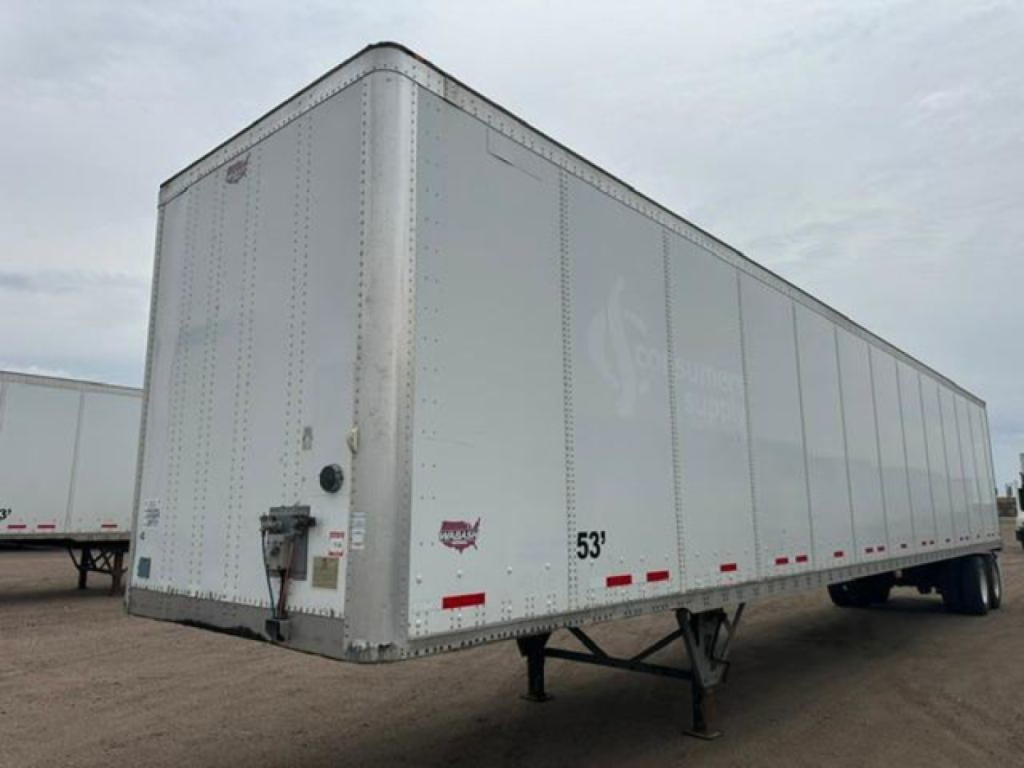
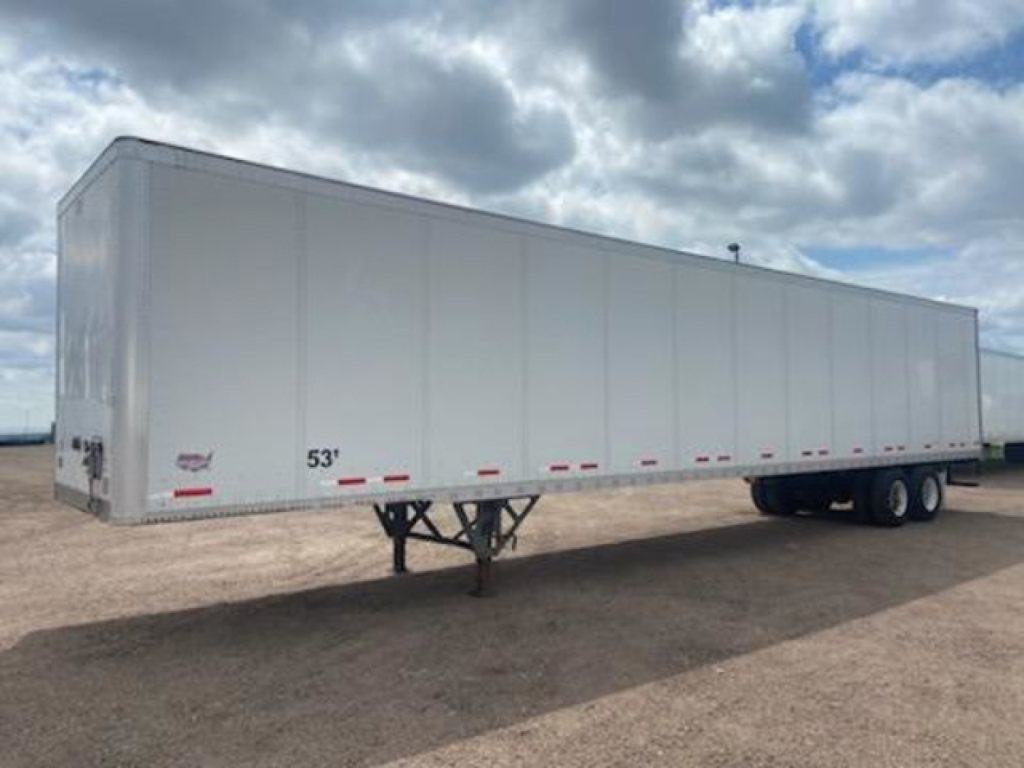
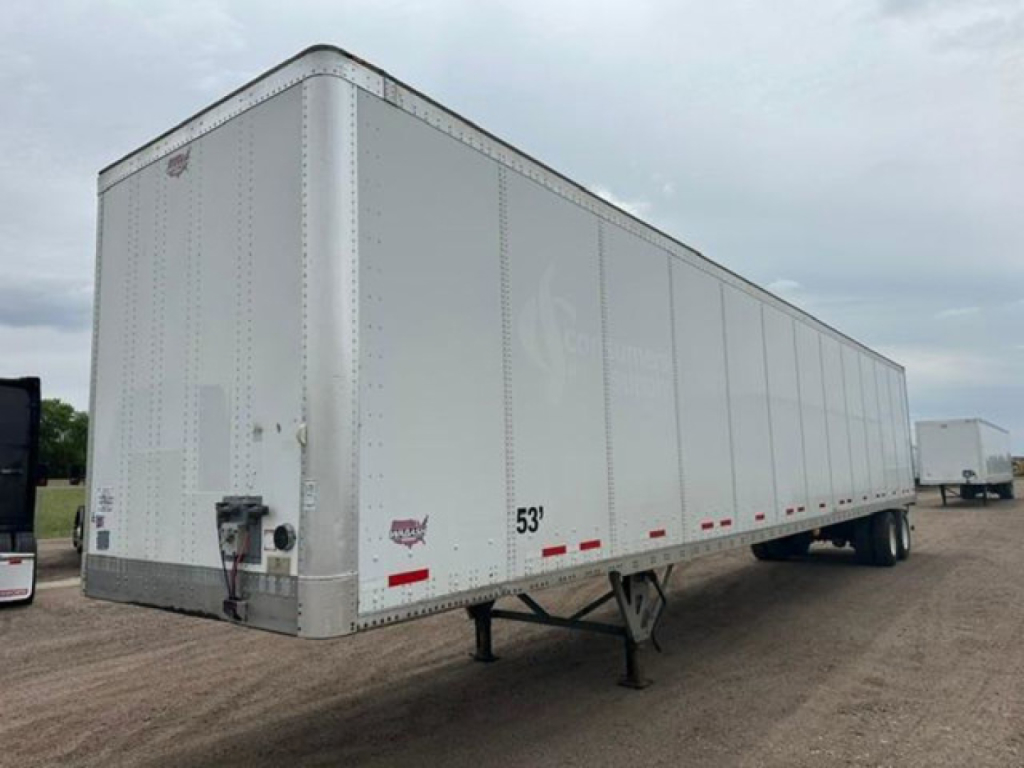
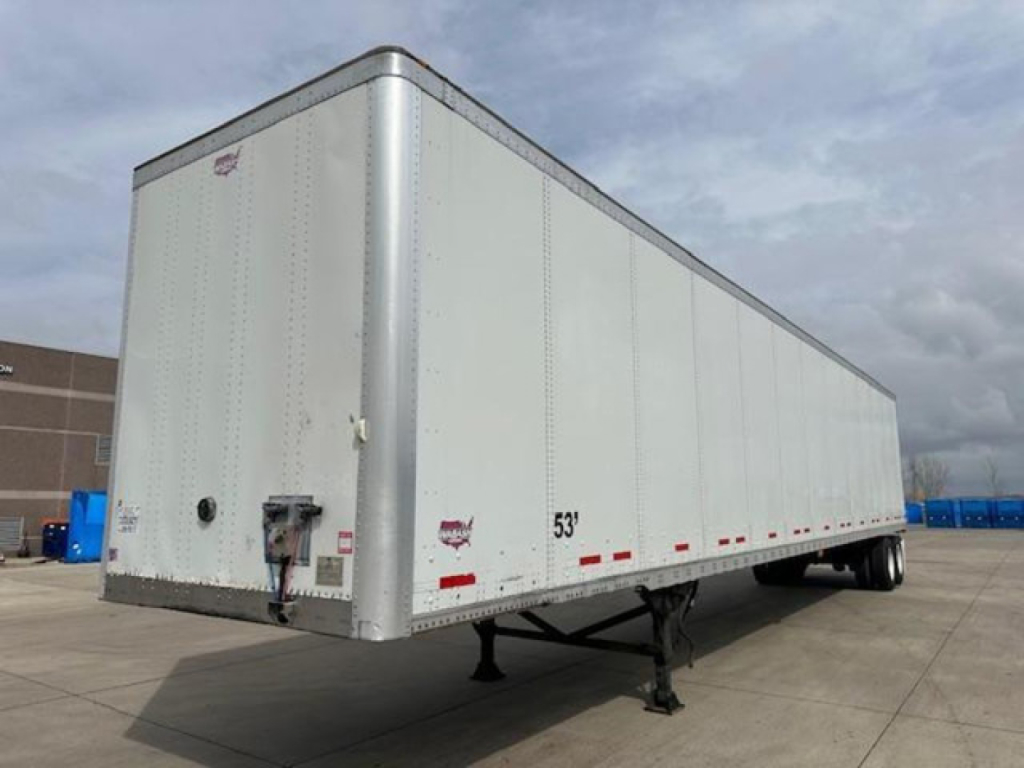
Selling a 2016 wabash dry van trailer? List your 2016 wabash dry van trailer for sale and reach thousands of commercial buyers.
2016 Wabash Dry Van Trailers in South Dakota
Wabash's DuraPlate composite-panel construction and conventional sheet-and-post designs require different inspection approaches, so identify the body construction rather than relying on the interior liner description. Inspect composite panels for punctures, separation, and previous repairs; inspect sheet-and-post bodies for bent posts, loose fasteners, and damaged scuff liners. On a translucent-roof trailer, look for brittleness, cracked patches, and water tracks at roof bows and perimeter joints. Roof daylight helps loading visibility, but roof integrity matters more than brightness.
South Dakota winter exposure makes undercarriage condition especially important on a 2016 model. Examine crossmembers, landing gear braces, suspension hangers, slider rails, brake chambers, and air lines for corrosion or impact damage. Operate the slider through its travel and verify every locking pin engages; seized mechanisms complicate axle-weight adjustment. Check floor softness around the rear threshold and beneath roof leaks, then inspect the kingpin plate and rear frame for cracking. Air springs, shocks, wheel seals, brake components, and tire age deserve attention even when tread depth looks acceptable.
Used trailers should have repair records, annual inspection documentation, and evidence of brake and wheel-end service. For any 2016 trailer represented as new or unused, verify storage history, tire date codes, title status, and written warranty eligibility rather than assuming factory coverage remains intact. Qualifying new semitrailers can incur the 12% federal excise tax at first retail sale; model year alone does not establish whether that tax has already been paid. Document tax treatment and included equipment before purchase.
Frequently Asked Questions about 2016 Wabash Dry Van Trailers in South Dakota
How do I know whether a 2016 Wabash dry van floor can handle my forklift?
The trailer's documented floor rating must accommodate the loaded forklift's axle loads, not just the freight weight. Obtain the original Wabash specification or manufacturer confirmation for the trailer's floor and crossmember configuration. A distributed payload rating does not establish forklift capacity. Previous floor repairs, weakened crossmembers, and concentrated wheel loads can make an otherwise sound-looking dry van unsuitable for heavy dock loading.
What weight limits apply to a 53-foot dry van in South Dakota?
Standard federal Interstate limits are 80,000 pounds gross combination weight, 20,000 pounds on a single axle, and 34,000 pounds on a tandem, subject to the Federal Bridge Formula. A 53-foot dry van's capacity also depends on tractor weight, axle spacing, component ratings, and load placement. South Dakota has additional weight provisions for qualifying configurations, so confirm route-specific limits, registration requirements, and any applicable exceptions before planning heavier loads.
Should a 2016 Wabash dry van trailer have ABS?
A 2016 Wabash highway dry van should have a functioning trailer ABS system. Check the warning lamp's prescribed startup sequence and have a technician retrieve faults if the lamp remains illuminated or fails to operate. Inspect wheel-speed sensor wiring, connectors, and the electrical supply. ABS diagnostics supplement a physical brake inspection; a working warning lamp does not establish lining, drum, or air-system condition.
How much tire tread is legally required on a used dry van trailer?
Dry van trailer tires used in interstate commercial service in the United States generally need at least 2/32 inch of tread in a major tread groove. Legal tread depth alone is not a sound purchase standard for a 2016 trailer. Check date codes, sidewall cracking, exposed material, irregular wear, and dual-tire matching, then budget replacements according to condition and intended service.