
2009 Wabash Dry Van Trailers For Sale in New York
Compare 2009 Wabash dry van trailers for sale in New York by salt corrosion, floor strength, door clearance, and legal routes for 53-foot vans.
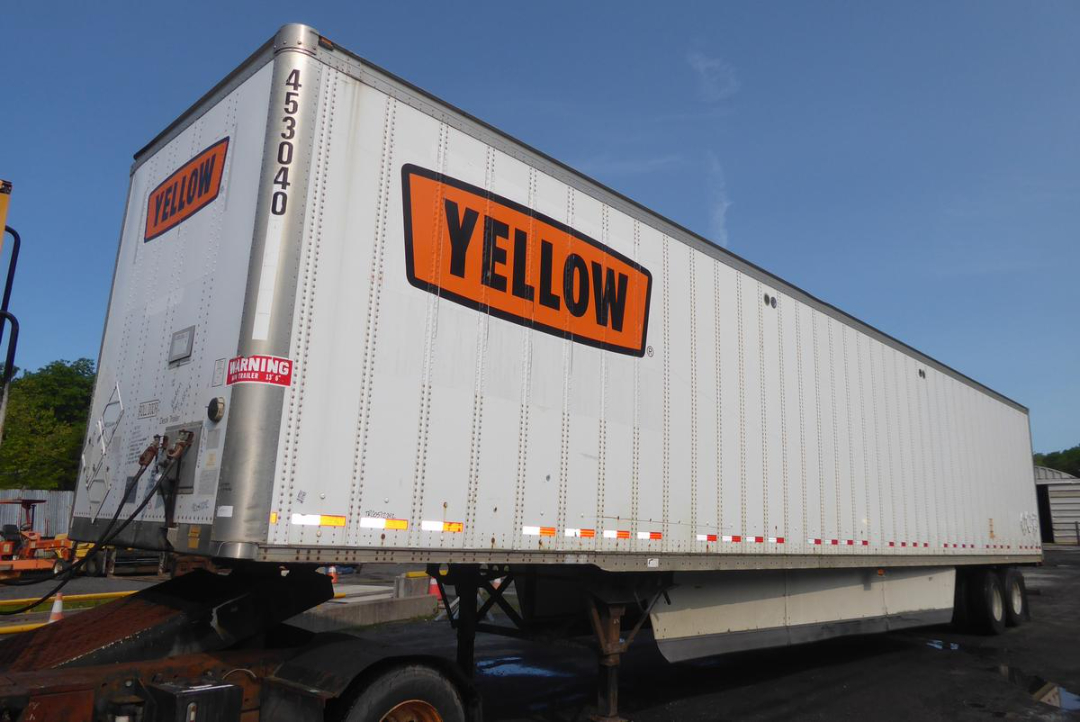

Selling a 2009 wabash dry van trailer? List your 2009 wabash dry van trailer for sale and reach thousands of commercial buyers.
2009 Wabash Dry Van Trailers in New York
On a used 2009 trailer, inspect steel crossmembers, landing-gear mounts, tandem rails, and the rear sill for salt-driven section loss, not just surface rust. Check wood flooring underneath for rot and around forklift wheel paths for crushed boards or loose fasteners. Roof seams, translucent panels, and corner caps need a leak test; stains alone do not show whether repairs hold. Operate sliding tandems and verify that every locking pin seats fully. Spring-ride suspensions need checks for broken leaves, worn equalizers, and damaged hangers. Request maintenance records covering brakes, wheel ends, tires, and structural repairs.
For any unused 2009 van, verify storage conditions, tire date codes, seal deterioration, and written warranty eligibility rather than treating the trailer as a current factory order. Confirm whether a qualifying first retail sale carries the 12% federal excise tax. For New York service, match floor capacity, cargo securement, and rear-door configuration to the load, then verify legal routes before assigning a 53-foot trailer to urban deliveries.
Frequently Asked Questions about 2009 Wabash Dry Van Trailers in New York
Can I use a 53-foot Wabash dry van for deliveries in New York City?
A 53-foot Wabash dry van is restricted to specific authorized routes and uses in New York City, not the entire truck-route network. Check current NYC DOT rules for the complete approach and delivery route before dispatch. A truck-route designation alone does not establish permission for a 53-foot trailer, and a legal highway approach does not guarantee legal access to the customer.
Is a roll-up door or swing door better on a 2009 Wabash dry van?
A roll-up door suits frequent dock stops, while swing doors typically provide a larger clear opening for bulky freight. On a 2009 Wabash dry van, measure the actual opening against the tallest pallet and handling equipment. Inspect roll-up tracks, cables, rollers, and the spring assembly; inspect swing-door hinges, locking rods, seals, and rear-frame alignment. Match the door arrangement to the receiving docks rather than exterior trailer dimensions.
Should a 2009 Wabash dry van trailer have ABS?
A 2009 Wabash air-brake dry van should have ABS, because federal manufacturing standards required ABS on air-braked semitrailers built on or after March 1, 1998. During inspection, verify the warning lamp's proper self-test and have stored faults diagnosed. Examine wheel-speed sensor wiring, connectors, and power supply for corrosion or damage. Working foundation brakes do not establish that the ABS system functions correctly.
How much cargo can a 2009 Wabash trailer with a 68,000-pound GVWR carry?
A 68,000-pound trailer GVWR is not a 68,000-pound cargo allowance. Subtract the Wabash trailer's verified empty weight to establish its rated cargo ceiling, then check tractor-trailer gross weight, individual axle loads, tire ratings, and applicable bridge limits. The lowest governing limit controls the load. Obtain scale weights with the intended tractor and tandem position rather than relying solely on an estimated trailer weight.
Should I choose spring ride or air ride on an older Wabash dry van?
Spring ride is a practical choice for durable packaged freight, while air ride is often preferred for shock-sensitive cargo or customer specifications requiring it. On a 2009 Wabash dry van, suspension condition matters alongside suspension type. Air ride adds bags, valves, lines, and height-control components to inspect. Confirm the customer's requirements before buying, because retrofitting a different suspension involves substantial structural and engineering considerations.