
Used Dry Van Trailers For Sale in Nebraska
Used dry van trailers for sale in Nebraska: compare floor integrity, winter corrosion, tandem operation, and cargo dimensions before choosing a used van.
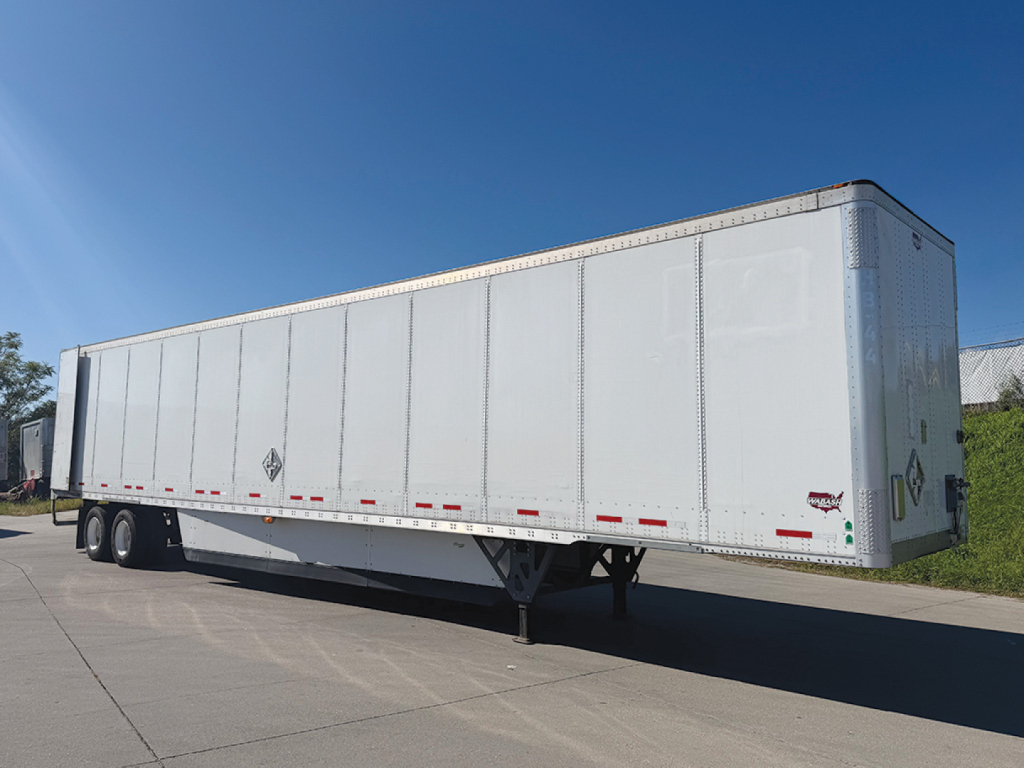
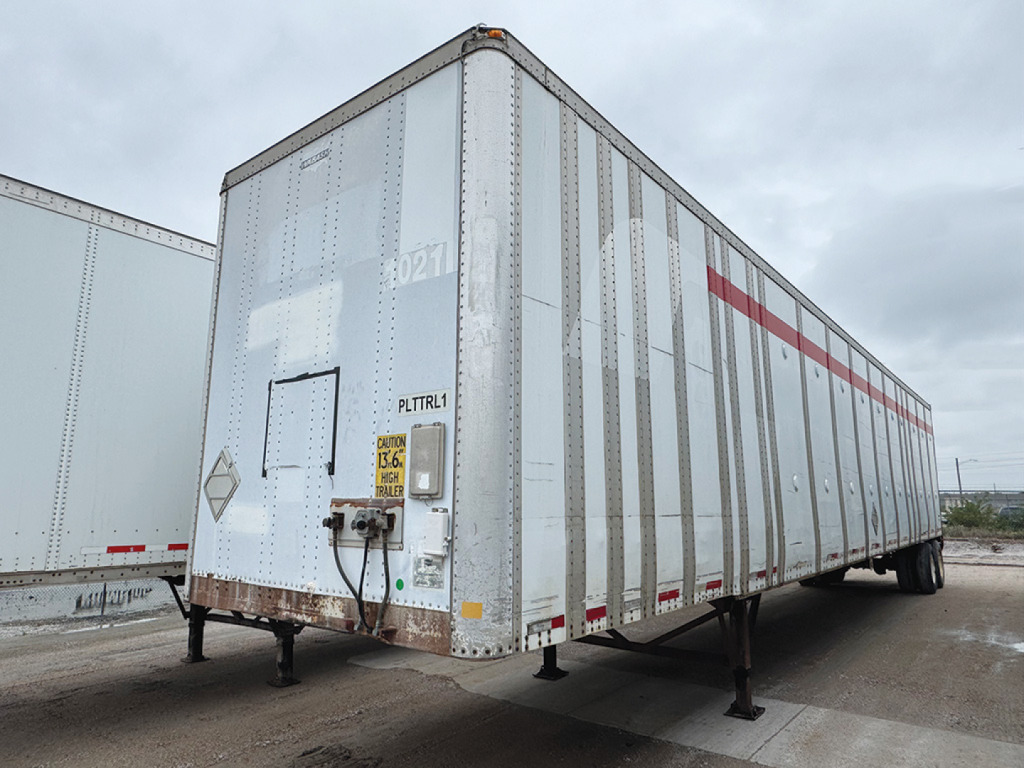
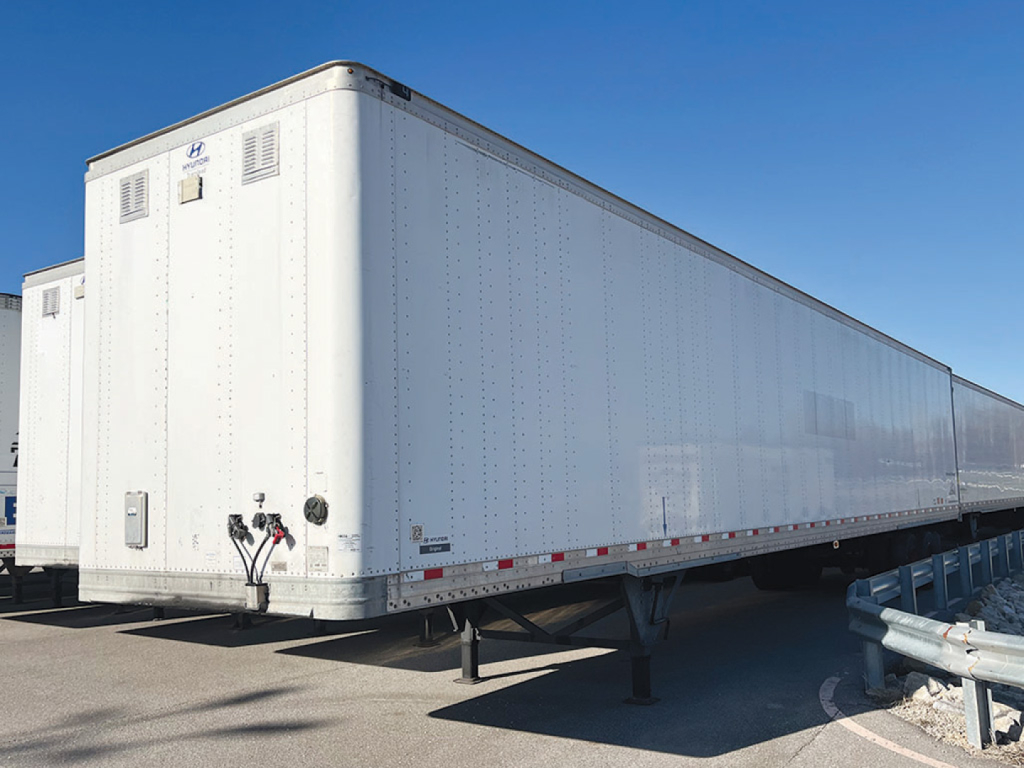
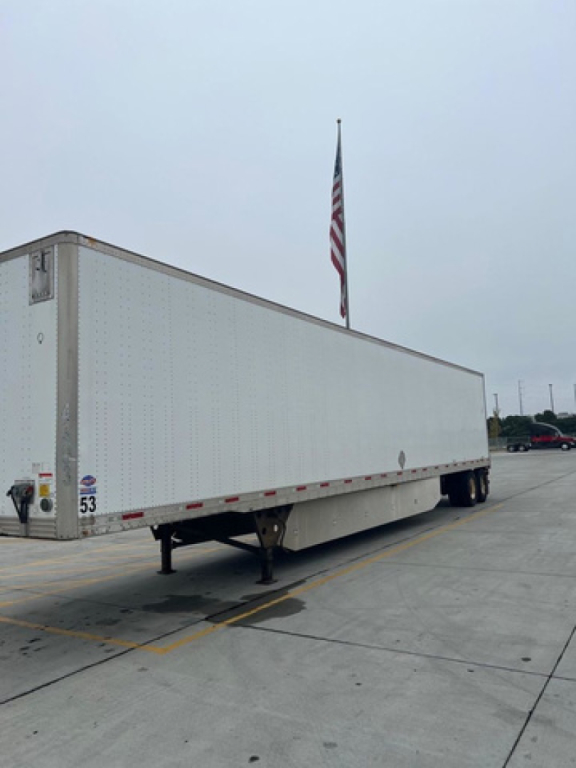
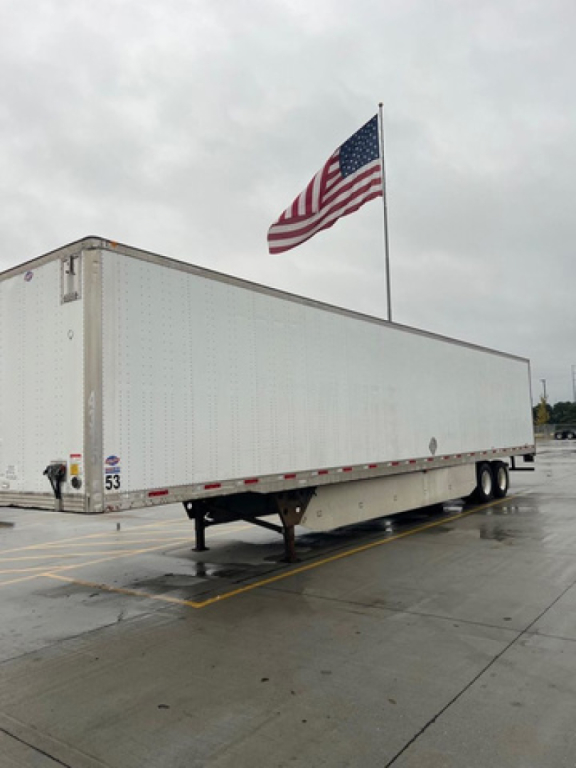
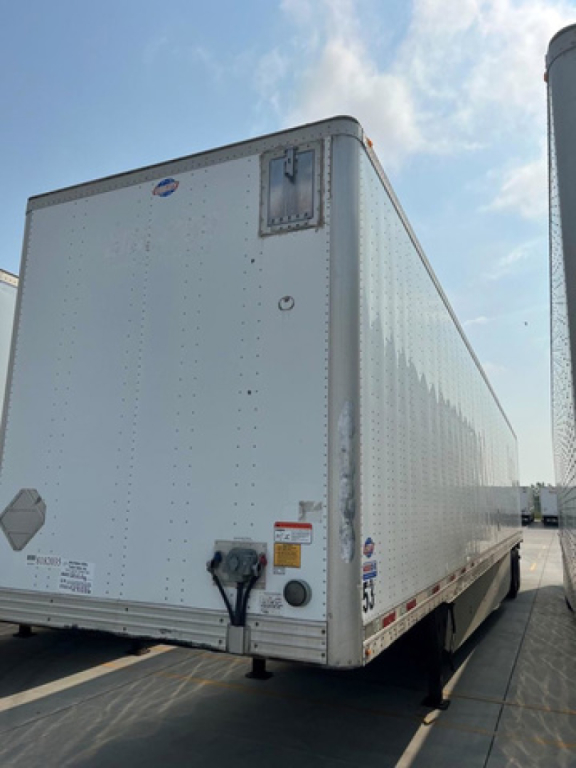
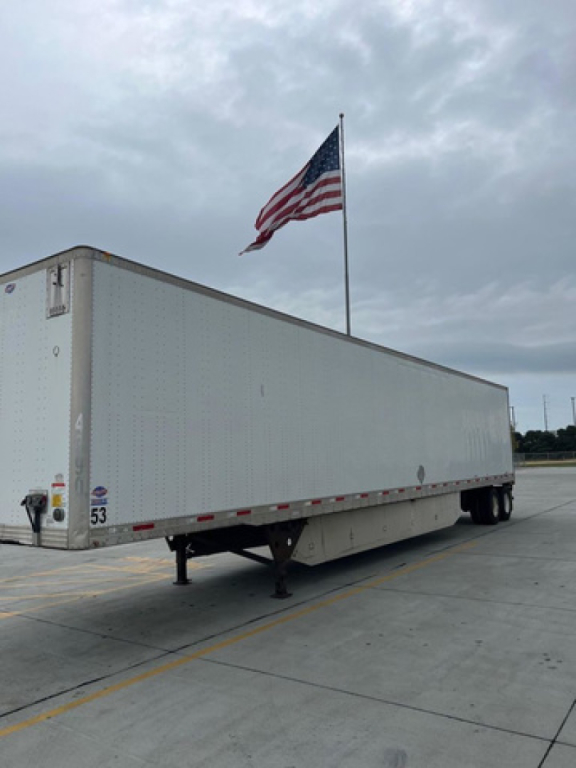
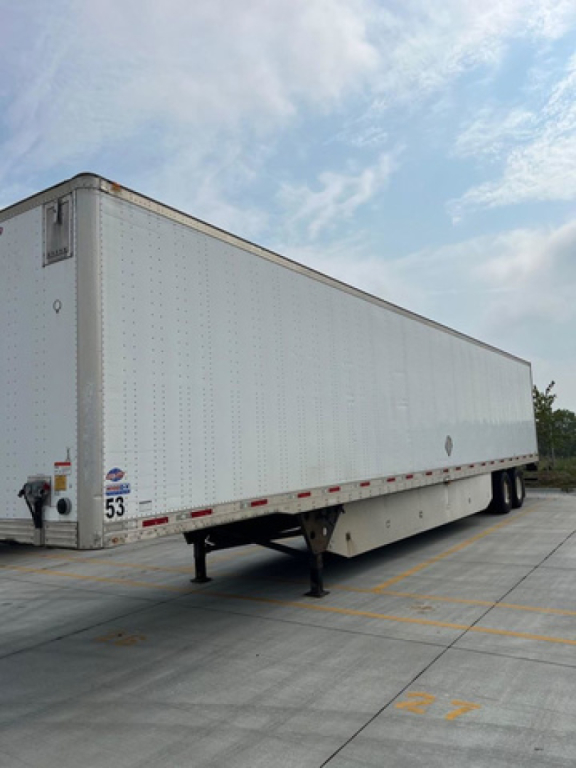
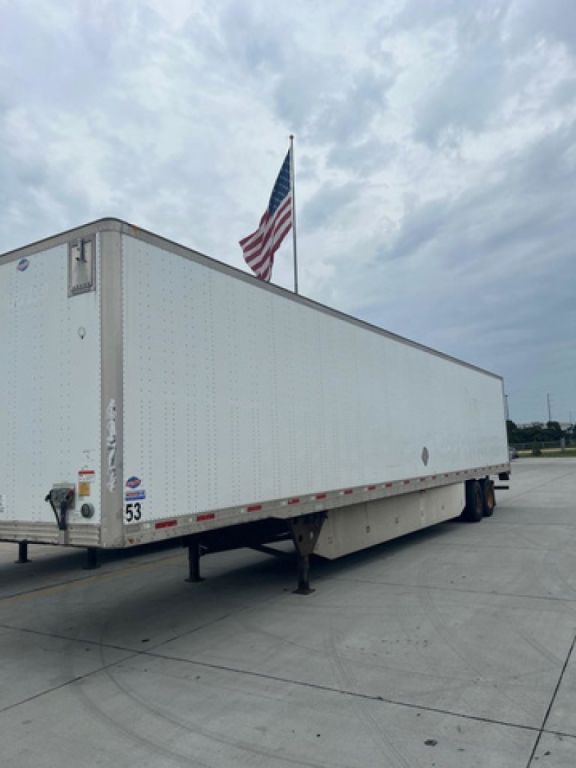
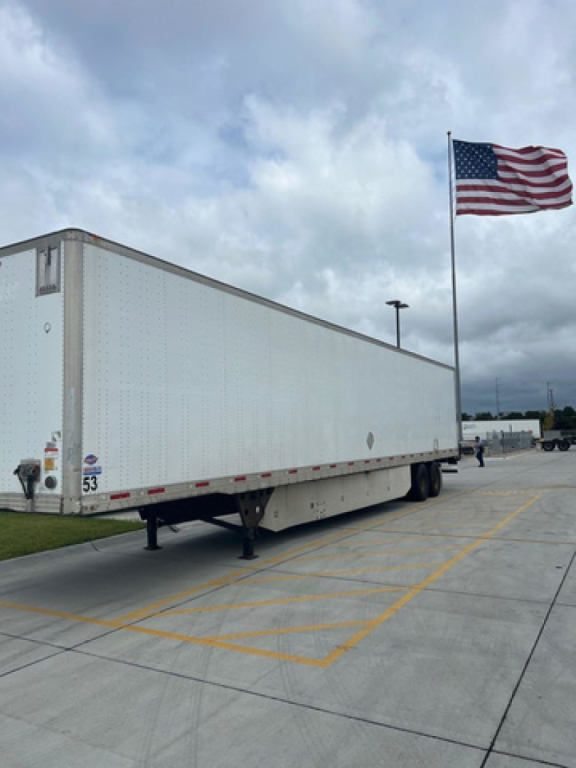
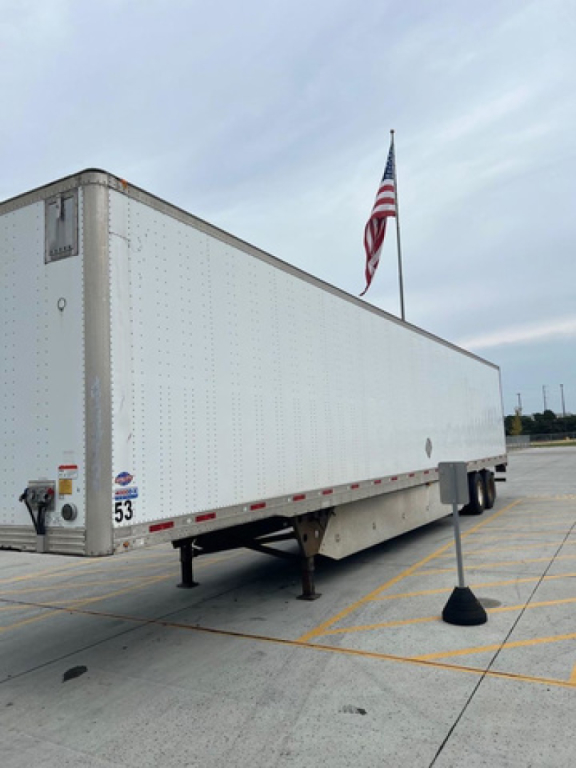
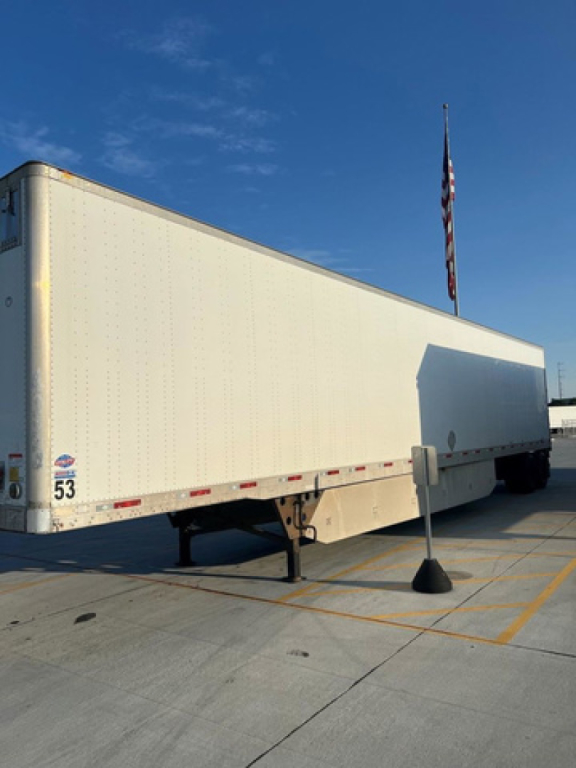
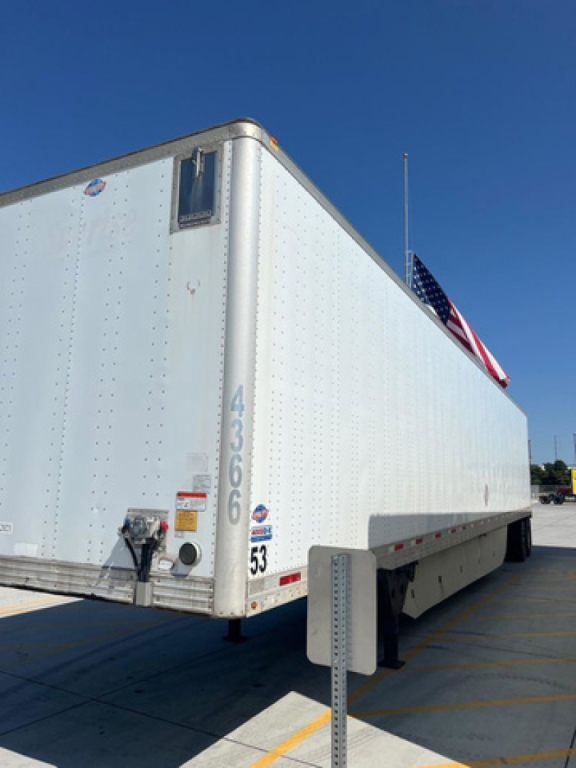
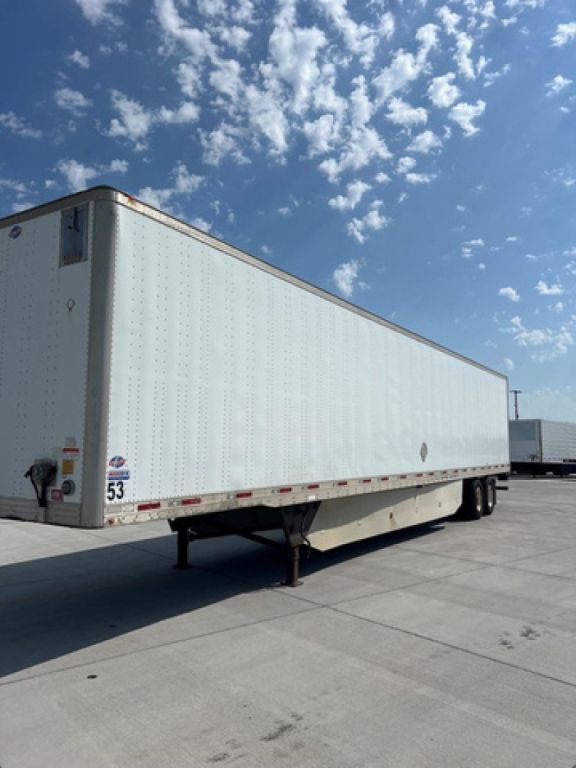
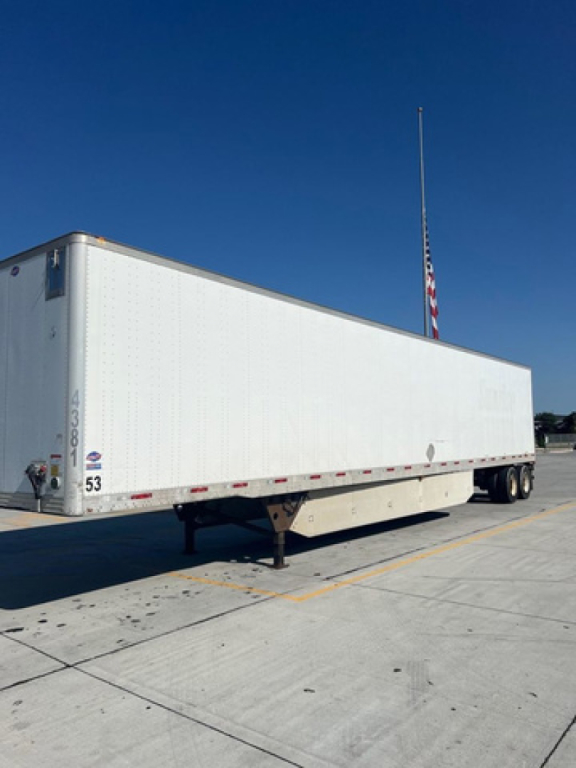
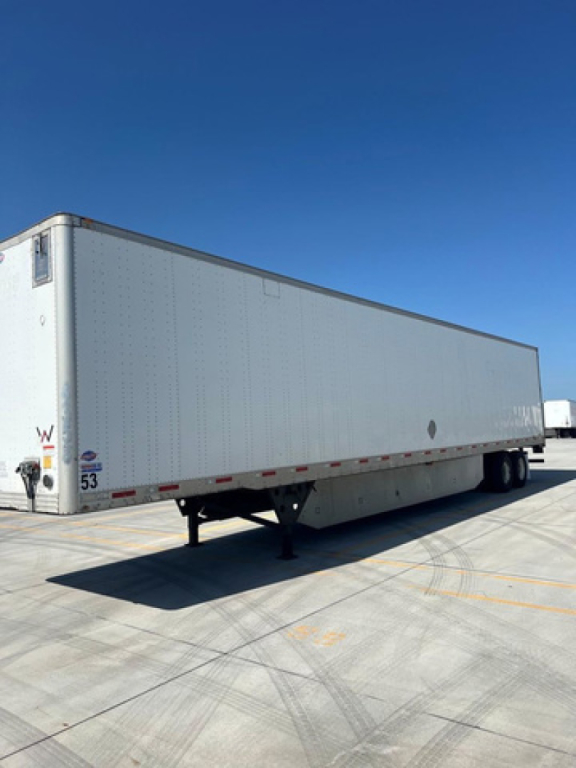
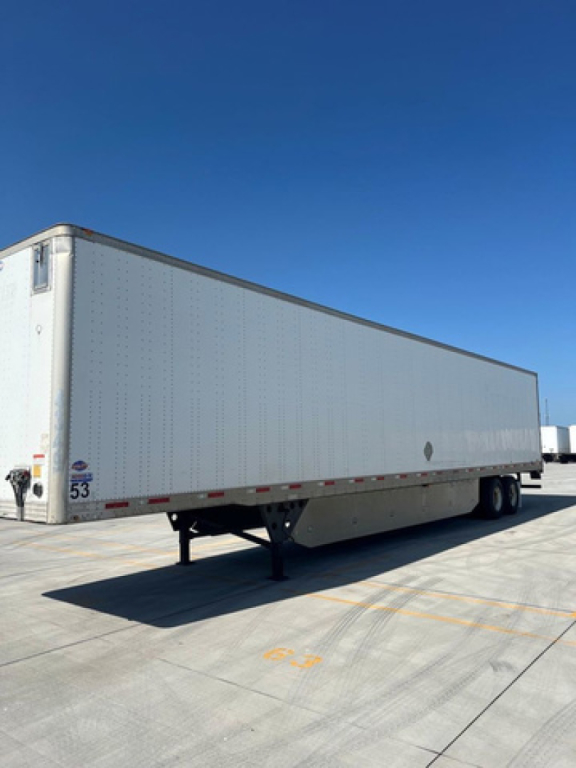
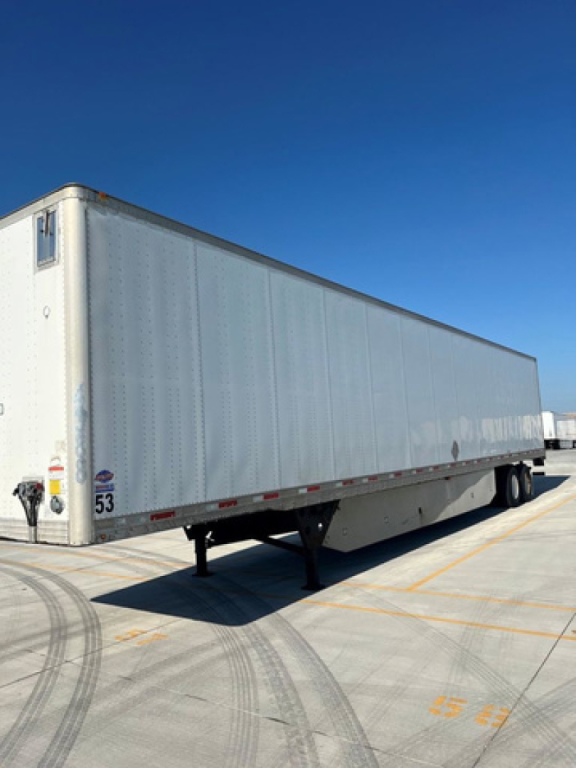
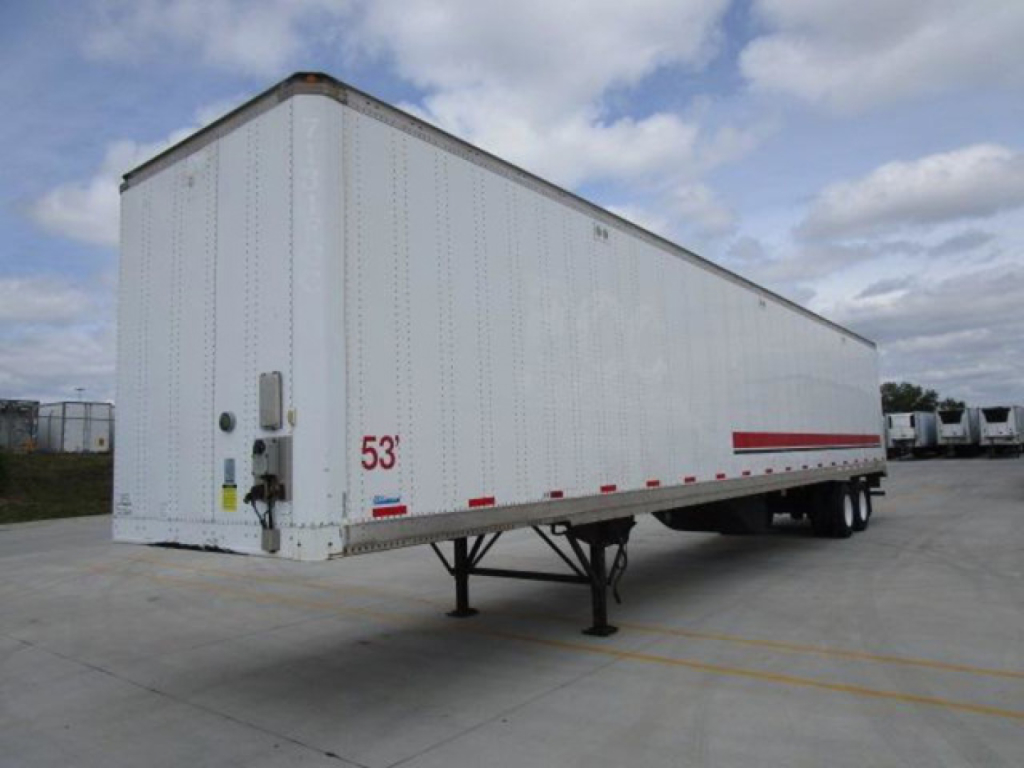
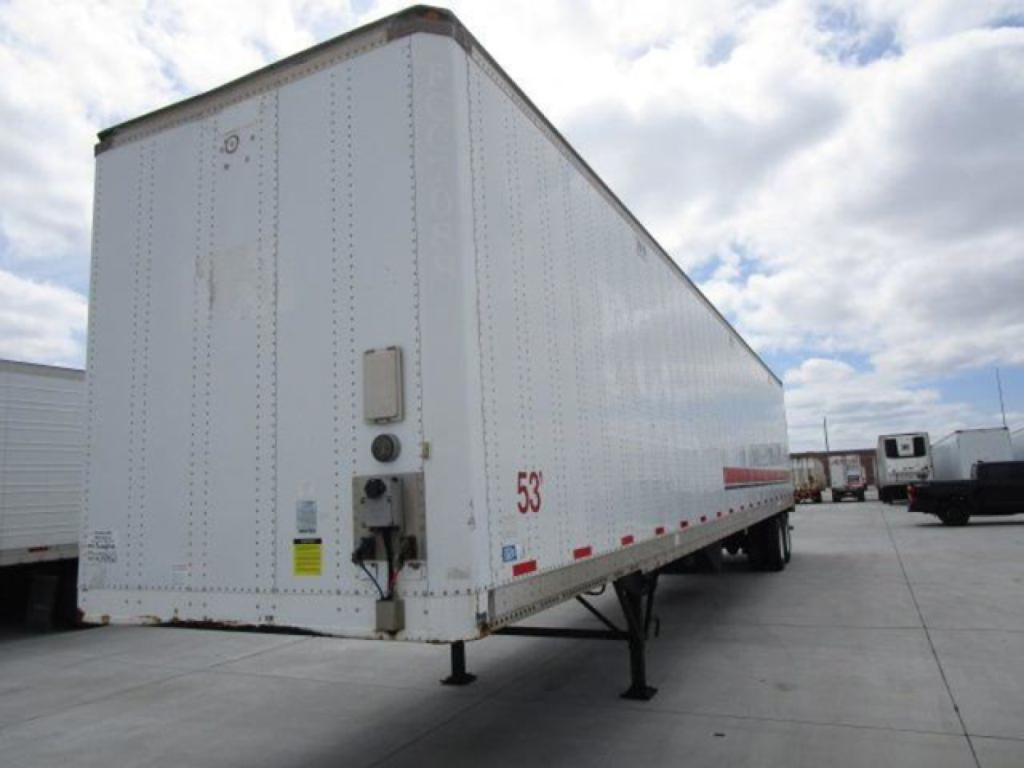
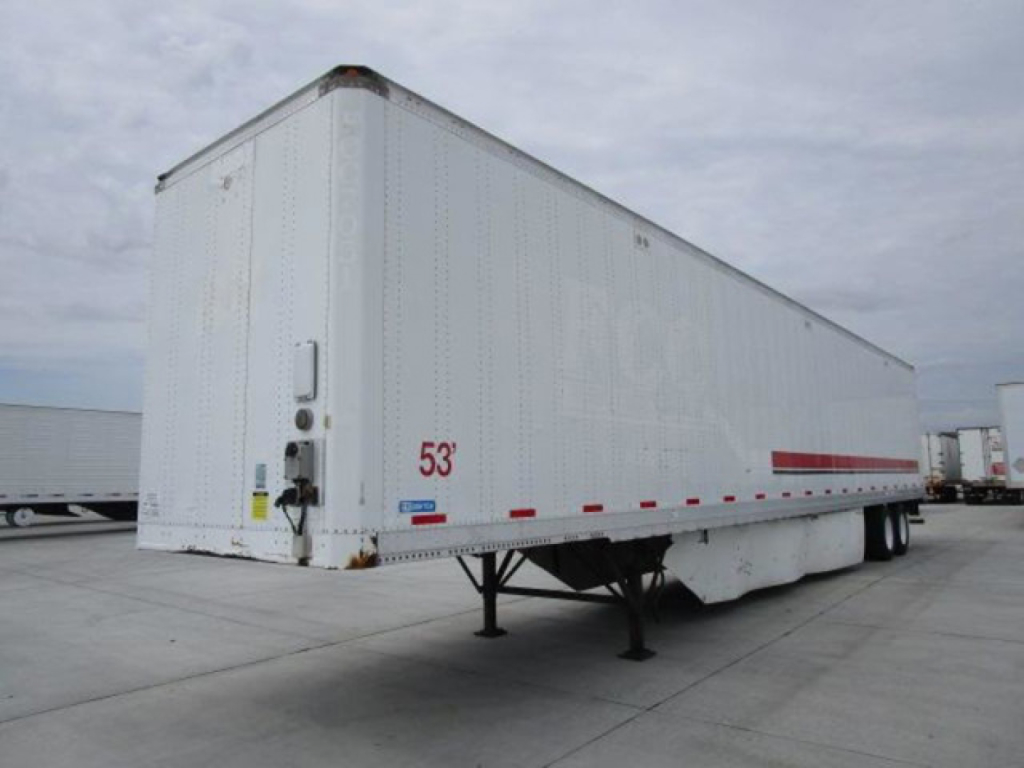
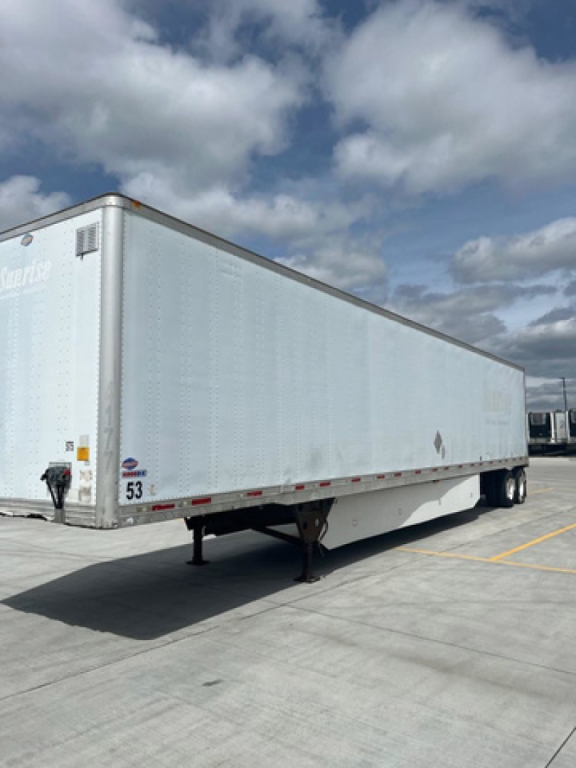
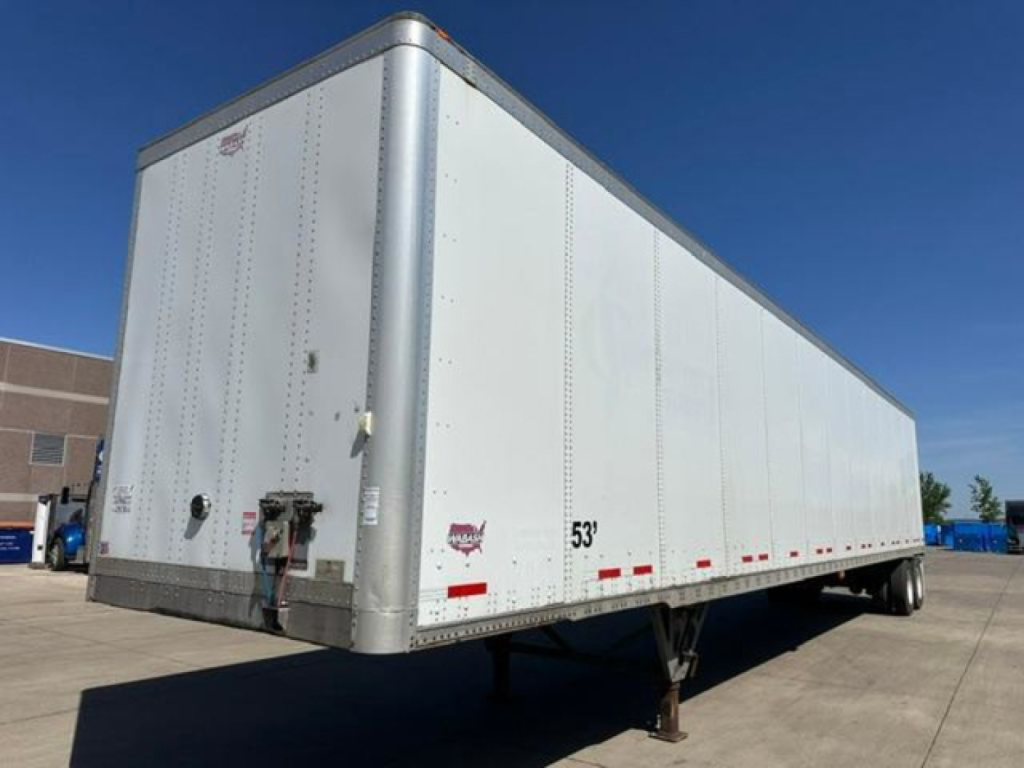
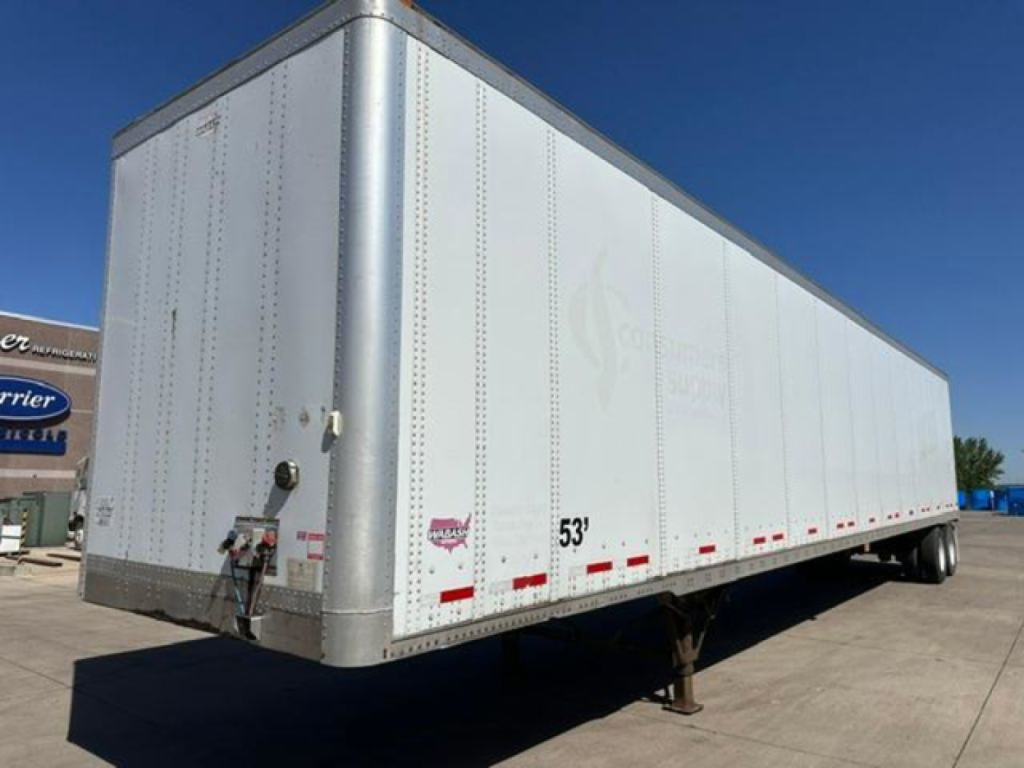
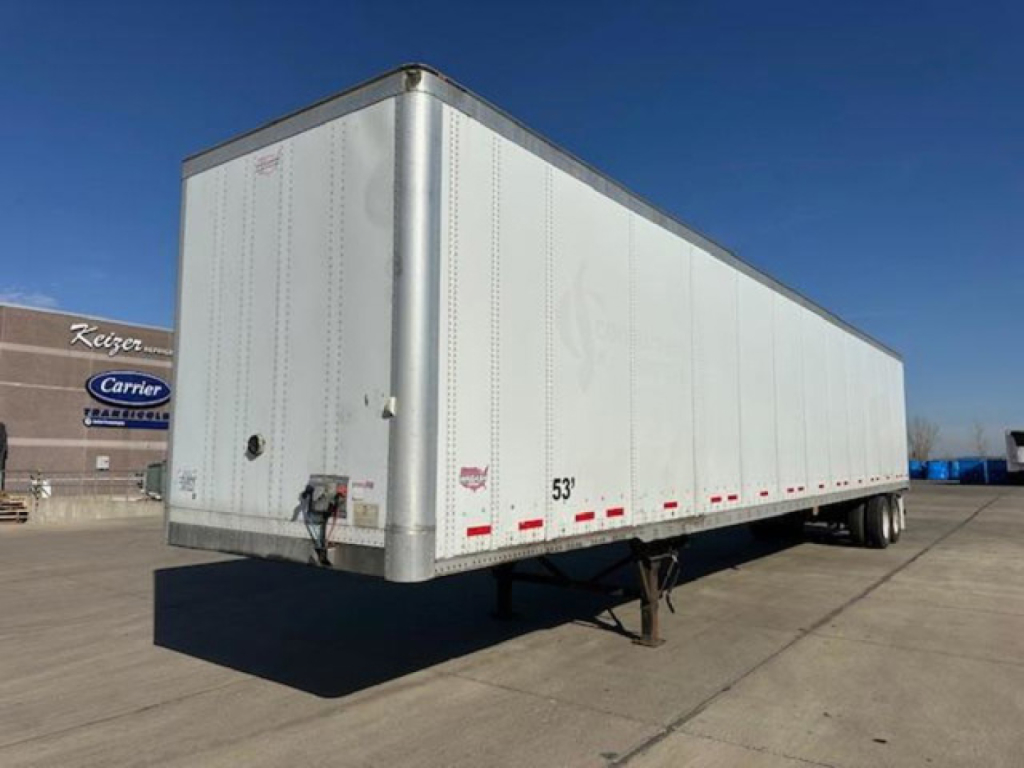
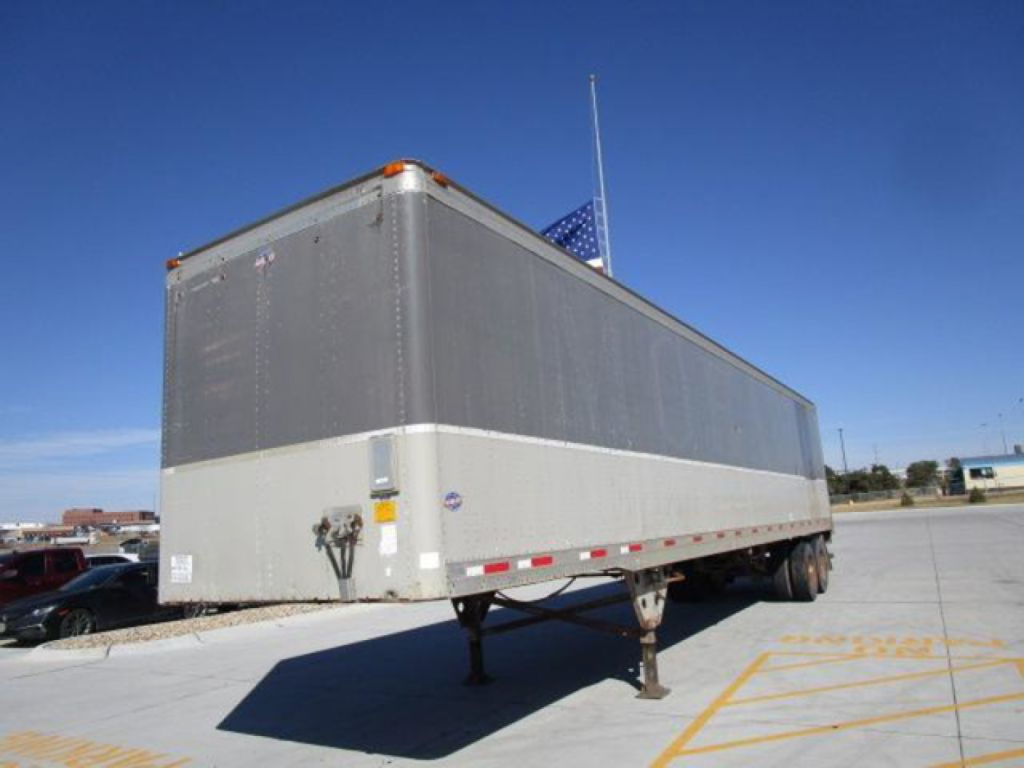
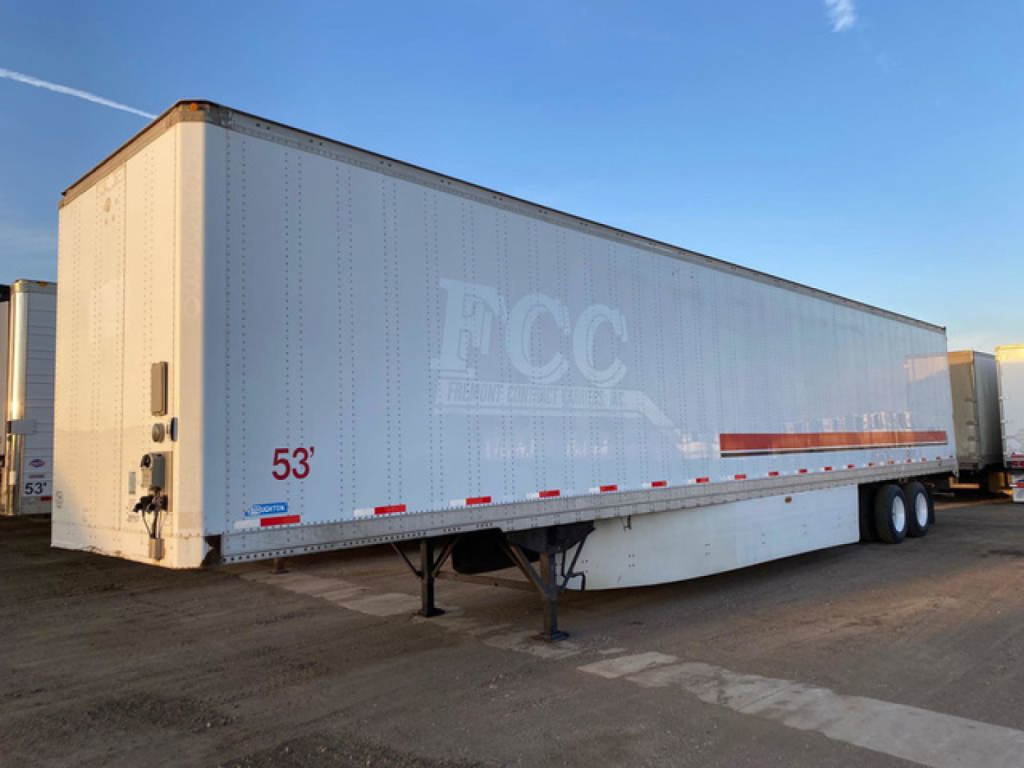
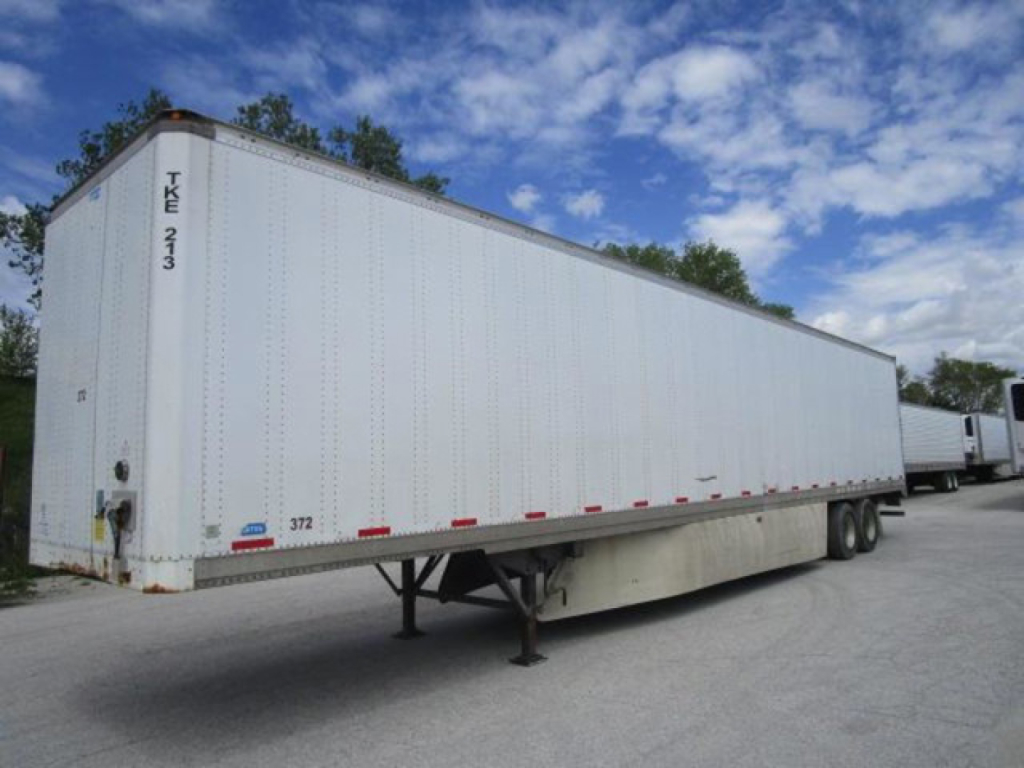
Showing 1 to 28 of 33 results
Selling a used dry van trailer? List your used dry van trailer for sale and reach thousands of commercial buyers.
Used Dry Van Trailers in Nebraska
Utility, Stoughton, Wabash, and Great Dane vans should be compared by actual wall construction, floor condition, and running gear rather than badge alone. Sheet-and-post and composite-panel bodies differ in usable interior width and repair methods, so identify the construction before assessing damaged walls. Swing doors favor full-height access; roll-up doors can simplify frequent stops but reduce opening clearance and add tracks and rollers to maintain. Check scuff liners, logistics posts, roof seams, and door seals for cargo-contact damage and water entry.
Nebraska winter deicing chemicals can corrode crossmembers, landing gear, brake chambers, and tandem slider rails, while hail and strong winds make roof and sidewall repairs worth close inspection. A trailer's previous operating territory matters more than its current location when judging corrosion exposure. Inspect the floor from above and below for soft boards, crushed crossmembers, patches, and daylight at joints. Exercise the tandem slider and verify every locking pin engages; check air bags, suspension bushings, wheel seals, brake adjustment, and ABS operation where equipped. Uneven tire wear can point to axle alignment or worn suspension components rather than merely overdue tires.
Maintenance records should show brake work, bearing service, roof repairs, and structural repairs, not just annual inspection dates. Model year alone does not establish remaining life: an older van with sound framing may be a better working asset than a newer trailer with repeated water intrusion. Check the kingpin, upper coupler plate, rear impact guard, and identification plate, and confirm GVWR and axle ratings before calculating usable payload.
Frequently Asked Questions about Used Dry Van Trailers in Nebraska
How much weight can I legally haul in a dry van on Nebraska's Interstate highways?
A conventional five-axle tractor and tandem-axle dry van combination is normally limited to 80,000 pounds gross on Nebraska Interstate highways. Federal limits also include 20,000 pounds on a single axle and 34,000 pounds on a tandem, subject to bridge-formula requirements. Legal cargo weight is the permitted gross weight minus the actual tractor, trailer, fuel, driver, and equipment weight. Sliding the tandems redistributes weight but does not increase those limits.
How do I know if a used dry van floor can handle my forklift?
The manufacturer's floor rating must cover the loaded forklift's concentrated axle load, not just the cargo's total weight. Obtain the dry van's build specifications and the forklift's loaded axle-weight information before approving dock loading. Replacement floorboards do not prove adequate capacity if crossmembers or their connections are weakened. Also confirm that the dock plate is rated for the forklift and load.
Is air ride or spring suspension better for a used dry van in Nebraska?
Air ride is usually the better choice for damage-sensitive freight, while spring suspension offers simpler hardware for less demanding cargo. Used air-ride dry vans require inspection of air springs, leveling valves, lines, and shock absorbers. Spring-equipped vans need checks for broken leaves, worn bushings, and damaged hangers. Nebraska buyers should also confirm any suspension requirements imposed by their shippers before choosing.
Can I use a used dry van to haul packaged food or seed?
A clean, dry, odor-free used dry van can carry packaged food or seed that does not require temperature control. Shipper requirements may include documented previous cargo, pest inspection, and specific cleaning procedures. Inspect floor joints, wall cavities, and door seals for contamination or water entry. An enclosed trailer is not automatically food-grade, and incompatible previous cargo can disqualify an otherwise sound van.
What is the minimum legal tire tread on a commercial dry van trailer?
Federal commercial-vehicle rules require at least 2/32 inch of tread in major grooves on dry van trailer tires, excluding tie bars, humps, and fillets. That is a minimum, not a sensible purchase target for Nebraska winter service. Inspect each tire for exposed cords, separation, sidewall damage, and inadequate inflation. Budget for replacement based on condition and usable tread, not an average across the trailer.