
Used Dry Van Trailers For Sale in Iowa
Compare used dry van trailers for sale in Iowa with guidance on salt corrosion, forklift floor ratings, door clearance, and highway axle-weight limits.
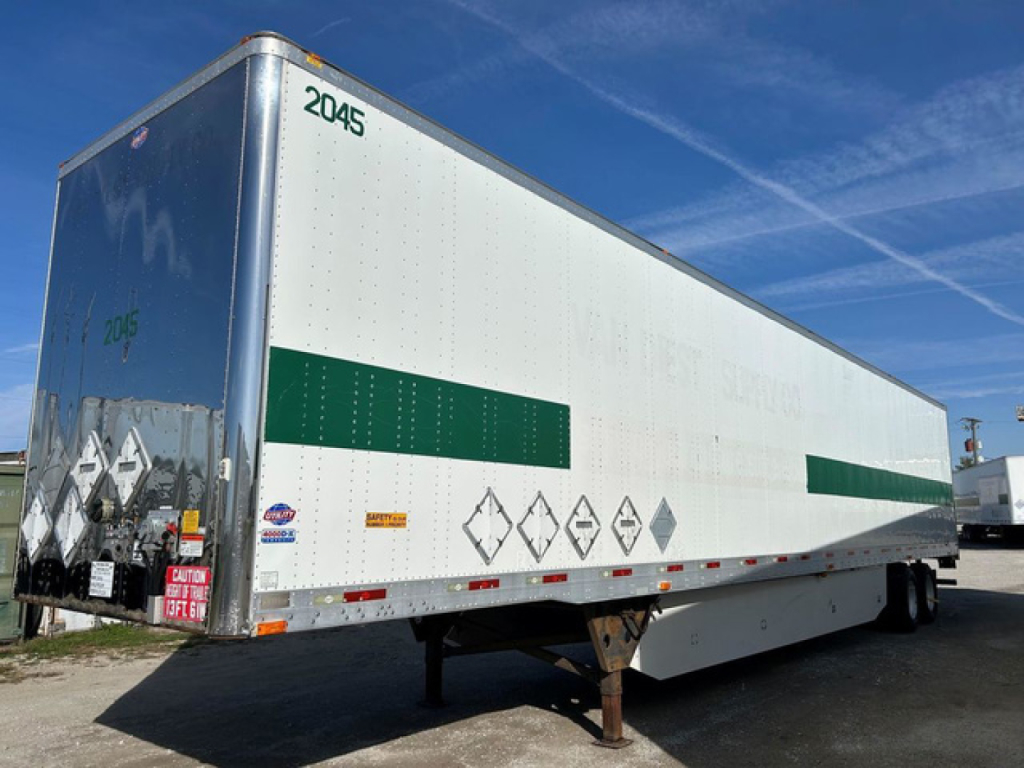
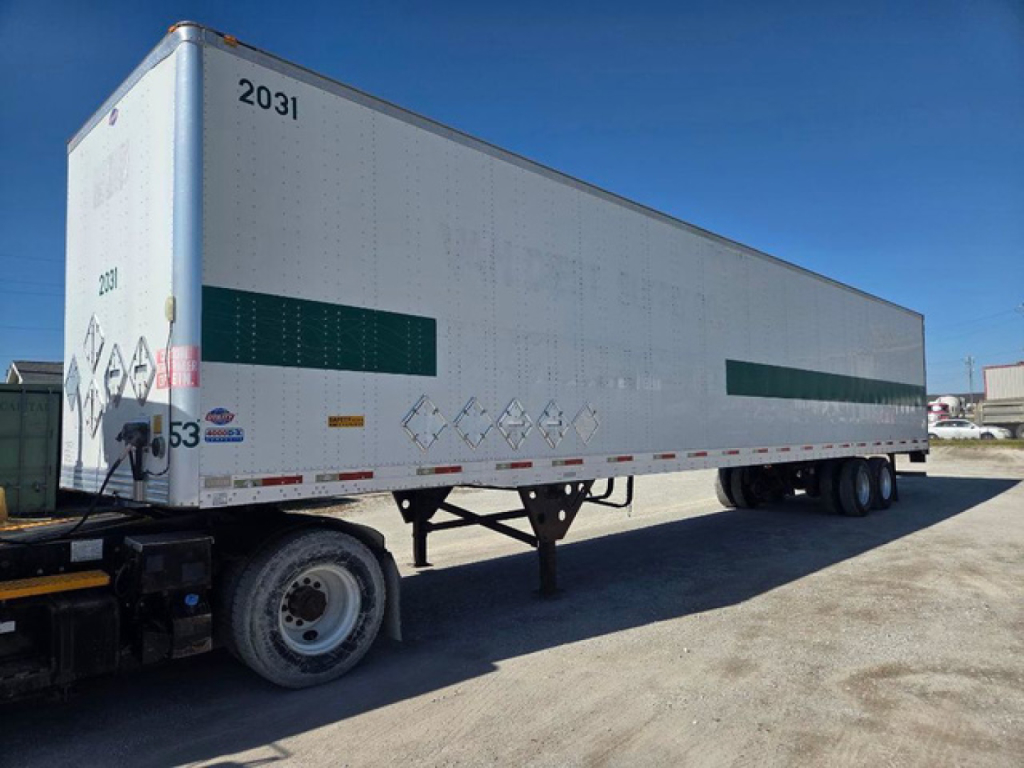
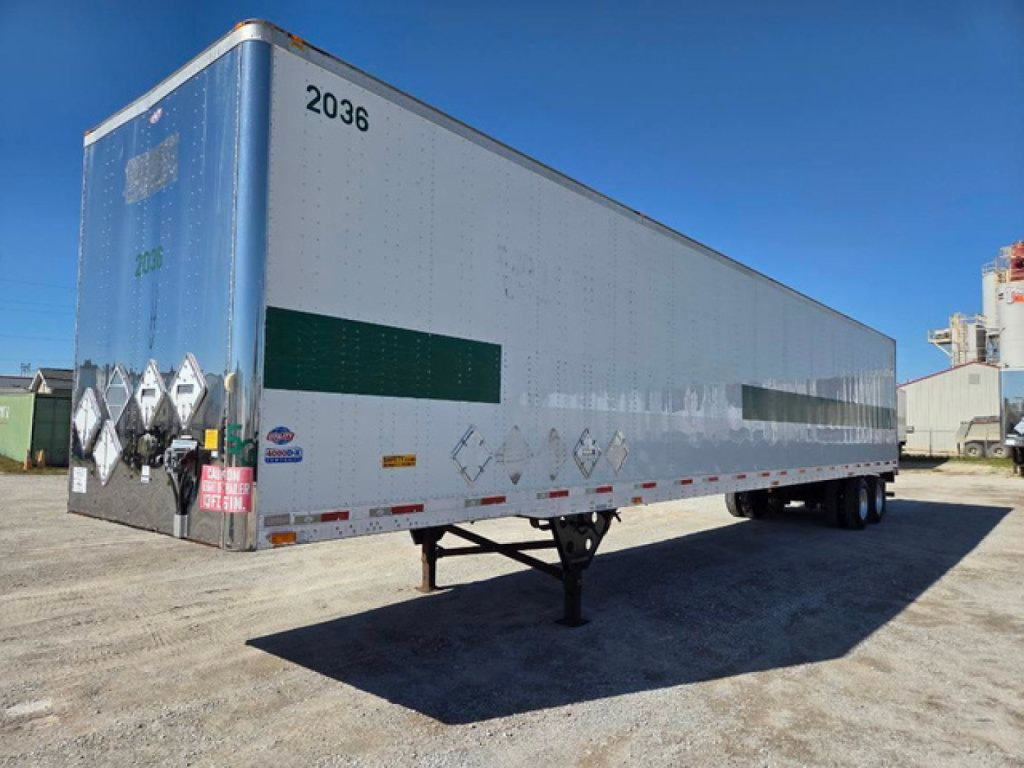
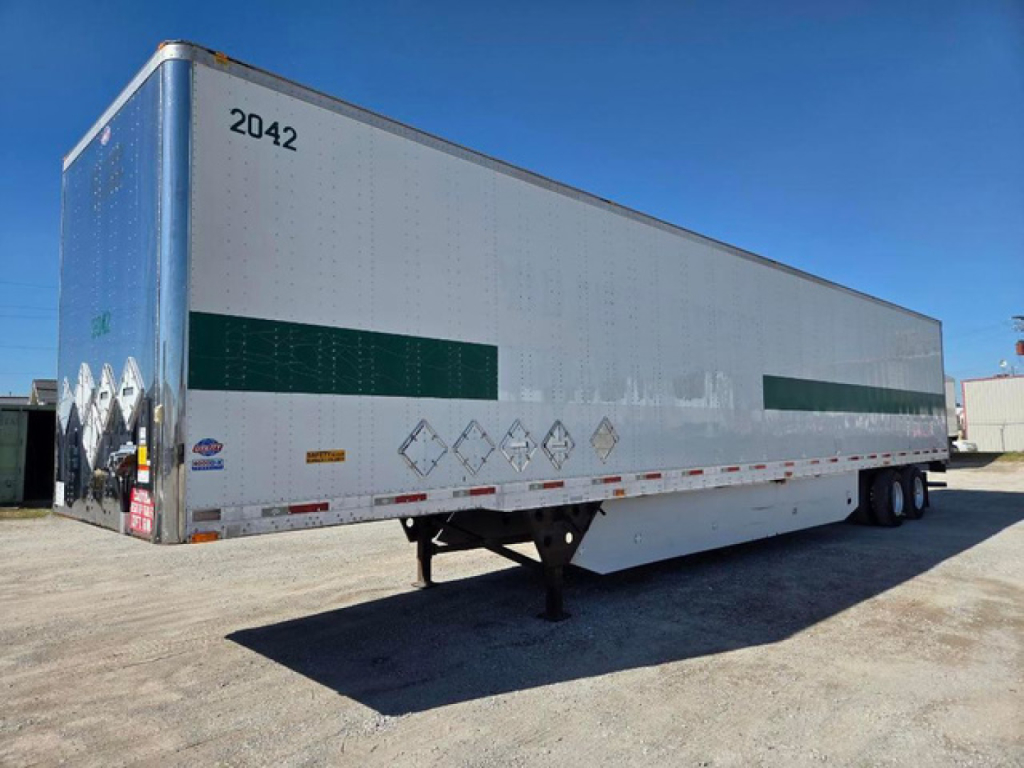
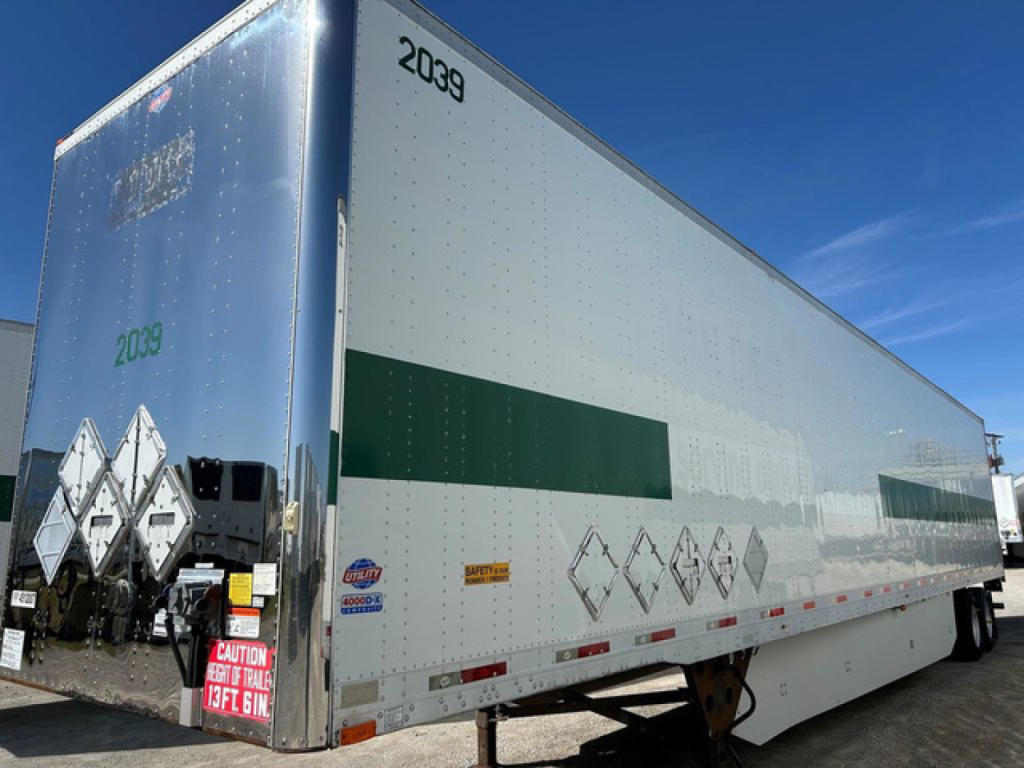
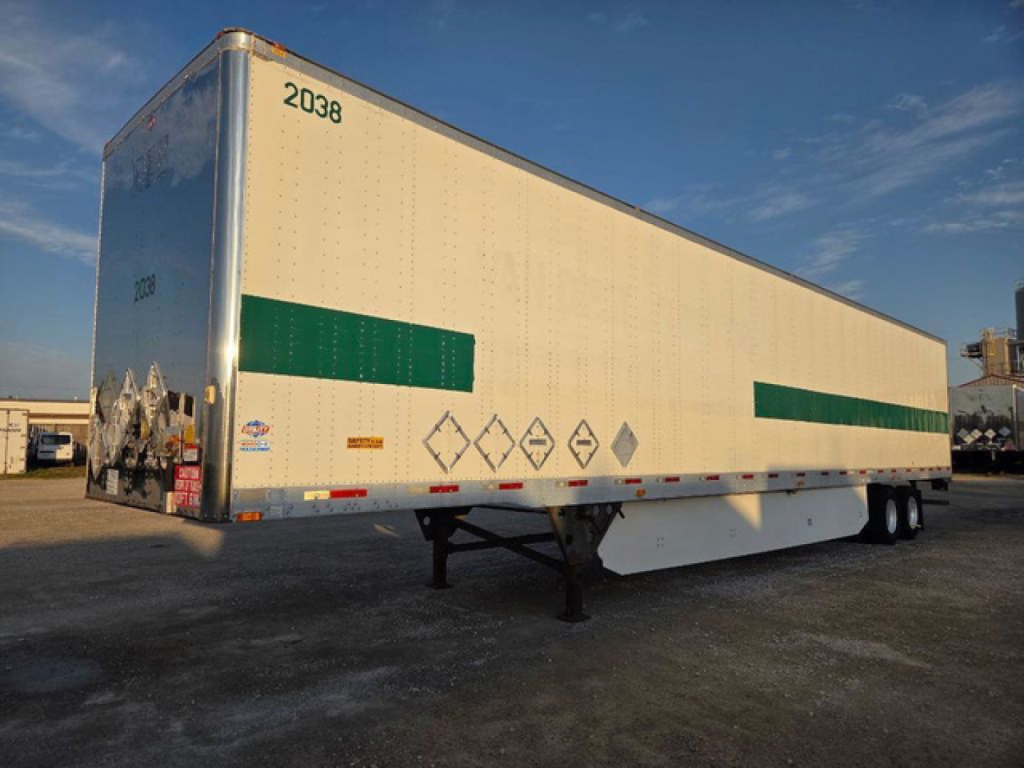
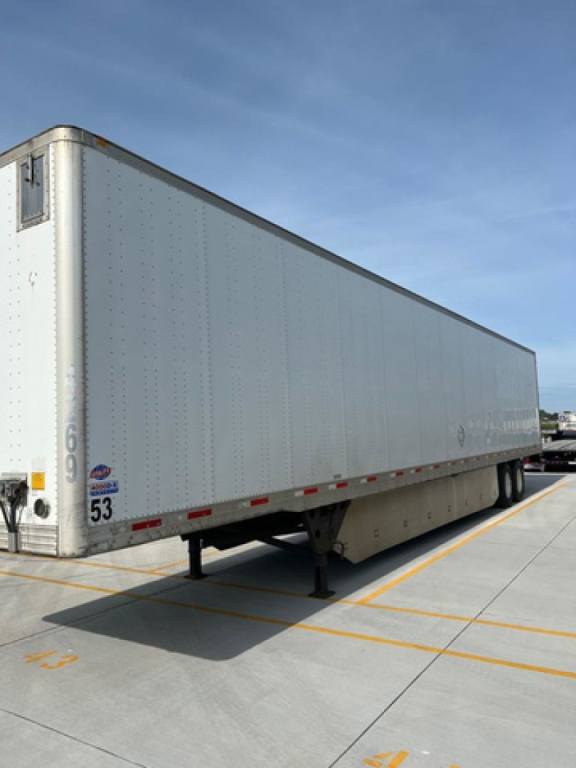
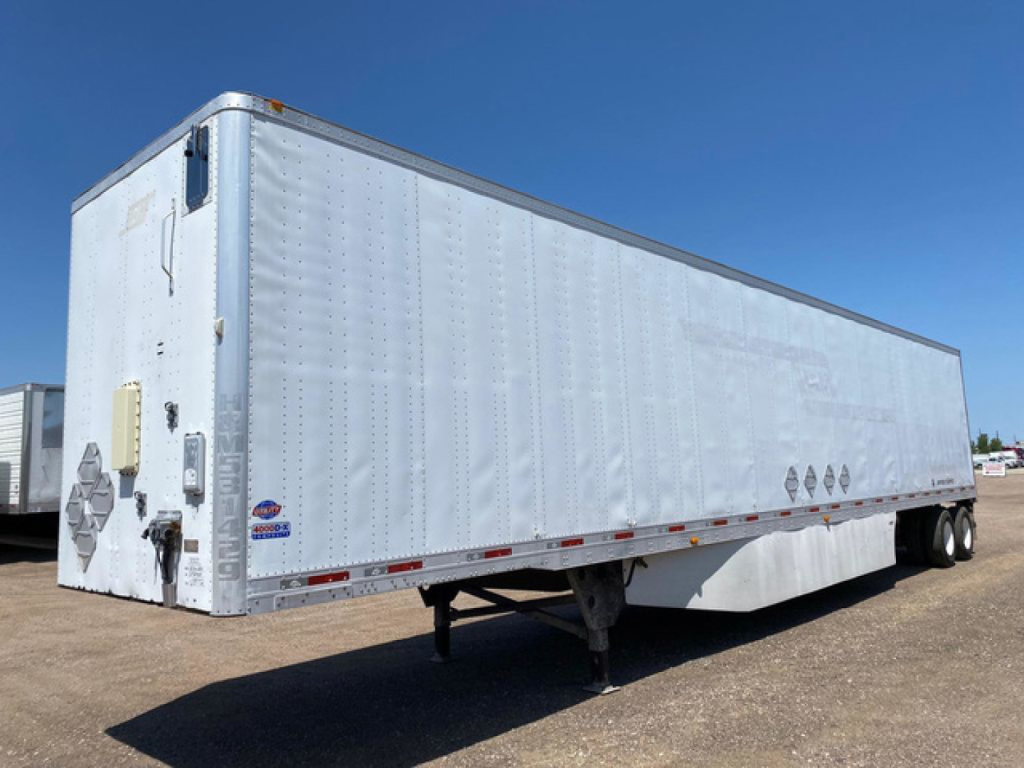
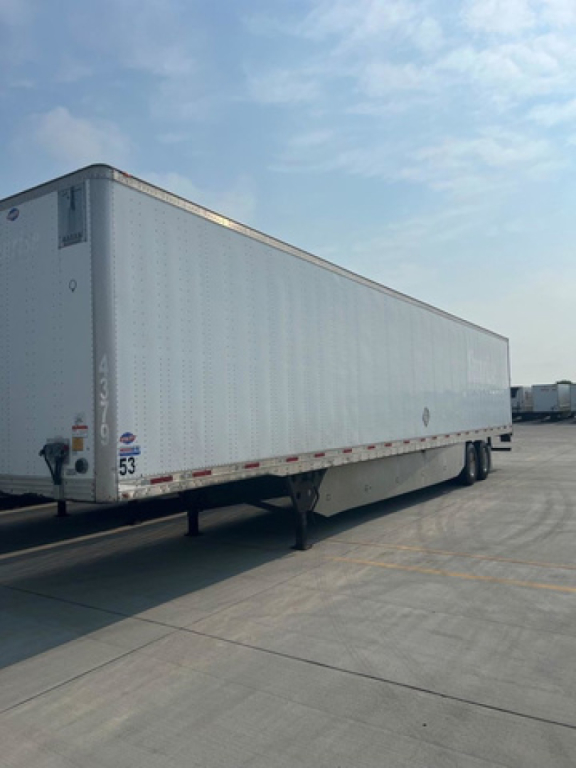
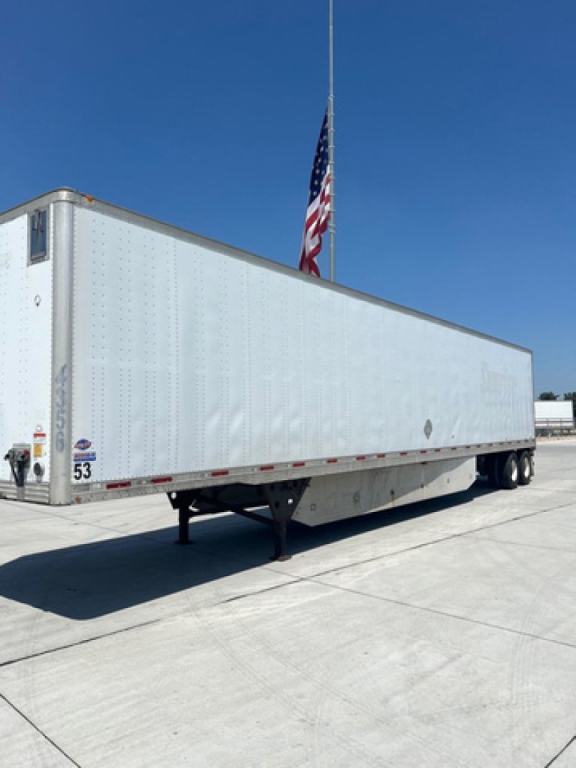
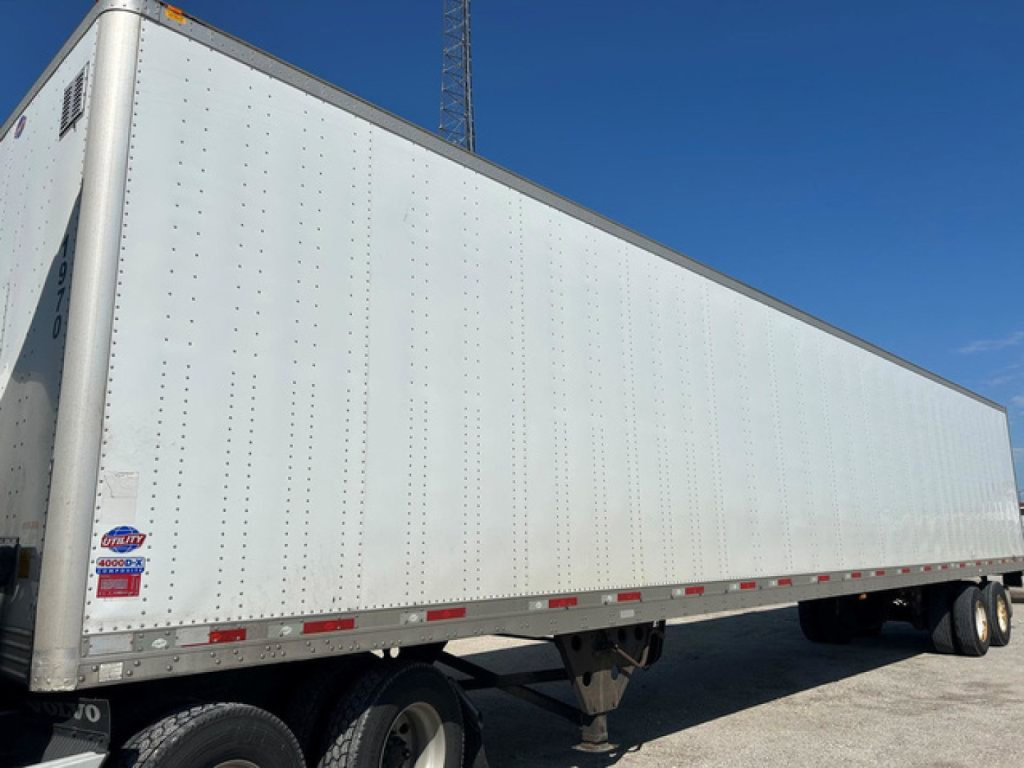
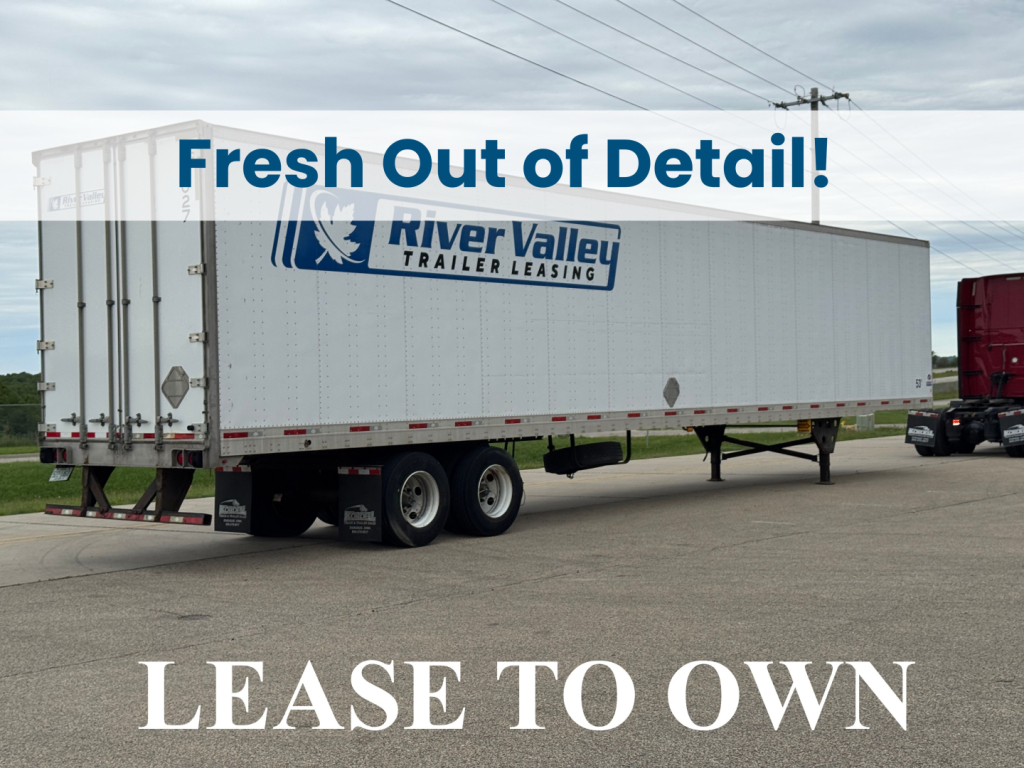
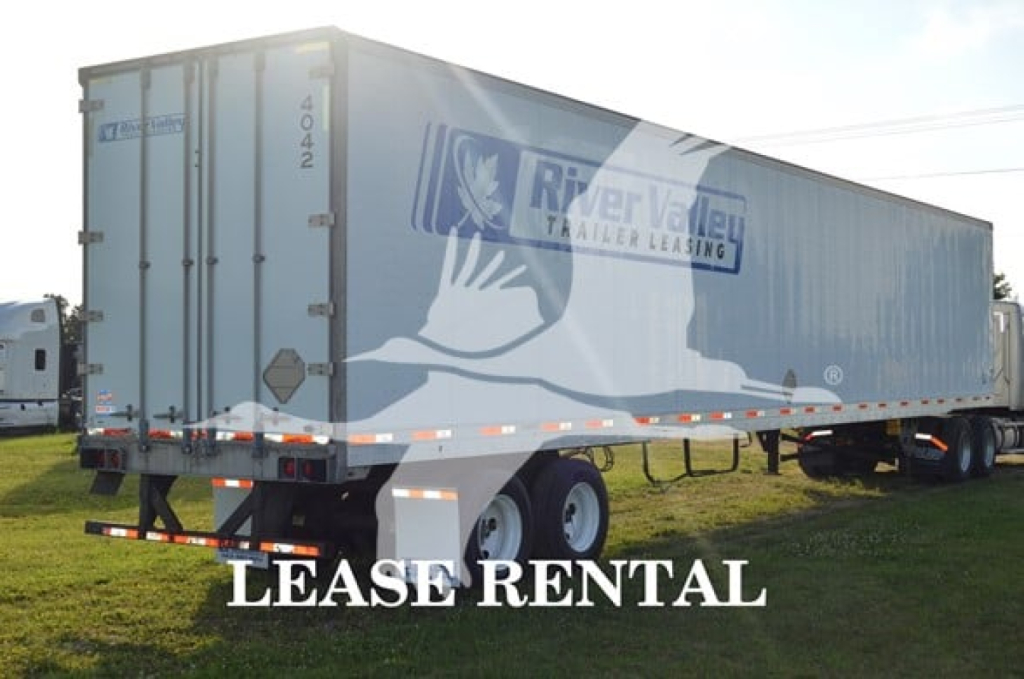
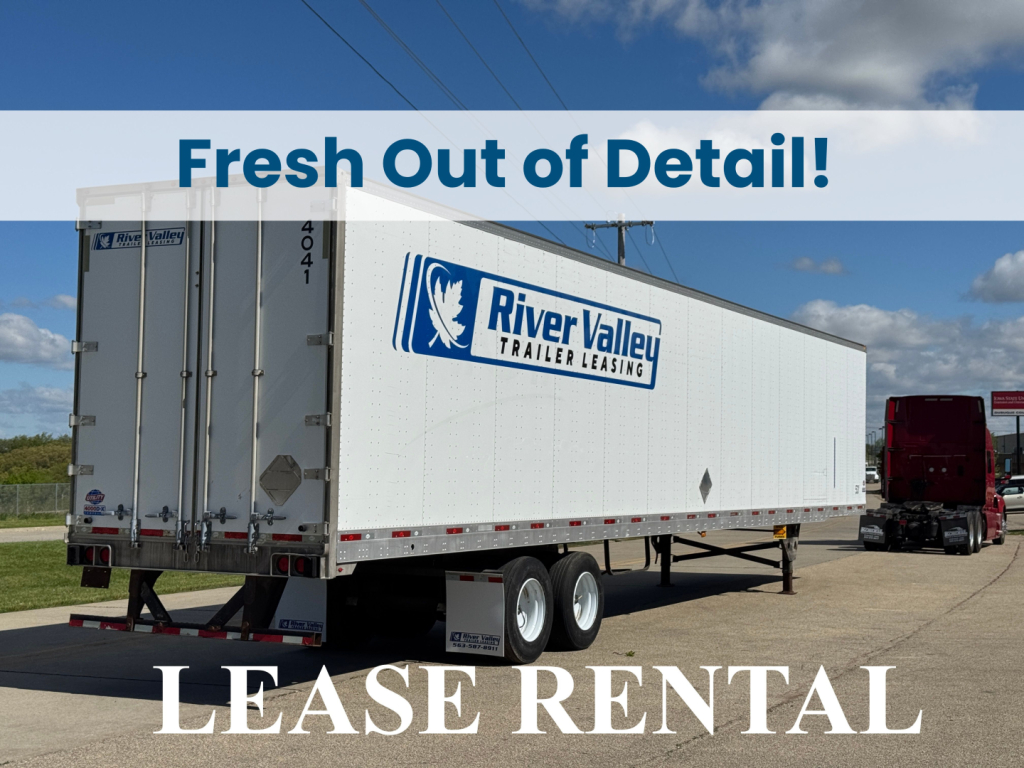
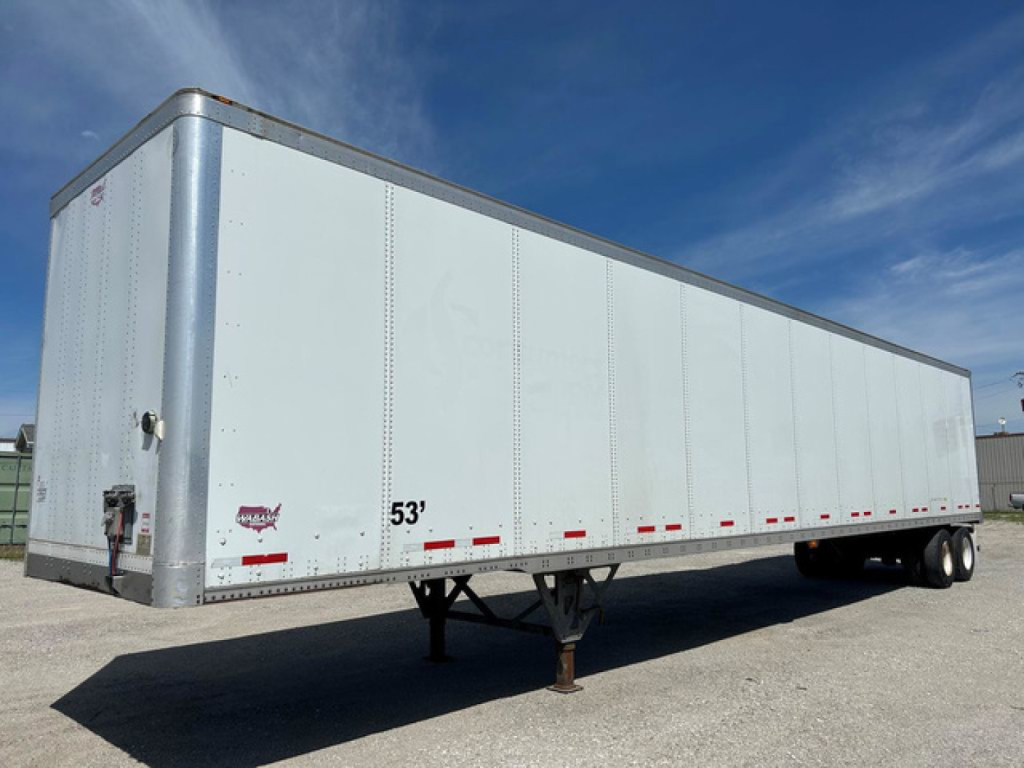
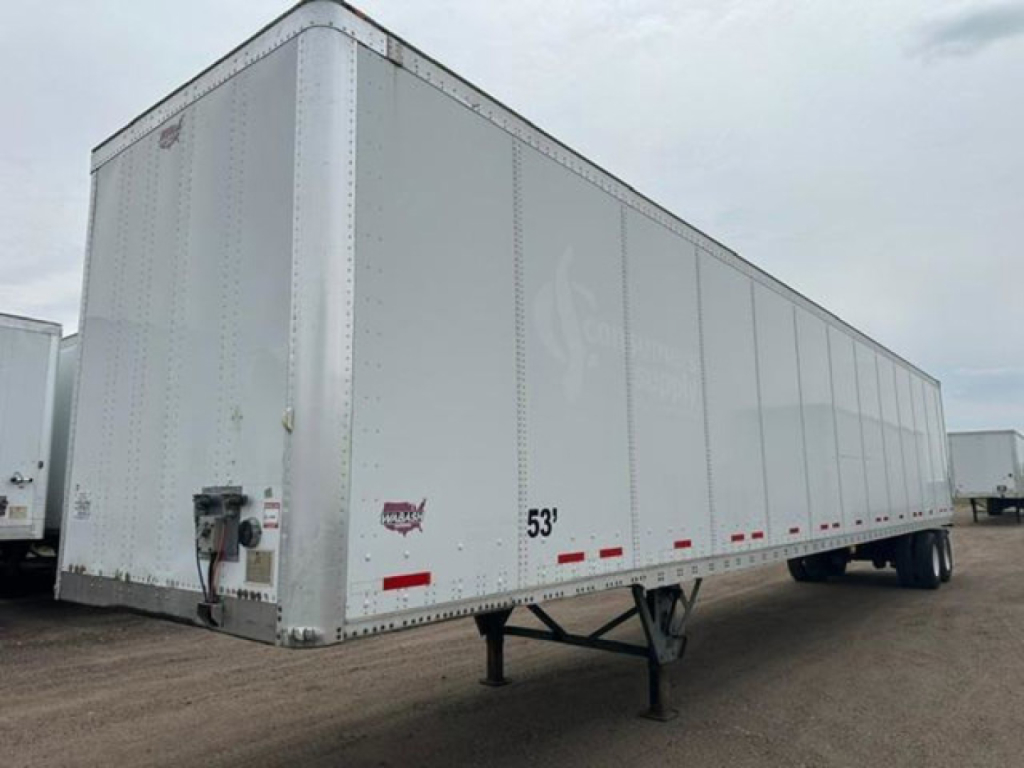
Selling a used dry van trailer? List your used dry van trailer for sale and reach thousands of commercial buyers.
Used Dry Van Trailers in Iowa
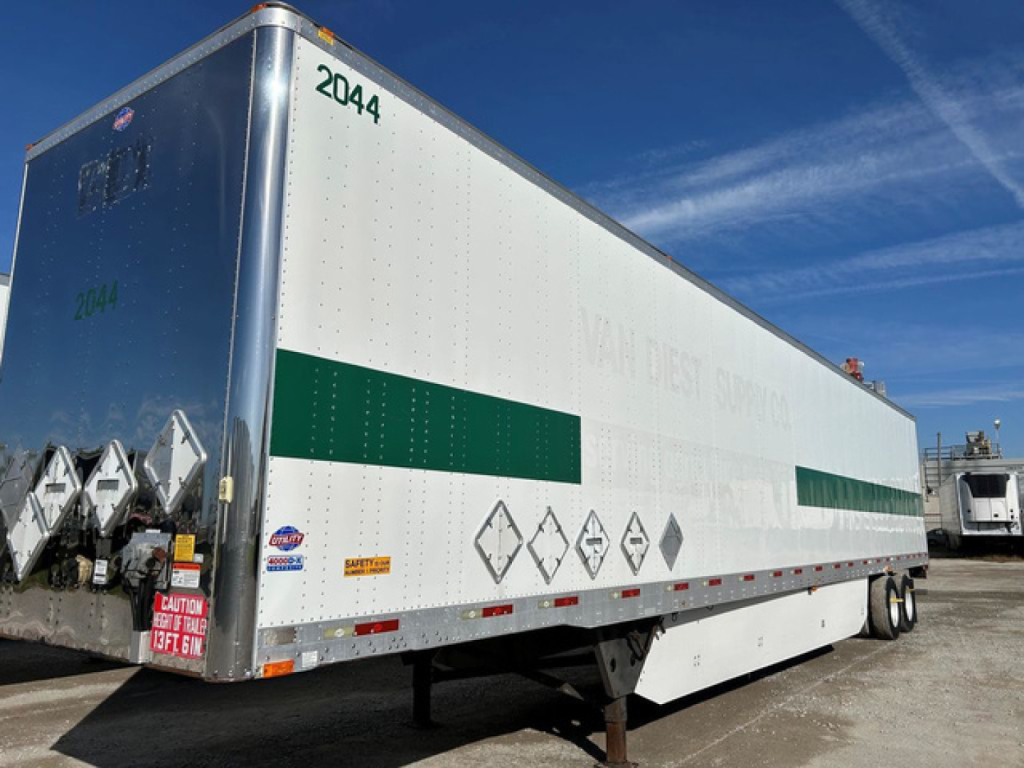
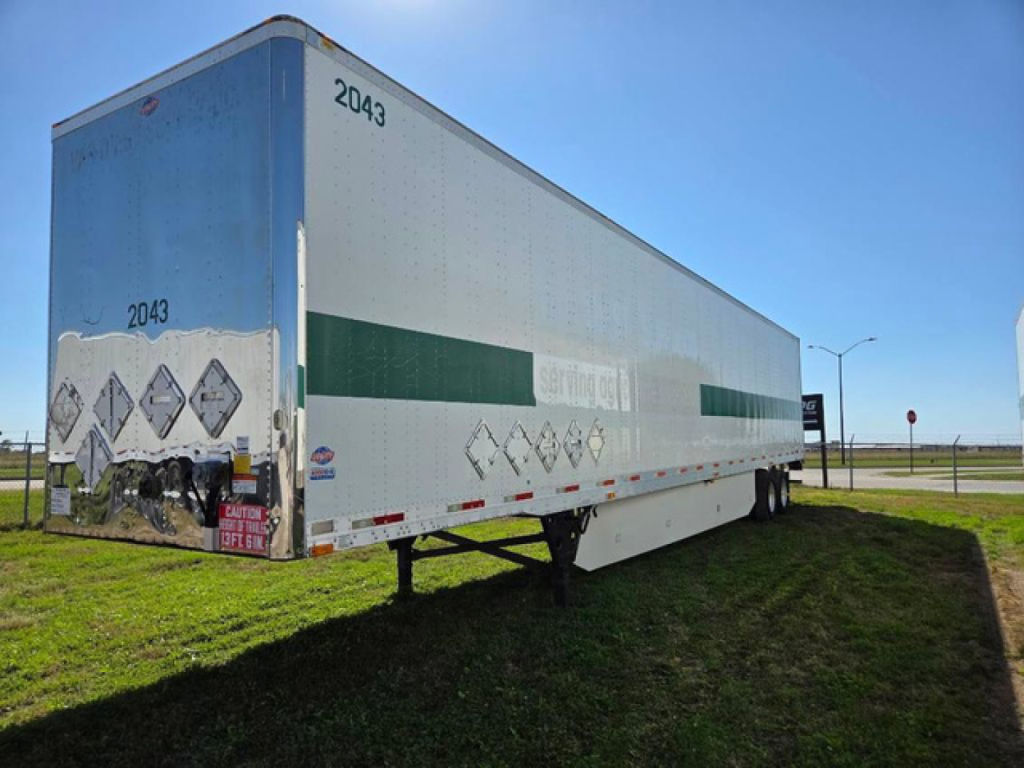
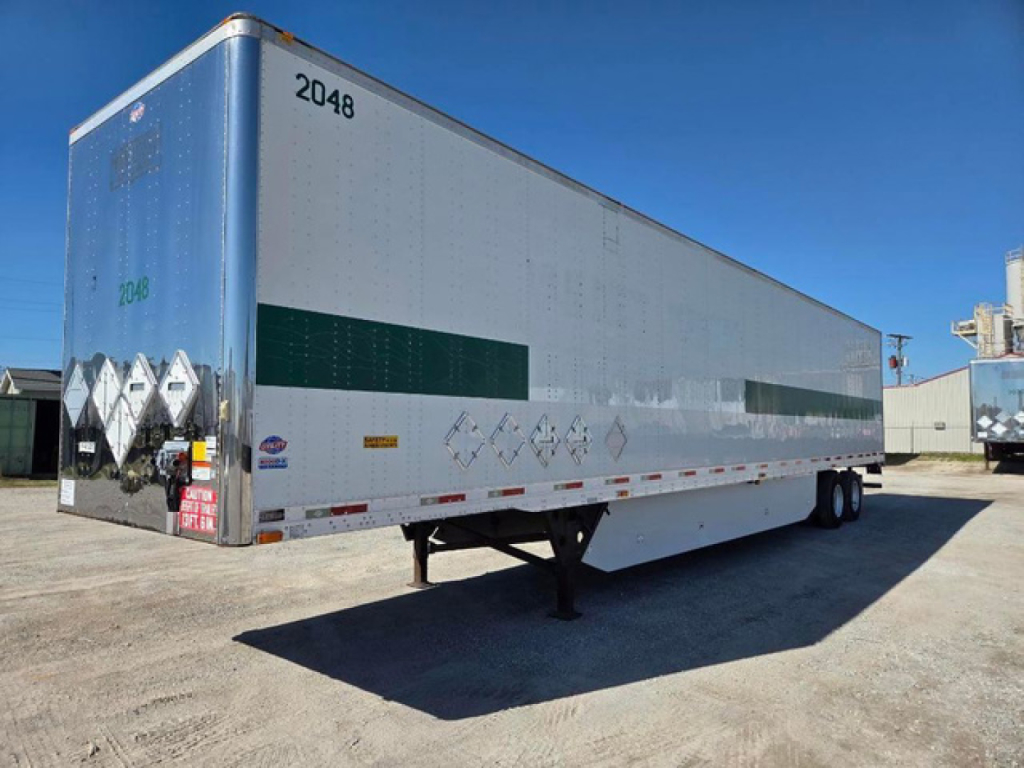
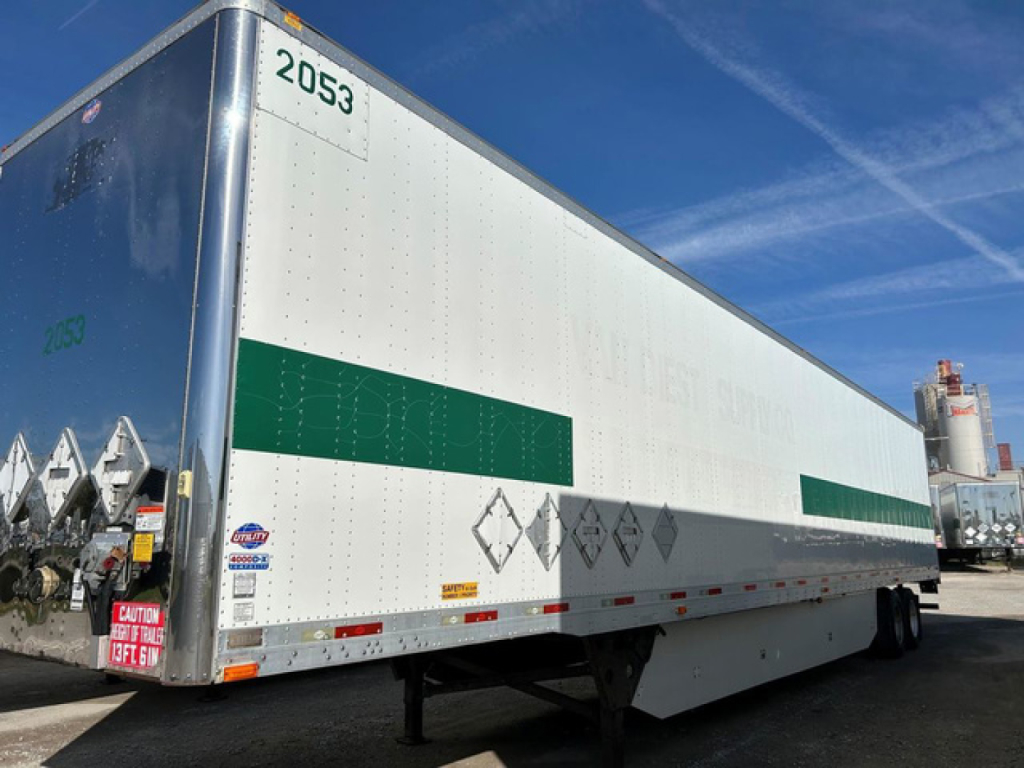
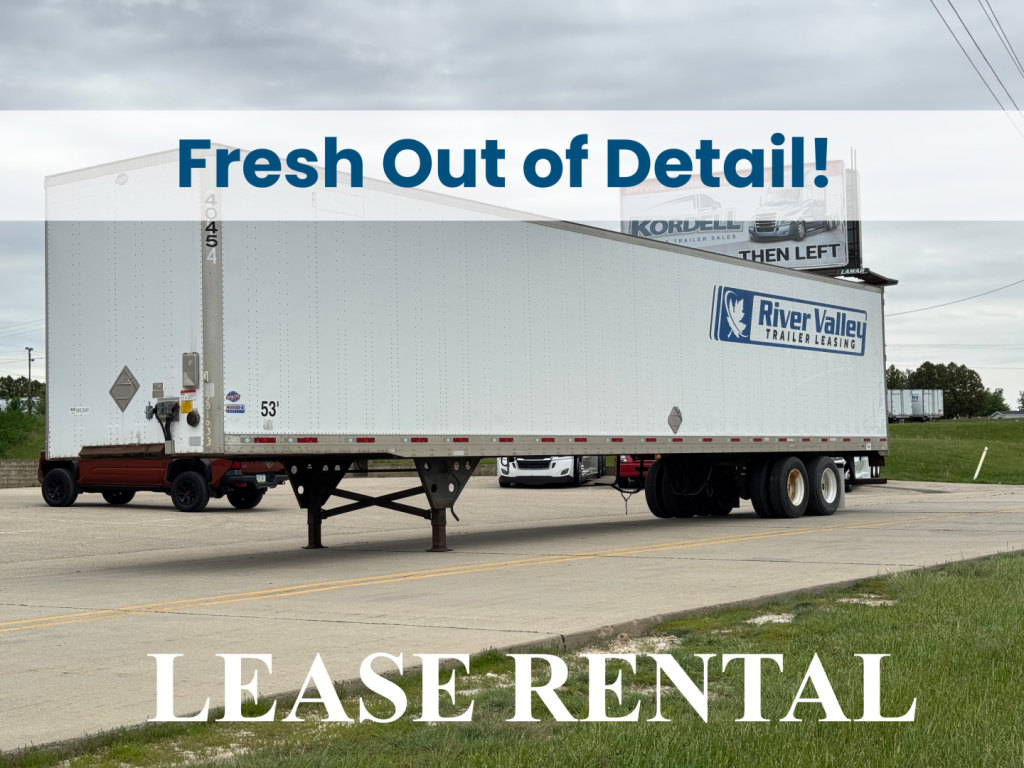
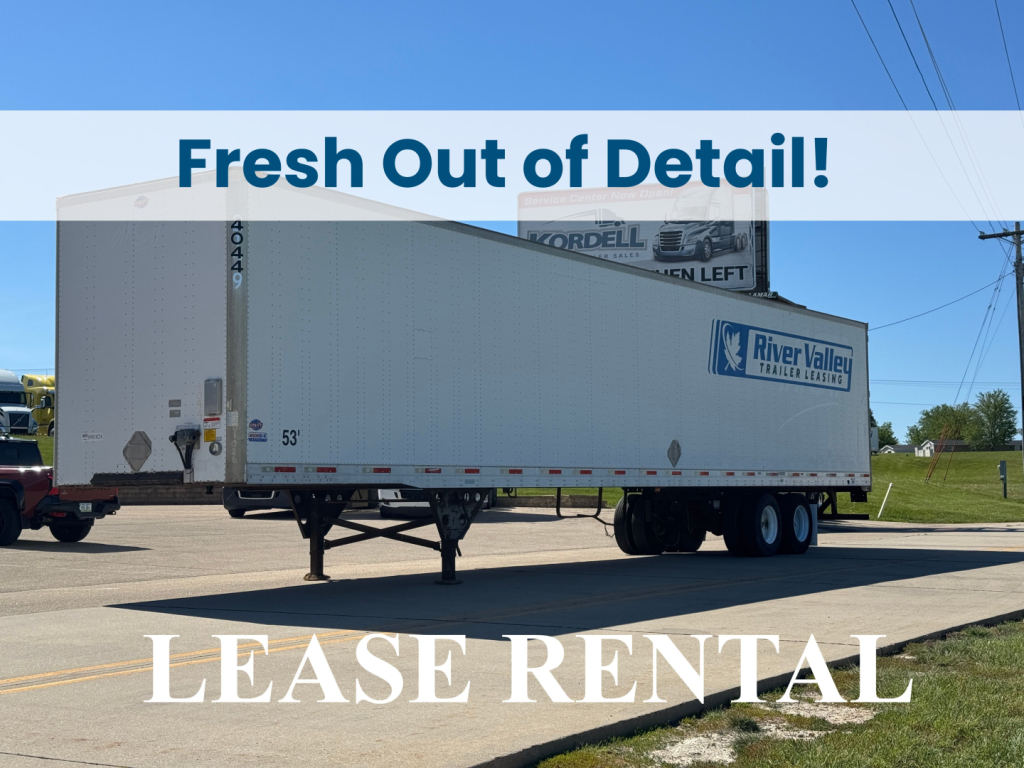
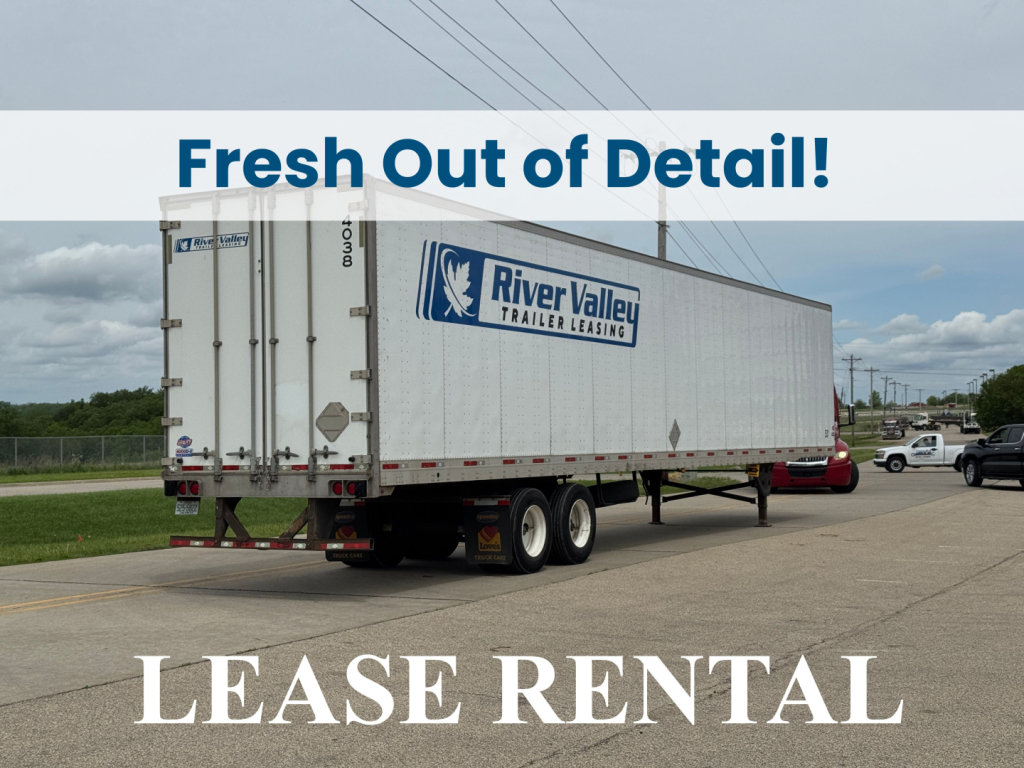
A 53-foot, 102-inch-wide trailer is a common highway configuration, but exterior dimensions do not establish usable interior width, door opening, or payload. Measure the actual opening and confirm dock height against your customers' facilities. Swing doors usually provide better rear opening clearance; roll-up doors suit frequent deliveries but require inspection of tracks, rollers, springs, and overhead clearance. Floor ratings must match the loaded forklift's axle load, not merely the cargo weight. Inspect high-traffic wheel paths, the threshold plate, underside crossmembers, and patched boards for signs that loading demands exceeded the original specification.
Iowa road salt can attack suspension hangers, landing gear, steel rear frames, and exposed fasteners. Look for scaling, swollen seams, perforation, and repairs hidden under fresh paint, especially where dissimilar metals meet. Inspect the kingpin and upper coupler plate for wear, cracks, and distortion, then operate both landing-gear legs under controlled conditions. Freeze-thaw cycles and rough dock approaches make secure fasteners and sound rear structures particularly valuable. A current annual inspection report is useful documentation, not a substitute for a structural inspection or evidence that concealed corrosion has been addressed.
Air ride suits many palletized freight applications, but inspect air springs, height-control valves, shocks, and suspension bushings rather than treating the suspension type as proof of condition. Check brake linings, drums or rotors, slack adjusters where fitted, wheel-end leaks, and uneven tire wear. Cycle slider locks and verify every pin seats fully; a frozen slider can prevent proper axle-weight distribution. Automatic tire inflation equipment deserves a leak test, and side skirts need secure mounts with adequate clearance for the routes you run.
Model year alone tells less than documented service and loading history. Compare aluminum sheet-and-post and composite plate designs for interior width, repair methods, scuff-liner protection, and tare weight across makes such as Utility, Wabash, and Great Dane. Inspect aluminum or translucent roofs for impact damage, failed seams, and water stains inside the nose and rear corners. Older equipment warrants closer scrutiny of wiring, door seals, hinges, and prior structural repairs. Request brake, bearing, tire, and floor repair records; a recently replaced door or freshly coated floor does not establish the condition of the rest of the trailer.
Frequently Asked Questions about Used Dry Van Trailers in Iowa
How many pallets fit in a 53-foot dry van trailer?
Twenty-six standard 48-by-40-inch pallets is a common single-layer load in a 53-foot dry van trailer. That layout uses two pallets across and 13 rows lengthwise, with the 48-inch dimension running front to back. Verify usable interior length, cargo overhang, and access requirements before committing to the layout. Heavy freight may reach legal weight limits before filling every pallet position.
What weight limits apply to a dry van trailer running on Iowa interstates?
Standard Interstate limits are 80,000 pounds gross combination weight, 20,000 pounds on a single axle, and 34,000 pounds on a tandem axle, subject to the federal Bridge Formula. A dry van trailer's axle spacing and tandem position can reduce the legal allowance even when total weight is below 80,000 pounds. Equipment ratings, tire capacity, posted restrictions, and the complete route must also be checked.
How should I check the ABS on a used dry van trailer?
Have a technician read the trailer ABS fault codes before accepting a used dry van trailer with an illuminated warning lamp. Verify that the lamp operates during its prescribed startup check, and inspect wheel-speed sensor wiring, connectors, and the tractor-to-trailer electrical connection. Some systems need wheel movement to complete their check. Replacing the lamp or clearing codes does not repair the underlying fault.
Can I haul grain or seed in a dry van trailer in Iowa?
A standard dry van trailer suits bagged grain or seed, but loose bulk grain requires a purpose-built loading, containment, and unloading arrangement. Ordinary rear doors and wood floors should not be assumed suitable for bulk loading or tipping. For food or seed freight, inspect the trailer for moisture, pests, odors, and previous cargo contamination, and confirm the shipper's sanitation requirements before loading.