
Used Dry Van Trailers For Sale in Illinois
Used dry van trailers for sale in Illinois: compare floor ratings, tandem operation, salt corrosion, and route limits before choosing a freight trailer.
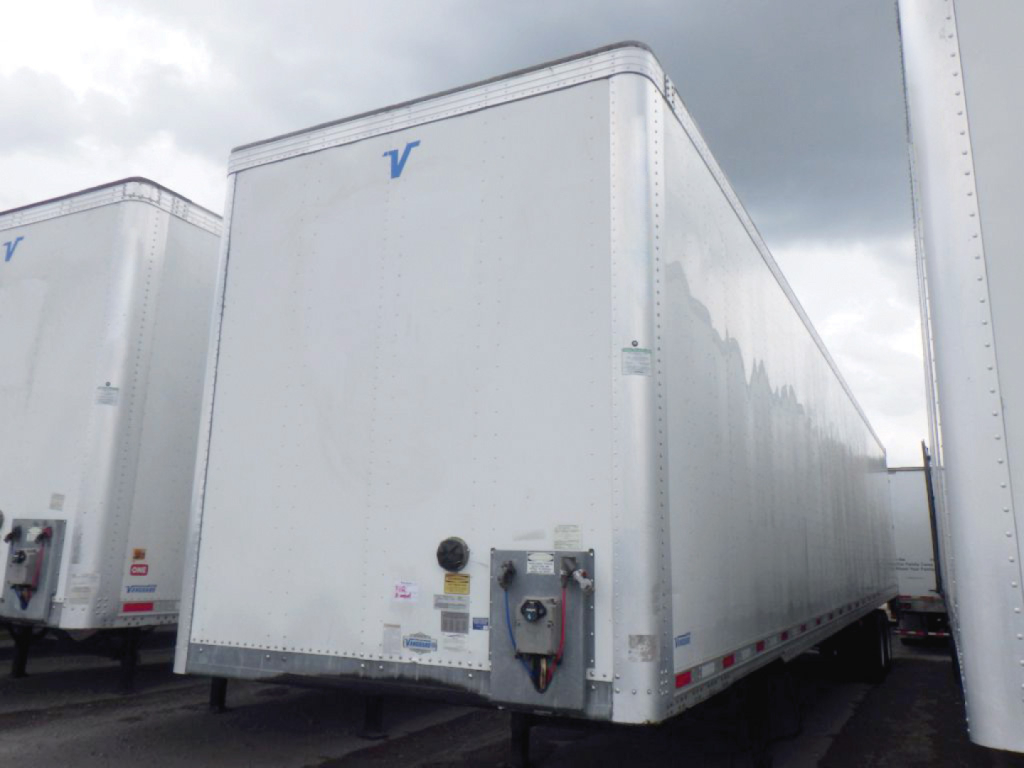
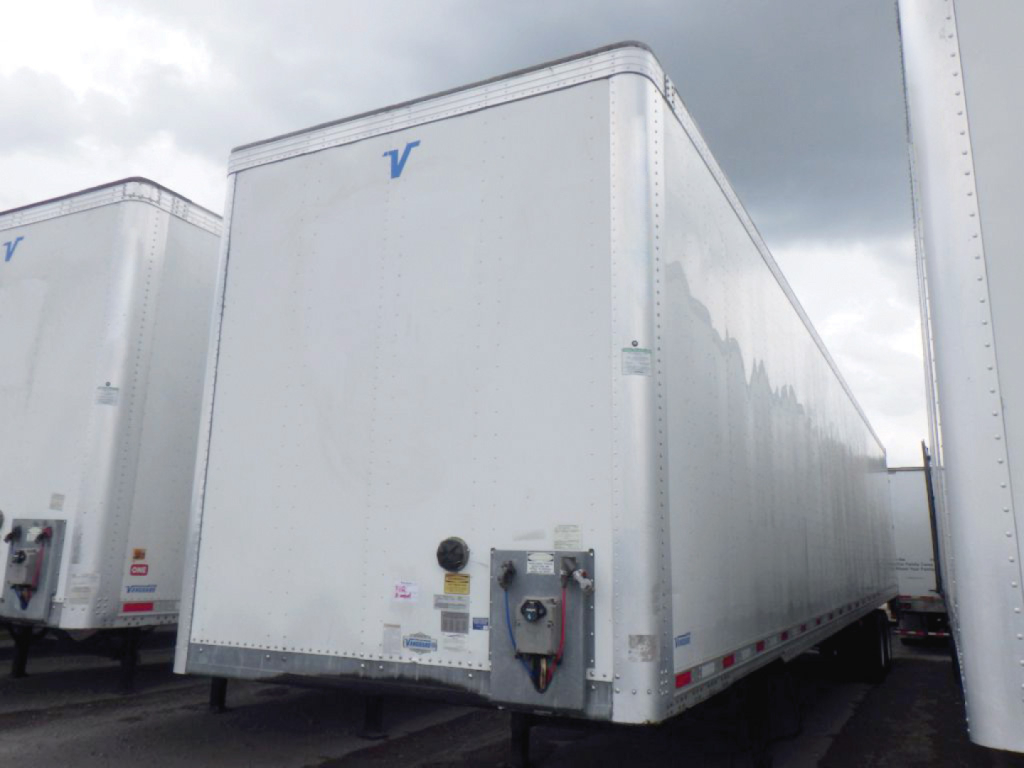
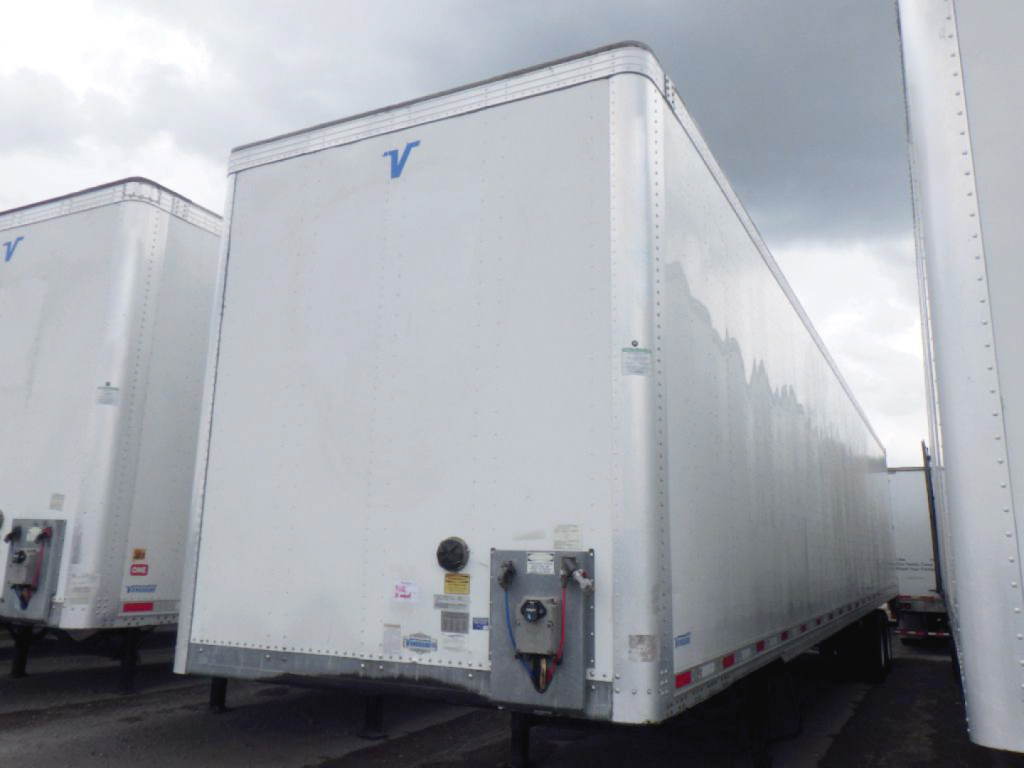
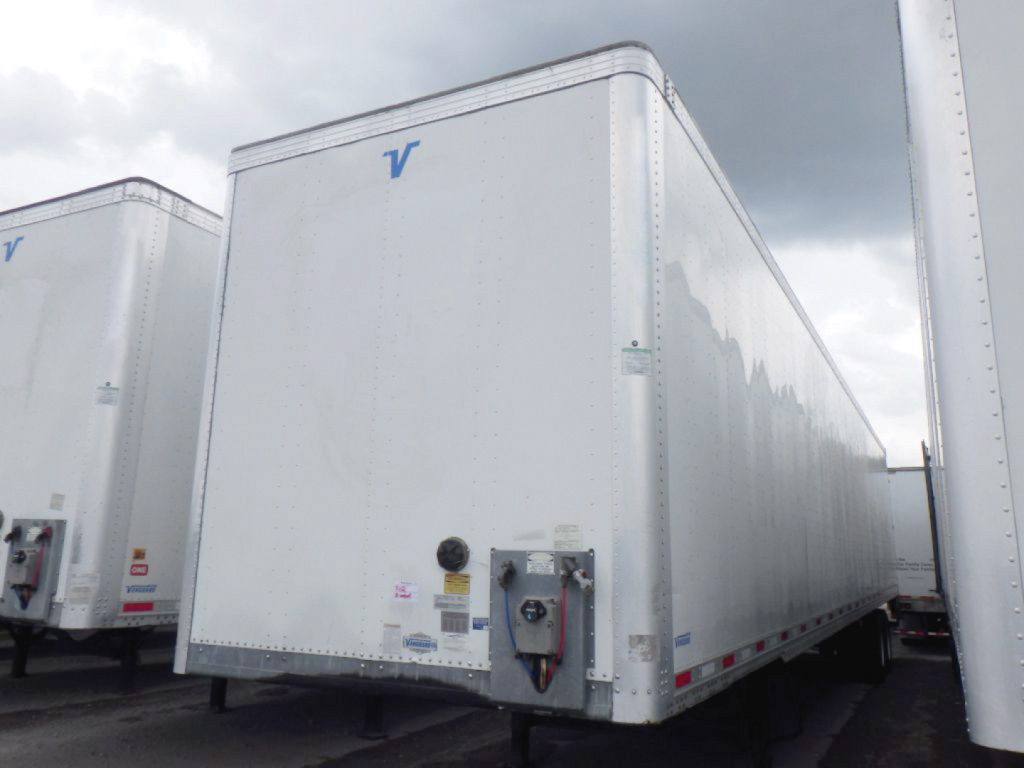
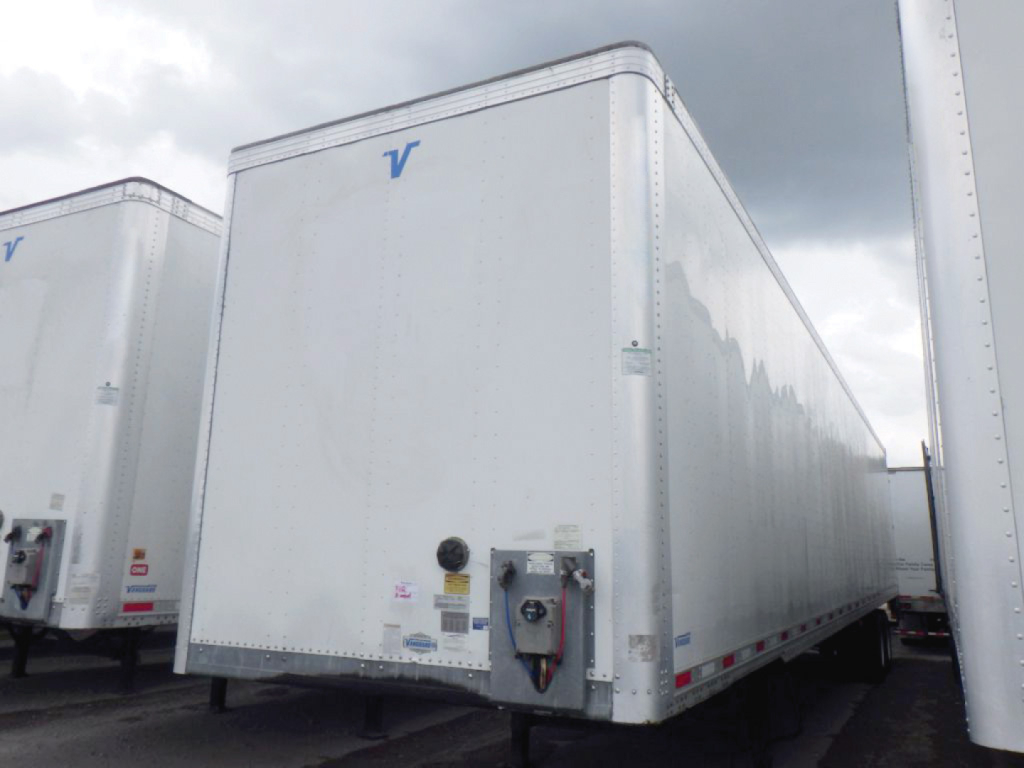
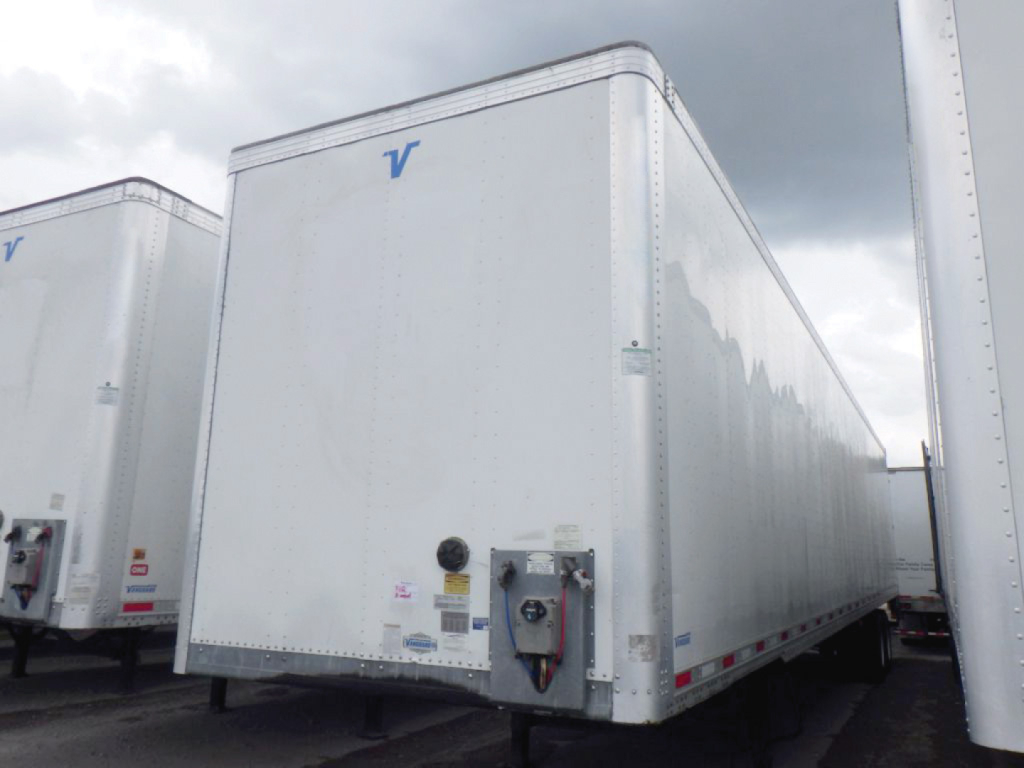
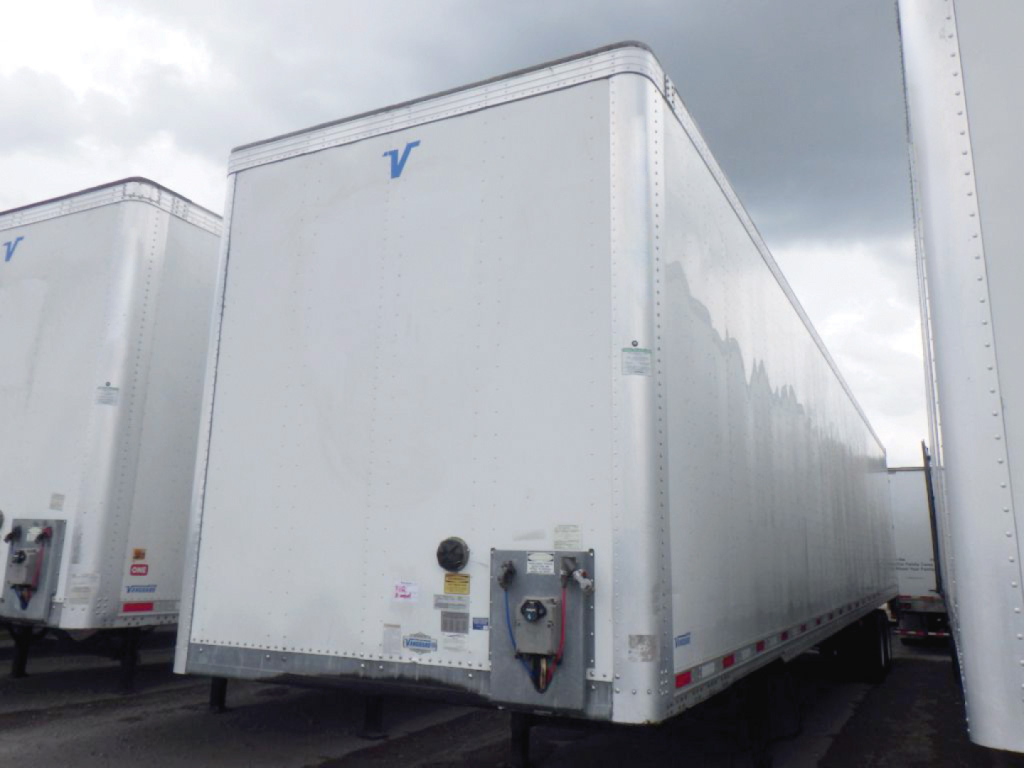
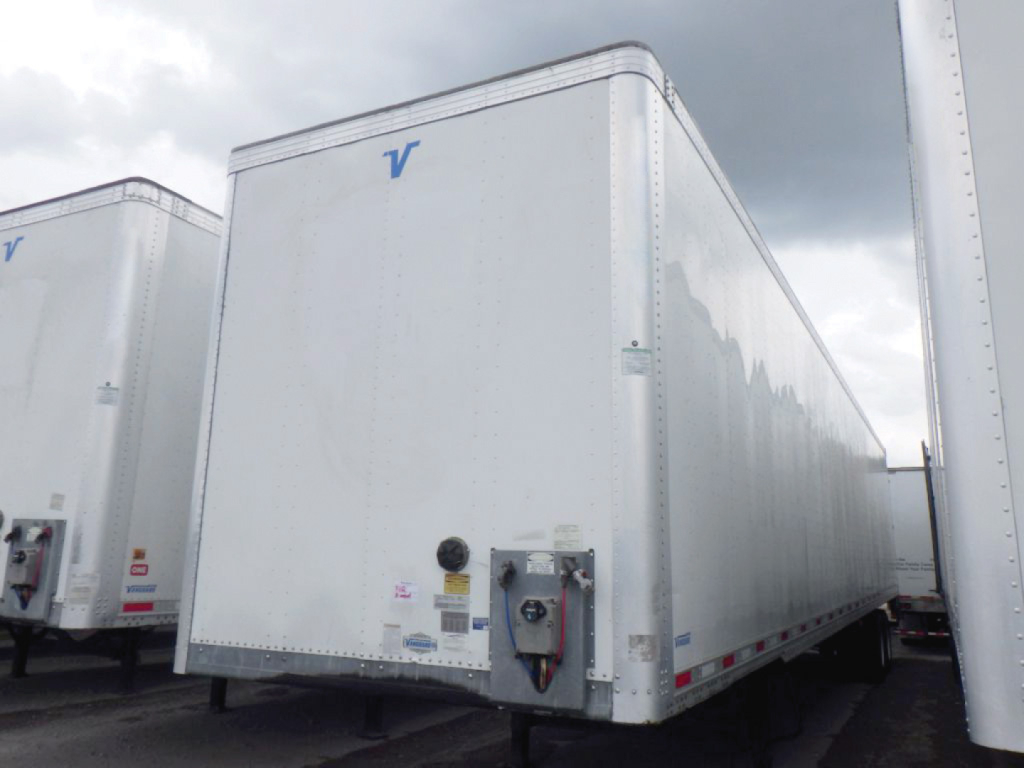
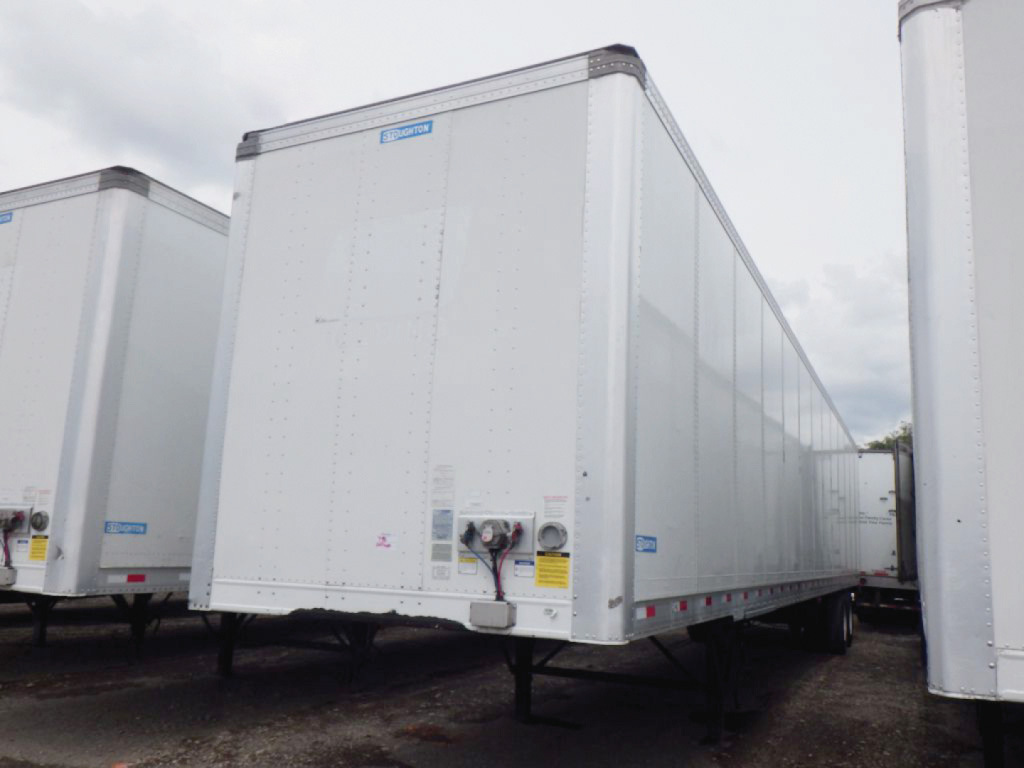
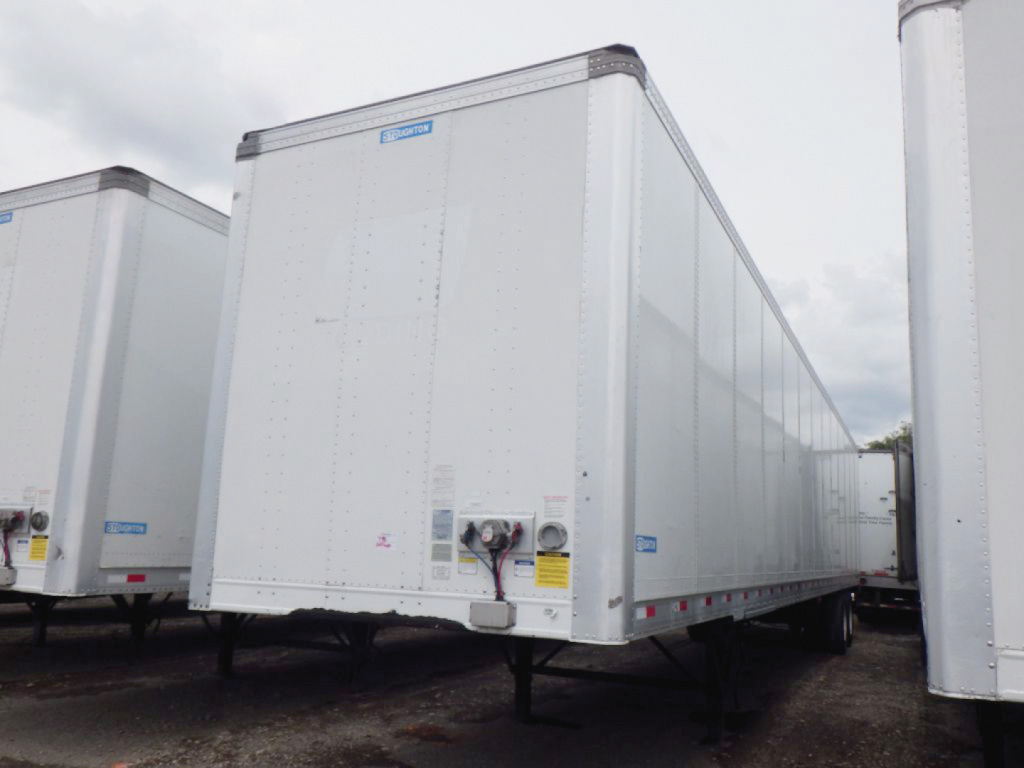
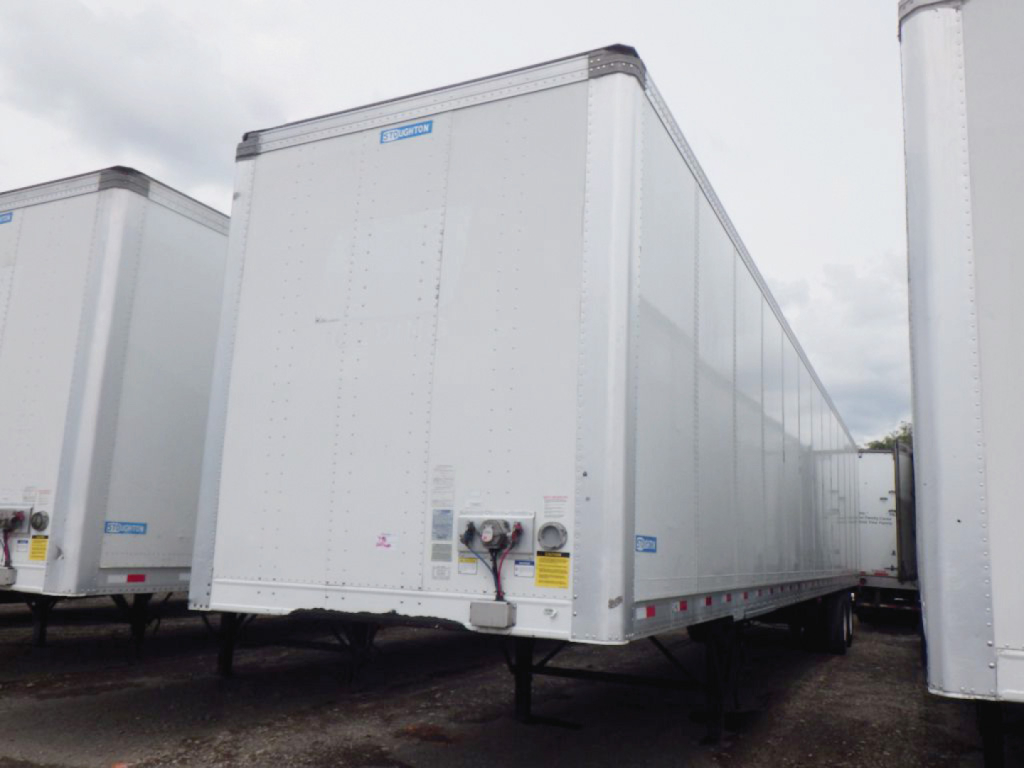
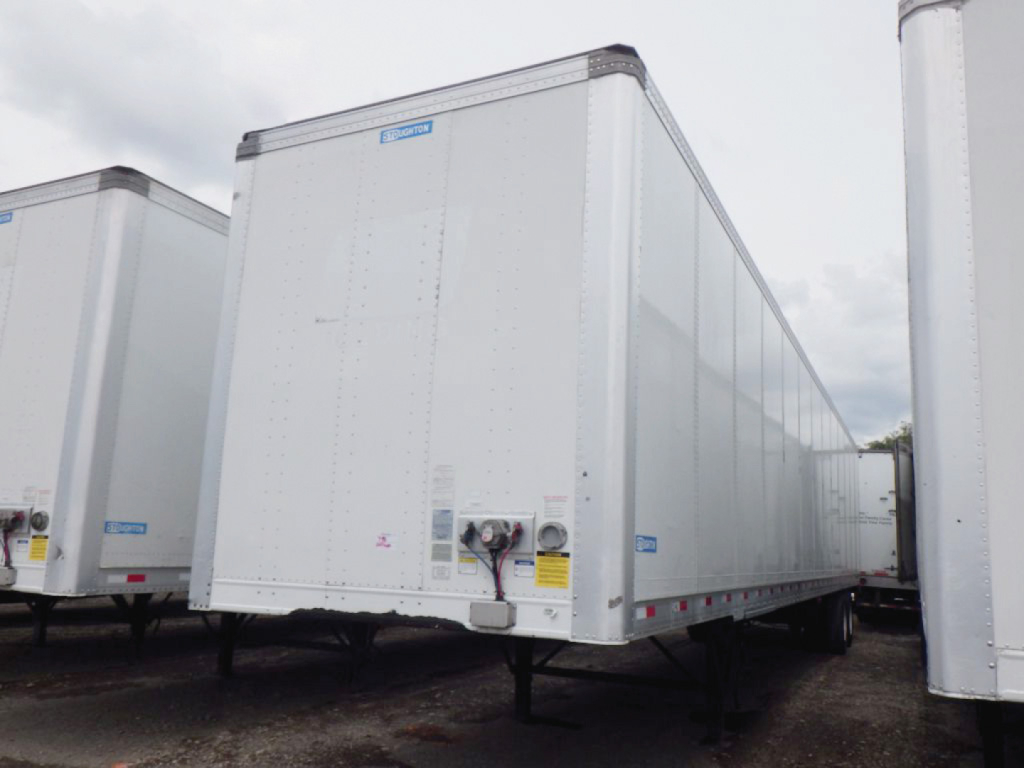
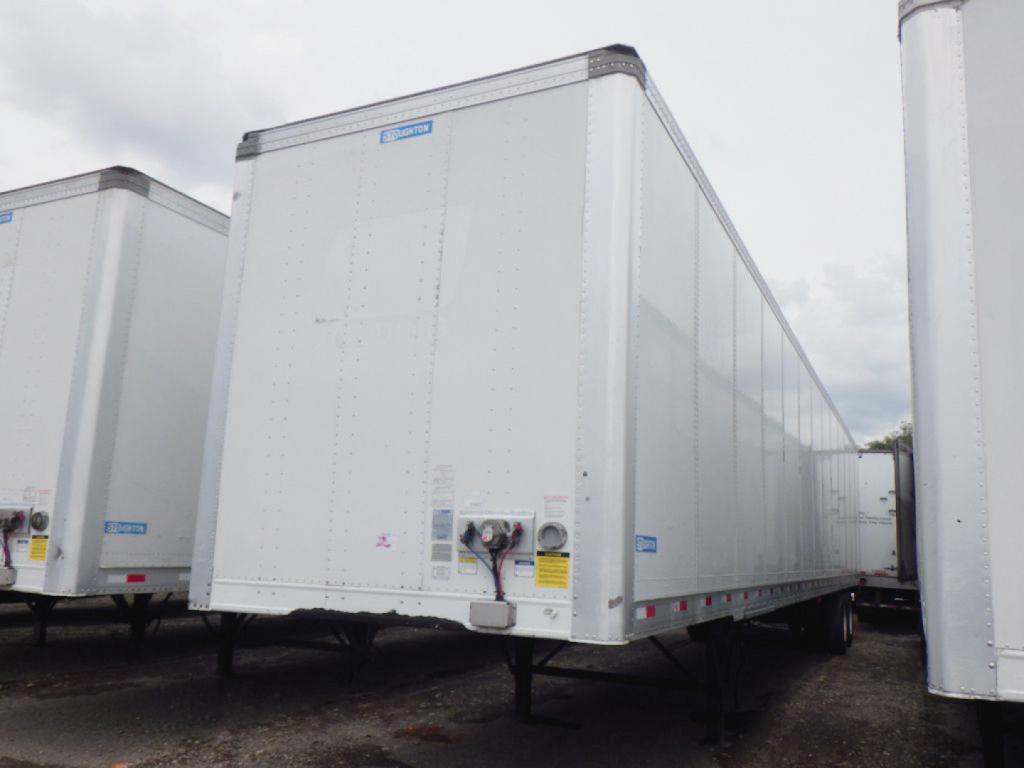
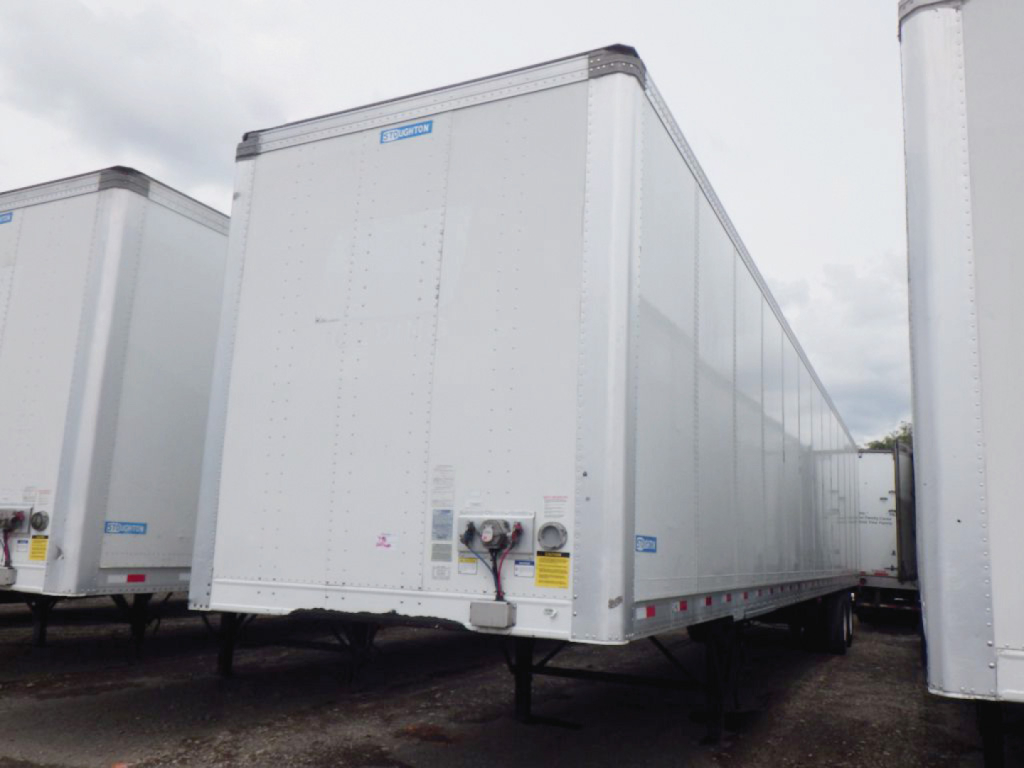
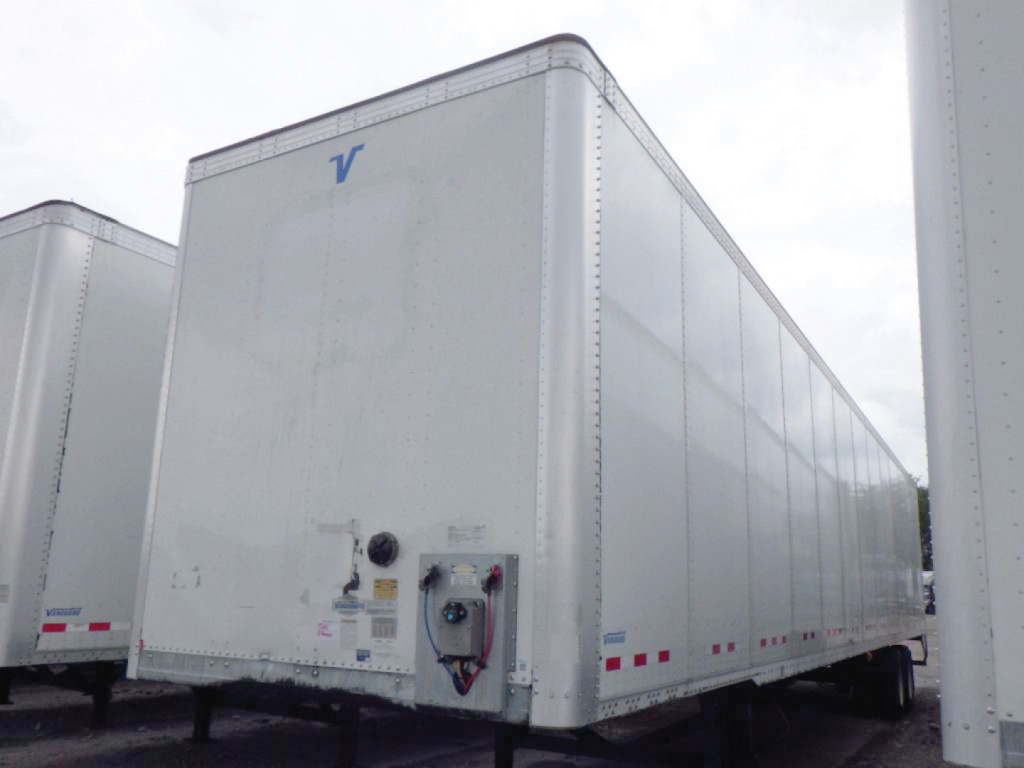
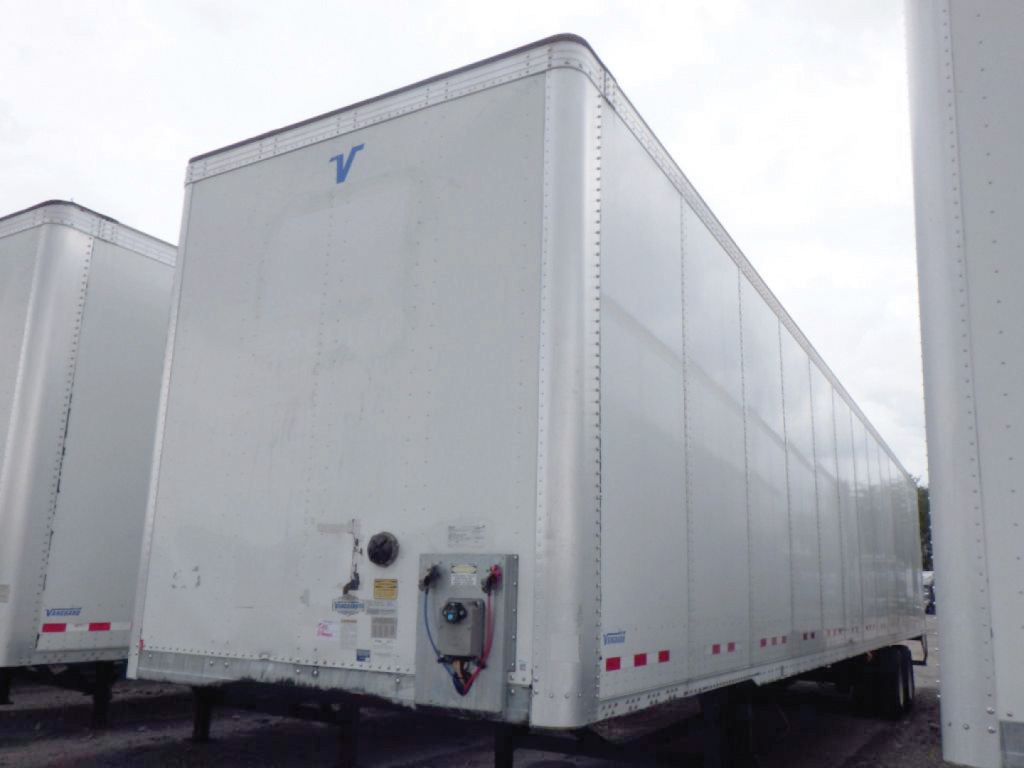
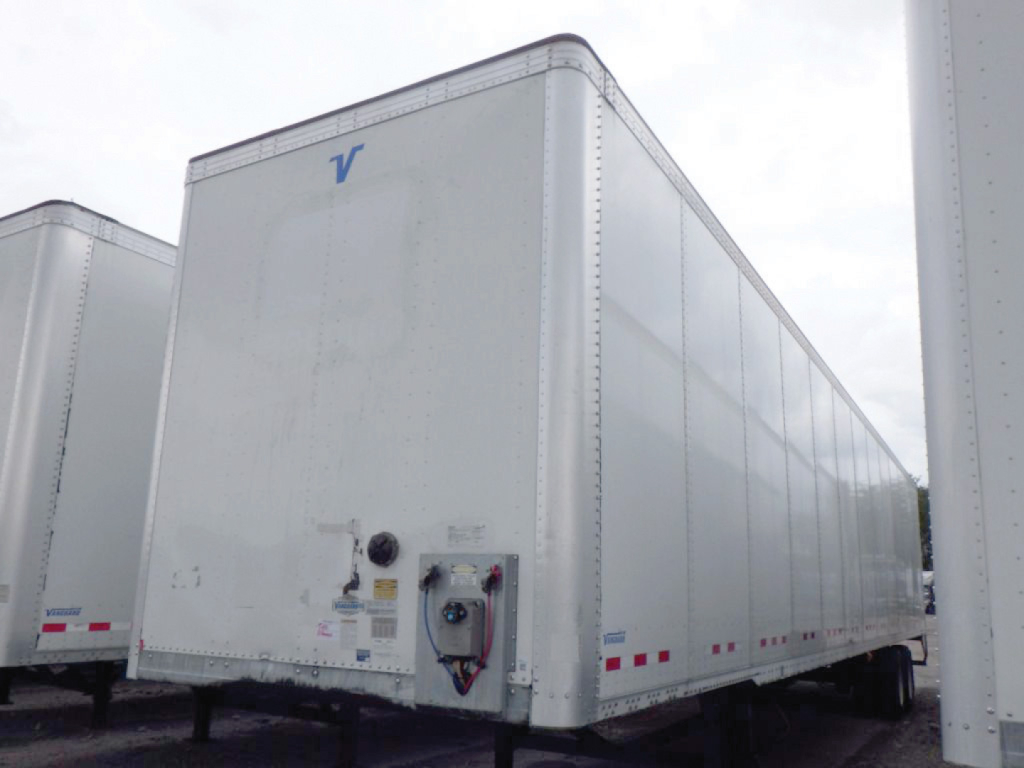
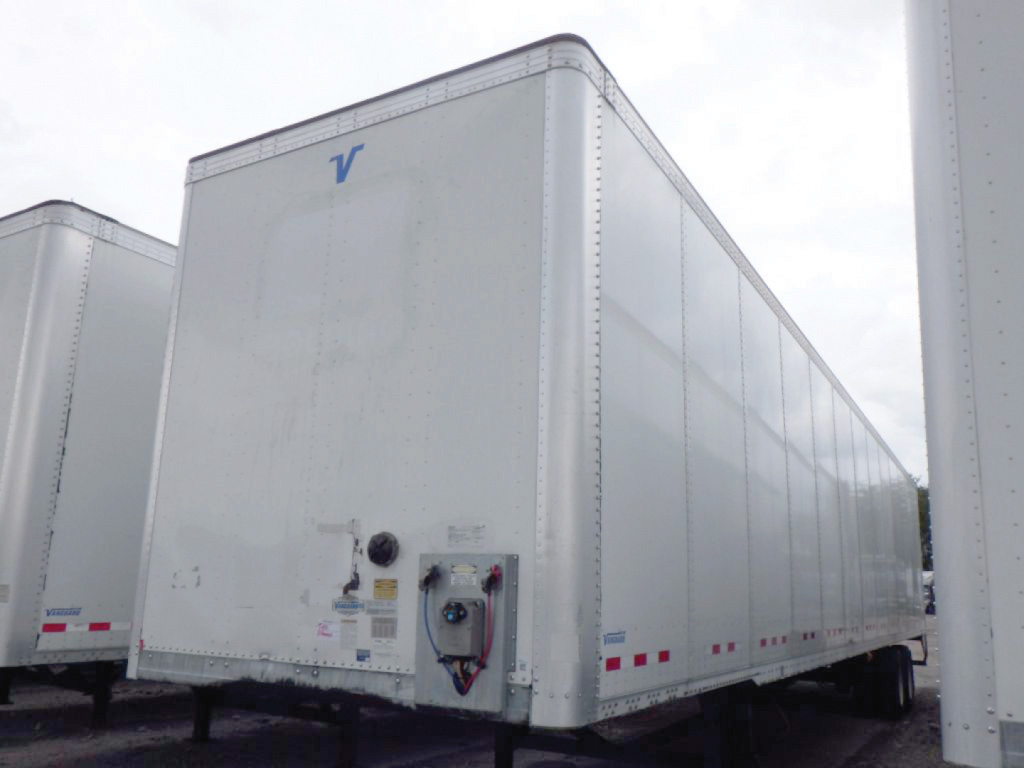
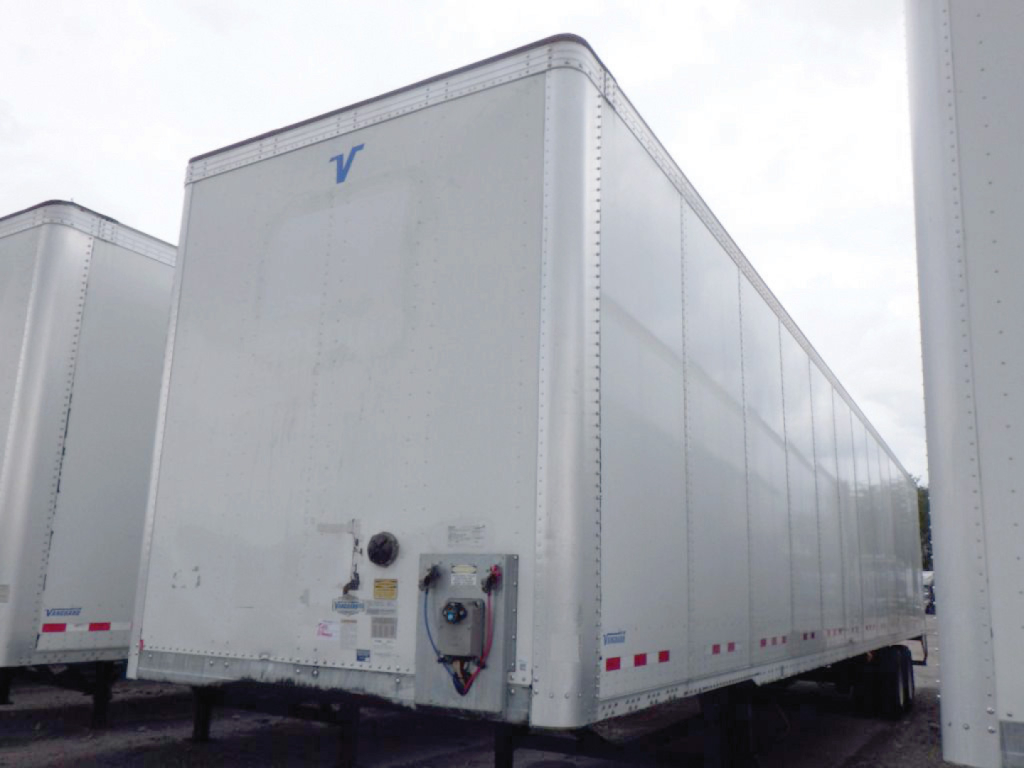
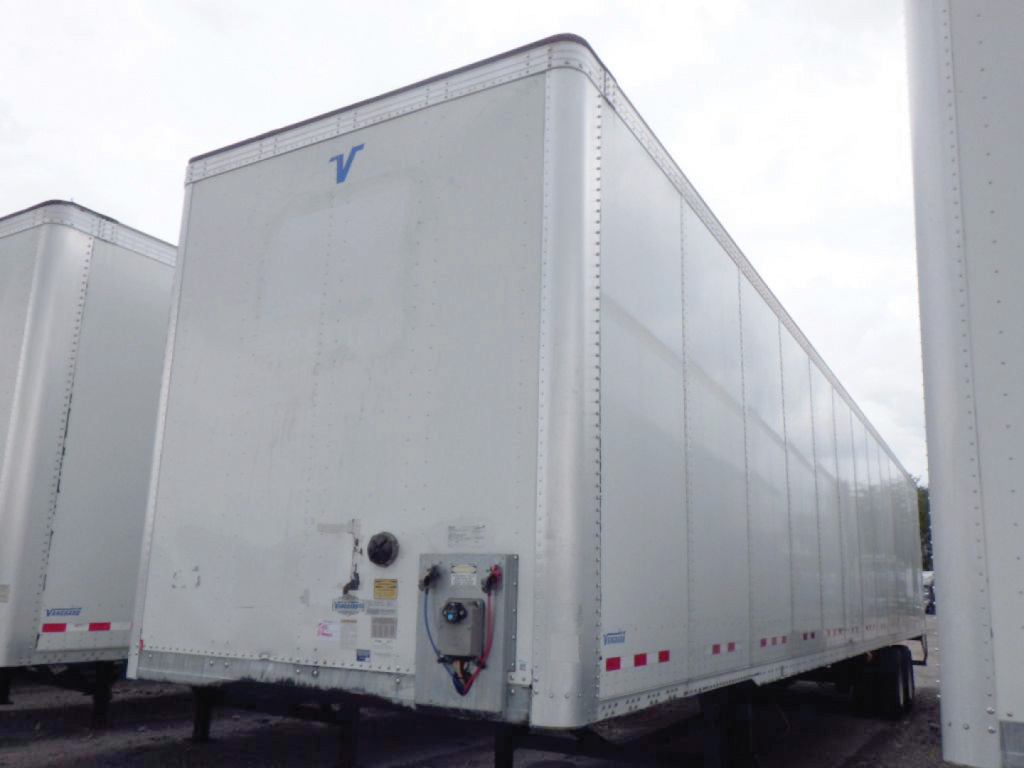
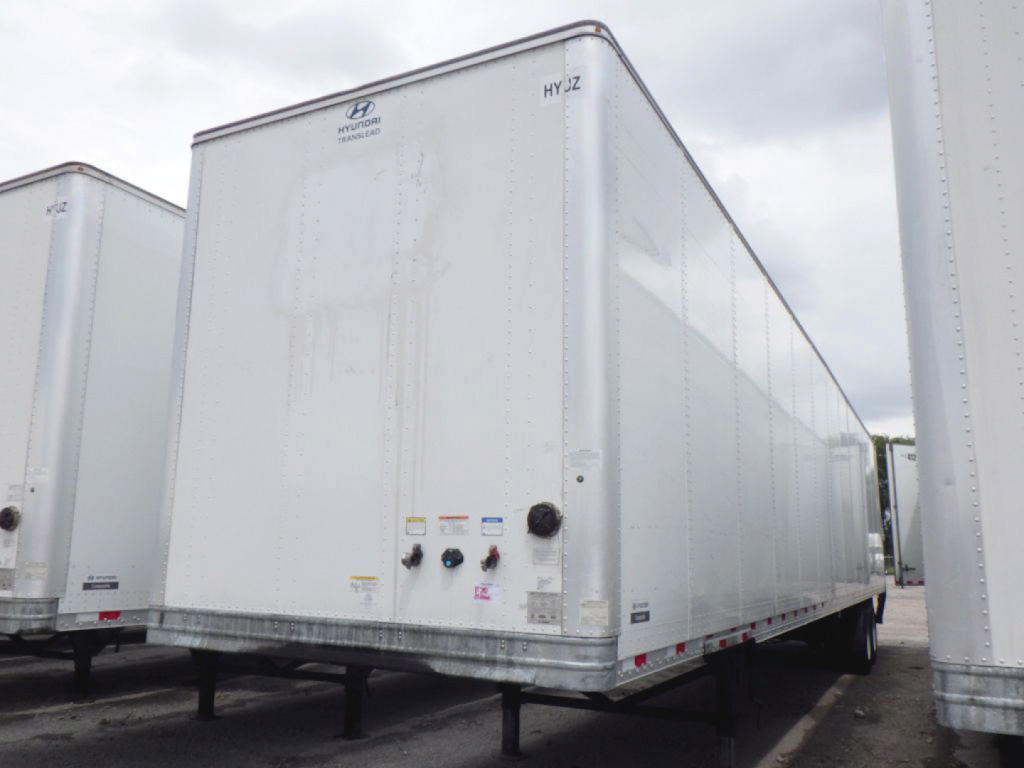
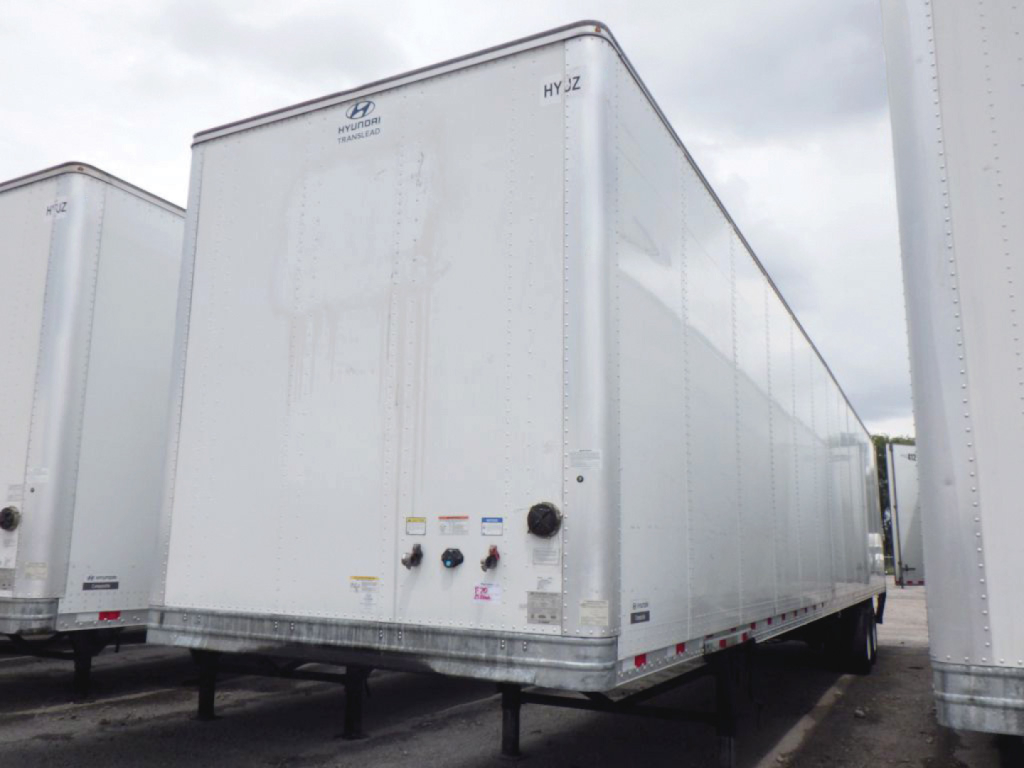
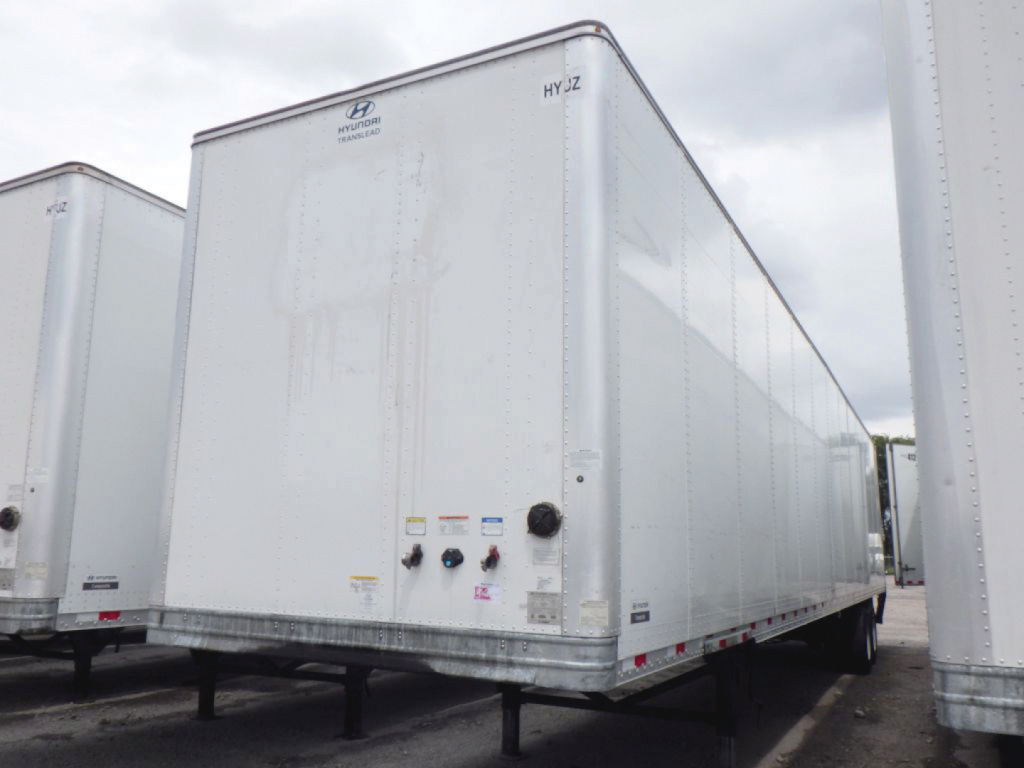
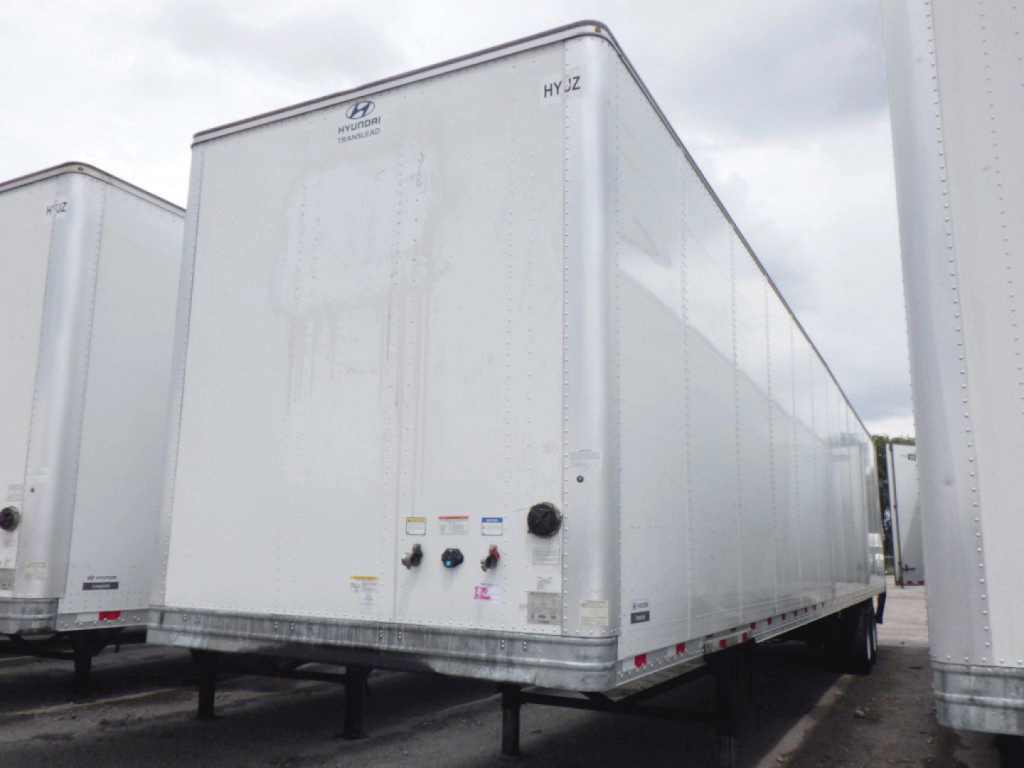
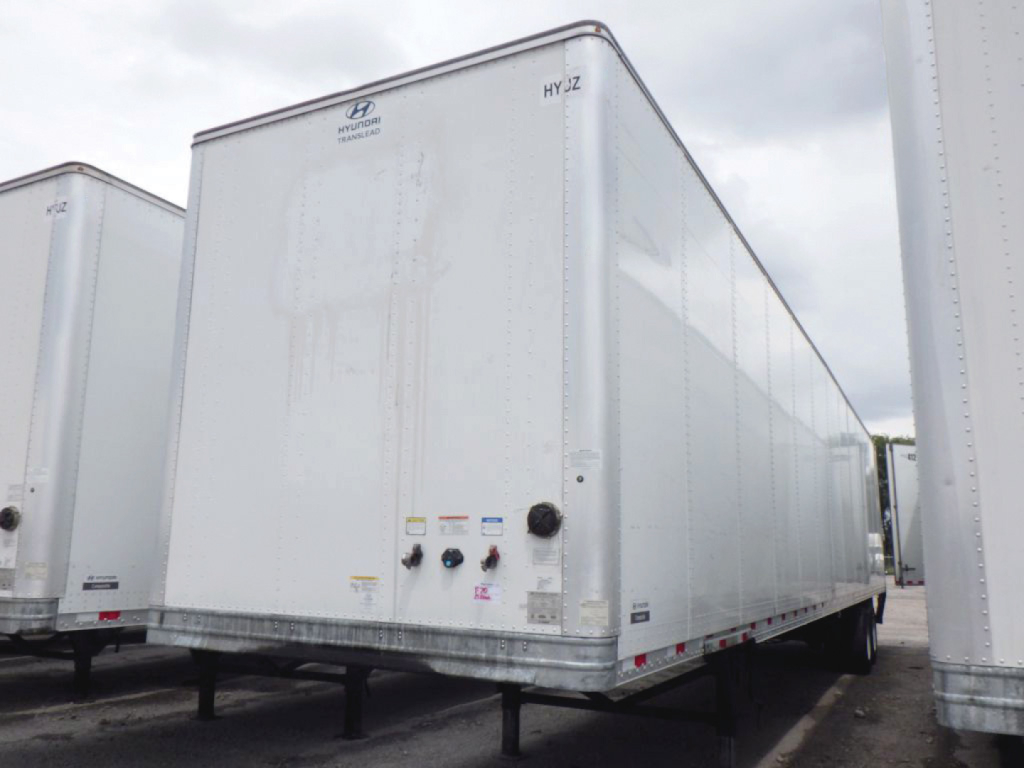
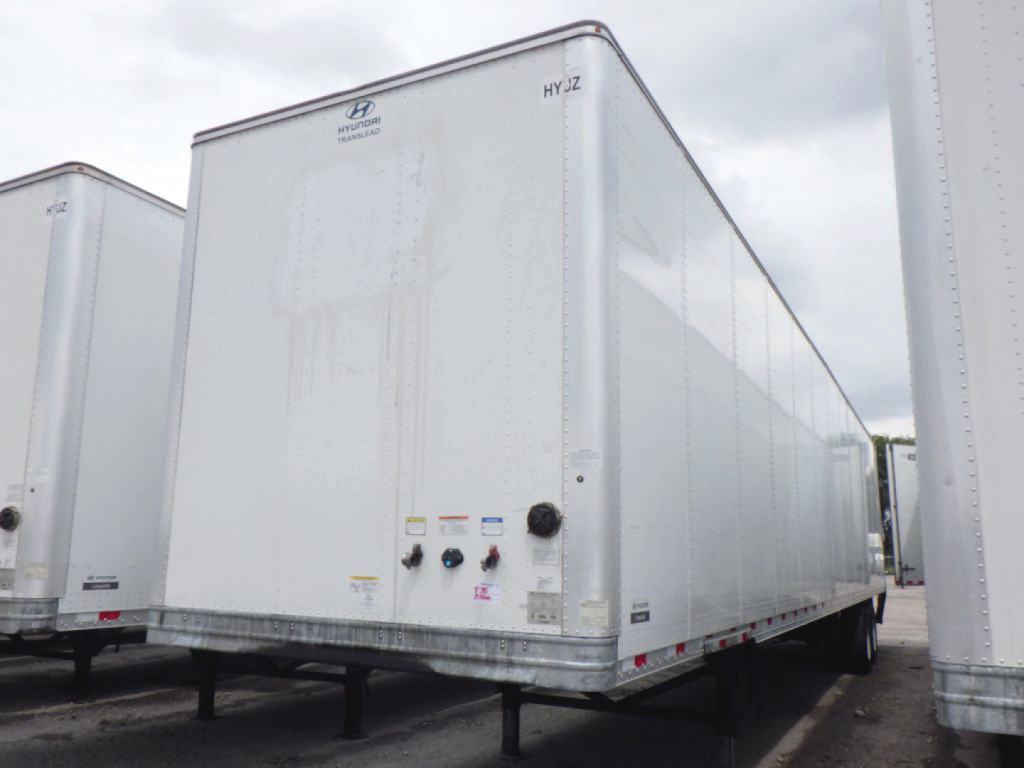
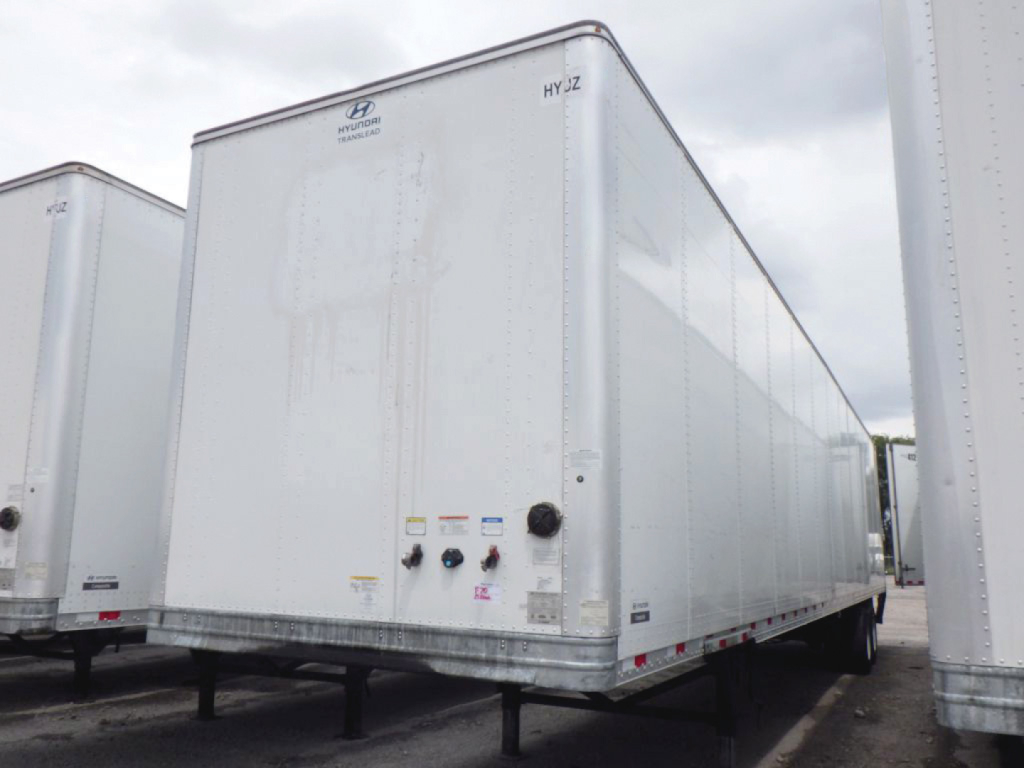
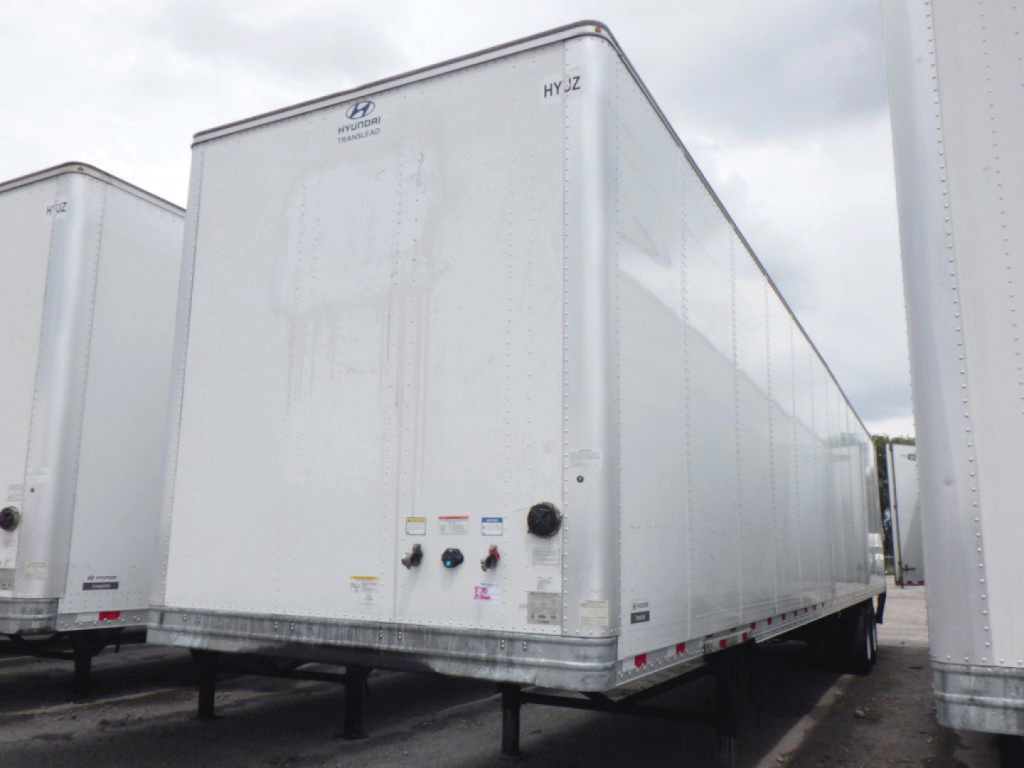
Showing 29 to 56 of 154 results
Selling a used dry van trailer? List your used dry van trailer for sale and reach thousands of commercial buyers.
Used Dry Van Trailers in Illinois
Choose dimensions and construction around the freight, not just tractor compatibility. A 53-foot, 102-inch-wide van is a common highway configuration, while shorter trailers can suit restricted yards and delivery routes. Confirm actual interior width, door opening, and usable height rather than relying on exterior dimensions. Plate-wall and sheet-and-post construction differ in interior clearance, repair methods, and resistance to loading damage. Match logistics posts, scuff liners, roof condition, and floor rating to palletized loads, loading equipment, and securement requirements.
Inspect a used van underneath before judging paint or side panels. Probe suspect flooring for decay, examine crossmember ends and bottom rails, and check the upper coupler and kingpin area for cracks or unauthorized repairs. Roof patches, stained wall liners, and soft floor edges can reveal long-term water intrusion. Operate the tandem slider through its travel and confirm every locking pin seats fully. Test landing gear under appropriate load, check air bags and brake components, and verify ABS warning-lamp operation. Request maintenance records for wheel ends, brakes, tires, and structural repairs; trailer age alone cannot establish condition. Older vans deserve particular attention to wiring deterioration, seal failures, and accumulated forklift damage.
Illinois route suitability is a separate check from trailer GVWR. Confirm designated truck routes, posted bridge limits, and access restrictions between the highway and each loading dock. Sliding tandems help balance axle loads but do not increase legal gross weight. For Chicago-area delivery work and downstate rural receivers, verify turning room, dock approach, and overhead clearance. Compare the complete combination's empty weight and axle ratings before estimating usable payload for dense packaged freight.
Frequently Asked Questions about Used Dry Van Trailers in Illinois
What is the legal weight for a tractor and dry van trailer in Illinois?
A standard five-axle tractor and dry van combination is normally limited to 80,000 pounds gross on Illinois Interstate highways, subject to axle limits and the federal bridge formula. The usual limits are 20,000 pounds on a single axle and 34,000 pounds on a tandem. Posted bridges, local roads, tire ratings, and equipment ratings can impose lower limits; a trailer's GVWR does not authorize that weight on every route.
How do I know if a used dry van floor can handle my forklift?
Compare the loaded forklift's front-axle weight with the dry van manufacturer's floor rating, not with the trailer's total payload rating. Forklift tires concentrate weight over a small contact area, and wheel spacing also matters. Obtain the applicable floor specification and inspect boards, fasteners, and supporting crossmembers. Rot, split boards, or weakened crossmembers can make a previously adequate floor unsuitable for the same loading equipment.
Are swing doors or roll-up doors better for Illinois dry van work?
Swing doors usually provide a larger clear rear opening for highway dry van freight, while roll-up doors suit frequent delivery stops where opening outward-swinging doors is inconvenient. A roll-up mechanism occupies space above the opening and requires track, roller, and spring maintenance. Confirm receiver dock practices before choosing either design, particularly where a trailer must remain sealed until it reaches the dock.
Should I buy a used dry van with wide-base single tires or duals?
Dual tires offer broader replacement compatibility, while wide-base singles can reduce dry van tare weight when paired with suitable wheels. Compare the complete wheel-and-tire configuration rather than assuming every single-tire setup saves the same weight. A failed wide-base tire leaves no companion tire at that wheel position, making roadside service planning important. Inspect wheel ratings, tire load capacity, inflation equipment, and uneven wear before choosing.
What model years of dry van trailers are required to have ABS?
U.S.-market air-braked dry van trailers manufactured on or after March 1, 1998, were required to have ABS. The manufacture date, rather than the advertised model year alone, determines whether that requirement applies. On a used trailer, verify the system's startup check and retrieve fault codes when the warning lamp indicates a problem. Earlier trailers may have ABS, but age alone does not confirm its presence.