
Used Stoughton Dry Van Trailers For Sale in Colorado
Used Stoughton dry van trailers for sale in Colorado: compare Z-Plate walls, door clearance, brake condition, and corrosion for mountain and dock work.
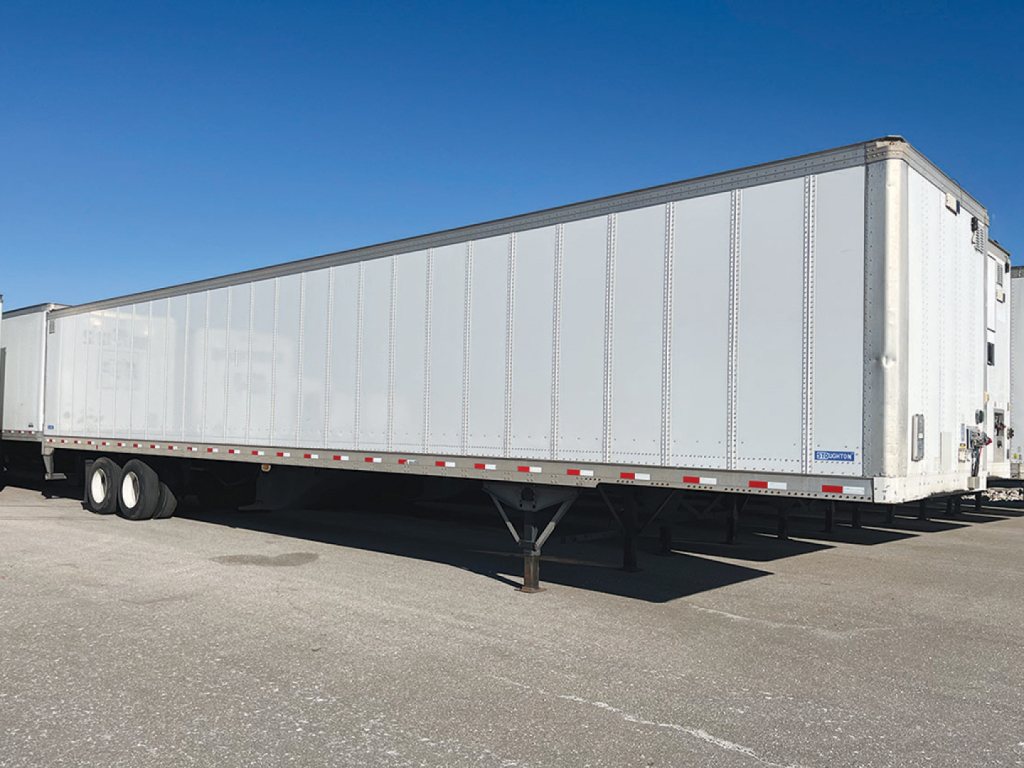
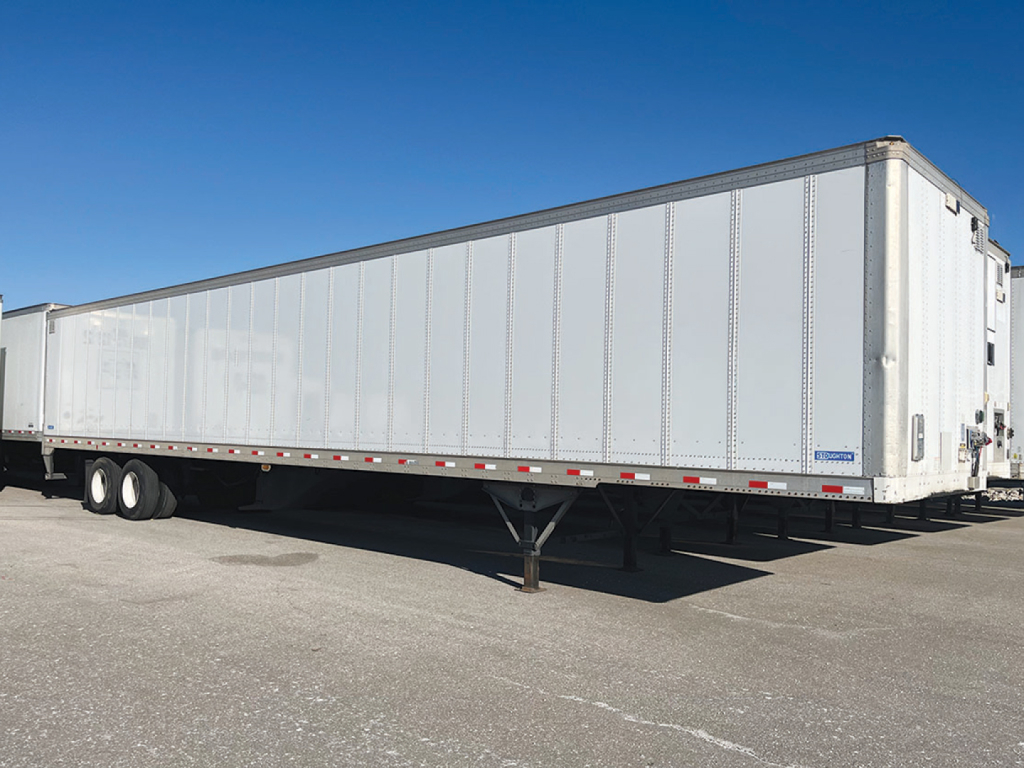
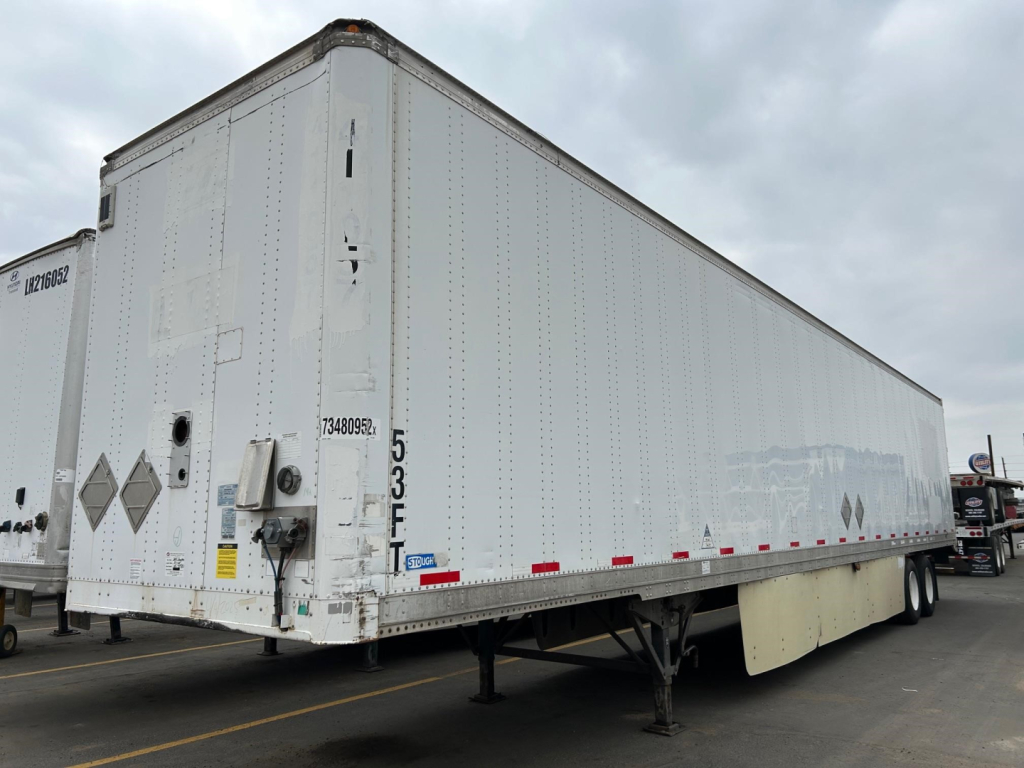
Selling a used stoughton dry van trailer? List your used stoughton dry van trailer for sale and reach thousands of commercial buyers.
Used Stoughton Dry Van Trailers in Colorado
Stoughton Z-Plate composite-wall vans and sheet-and-post vans need different sidewall inspections. Check Z-Plate panels for punctures, separation, damaged joints, and poorly sealed repairs; check sheet-and-post bodies for bent posts, loose fasteners, and torn exterior sheets. Interior scuff liners protect the lower wall from forklifts and pallet contact, but liners can conceal damage. Inspect logistics tracks and their attachment points rather than assuming every van with wall tracks can handle the same restraint loads.
A Colorado location does not establish a trailer's operating history; request prior service regions and maintenance records. Mountain road deicers and earlier Snow Belt service can leave corrosion on crossmembers, slider rails, brake hardware, and landing-gear mounts. Examine the upper coupler and kingpin area for cracking, plate distortion, and undocumented welding. Walk the wood floor for soft spots and inspect underneath for broken crossmembers or water staining. Roof seams, front corners, and door gaskets need close inspection for leaks, hail damage, and dried sealant, particularly on older vans with repeated patch repairs.
I-70 grades put a premium on sound service brakes, wheel ends, and suspension air plumbing. Standard Interstate weight planning starts with an 80,000-pound gross combination limit, a 34,000-pound tandem limit, and federal bridge-formula compliance, subject to applicable exceptions. Sliding tandems redistribute axle weight but do not raise the trailer's component ratings or the combination's legal gross limit.
Match swing doors to full-opening dock access and roll-up doors to frequent delivery stops, then measure the actual clear opening and check dock compatibility. Operate the slider locks, landing gear, and doors through their full travel. Inspect brake wear, ABS wiring, wheel-end seals, and air springs, and check for air leaks with the suspension inflated. Verify axle and suspension ratings on identification plates and confirm empty weight against the intended payload. Annual inspection reports and dated repair invoices help distinguish routine upkeep from repeated roof leaks, brake faults, or collision repairs.
Frequently Asked Questions about Used Stoughton Dry Van Trailers in Colorado
How many pallets fit in a 53-foot Stoughton dry van?
A conventional 53-foot Stoughton dry van commonly carries 26 standard 48-by-40-inch pallets in a straight-loaded, single-layer arrangement. That layout uses 13 rows with the 48-inch dimension running lengthwise. Verify usable floor length, pallet overhang, door clearance, and weight distribution; pallet positions do not guarantee legal payload capacity.
Does a used Stoughton dry van need its own annual DOT inspection?
A Stoughton dry van used in interstate commercial service must pass a periodic inspection at least once every 12 months under 49 CFR 396.17. The trailer needs its own qualifying inspection, even when the tractor has a current inspection. Review the inspection documentation and unresolved defects; a seller's assertion that a trailer is DOT ready is not inspection proof.
How should I evaluate the tires on a used Stoughton dry van?
Tire casing condition, load rating, and service history matter more than tread depth alone on a used Stoughton dry van. Read DOT date codes, inspect inner sidewalls and dual spacing, and reject exposed cords, bulges, or serious weather cracking. Mixed tire diameters in a dual assembly can overload one tire. Plan for matched replacements when age, damage, or uneven wear makes the existing set unsuitable.
Can a Stoughton dry van haul food through Colorado winters?
A standard Stoughton dry van provides weather protection, not refrigeration or reliable freeze protection. Packaged, shelf-stable food may be suitable if the trailer meets the shipper's sanitation, odor, pest-control, and prior-cargo requirements. Colorado winter temperatures can freeze sensitive liquids, while summer solar heating can damage heat-sensitive freight. Use temperature-controlled equipment whenever the shipper requires a maintained temperature range.