
Used 2015 Stoughton Dry Van Trailers For Sale
Used 2015 Stoughton dry van trailers for sale: compare pup and tandem configurations, floor integrity, roll-up doors, and axle ratings before buying.
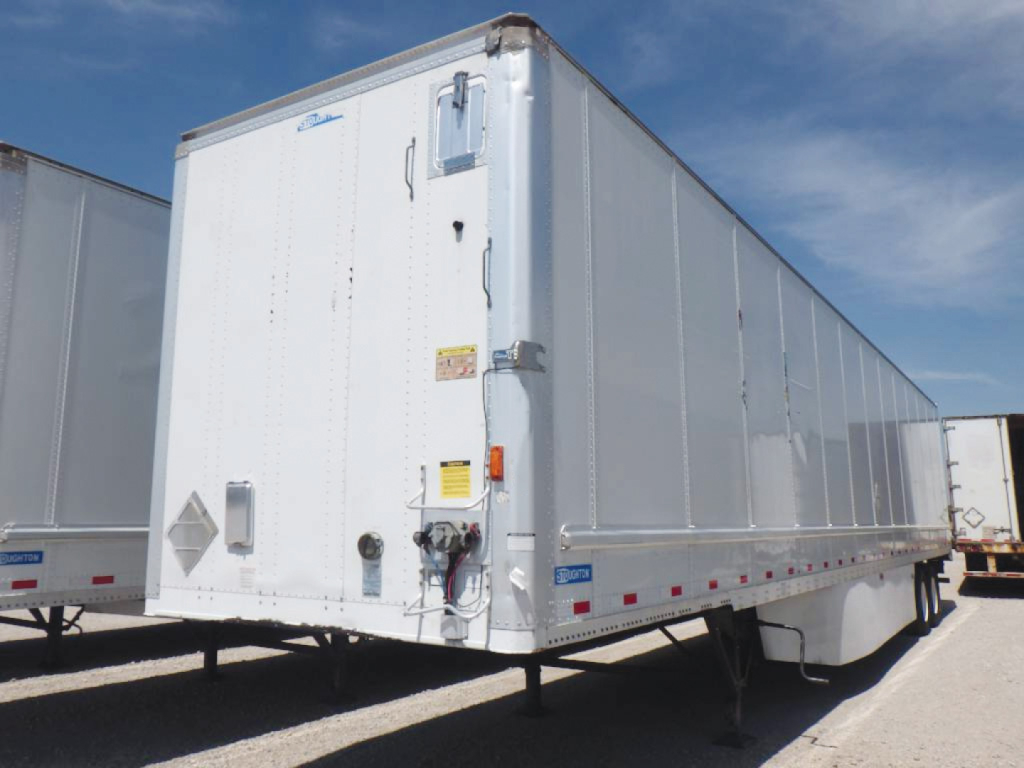
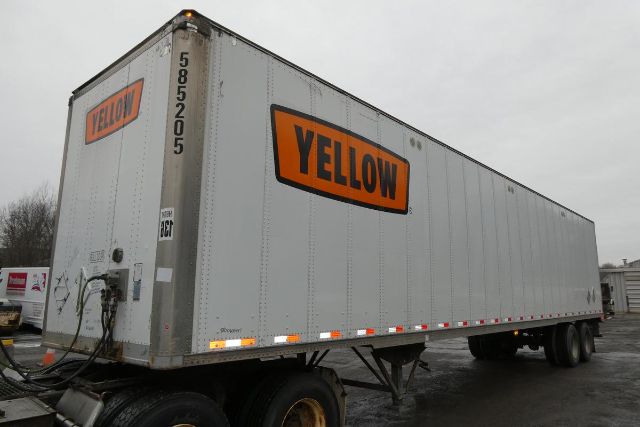
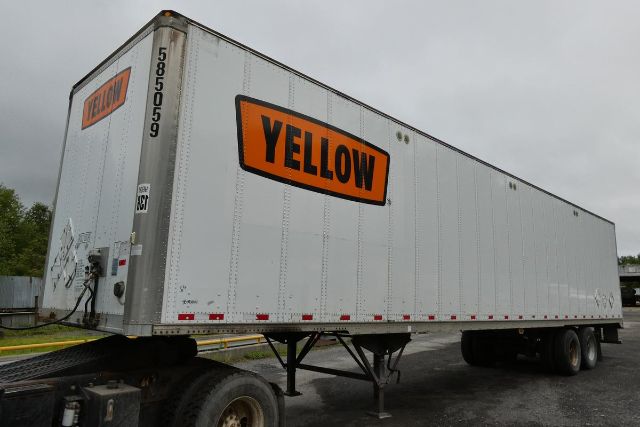

Selling a used 2015 stoughton dry van trailer? List your used 2015 stoughton dry van trailer for sale and reach thousands of commercial buyers.
Used 2015 Stoughton Dry Van Trailers
A 2015 model is now more than a decade old, so maintenance records and structural repairs matter more than cosmetic condition. Request inspection reports, brake and wheel-end service history, and documentation for floor, roof, or wall repairs. Check the manufacturer's identification plate against the title or registration, especially on former fleet equipment with replacement doors or repainted identification markings.
Inspect the lower rails, crossmembers, landing gear mounts, kingpin plate, and rear frame for corrosion, cracks, or distortion. Walk the wood floor looking for soft spots and forklift damage, then check roof seams and wall joints for water entry. Roll-up doors need smooth travel, intact cables, sound rollers, and a square opening; repairs can involve more than replacing panels. On spring-ride trailers, inspect leaf packs, hangers, bushings, and axle alignment. Sliding tandems should move without binding, and every locking pin must fully engage. Test air-brake function and ABS operation rather than judging roadworthiness by lining thickness alone.
Salt exposure across the northern United States and Canada makes underbody inspection particularly important on this model year. Examine steel components and electrical connections even when aluminum body panels look clean. Trailer GVWR does not establish legal payload: tractor weight, kingpin load, axle spacing, and route limits also control the combination. Verify state or provincial weight rules and doubles permissions before assigning a pup to linehaul service, and confirm that the trailer's door opening clears the tallest planned load.
Frequently Asked Questions about Used 2015 Stoughton Dry Van Trailers
How do I calculate payload on a 2015 Stoughton dry van trailer?
Usable payload is limited by the lowest applicable equipment rating or legal weight limit after accounting for actual vehicle weights. Subtracting empty trailer weight from trailer GVWR gives only a preliminary capacity figure. A 2015 Stoughton dry van also transfers weight through the kingpin to the tractor. Scale the loaded combination by axle group and check tractor ratings, trailer axle ratings, tire capacities, and applicable bridge or provincial weight rules.
Can a 28-foot Stoughton pup trailer be used in doubles?
A 28-foot Stoughton pup can run in doubles only when the trailer is equipped and rated for that service. Length alone does not establish suitability. Verify the rear coupling assembly, mounting structure, safety connections, air plumbing, and electrical connections for the intended position in the combination. United States drivers generally need a doubles/triples endorsement on the appropriate CDL, while Canadian licensing and combination permissions follow provincial requirements. Confirm that the entire route permits the combination.
How do I know whether a used Stoughton dry van floor can support my forklift?
The documented forklift axle-load rating, not trailer GVWR, determines whether a Stoughton dry van floor can handle a particular loaded forklift. Compare that rating with the forklift's loaded axle weight and operating conditions, including wheel contact area. Obtain the original floor specification or written guidance for the trailer's actual construction. Replacement boards, damaged crossmembers, and undocumented repairs can reduce capacity even when the floor looks serviceable from above.
How should I check the ABS on a 2015 Stoughton dry van before buying?
The trailer ABS warning lamp should complete the installed system's prescribed self-check without indicating an unresolved fault. On a 2015 Stoughton dry van, confirm that the lamp works rather than assuming an unlit lamp means healthy ABS. Some systems require wheel movement to clear certain indications. Have a technician retrieve fault codes and inspect wheel-speed sensors, wiring, power supply, and the modulator; a routine brake application alone does not verify ABS operation.