
2014 Stoughton Dry Van Trailers For Sale
Compare 2014 Stoughton dry van trailers for sale by pup or linehaul configuration, floor condition, door operation, suspension, and corrosion risk.
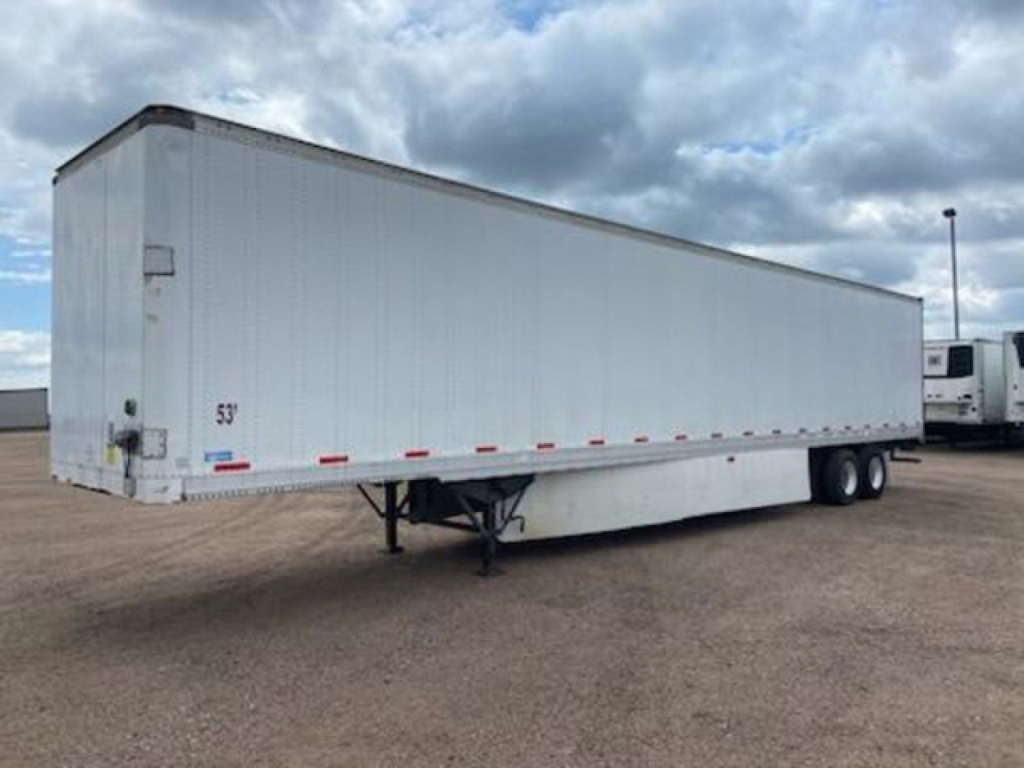
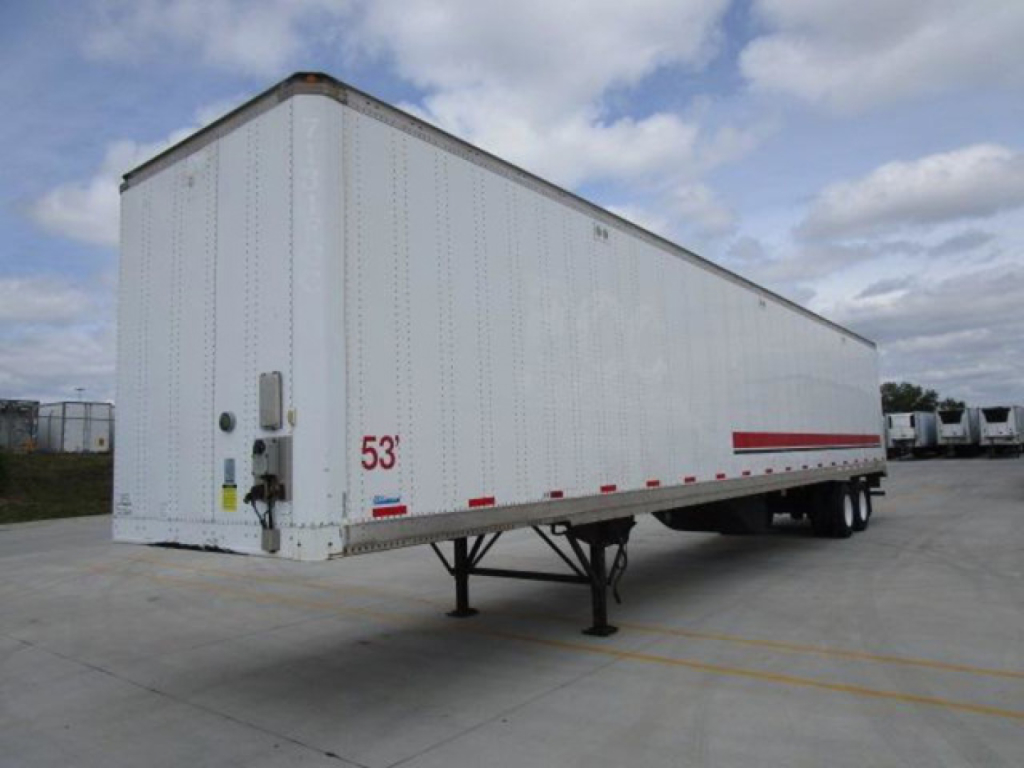
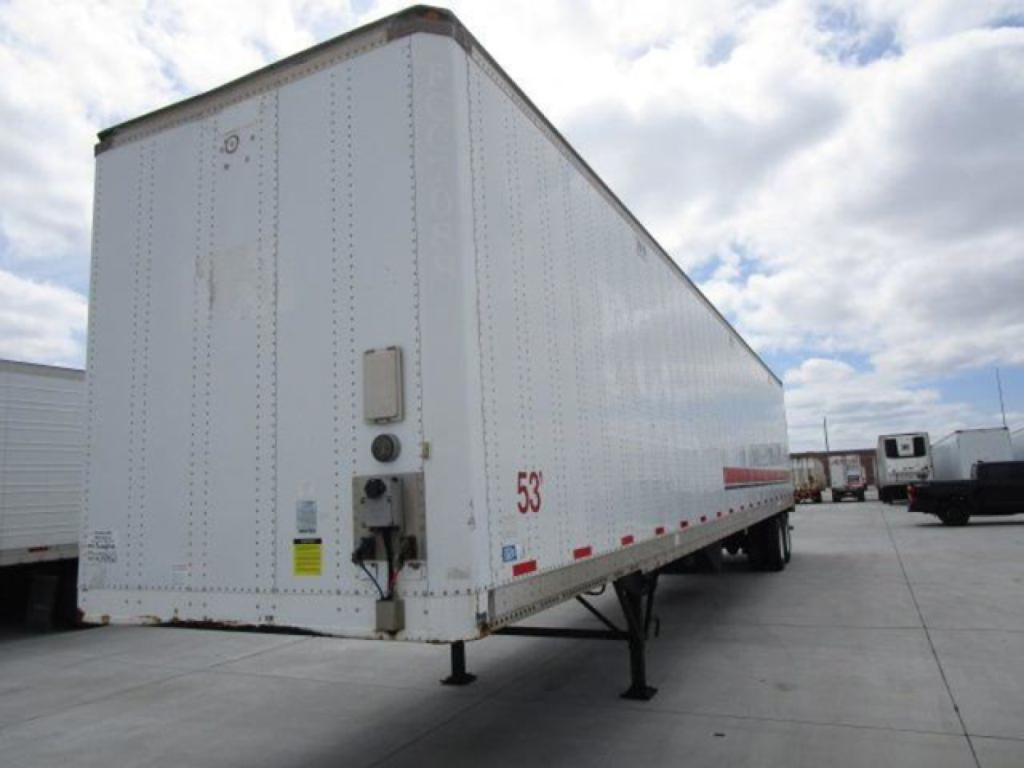
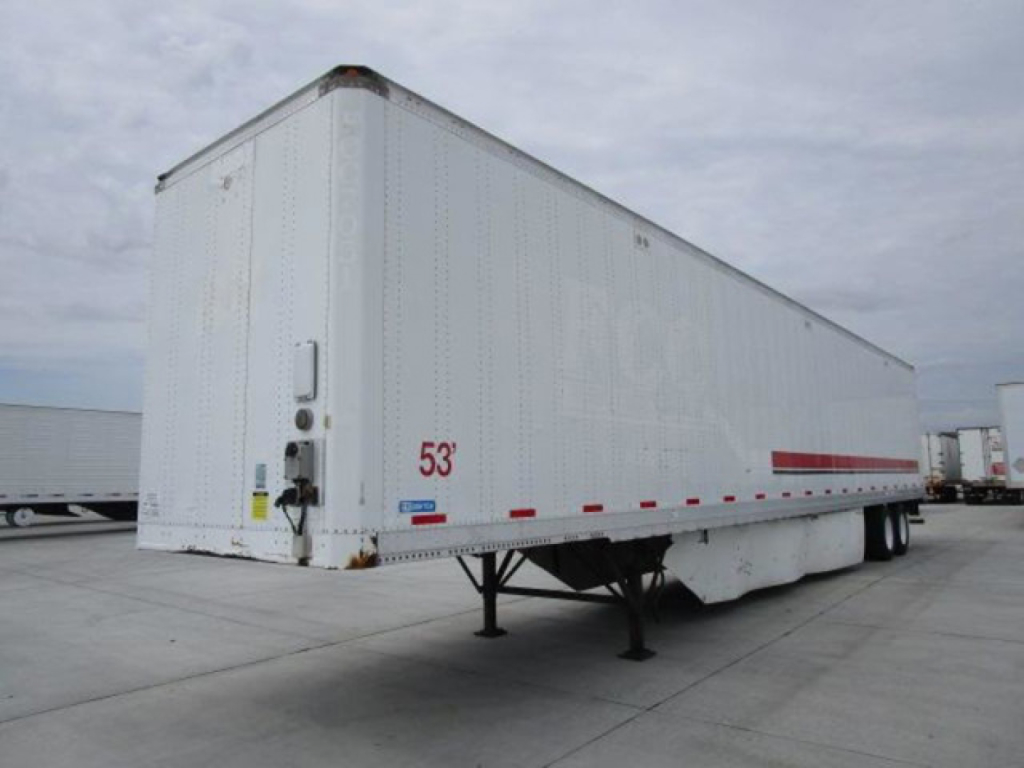
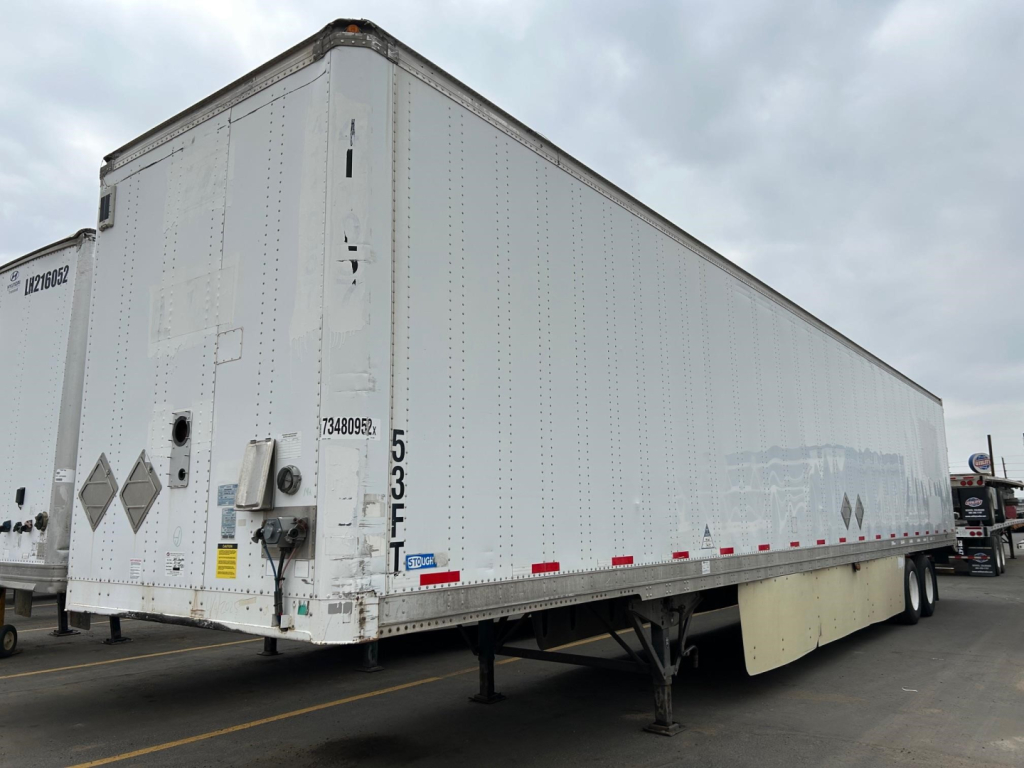
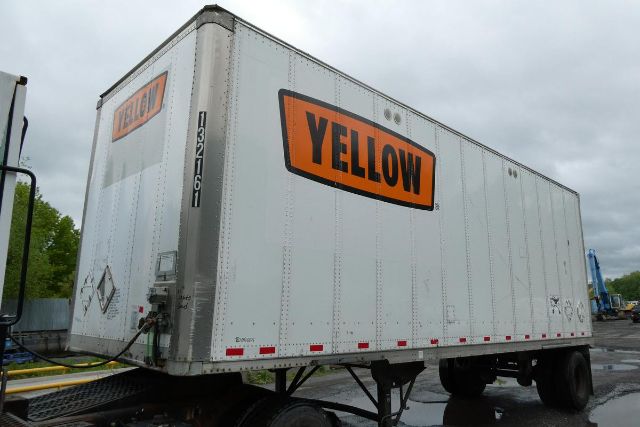

Selling a 2014 stoughton dry van trailer? List your 2014 stoughton dry van trailer for sale and reach thousands of commercial buyers.
2014 Stoughton Dry Van Trailers
On a used 2014 Stoughton, floor integrity and structural repairs deserve more attention than fresh paint or a recent inspection sticker. Inspect wood flooring at the rear threshold, crossmembers beneath forklift paths, the upper coupler, landing gear mounts, and rear impact guard. Water staining can reveal roof seam or corner leaks that have weakened the floor. Cycle roll-up doors through their full travel and inspect cables, rollers, tracks, and counterbalance hardware; check swing-door hinges and seals separately. Review maintenance records, ABS faults, brake measurements, wheel-end service, tire date codes, and air-ride leaks where equipped.
Northern US and Canadian service warrants close inspection for salt corrosion around suspension hangers, steel door frames, and wiring connections. Match axle spacing, loaded weight, and slider travel to state or provincial limits, including seasonal restrictions where applicable. If a 2014 trailer is represented as new old stock, verify original specifications, storage history, warranty eligibility, and whether US federal excise tax applies to the first retail sale. US 12% FET applies to qualifying new heavy trailers; model year alone does not establish tax status.
Frequently Asked Questions about 2014 Stoughton Dry Van Trailers
Can a 28-foot 2014 Stoughton pup trailer be used in doubles?
A 28-foot 2014 Stoughton pup can operate in doubles only when its chassis and rear coupling equipment are rated and configured for that service. Verify the rear hitch, supporting structure, air connections, electrical connections, and converter dolly compatibility. Trailer length alone does not establish doubles capability. US CDL operation requires the doubles/triples endorsement, and permitted combinations and routes vary by jurisdiction.
How do I know whether a 2014 Stoughton dry van floor can handle my forklift?
The manufacturer's floor rating, not trailer GVWR, determines whether a 2014 Stoughton dry van can handle your loaded forklift. Obtain the original floor specification using the VIN and compare the forklift's loaded axle weight and wheel contact area with that rating. Split boards, deteriorated fasteners, damaged crossmembers, or unsupported repairs can compromise a floor that originally met the required specification.
What does an ABS warning light mean on a 2014 Stoughton trailer?
A persistent ABS warning light on a 2014 Stoughton trailer calls for fault diagnosis before purchase or dispatch. Read the installed ABS controller's fault codes and inspect wheel-speed sensors, tone rings, wiring, and power supply. Some systems need vehicle movement to complete wheel-speed checks. Foundation brakes may still function with an ABS fault, but that does not establish roadworthiness or inspection compliance.
What kingpin setting does a 53-foot 2014 Stoughton van need for California?
A conventional 53-foot 2014 Stoughton dry van generally must keep the kingpin-to-rearmost-axle distance at 40 feet or less for California operation. Measure to the center of the rearmost axle, not the tandem midpoint. Confirm that the slider can achieve the required setting while keeping axle weights legal, and verify route access separately because dimensional compliance does not authorize every road.
What should I inspect on a 2014 Stoughton trailer's tire inflation system?
Leak-free plumbing and a regulator setting matched to the tires' required cold pressure are the main checks on a 2014 Stoughton trailer's automatic tire inflation system. Inspect wheel-end connections, hoses, and rotary unions, then test operation using the system manufacturer's procedure. Constant air demand can indicate leakage. Automatic inflation does not replace tire inspection or correct mismatched tires, sidewall damage, or overloaded axles.