
Dry Van Trailers For Sale in Pennsylvania
Compare dry van trailers for sale in Pennsylvania by salt corrosion, forklift floor ratings, door clearance, and axle setup for regional freight.
No exact matches found for your search
Showing Dry Van Trailers instead.
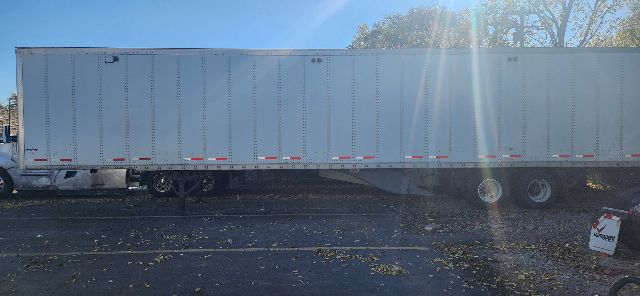
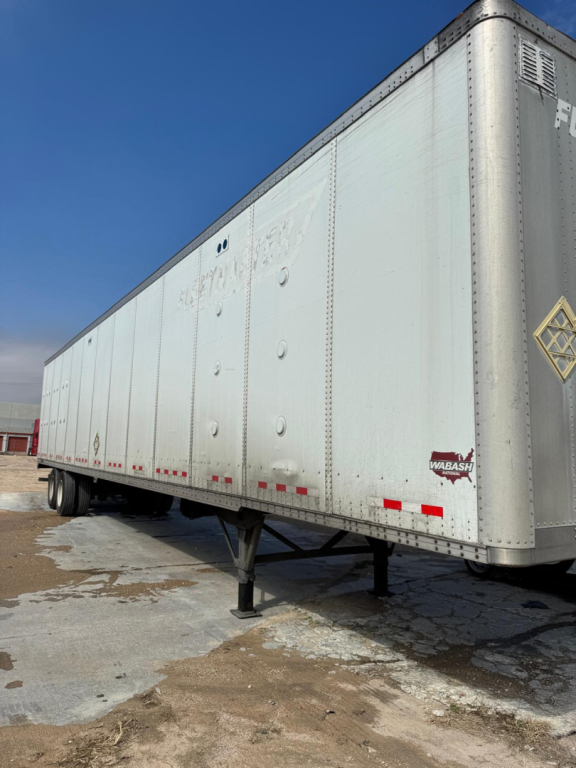
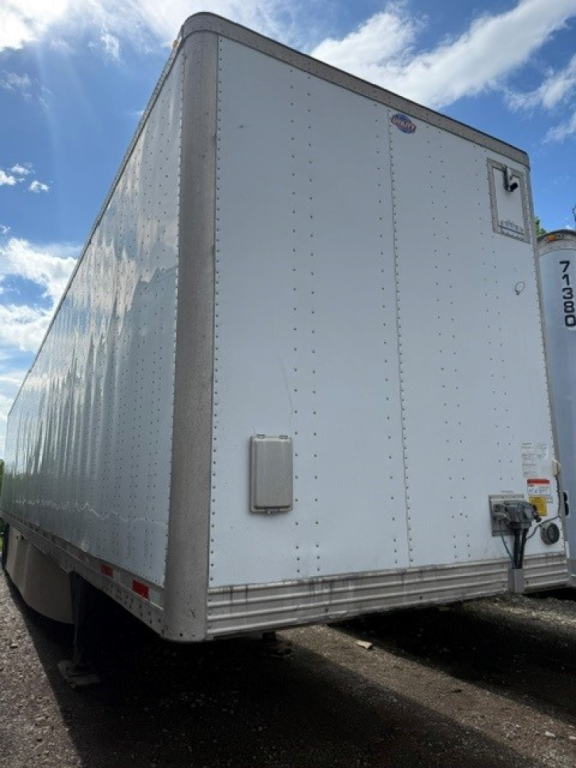
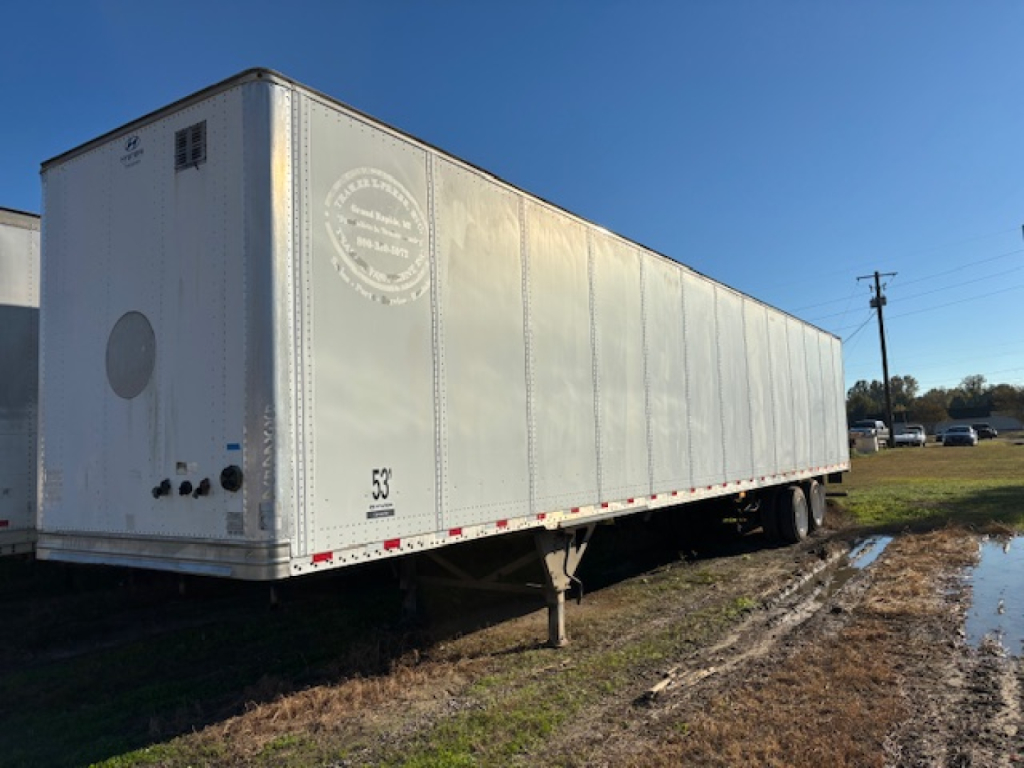
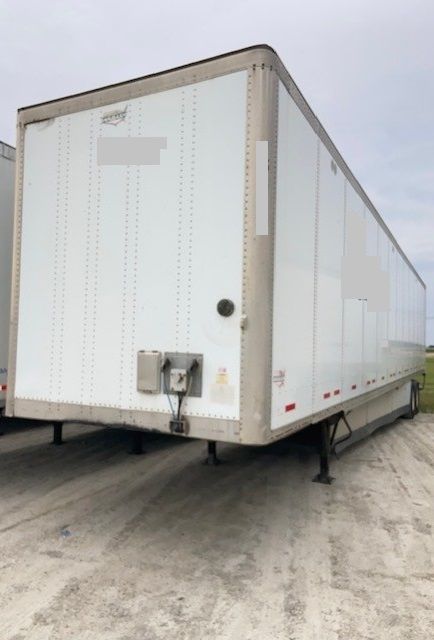
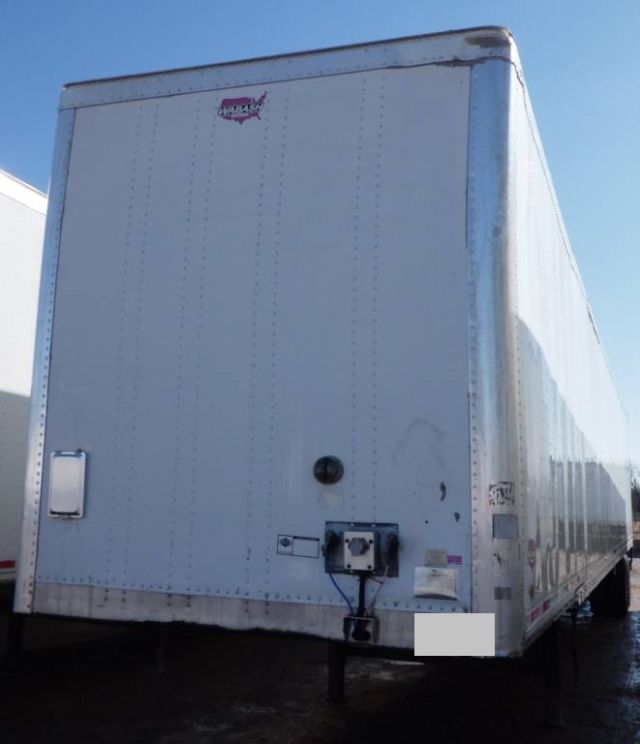
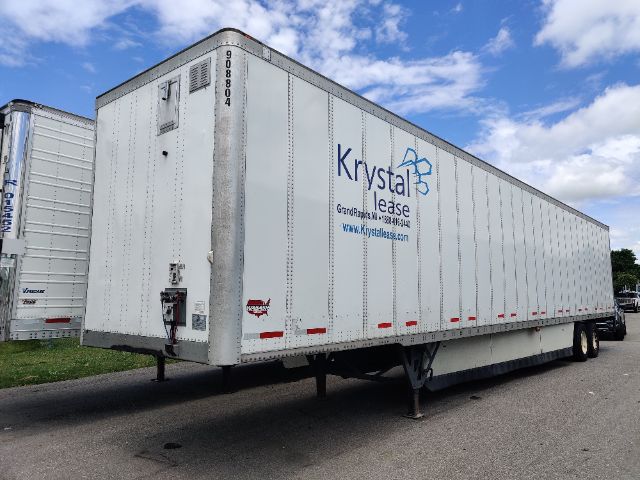
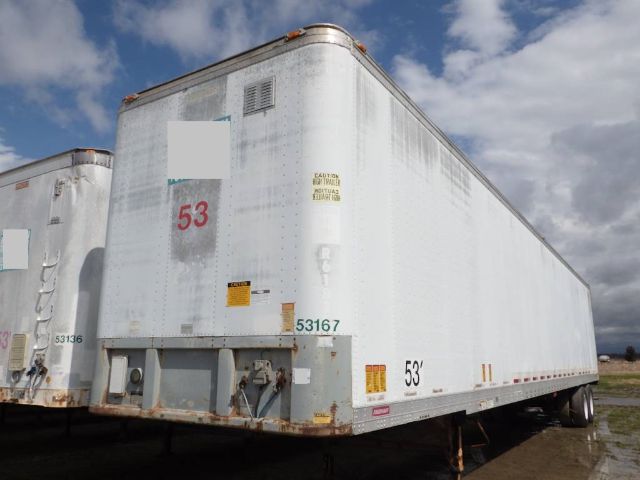
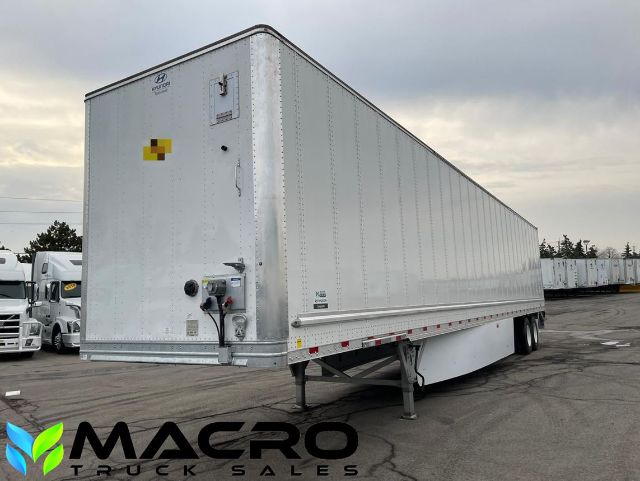
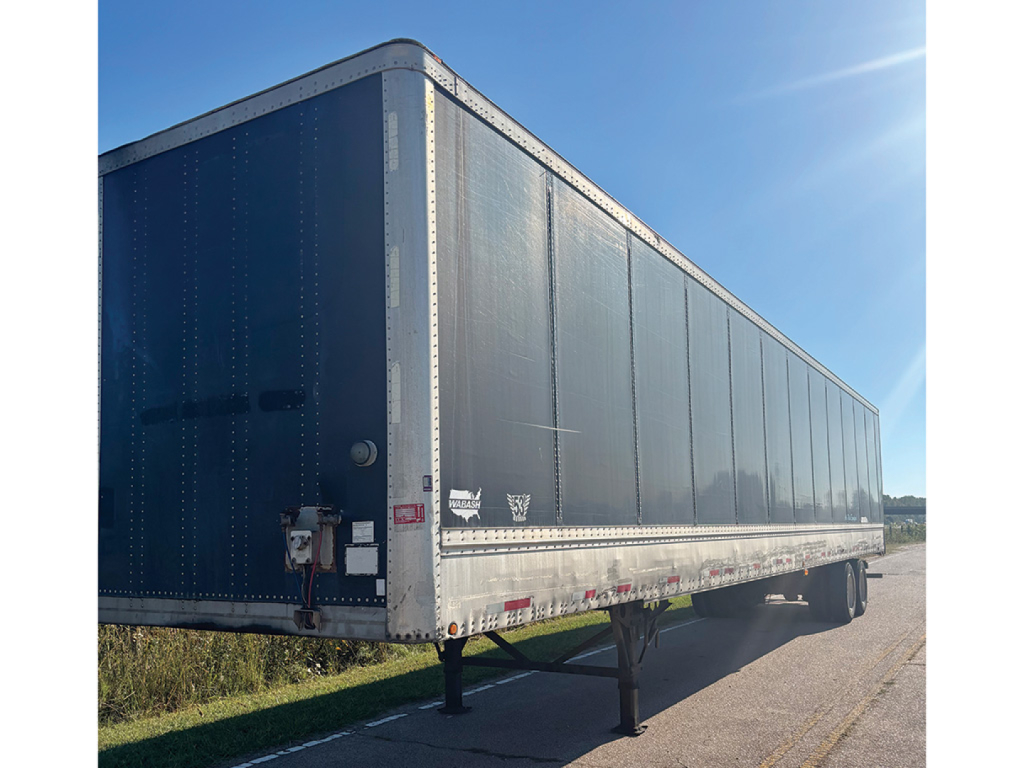
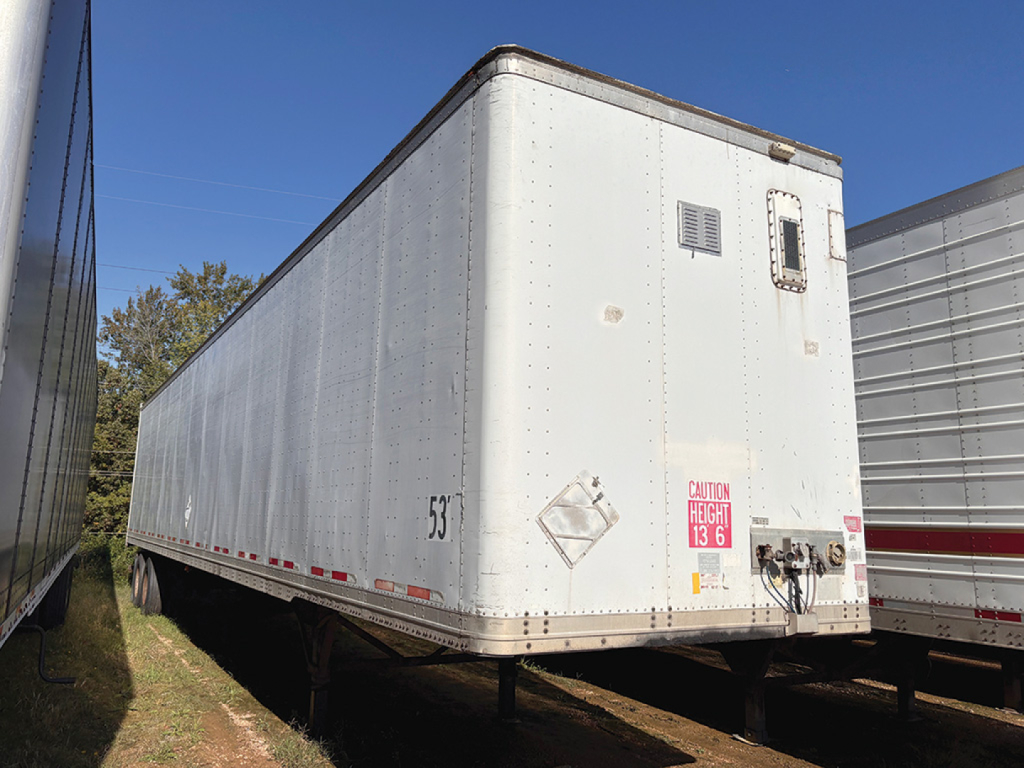
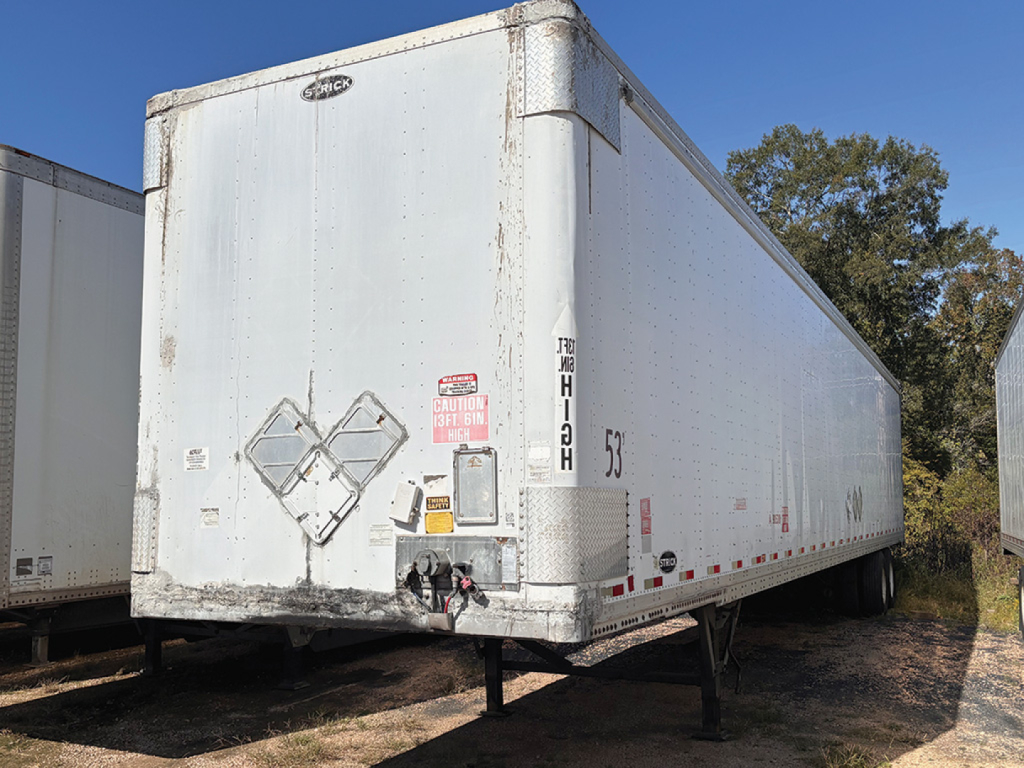
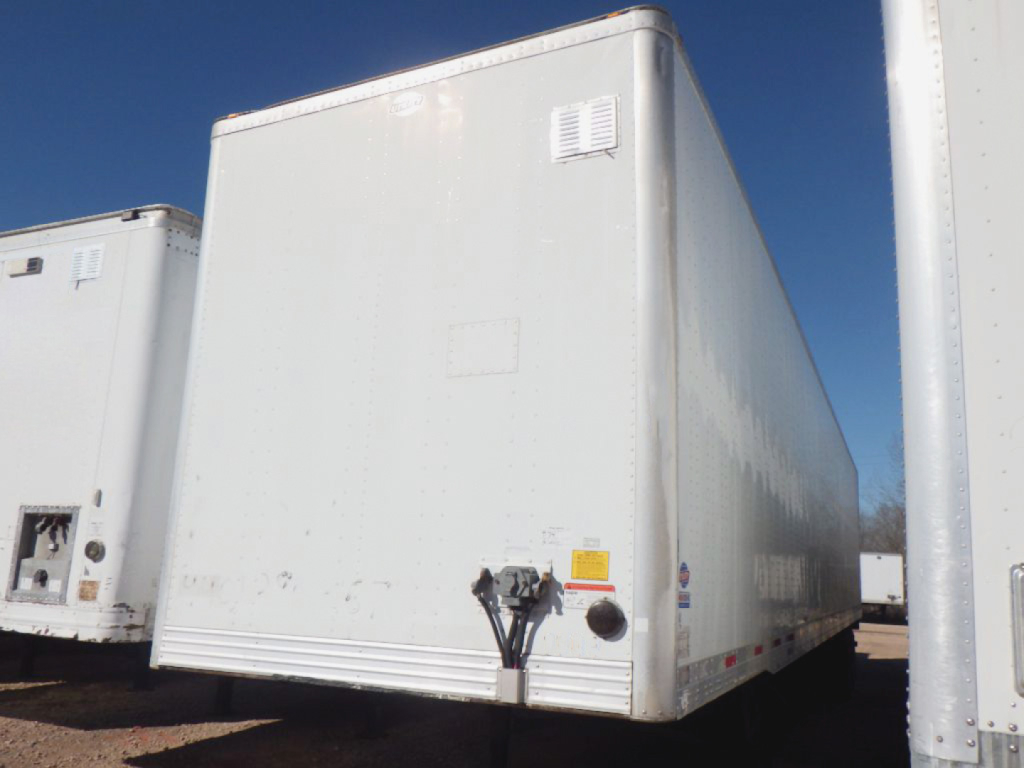
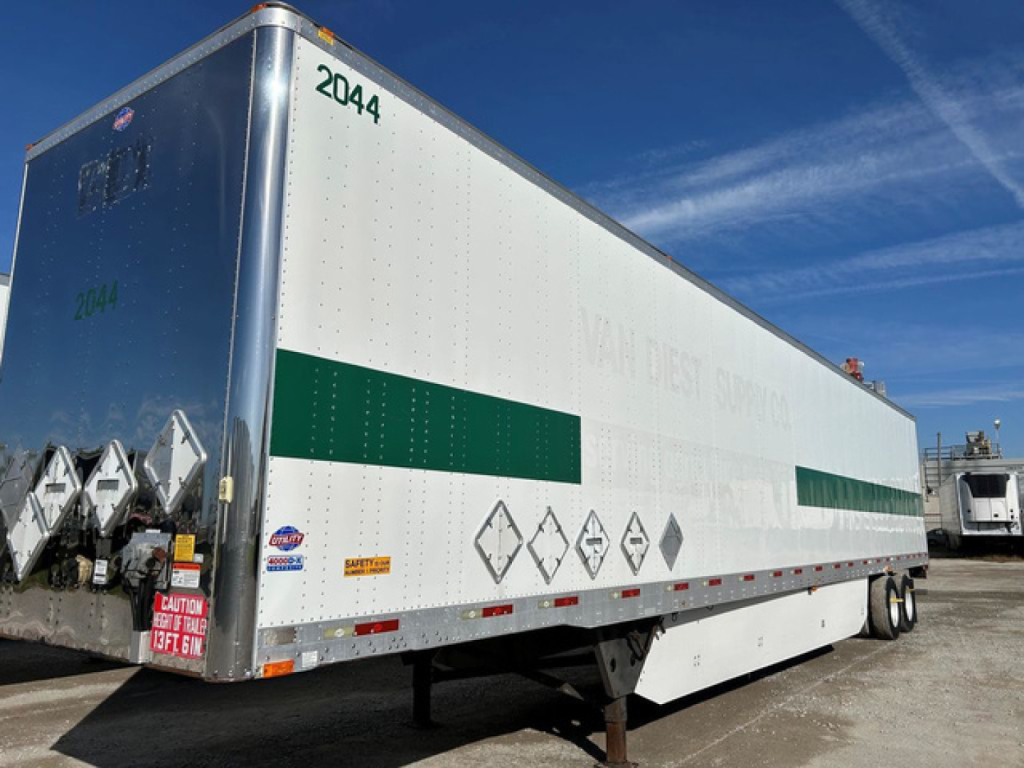
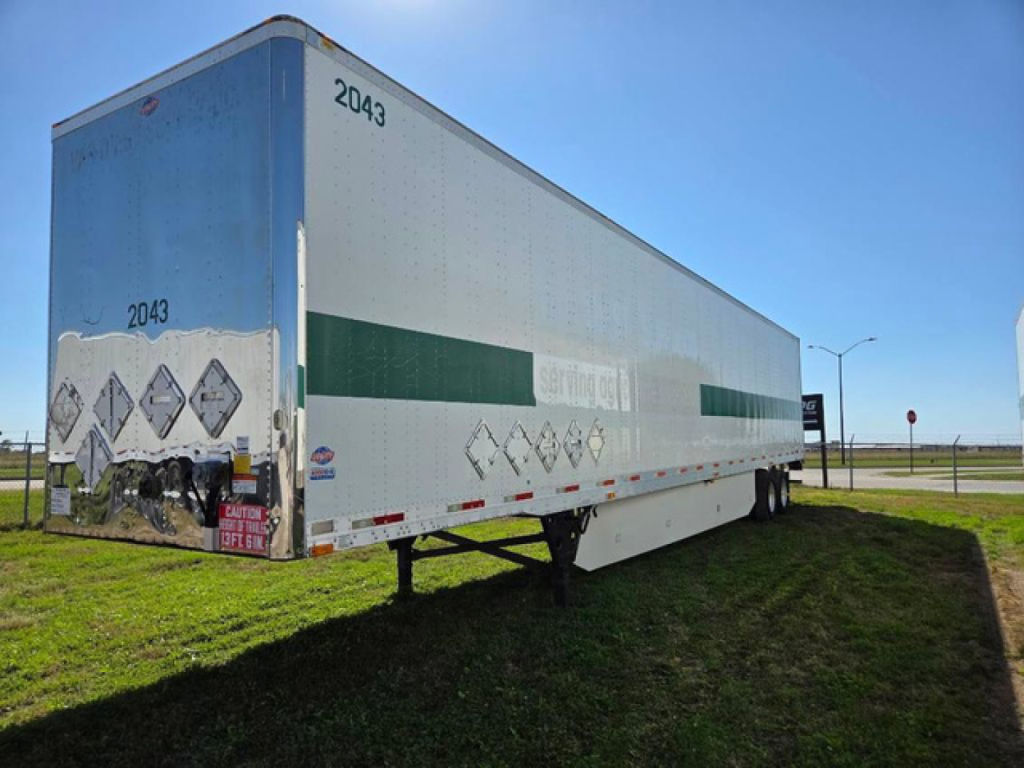
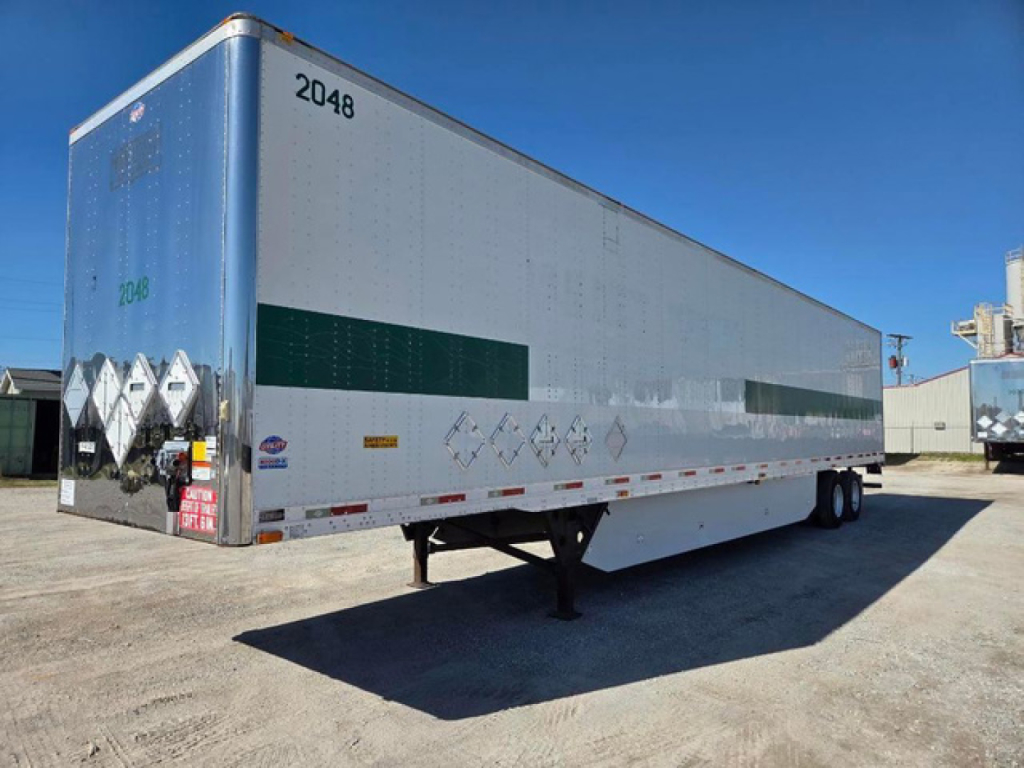
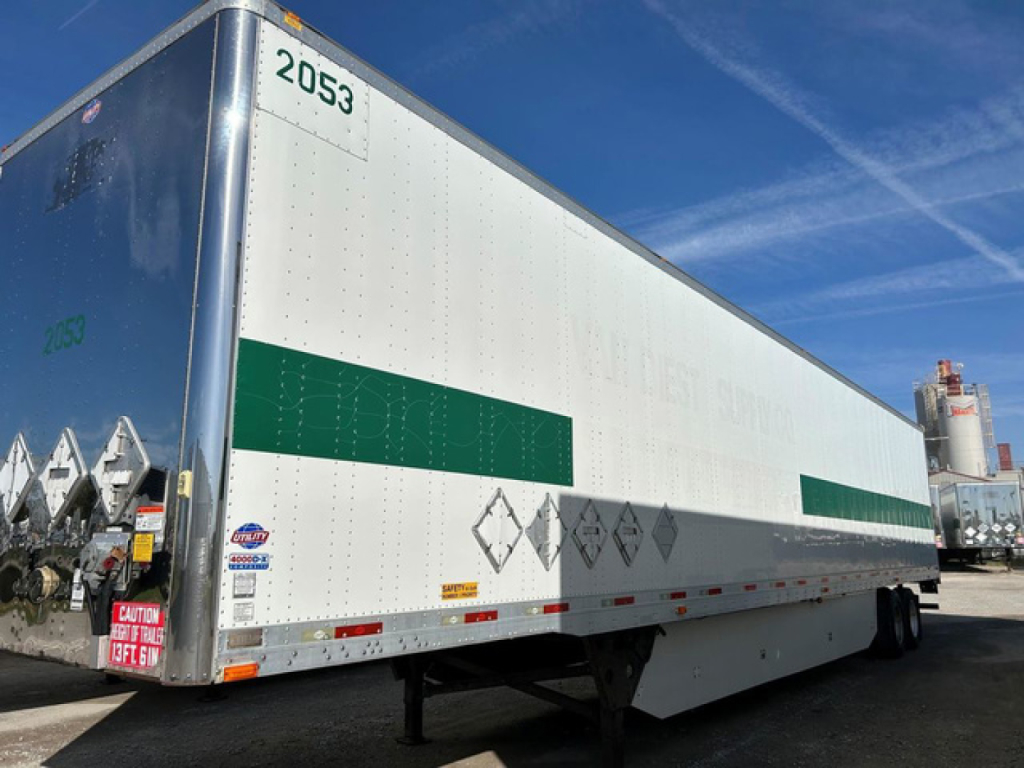
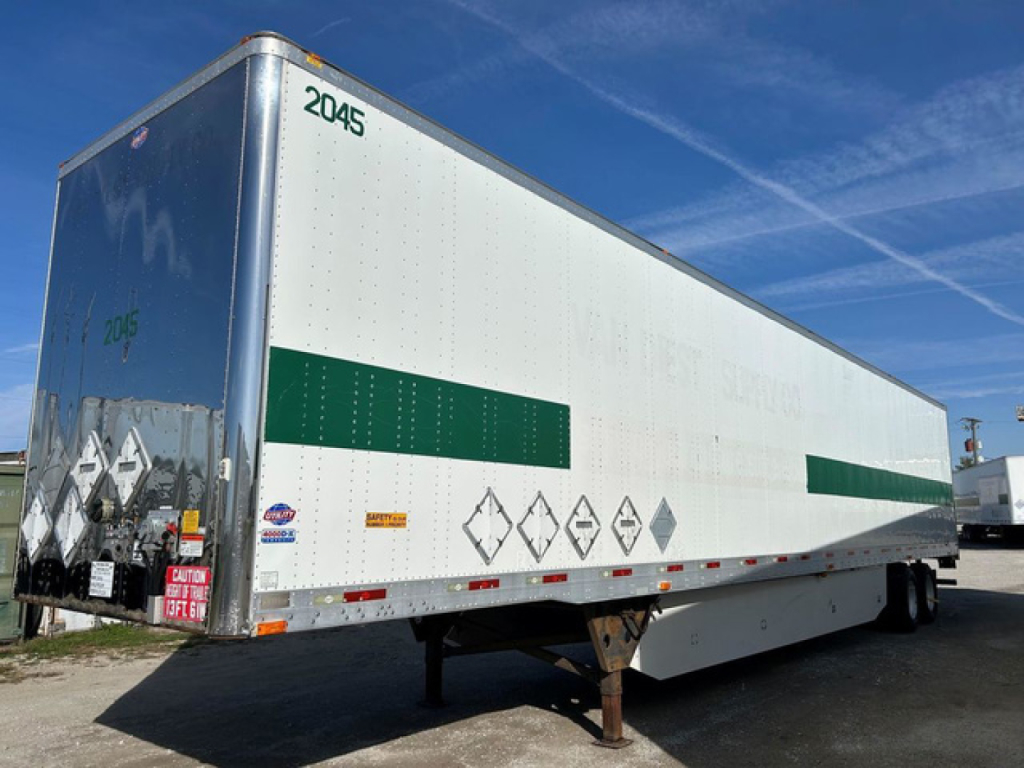
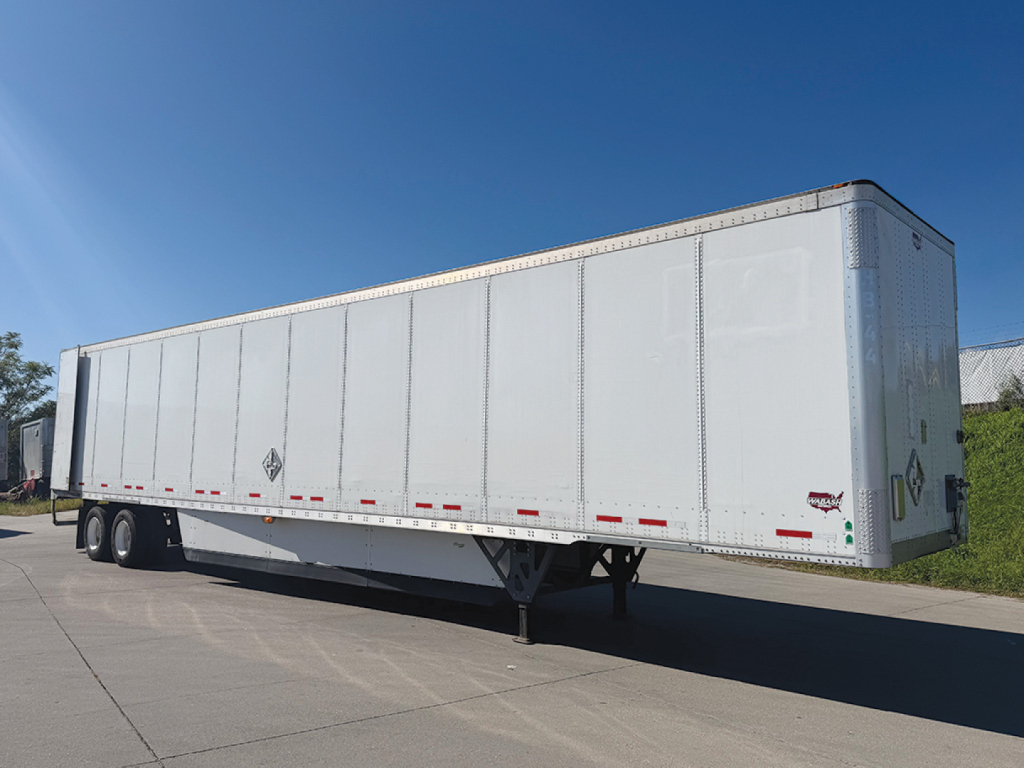
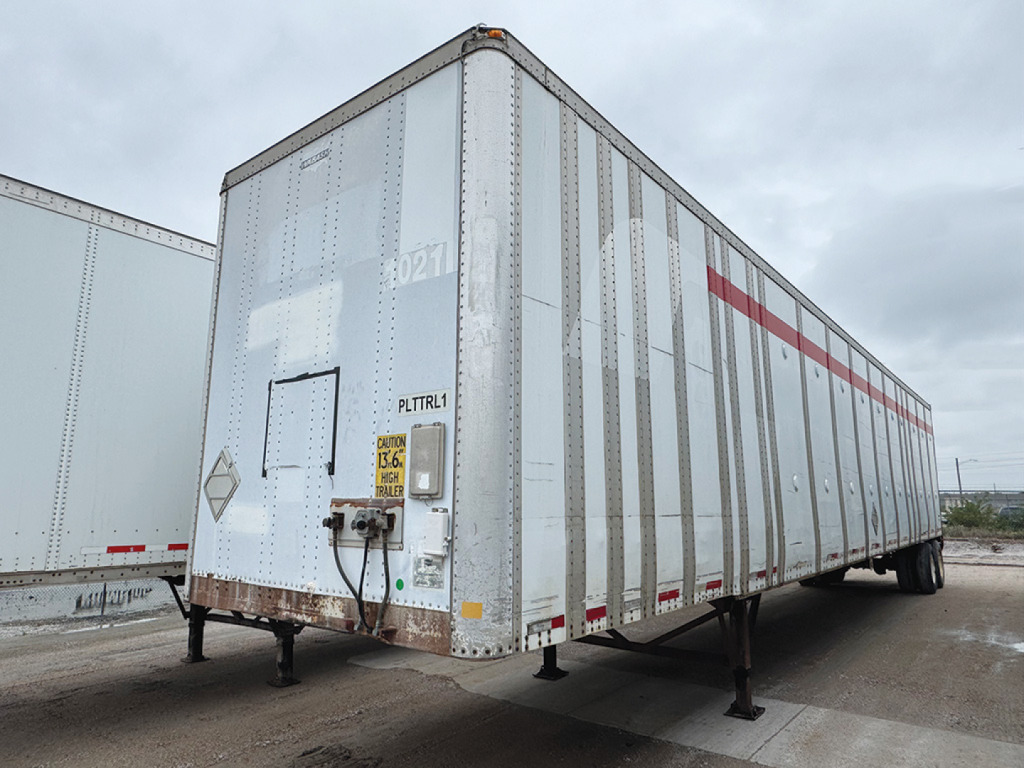
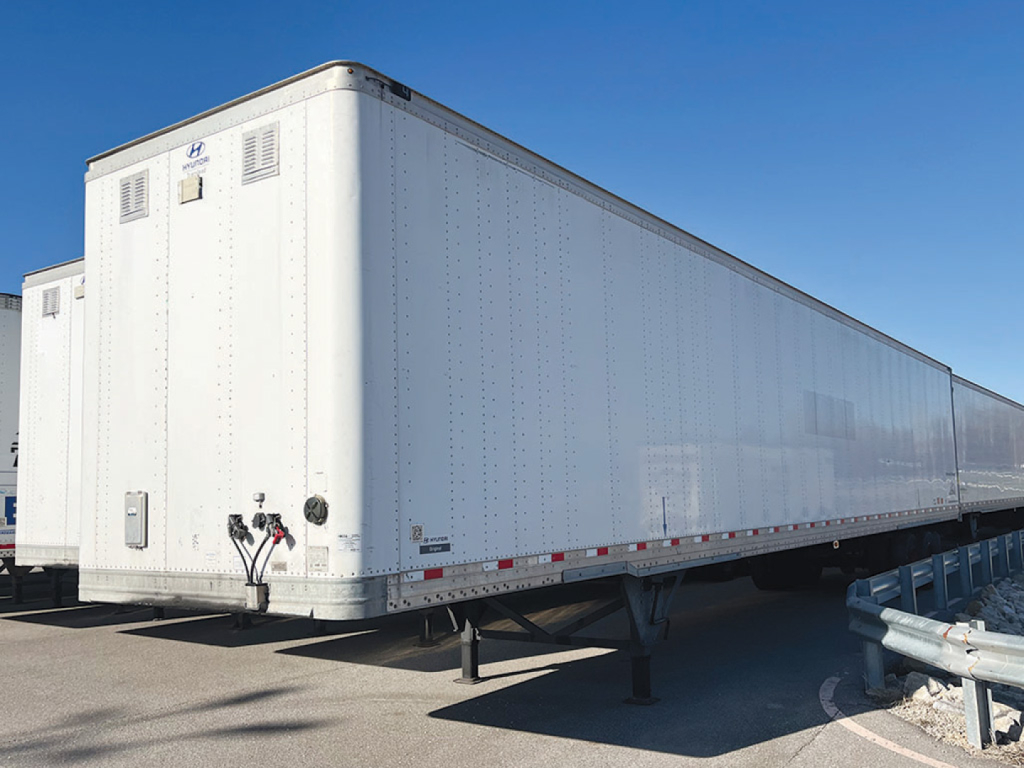
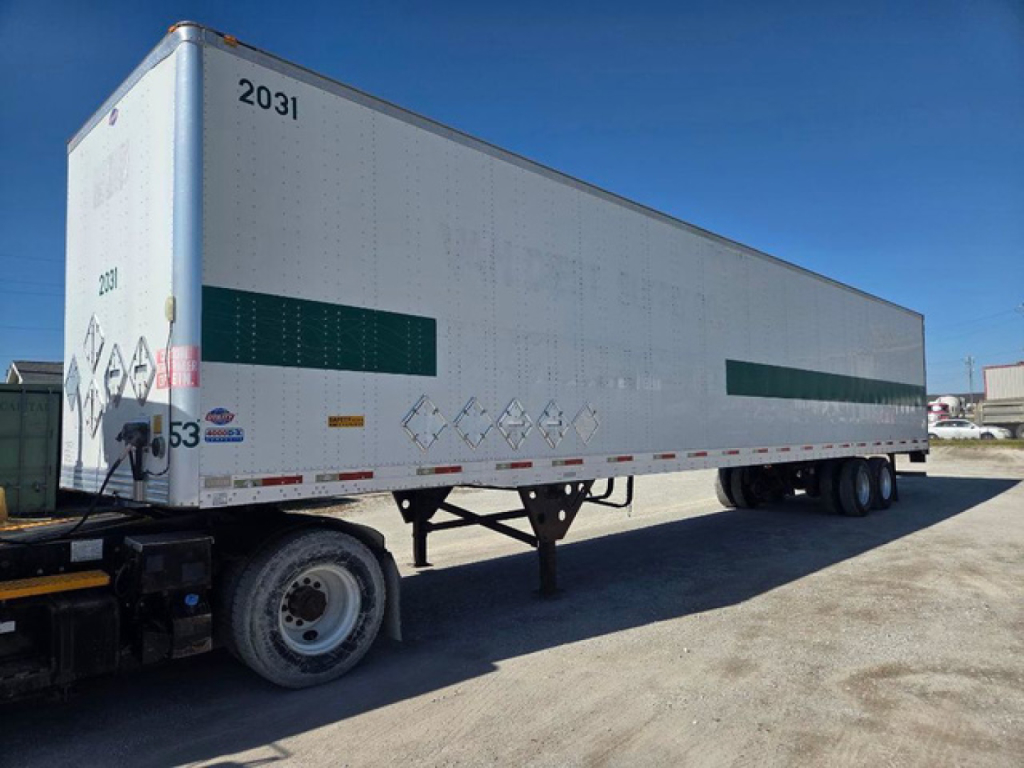
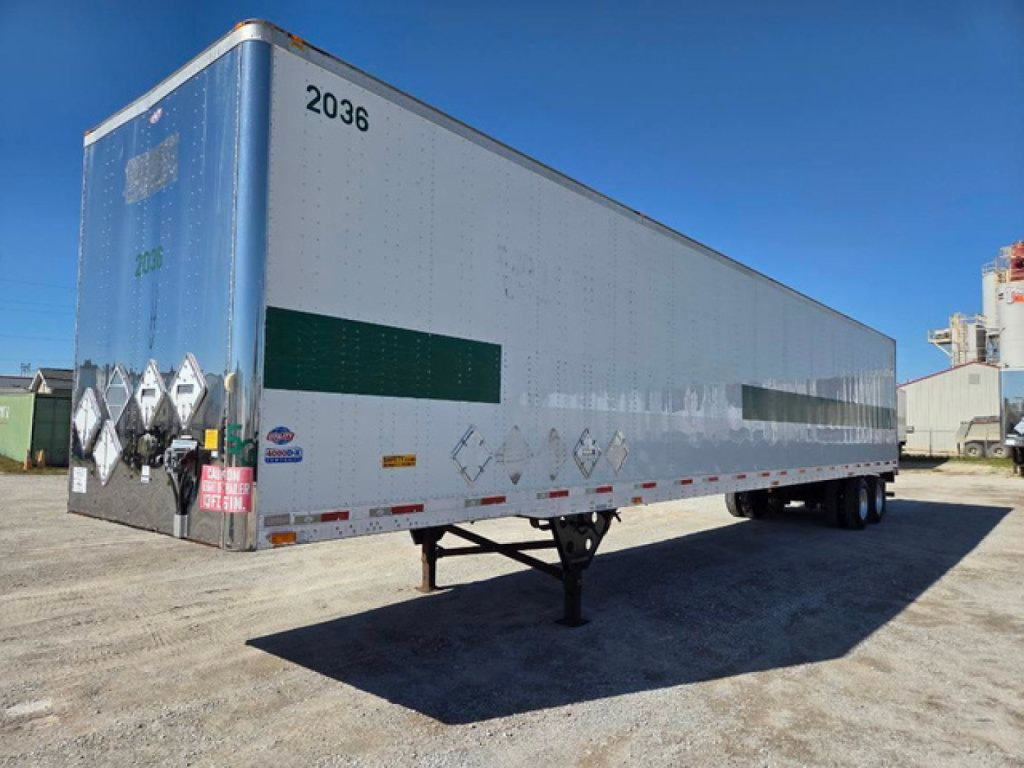
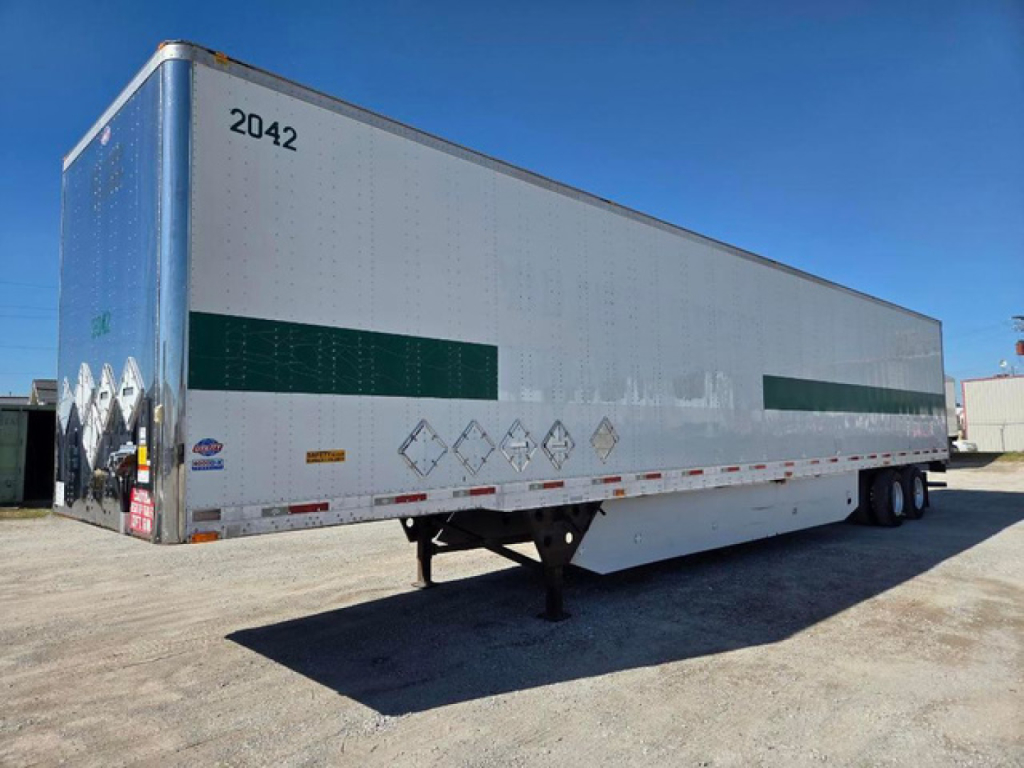
Showing 1 to 28 of 451 results
Selling a dry van trailer? List your dry van trailer for sale and reach thousands of commercial buyers.
Dry Van Trailers in Pennsylvania
A 53-foot, 102-inch-wide box trailer is a common highway configuration, but shorter dry freight trailers can suit regional deliveries. Compare usable interior width, door opening height, and tare weight rather than outside dimensions alone. Composite plate and sheet-and-post construction differ in interior clearance, repair methods, and cargo-contact protection across manufacturers. Swing doors generally provide more opening clearance than roll-up doors; roll-up doors simplify frequent stops but require overhead space inside the body. Match the floor's forklift rating, scuff liners, logistics posts, and suspension to the freight and loading equipment.
On used trailers, Pennsylvania salt exposure warrants close inspection of crossmembers, suspension hangers, slider rails, brake hardware, landing gear, and rear impact guards. Check roof seams, door seals, floor softness, air leaks, and slider-pin engagement, then review maintenance and inspection records. Older model years deserve particular scrutiny for corrosion hidden by paint and repeated floor or roof repairs; newer trailers still need evidence of sound maintenance. For new equipment, specify floor capacity, corrosion protection, door type, and tire management before ordering, confirm component warranty terms, and account for the 12% federal excise tax on qualifying new heavy trailers.
Frequently Asked Questions about Dry Van Trailers in Pennsylvania
Can I operate a 53-foot dry van trailer in Pennsylvania?
Pennsylvania permits 53-foot semitrailers on authorized routes when the distance from the kingpin to the centerline of the rear axle or rear axle group does not exceed 41 feet. A dry van trailer's slider position therefore affects legal operation as well as axle loading. Local access restrictions, posted clearances, and bridge limits require separate checks before routing deliveries away from the main highway network.
What floor rating do I need for forklift loading in a dry van trailer?
Choose a dry van trailer floor rated for the loaded forklift's axle load, not merely the weight of the pallet. Obtain the forklift's loaded axle weights and compare them with the trailer manufacturer's floor rating and test conditions. Tire contact area also matters, and a published rating for an undamaged floor does not establish the remaining capacity of a worn or repaired floor.
What inspection records should I request with a used dry van trailer in Pennsylvania?
Request the latest periodic inspection report and records of brake, wheel-end, suspension, and structural repairs for a used dry van trailer. Interstate commercial trailers generally require a periodic inspection at least every 12 months under federal rules. Confirm any applicable Pennsylvania inspection requirements separately, and reconcile repair records with the trailer's condition because an inspection sticker does not establish remaining service life.
Is an automatic tire inflation system worth specifying on a dry van trailer?
An automatic tire inflation system can reduce underinflation-related tire wear and roadside interruptions on a dry van trailer, especially in high-mileage freight service. Compare system serviceability and inspect hoses, hub connections, and warning indicators on used equipment. Inflation equipment cannot correct alignment problems, damaged tires, or excessive loading, so routine pressure checks and tire inspections remain necessary.