
2018 Dry Van Trailers For Sale in Pennsylvania
Compare 2018 dry van trailers for sale in Pennsylvania by door clearance, floor rating, suspension, and salt corrosion before choosing a freight trailer.
No exact matches found for your search
Showing 2018 Dry Van Trailers instead.
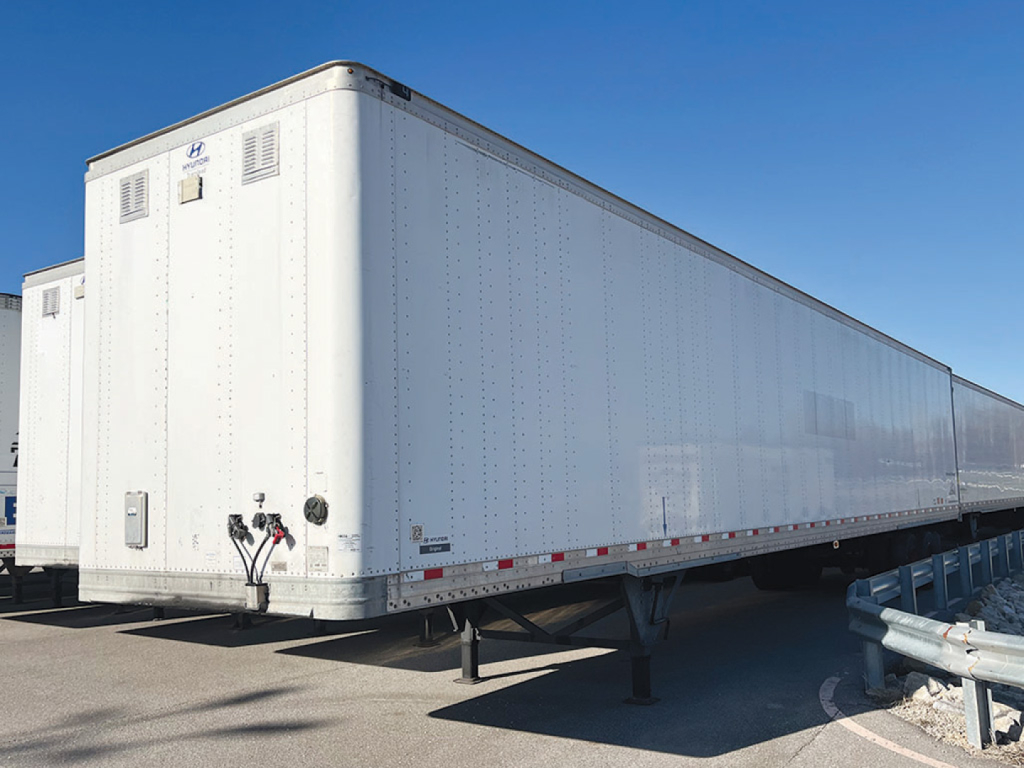
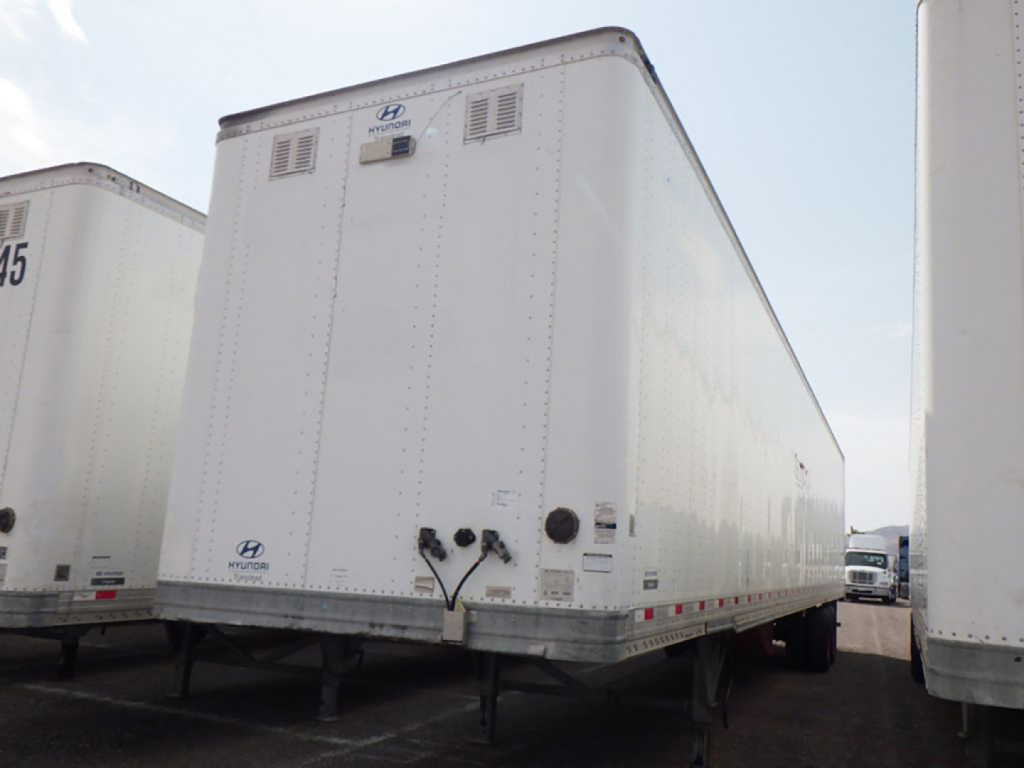
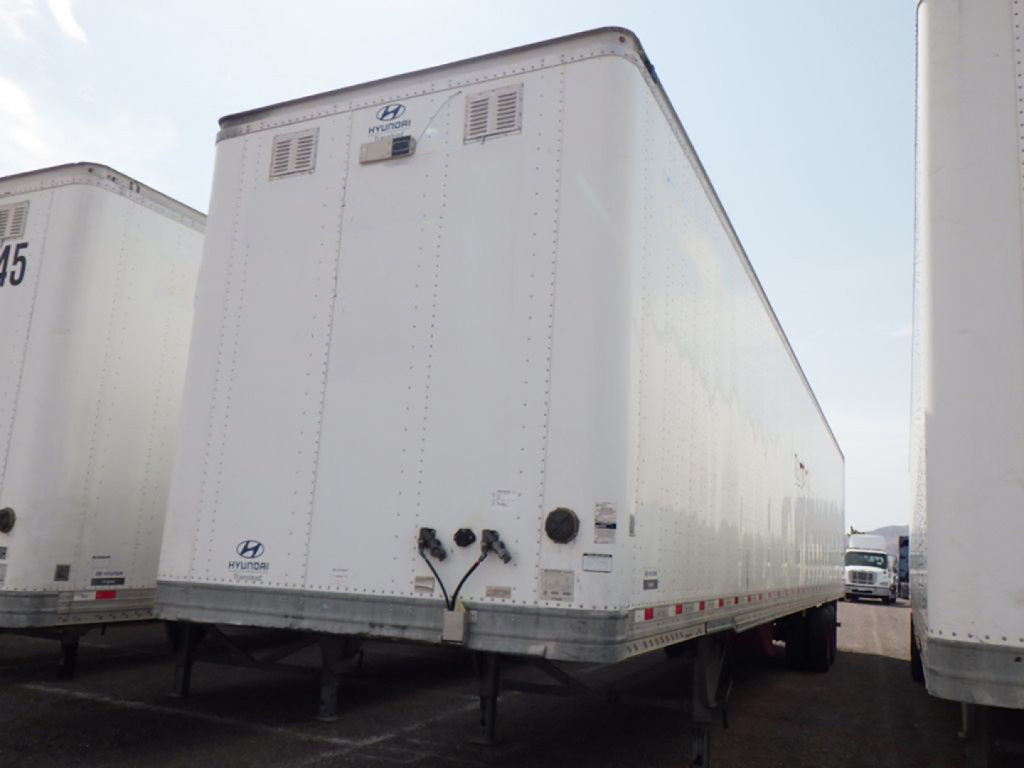
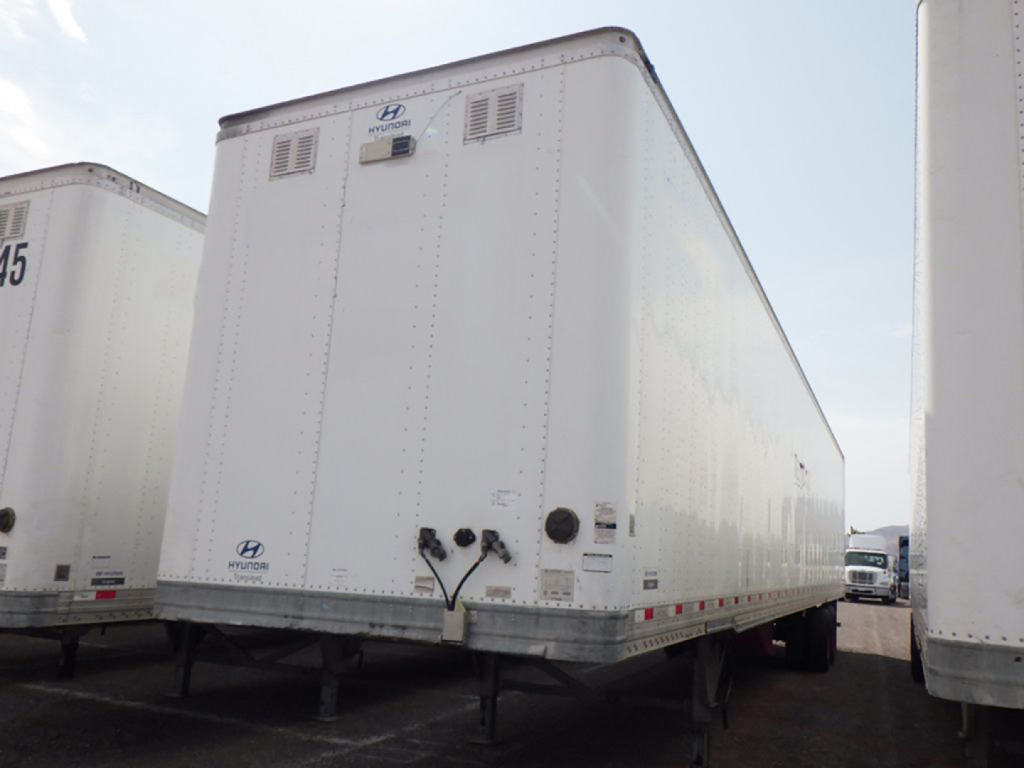
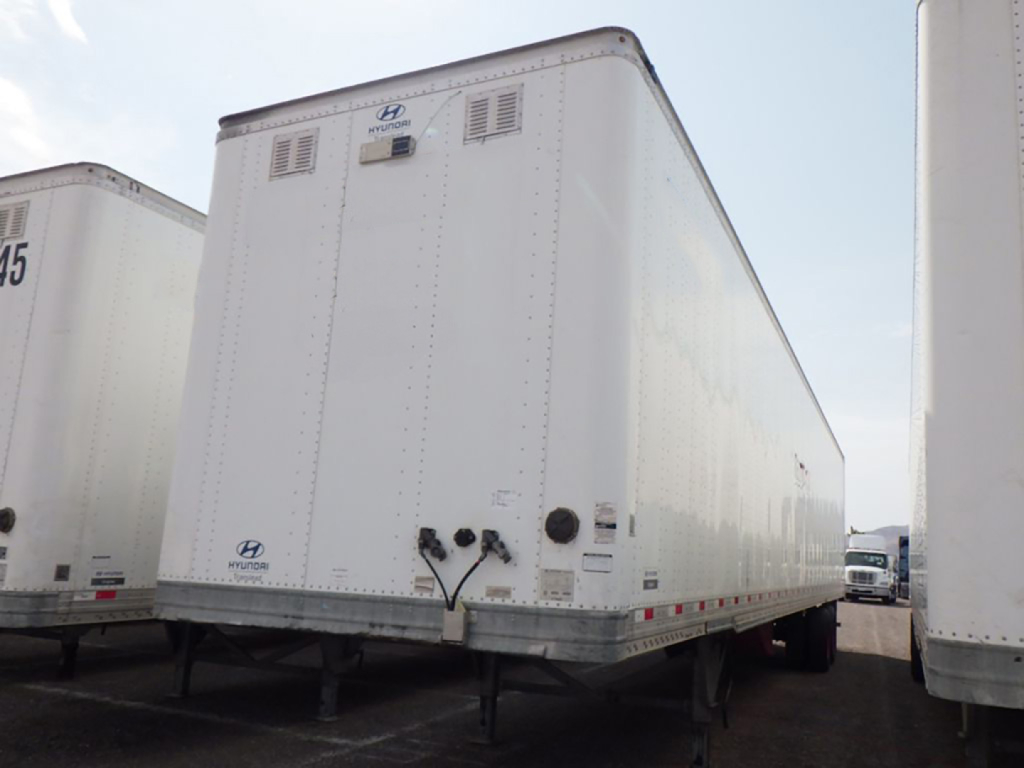
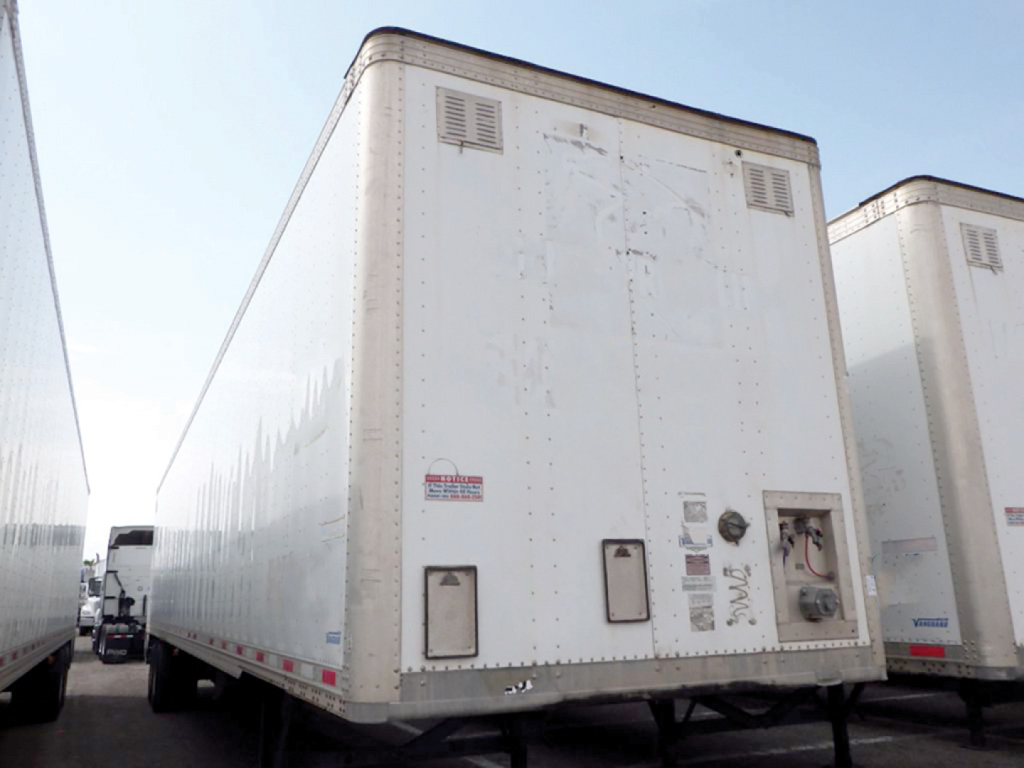
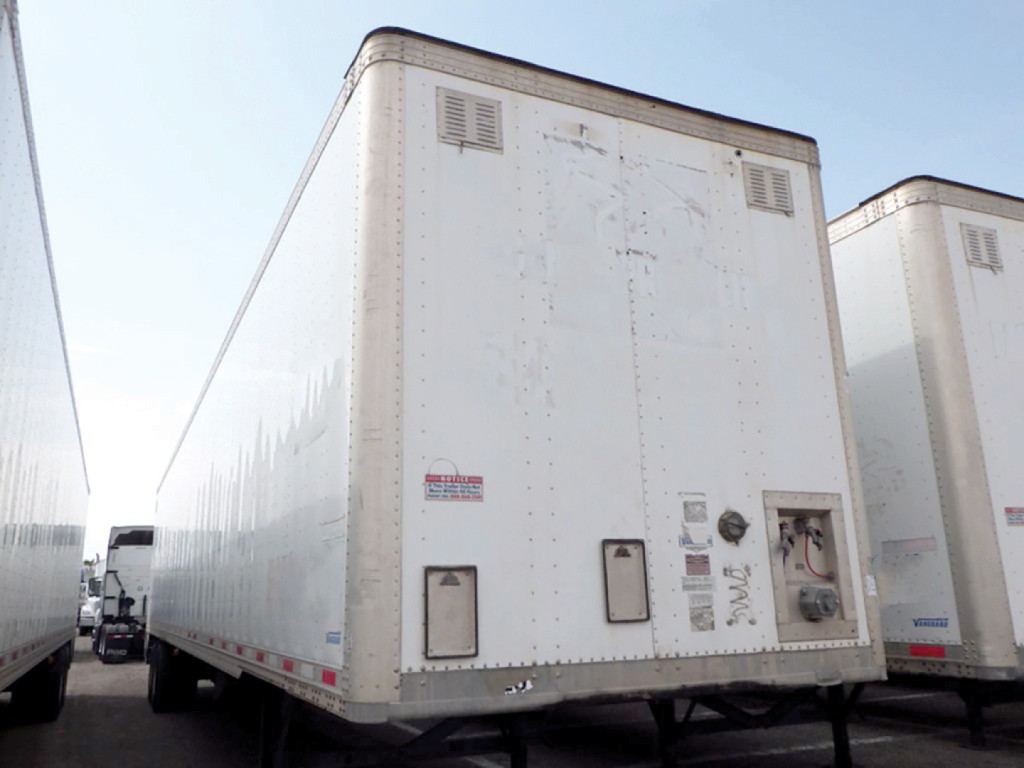
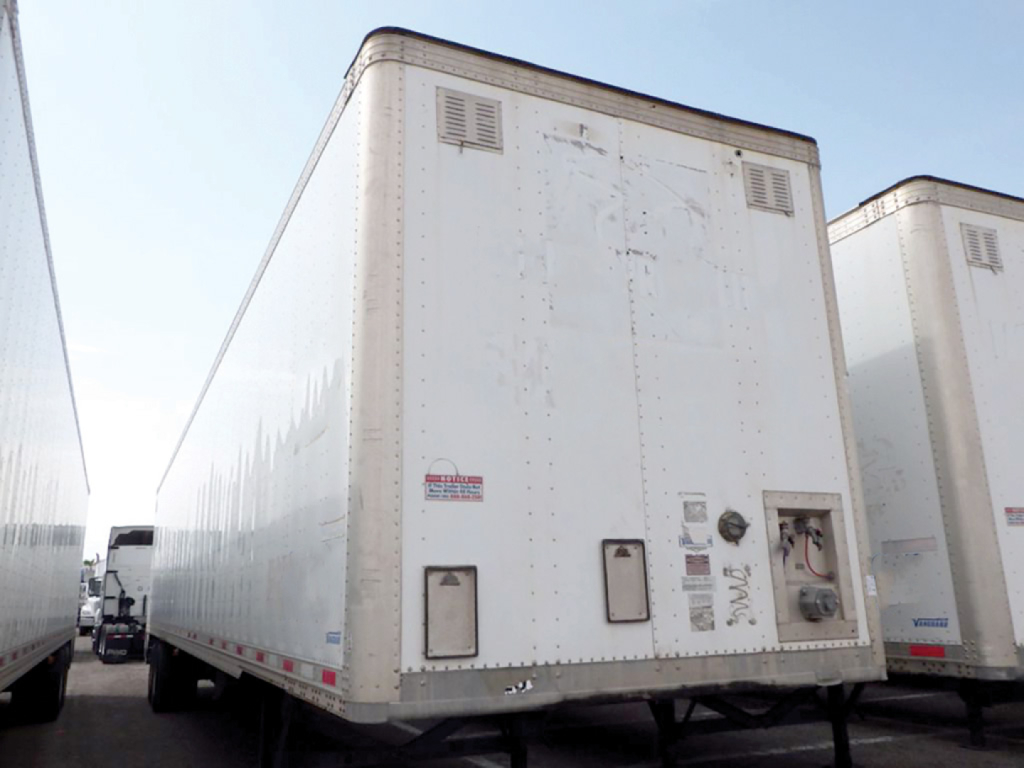
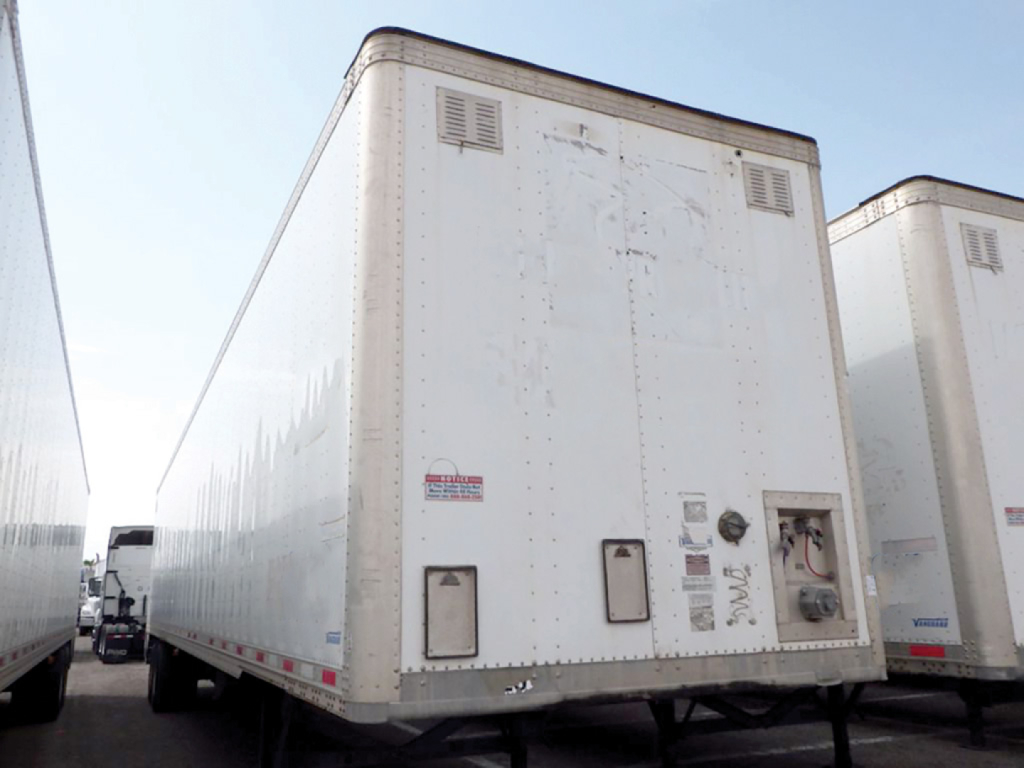
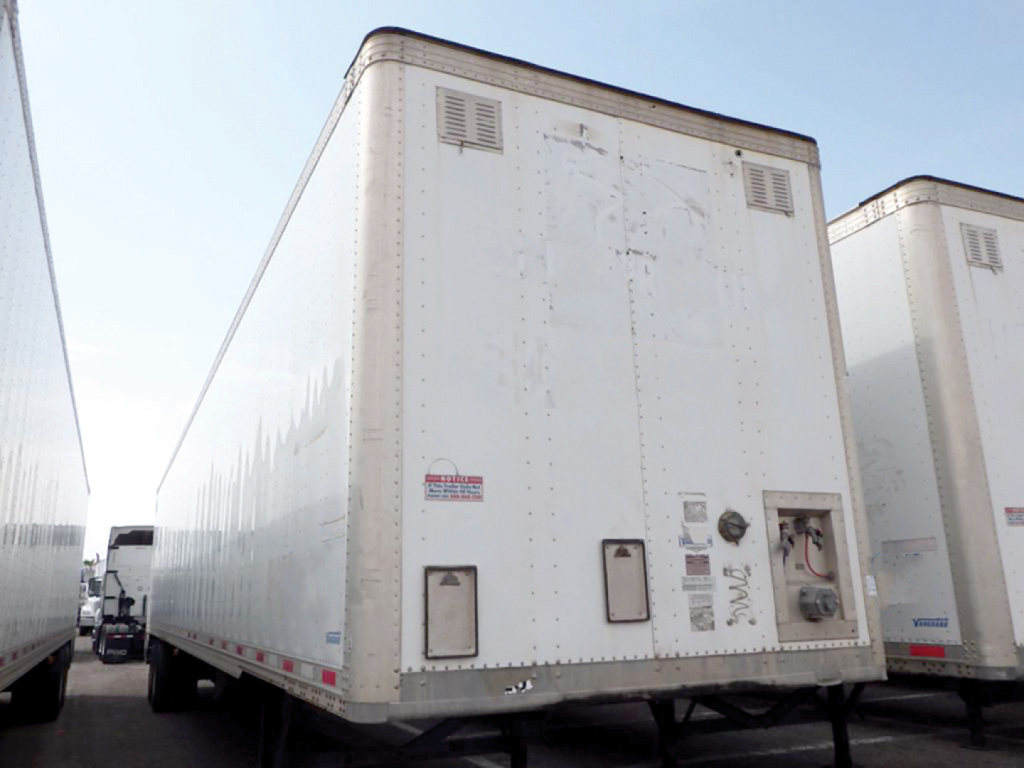
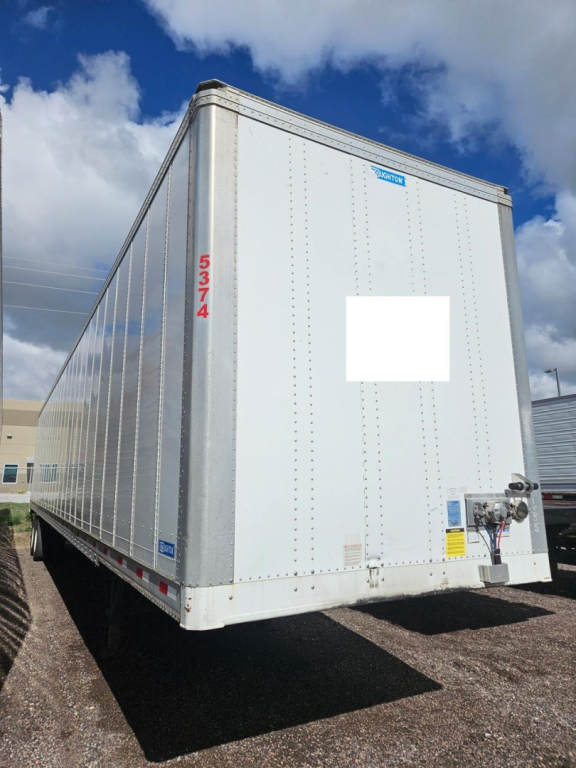
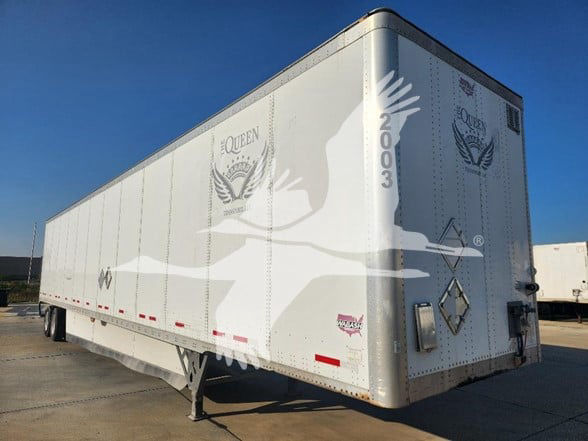
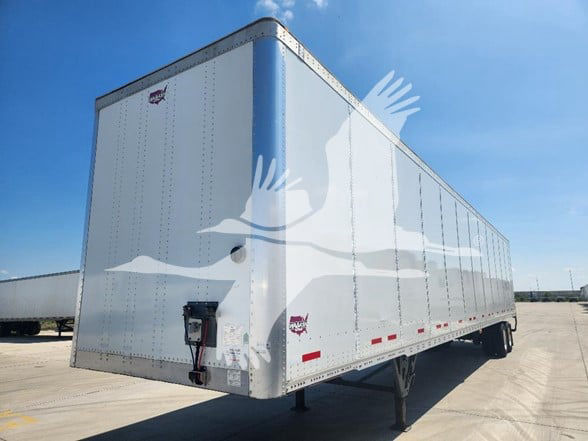
Selling a 2018 dry van trailer? List your 2018 dry van trailer for sale and reach thousands of commercial buyers.
2018 Dry Van Trailers in Pennsylvania
Swing doors generally provide more usable rear opening than rollup doors, while rollups simplify repeated stops where door-swing space is limited. Measure clear opening height and width rather than assuming exterior dimensions establish loading clearance. Air ride can help protect vibration-sensitive freight; spring suspension avoids air bags and height-control valves. Match suspension capacity and slider travel to axle loading, dock height, and the lanes you run.
Compare sheet-and-post bodies with composite plate construction by usable inside width, repair methods, and cargo-securement layout. Wood floors need a documented forklift rating that matches the loaded lift truck, not merely the freight payload. Examine floor joints, rear threshold plates, crossmembers, and lower rails for soft spots, impact damage, or previous patches. Pennsylvania winter salt makes slider rails, suspension hangers, landing-gear mounts, brake chambers, and electrical grounds priority inspection areas. Galvanized rear frames resist corrosion but do not eliminate damage at welds or worn surfaces. Test the roof and door seals for leaks before committing the trailer to moisture-sensitive loads.
On a used 2018 trailer, service history matters more than an unsupported mileage estimate because many vans lack a reliable lifetime mileage record. Request the original build sheet, repair invoices, and periodic inspection reports, plus an ABS fault scan where supported. Test every slider locking pin, both landing-gear speeds, brake operation, and suspension components. Read tire date codes even when tread remains, and inspect wheel seals for leakage. Repeated dock impacts can distort the rear frame or damage the underride guard, so inspect attachment points and repairs rather than judging condition from fresh paint.
A 2018 trailer represented as new or unused still needs inspection for storage-related tire aging, seal deterioration, and corrosion. Confirm the original floor, door, suspension, and securement specifications rather than treating an older model-year trailer as a configurable current factory order. Obtain written confirmation of warranty coverage and its start date. The 12% federal excise tax applies to qualifying first retail sales of new heavy trailers; model year alone does not determine tax treatment.
Frequently Asked Questions about 2018 Dry Van Trailers in Pennsylvania
How do I know whether a dry van floor can handle my forklift?
The loaded forklift's axle loads and tire contact area must fit the dry van manufacturer's floor-rating criteria. A trailer payload rating does not establish forklift capacity. Obtain the original floor specification and compare it with the forklift's loaded front-axle weight, tire type, and loading frequency. Repaired boards or crossmembers may no longer provide the original capacity, so undocumented repairs warrant a structural assessment.
What weight limits apply to a 53-foot dry van in Pennsylvania?
The standard federal Interstate limits are 80,000 pounds gross combination weight and 34,000 pounds on a tandem axle group, subject to axle spacing and the Federal Bridge Formula. A 53-foot dry van's length does not establish its legal payload. Tractor and trailer empty weight, axle ratings, tire ratings, slider position, and Pennsylvania route or bridge restrictions can reduce the load a combination may legally carry.
Does a 2018 dry van need an annual DOT inspection in Pennsylvania?
A dry van used in interstate commercial service must receive a qualifying periodic inspection at least every 12 months under federal rules. Pennsylvania-registered trailers also need applicable state safety inspections; confirm the required schedule with a licensed Pennsylvania inspection station. Keep inspection documentation with the equipment as required, and verify that the report identifies the trailer correctly. An inspection sticker does not replace daily checks or maintenance.
Can I use a 2018 dry van to haul food products?
A clean, dry 2018 van trailer can haul packaged shelf-stable foods that do not require temperature control, provided the trailer meets the shipper's sanitation requirements. Inspect for odors, pests, chemical residue, and contamination from previous cargo. Review washout and cargo-history records when required. Refrigerated or frozen products need suitable temperature-controlled equipment, and food shippers may impose requirements beyond basic trailer roadworthiness.
Are aerodynamic skirts worthwhile on a dry van running Pennsylvania routes?
Aerodynamic skirts offer their strongest fuel-saving potential on dry vans spending substantial time at highway speed, such as Pennsylvania Turnpike or I-81 linehaul runs. Short urban routes offer less opportunity to recover their operating cost. Inspect mounting brackets, panel damage, and ground clearance before purchase. Snow accumulation, steep dock approaches, and uneven yards can increase maintenance demands, particularly with rigid or poorly repaired panels.