
Used Hyundai Dry Van Trailers For Sale in Colorado
Used Hyundai dry van trailers for sale in Colorado: compare wall construction, door clearance, corrosion, and brake condition for mountain and dock work.
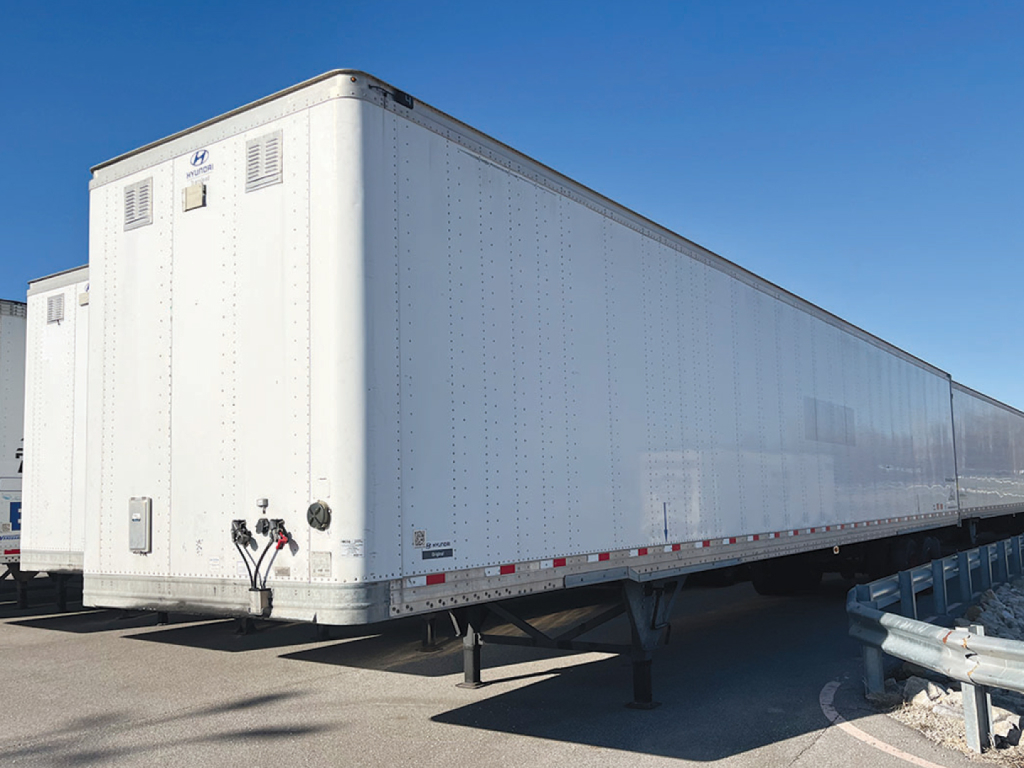
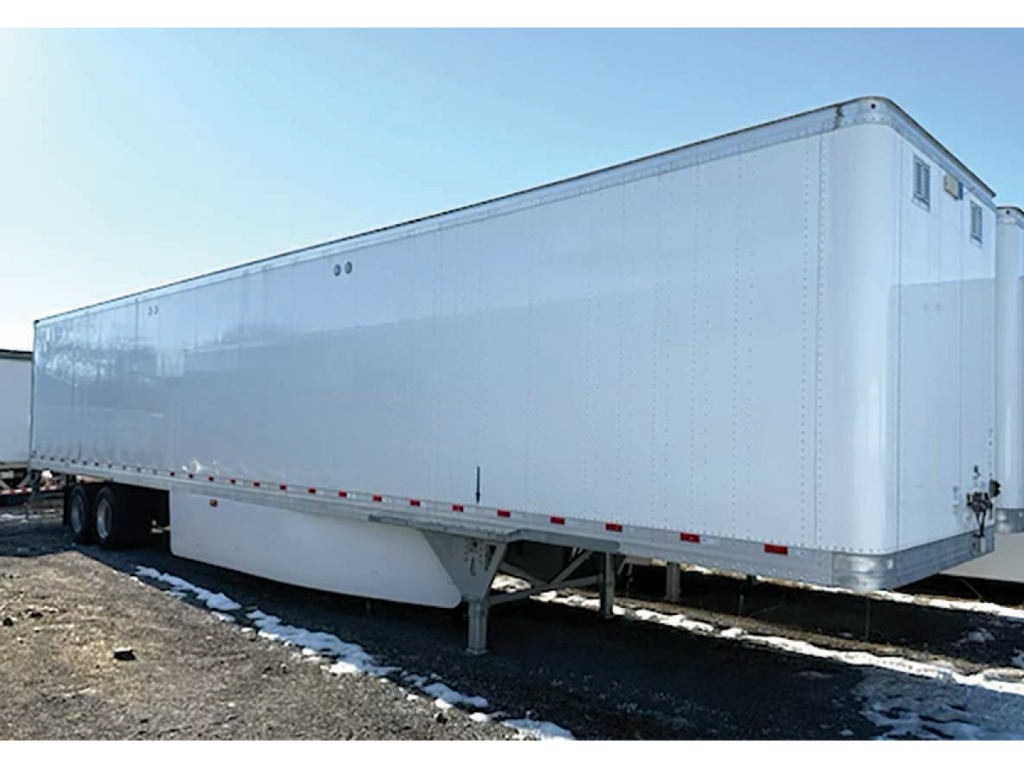
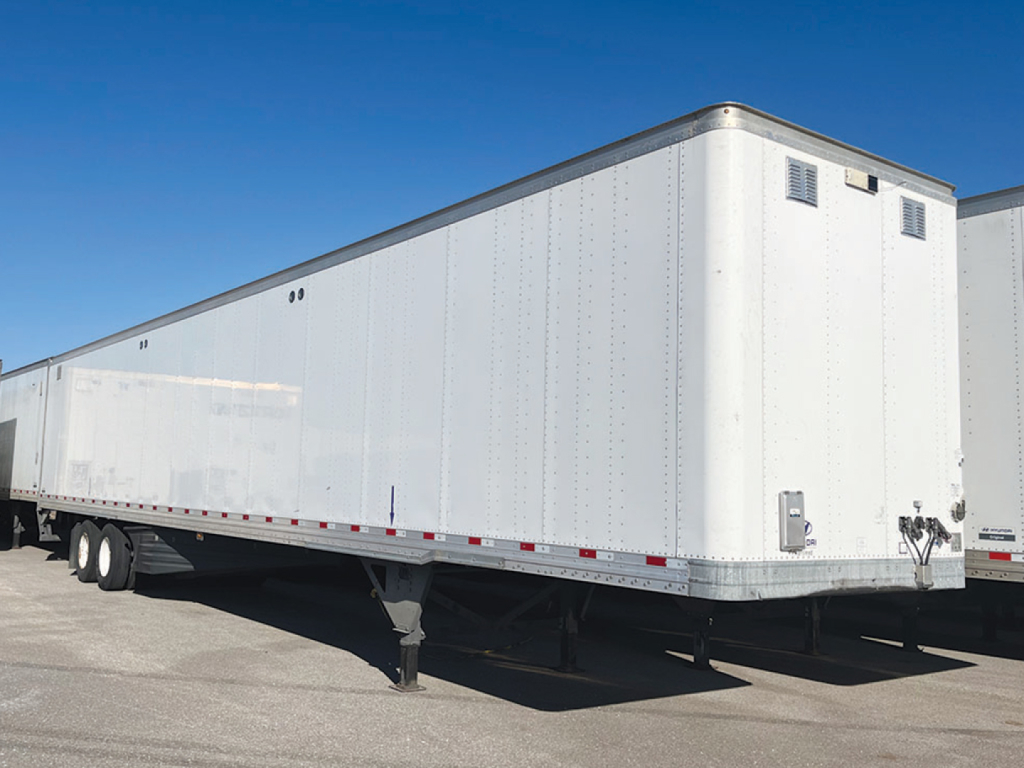
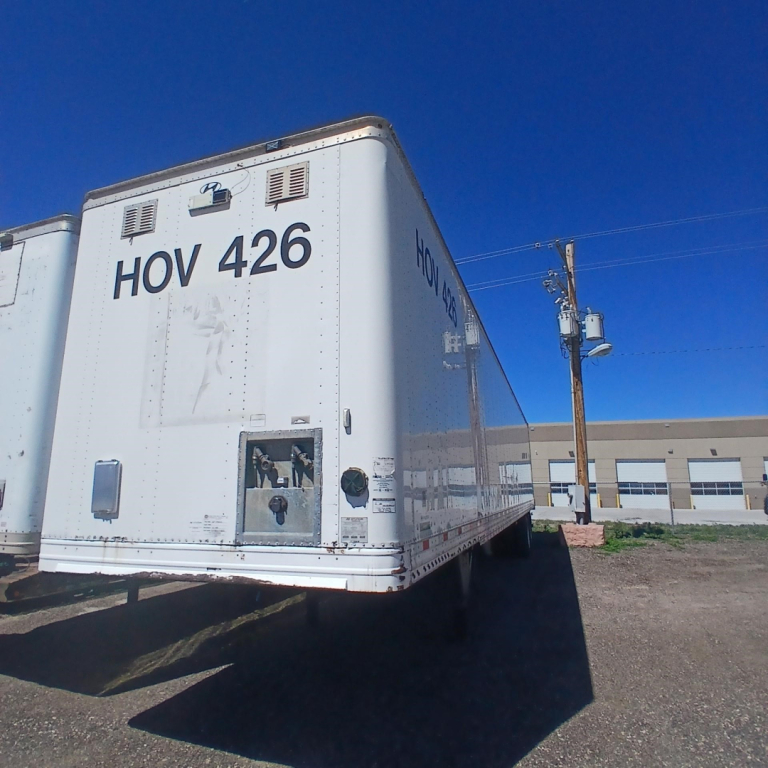
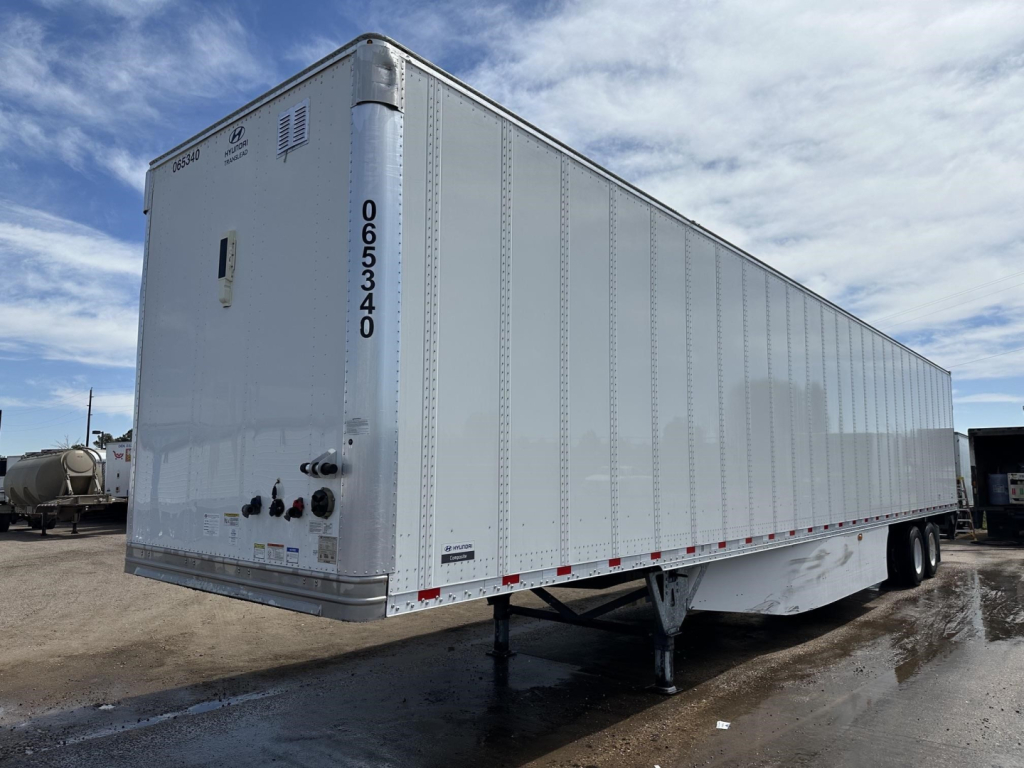
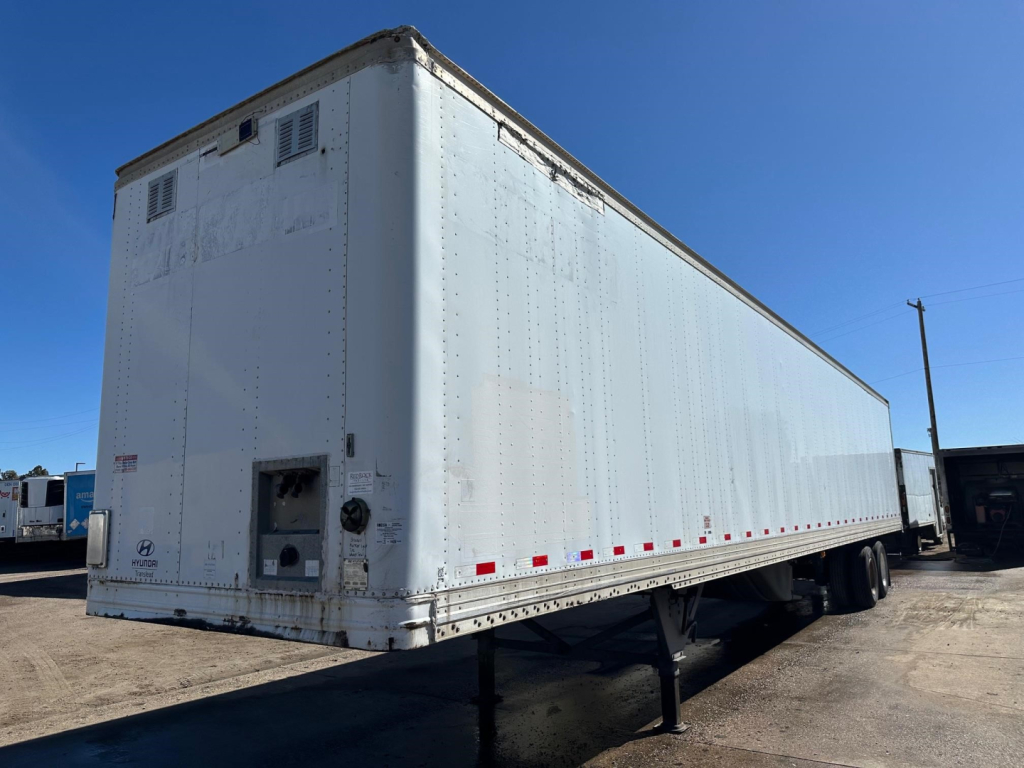
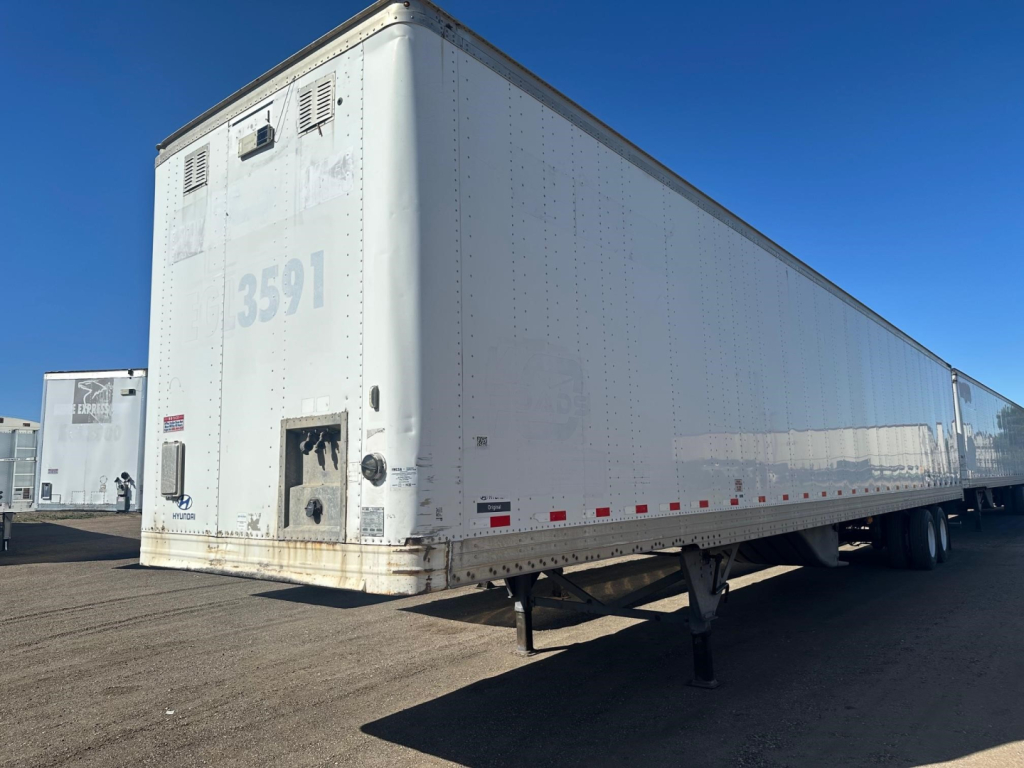
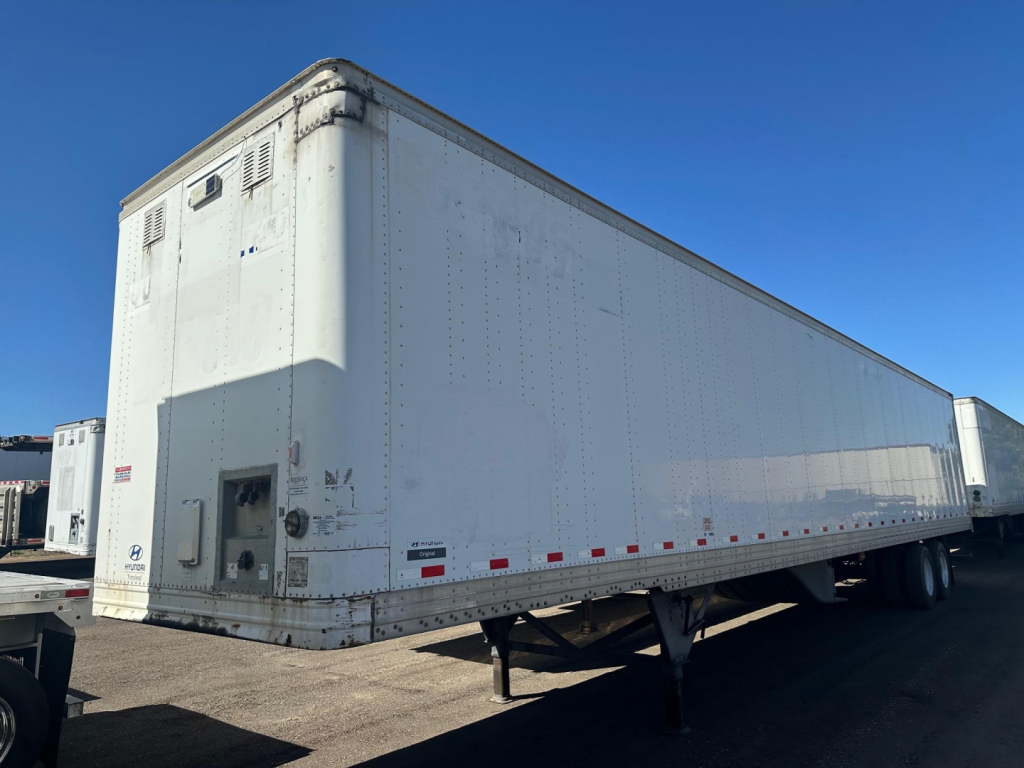
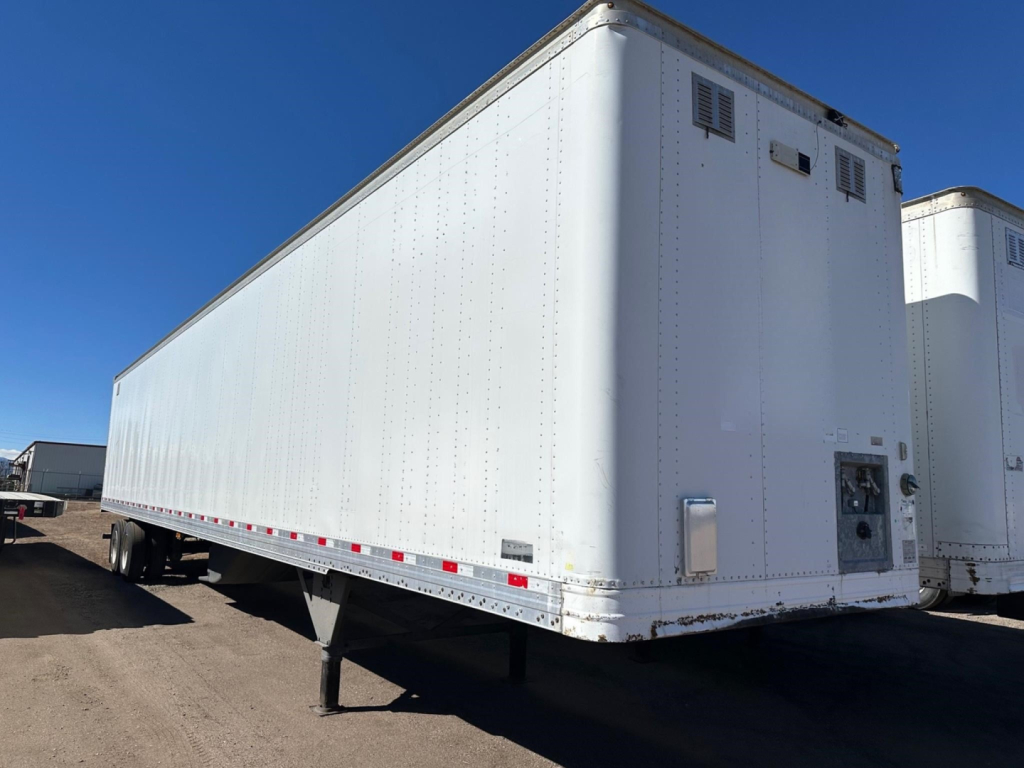
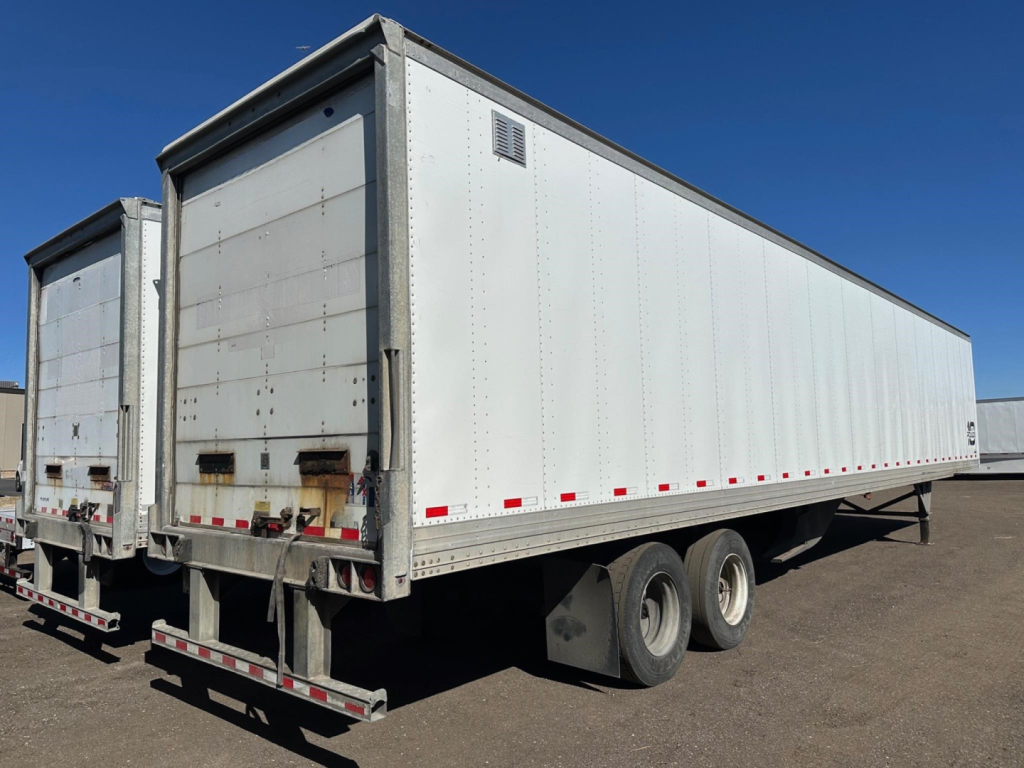
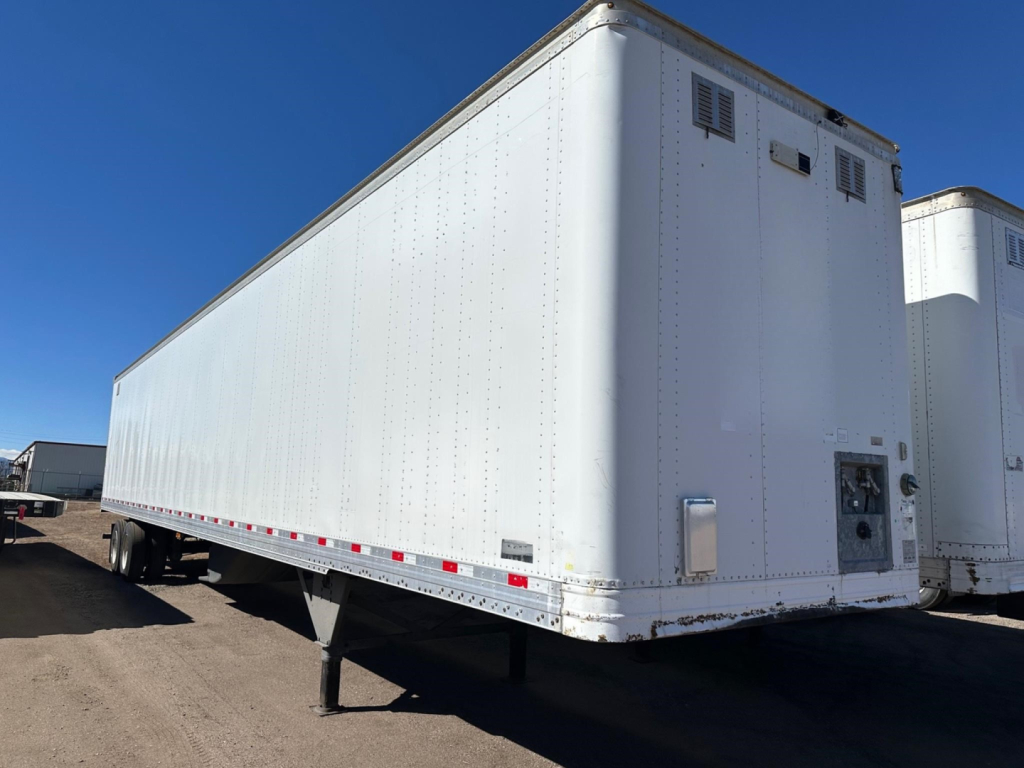
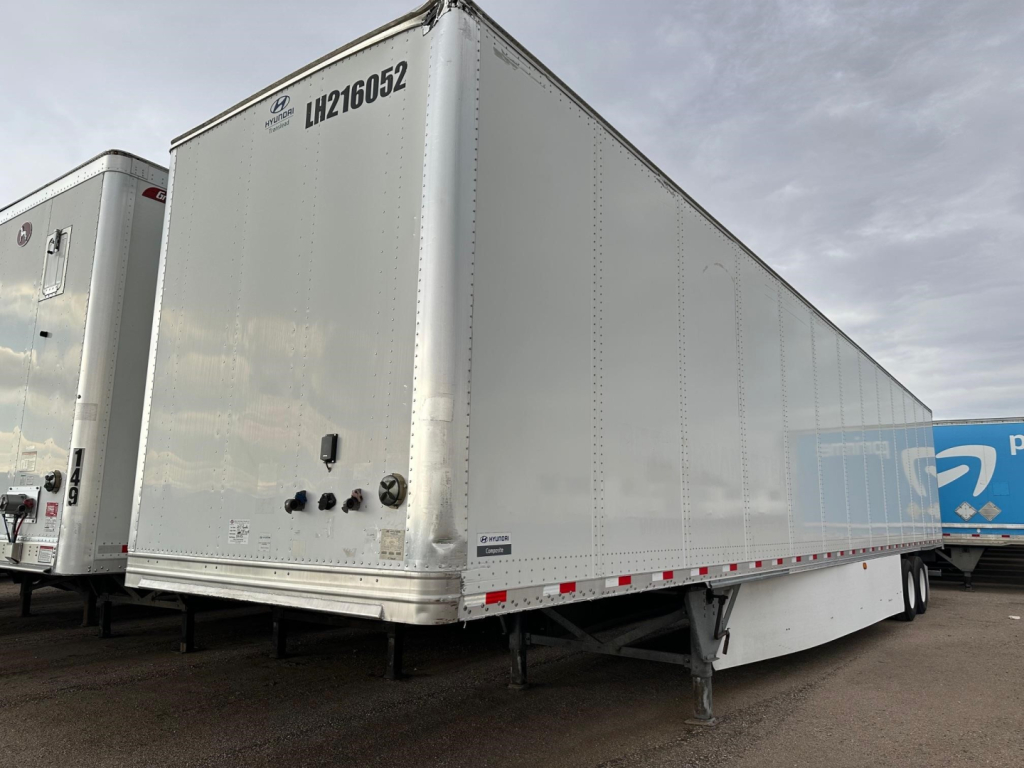

Selling a used hyundai dry van trailer? List your used hyundai dry van trailer for sale and reach thousands of commercial buyers.
Used Hyundai Dry Van Trailers in Colorado
Hyundai Translead builds composite and sheet-and-post dry vans, and used examples should be identified by construction rather than seller shorthand. Composite walls can reduce interior obstructions, while lined sheet-and-post bodies need close inspection around posts, plywood liners, and cargo-control attachments. A 53-foot, 102-inch-wide trailer is a common highway configuration, but usable inside width and rear opening vary with wall and door design. Roll-up doors suit frequent dock stops but use overhead space; swing doors can provide more unobstructed rear access. Inspect logistics posts, E-track, scuff liners, and threshold plates for forklift damage.
Colorado's freeze-thaw cycles, snowmelt, and road-treatment chemicals warrant an underside inspection, even when exterior panels look clean. Check crossmembers, landing-gear bracing, suspension hangers, slider rails, and the rear impact guard for corrosion, cracking, or bent sections. Probe suspect wood flooring for softness and inspect from below for split boards, damaged fasteners, and crossmember repairs. Roof seams, front corners, and upper rails deserve a daylight and leak inspection because water intrusion can spoil cargo and weaken floor edges. Distinguish cosmetic dents from damage that has pulled fasteners or distorted the body.
Test the sliding tandem through its travel and confirm every locking pin seats fully. Air-operated releases should function without leaks, and the slider rails must not bind under normal operation. On air-ride equipment, check air springs, height-control linkage, shocks, and any dock-stabilizing equipment. Uneven tire wear can signal alignment or suspension problems that fresh tires alone will not correct.
Compare maintenance documentation across all model years rather than treating a newer build date as proof of condition. Request annual inspection reports, brake and wheel-end service history, ABS fault checks, and records of floor, roof, or structural repairs. Older trailers may need accumulated wear corrected across several systems, while newer ex-fleet equipment can still show heavy dock cycling. Verify the VIN plate, GVWR, axle ratings, empty weight, and tractor-trailer axle distribution against the intended payload and Colorado routes before committing.
Frequently Asked Questions about Used Hyundai Dry Van Trailers in Colorado
What weight limit should I plan around when hauling a Hyundai dry van in Colorado?
Use 80,000 pounds gross combination weight as the standard Interstate planning limit for a five-axle tractor-trailer, subject to axle and bridge limits. Common federal limits include 20,000 pounds on a single axle and 34,000 pounds on a tandem. A Hyundai dry van's GVWR does not authorize that weight on every road. Verify axle spacing, route restrictions, and any applicable Colorado exceptions before loading.
Will a Hyundai dry van keep food from freezing during Colorado winter deliveries?
No, an unheated Hyundai dry van does not reliably prevent freezing during Colorado winter deliveries. Standard dry freight bodies provide weather protection, not controlled cargo temperature. Freeze-sensitive products require a validated protective arrangement or temperature-controlled equipment. For shelf-stable food, also inspect the trailer for roof leaks, odors, pest evidence, chemical residue, and flooring contamination before accepting the body for food service.
How do I know whether a used Hyundai dry van floor can handle my forklift?
Use the manufacturer's floor rating and the loaded forklift's front-axle load, not the trailer's payload capacity, to approve forklift loading. Tire contact area and wheel spacing also affect concentrated loading. On a used Hyundai dry van, repaired boards, weakened crossmembers, or threshold damage can compromise the original rating. Obtain the build specification and have questionable repairs evaluated before driving a loaded forklift inside.
Is automatic tire inflation worth keeping on a used Hyundai dry van?
Yes, a functioning automatic tire inflation system can reduce underinflation-related tire wear on a used Hyundai dry van. Test the regulator, warning indicator, wheel-end hoses, and fittings before relying on the system. Repeated air delivery can indicate a tire leak rather than normal operation. Automatic inflation does not correct alignment problems, overloaded tires, damaged casings, or pressure settings that do not match the application.
How do I identify replacement parts for an older Hyundai dry van?
Start with the Hyundai dry van's VIN and original build specifications, then verify identification tags on the installed components. Axles, suspensions, brakes, landing gear, and rear doors can differ within the same model year, and previous owners may have changed equipment. Record component manufacturers, part numbers, and measurements before ordering. Door panels and hardware must match the actual door system, not simply the trailer's year and length.