
Used 2001 Great Dane Dry Van Trailers For Sale
Used 2001 Great Dane dry van trailers: compare 48- and 53-foot layouts, roof condition, floor supports, brakes, and legal payload before buying.
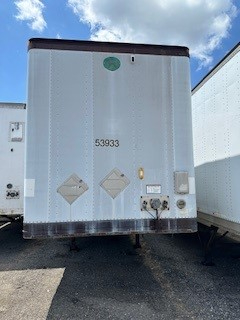
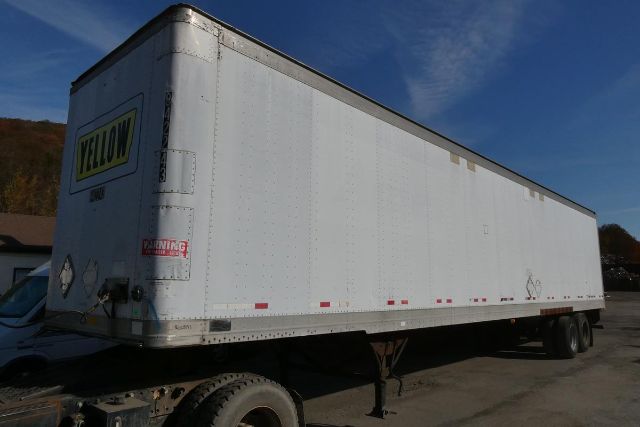
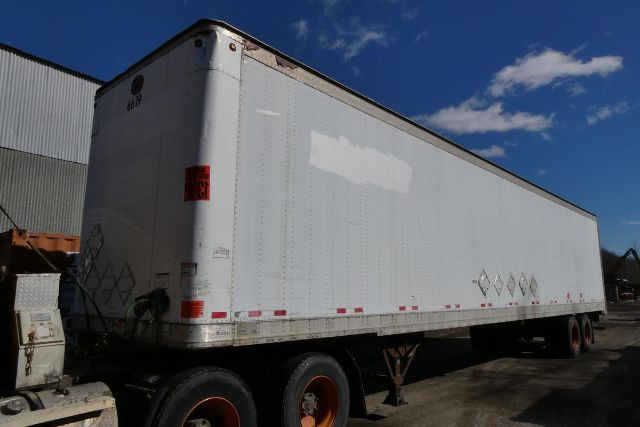
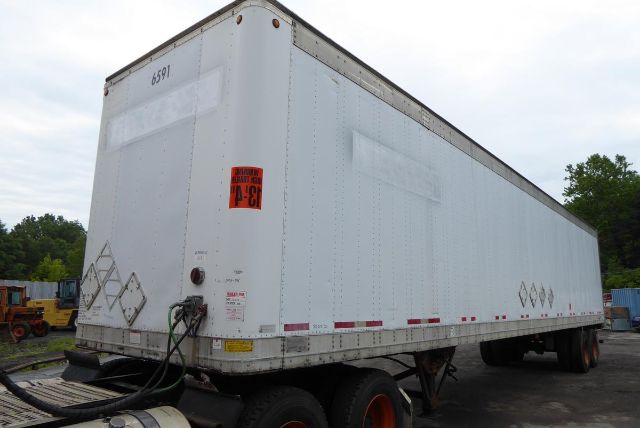
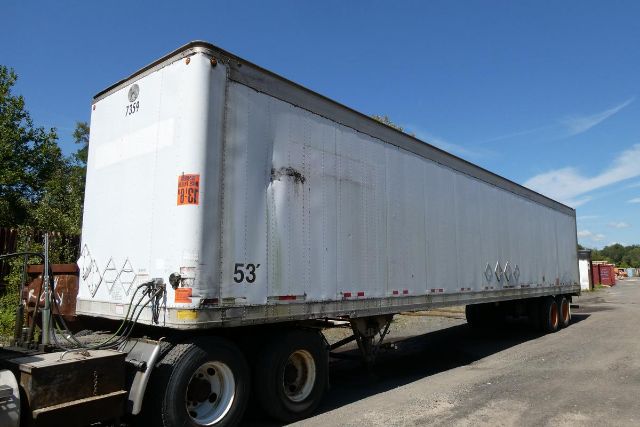
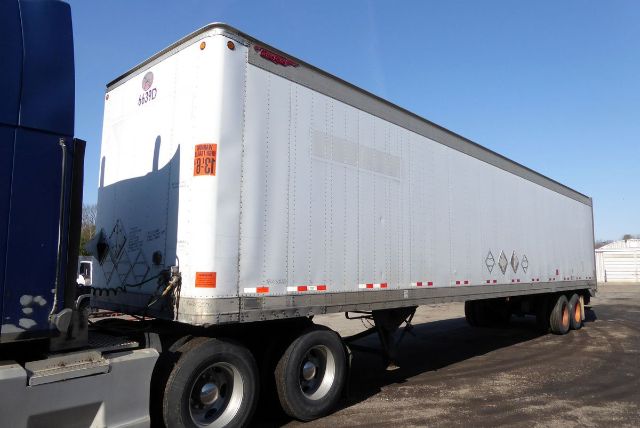
Selling a used 2001 great dane dry van trailer? List your used 2001 great dane dry van trailer for sale and reach thousands of commercial buyers.
Used 2001 Great Dane Dry Van Trailers
Common 48- and 53-foot configurations serve different loading requirements. A 53-foot van adds floor space for bulky freight, while a 48-footer may better match established local routes and tighter yards. Measure usable interior width, door height, and dock approach clearance rather than relying on nominal exterior dimensions. Swing doors generally preserve more rear opening than roll-up doors, while roll-up doors avoid swinging panels beside a crowded dock. Air ride helps protect sensitive freight; spring suspension avoids airbags and height-control components.
Inspect wood flooring from above and below, especially at the rear approach plate and above the sliding tandem. Soft boards, loose fasteners, and deeply corroded crossmembers can make forklift loading unsafe even when the exterior looks straight. Check aluminum side panels and roof seams for loose rivets, patches, and water tracks. Translucent roof material needs close examination for cracking and deterioration; an aluminum roof still needs sound seams and bows. Cycle the landing gear and tandem slider, verify every locking pin engages, and examine suspension hangers, brake chambers, air lines, and wheel seals. Request repair records showing roof work, floor replacement, brake service, and hub maintenance.
Operating history matters across the United States and Canada. Snow Belt and Canadian winter service can leave heavy corrosion around suspension brackets, steel rear frames, and landing gear, while prolonged sun exposure can deteriorate roof materials and seals. On a 2001 trailer, replacement components may differ from the original specification. Read axle, suspension, and brake identification tags before ordering parts, and verify route-specific axle weights and tandem-position restrictions before assigning freight.
Frequently Asked Questions about Used 2001 Great Dane Dry Van Trailers
Does a 68,000-pound GVWR mean a 2001 Great Dane dry van can carry that much freight?
A 68,000-pound trailer GVWR includes the trailer's own weight, not just its cargo. Legal payload for a 2001 Great Dane dry van also depends on tractor weight, axle loading, and route limits. Standard US Interstate limits generally include 80,000 pounds gross combination weight, 34,000 pounds on a tandem, and compliance with the federal Bridge Formula. Canadian limits vary by province and axle configuration.
Should a 2001 Great Dane dry van trailer have ABS?
A 2001 Great Dane air-braked dry van built for the US market should have ABS because the federal requirement covers air-braked trailers manufactured on or after March 1, 1998. Verify that the external ABS warning lamp performs its proper startup sequence and investigate any lamp that stays illuminated. Inspect wheel-speed sensor wiring and obtain diagnostic fault information rather than assuming functioning service brakes mean the ABS works.
Can I replace 11R22.5 tires with low-profile 22.5 tires on an older Great Dane van?
A change from 11R22.5 to low-profile 22.5 tires requires checking load capacity, approved rim width, overall diameter, and tire clearance. On a 2001 Great Dane dry van, the change can also affect deck height and dock alignment. Match dual tires closely in diameter and confirm adequate axle capacity at the specified inflation pressure; sharing a 22.5-inch wheel diameter does not make every tire interchangeable.
Is a 2001 Great Dane dry van too old for commercial highway use?
Model year alone does not disqualify a 2001 Great Dane dry van from commercial highway service under US federal rules. Structural condition, working safety equipment, and required inspections determine roadworthiness. US commercial trailers subject to federal inspection rules need a periodic inspection at least every 12 months. Canadian inspection requirements follow the applicable provincial program, and customers may impose trailer-age restrictions beyond legal requirements.