
2007 Great Dane Dry Van Trailers For Sale in New York
Compare 2007 Great Dane dry van trailers for sale in New York by length, door clearance, roof condition, and salt-related frame and suspension wear.
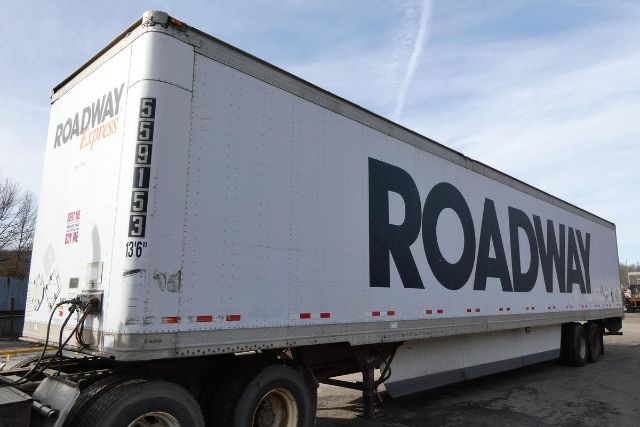
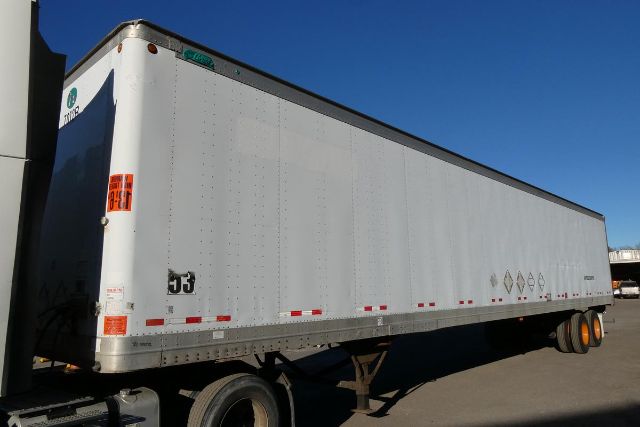
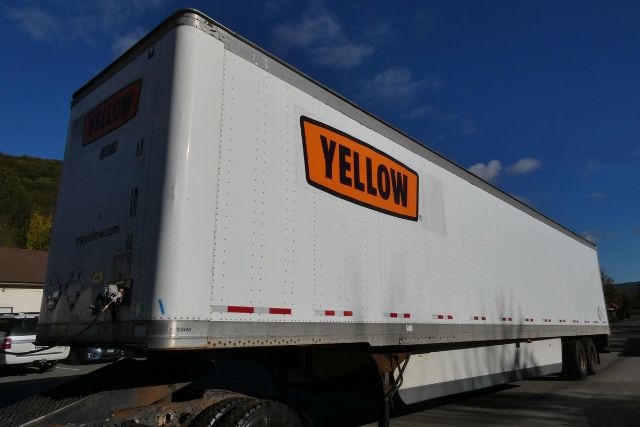
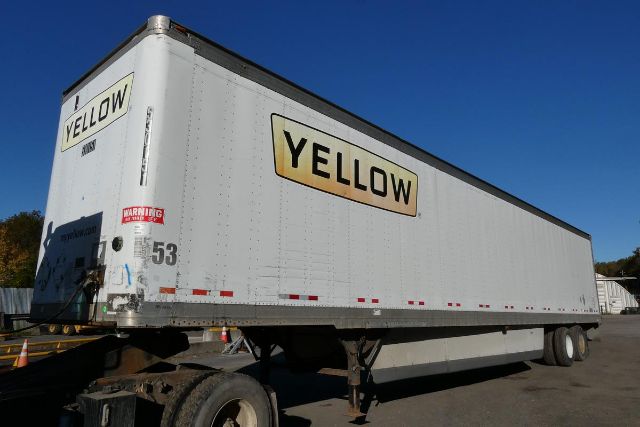
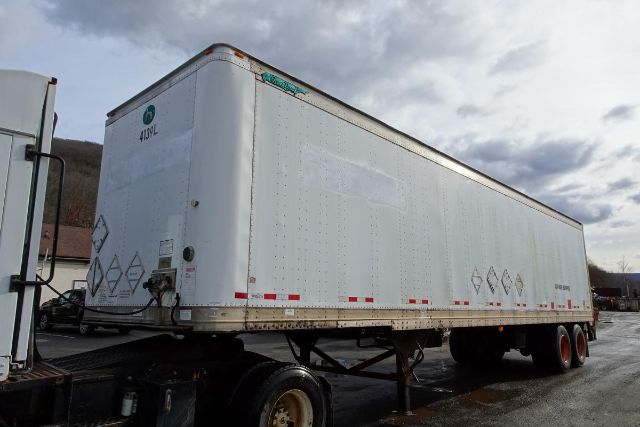
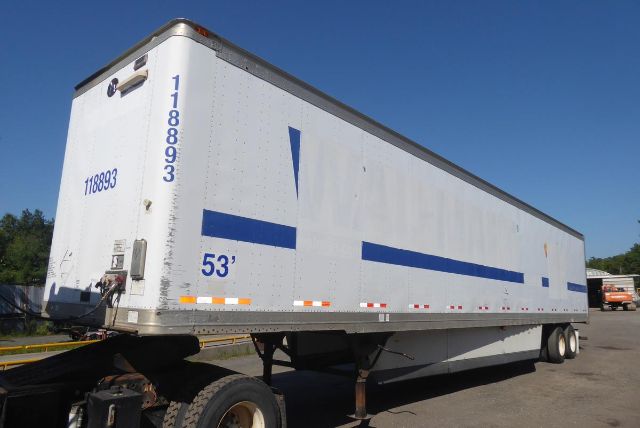
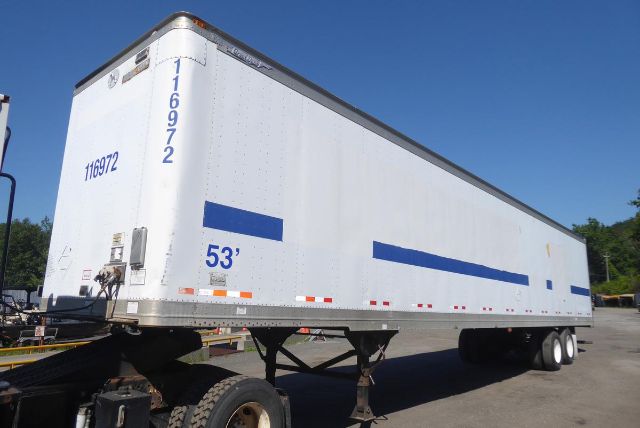
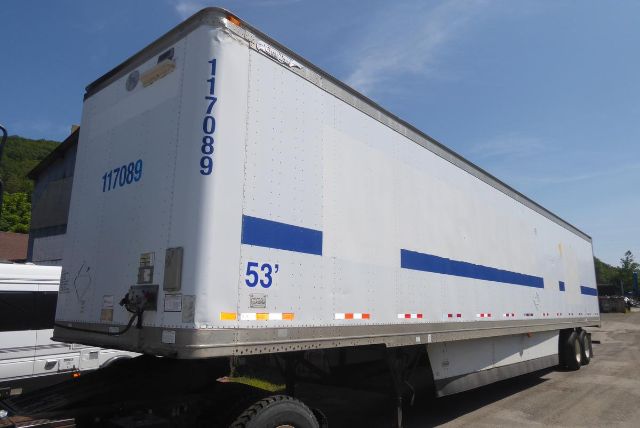
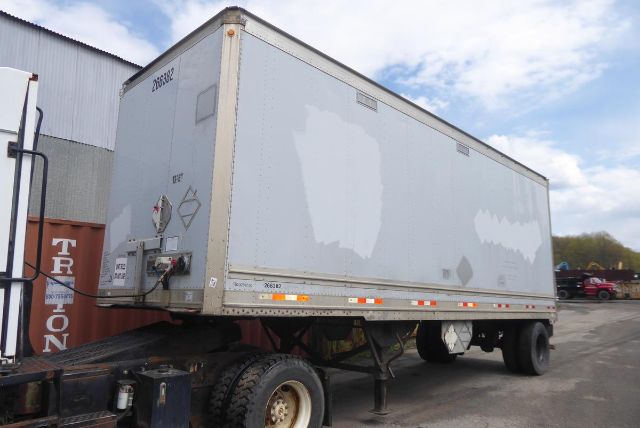
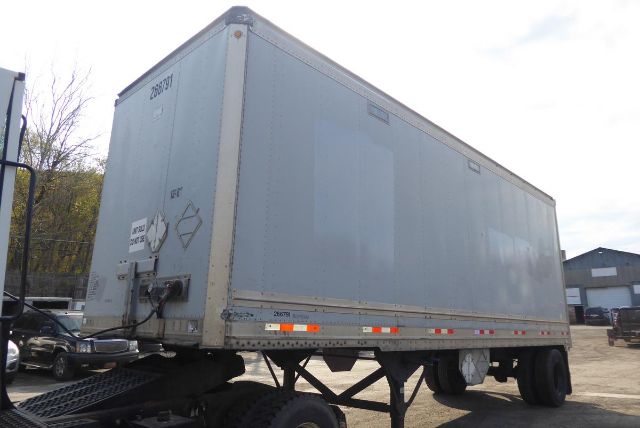
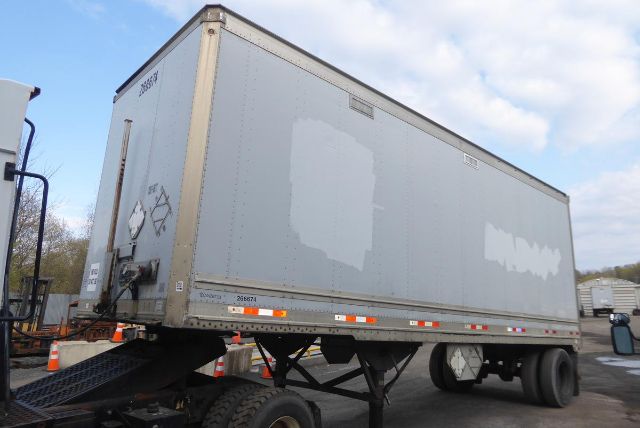
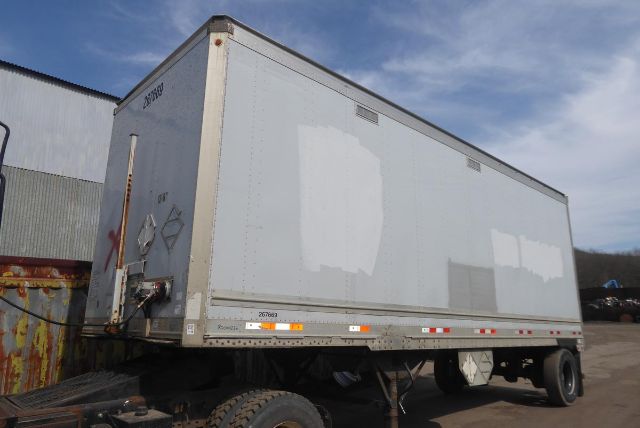
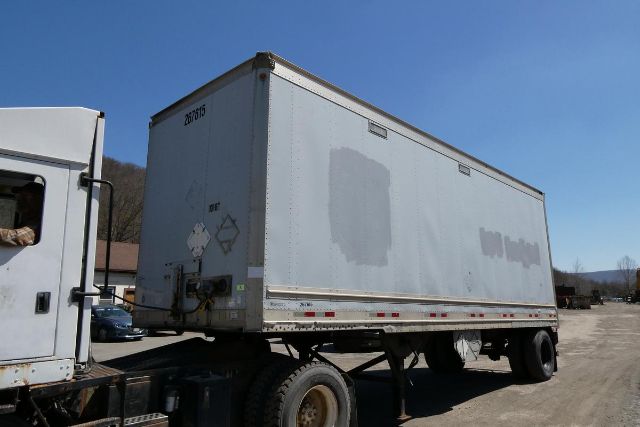

Selling a 2007 great dane dry van trailer? List your 2007 great dane dry van trailer for sale and reach thousands of commercial buyers.
2007 Great Dane Dry Van Trailers in New York
New York road salt makes the steel understructure a priority, even when the body is aluminum. Inspect crossmembers, landing-gear braces, suspension hangers, brake plumbing, and the rear impact guard for section loss or cracked repairs. On a 2007 trailer, check roof seams, upper rails, door seals, and wood flooring for evidence of repeated water entry, not just fresh sealant. Cycle roll-up doors fully and inspect cables, rollers, and spring hardware. Spring-ride units need sound leaf packs and bushings; sliding tandems need locking pins that engage completely. Used-trailer maintenance records should document brake, wheel-end, floor, and roof work.
New or unused condition does not erase storage-related deterioration on a 2007 model. Verify tire dates, corrosion, and written warranty terms; the 12% federal excise tax may apply to a qualifying new trailer's first retail sale. For used vans, weigh the empty trailer before calculating payload. Confirm the complete combination's axle weights and approved route before purchase, especially for downstate work where parkway bans and local length restrictions limit access.
Frequently Asked Questions about 2007 Great Dane Dry Van Trailers in New York
Can I use a 53-foot Great Dane dry van for deliveries in New York City?
A 53-foot dry van is generally prohibited on New York City streets, with limited exceptions for designated through routes. Permission to travel an approved highway does not authorize local delivery access. Verify the complete route with current NYC DOT truck rules, including the final approach to the receiver. A shorter trailer may solve a length restriction, but bridge clearances, combination length, and posted weight limits still require checking.
Can a 28-foot Great Dane pup trailer be used in doubles?
A 28-foot Great Dane pup can run in doubles only when its equipment and the proposed combination meet applicable requirements. Length alone does not establish doubles capability. Verify the rear coupling, supporting structure, safety connections, air plumbing, and electrical connections against manufacturer documentation. The driver needs the appropriate doubles endorsement, and New York route restrictions must be checked separately from the trailer's mechanical suitability.
How do I know whether a 2007 Great Dane dry van floor can handle my forklift?
The documented floor rating for concentrated forklift loads matters more than trailer GVWR. Obtain the original floor specification or a qualified assessment covering the flooring, crossmembers, and repairs. A loaded forklift puts substantial weight through small tire contact areas, especially while entering across the rear threshold. Water-damaged boards or corroded crossmembers can compromise a 2007 dry van even when the floor looks acceptable from above.
Should the ABS warning light work on a 2007 Great Dane dry van?
A 2007 air-braked Great Dane dry van should have functioning ABS and its required warning lamp. Federal ABS requirements for air-braked trailers predate this model year. Test the system with a compatible tractor or diagnostic power source, follow the manufacturer's lamp-check procedure, and retrieve fault codes. An illuminated fault lamp, disconnected wiring, or a missing lamp calls for diagnosis rather than assuming the trailer only needs brake adjustment.
Is an aluminum or translucent roof better on an older Great Dane dry van?
An aluminum roof is the stronger choice when daylight inside the dry van is unnecessary, while a translucent roof improves visibility during loading. On a 2007 Great Dane, remaining condition matters more than material alone. Inspect translucent panels for brittleness, cracking, and failed attachments, and aluminum sheets for punctures and damaged seams. Neither roof should be treated as walkable without manufacturer-approved support and access procedures.