
Used Fruehauf Dry Van Trailers For Sale
Compare used Fruehauf dry van trailers for sale by construction, floor condition, door clearance, and tandem setup for U.S. and Canadian freight routes.
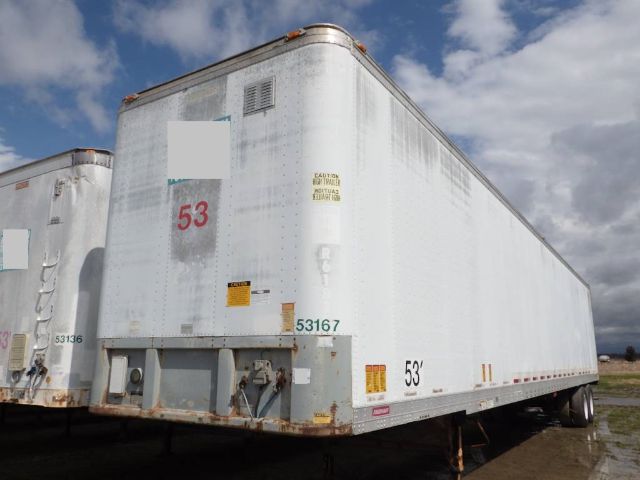
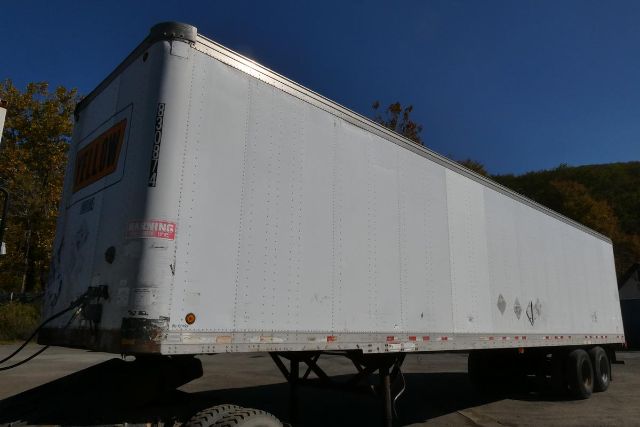
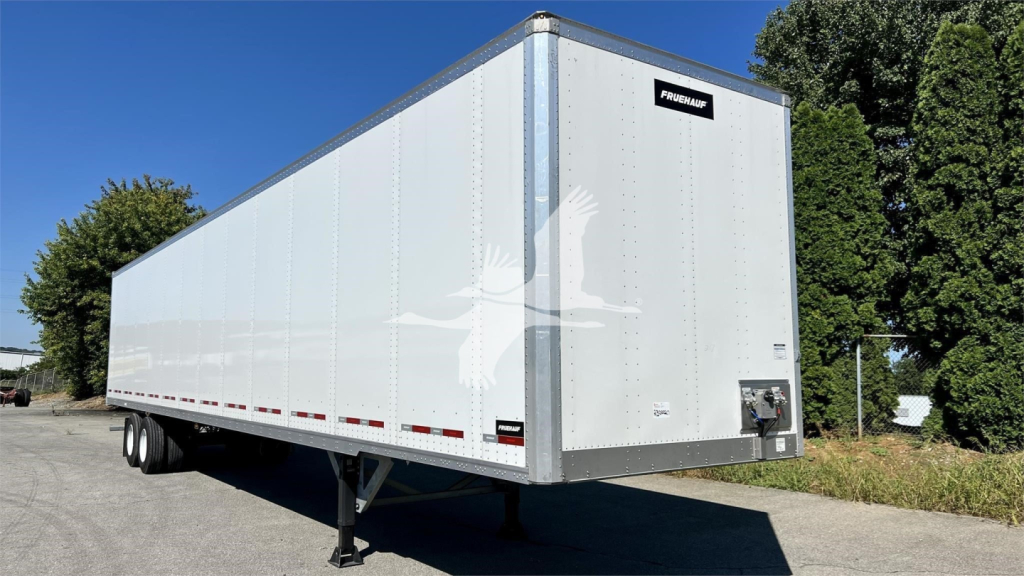
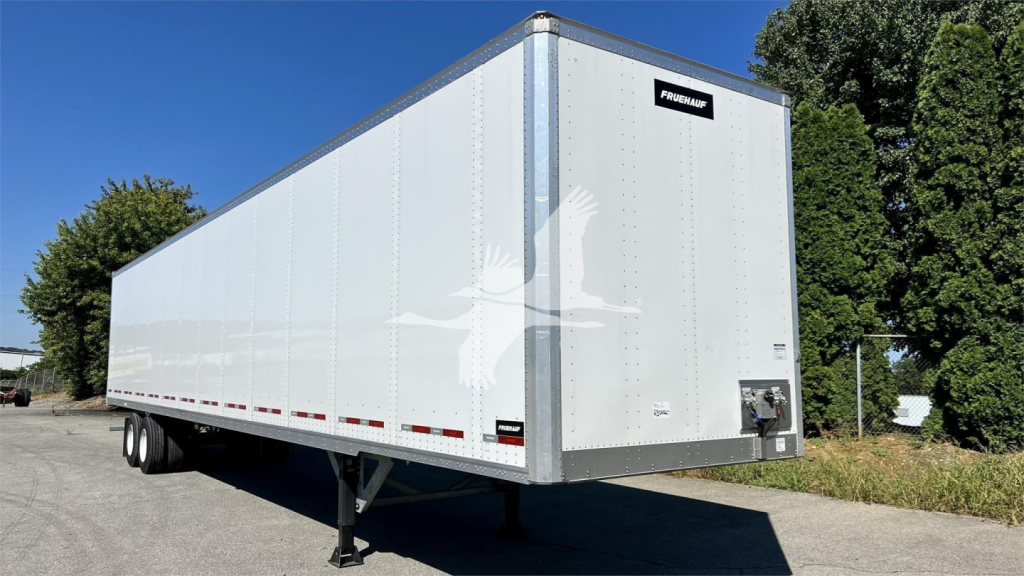
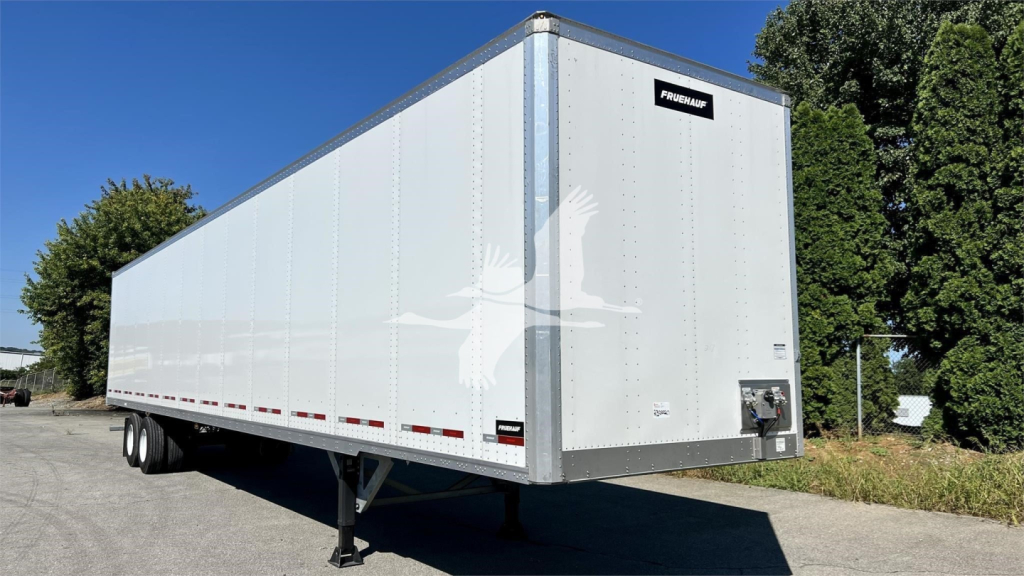
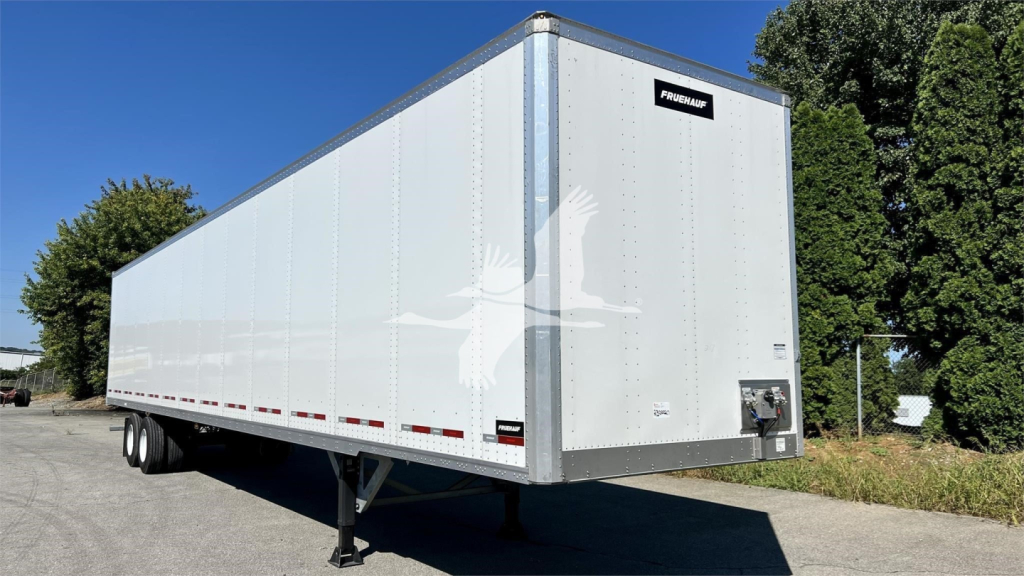
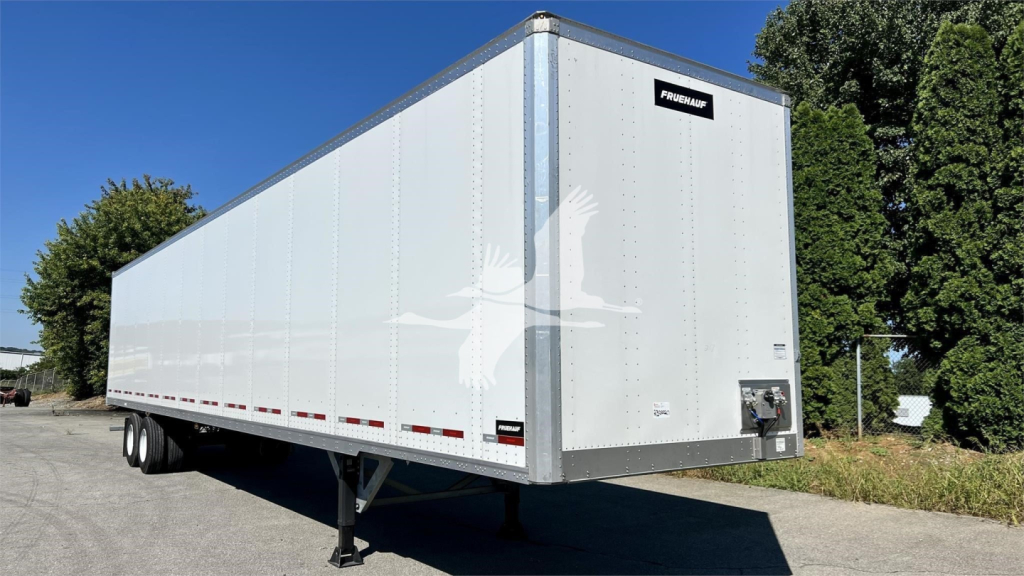
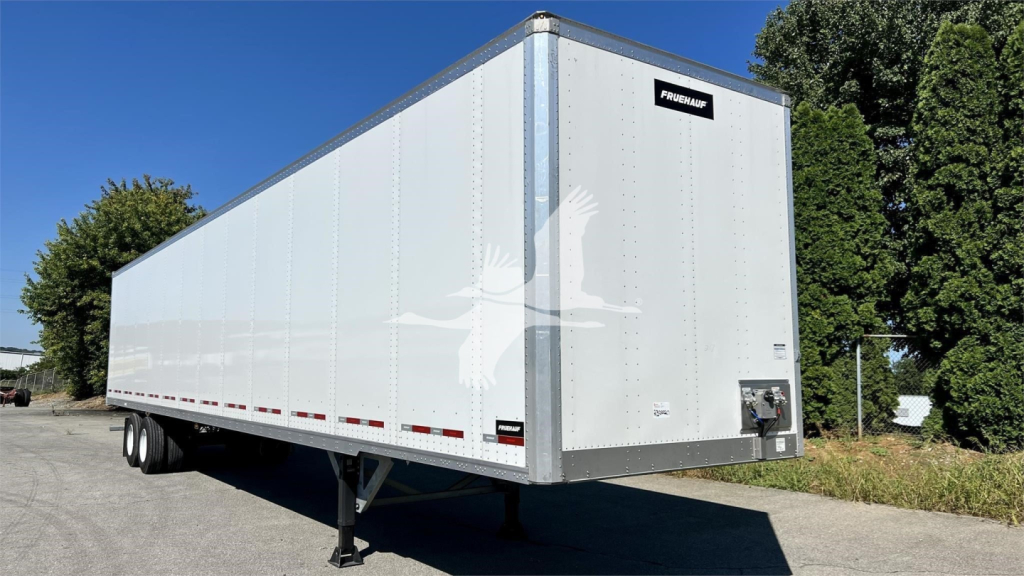
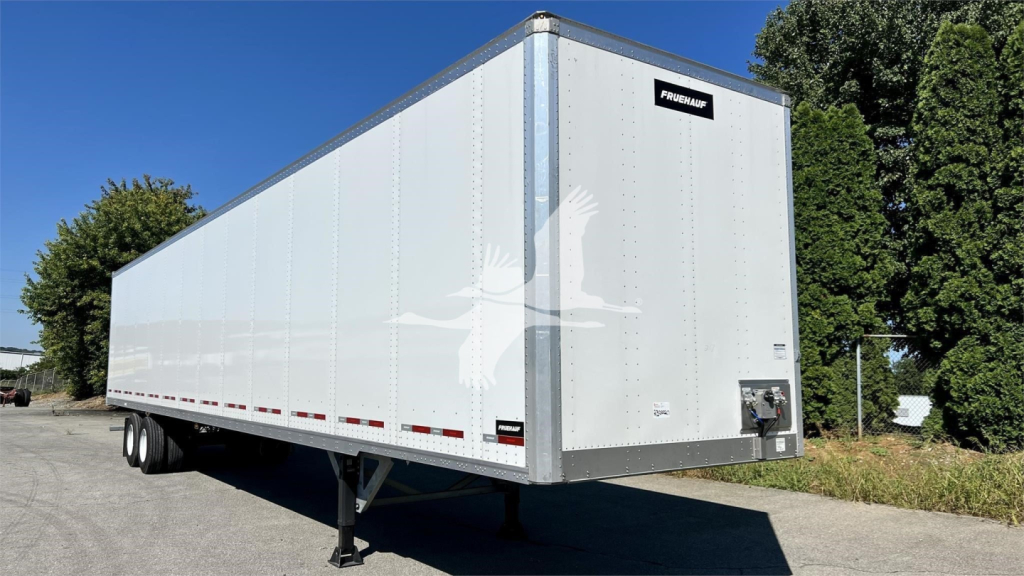
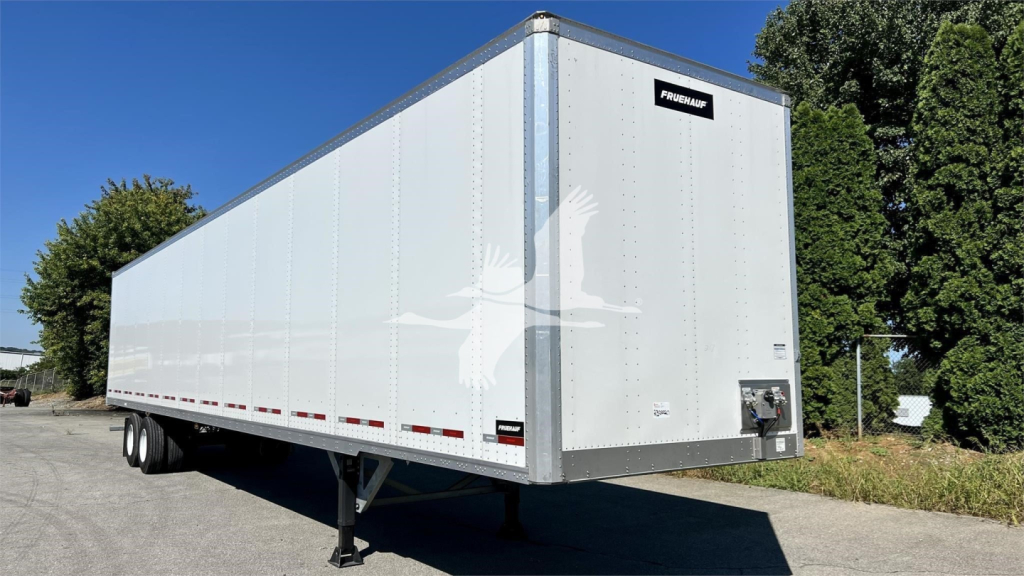
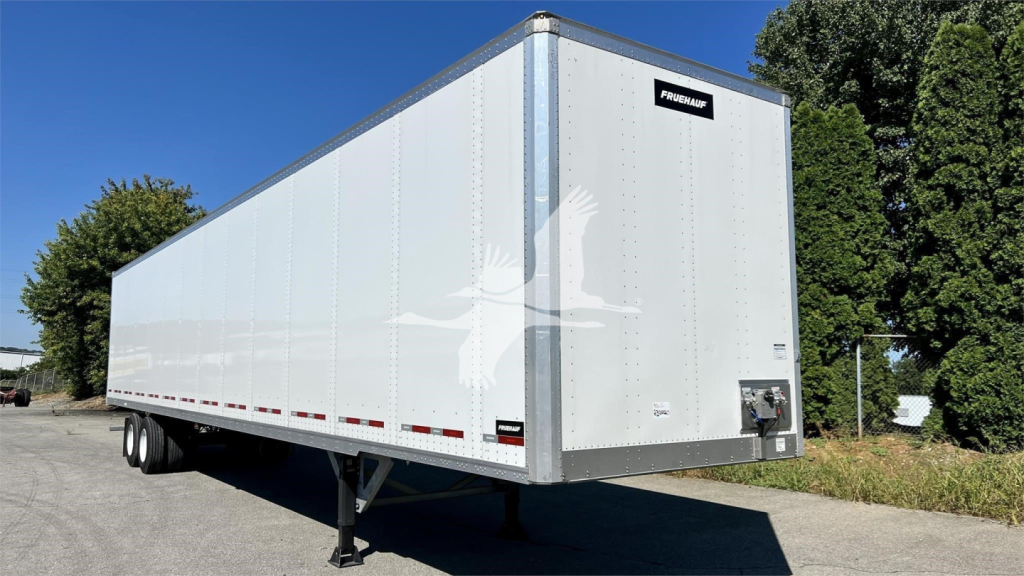
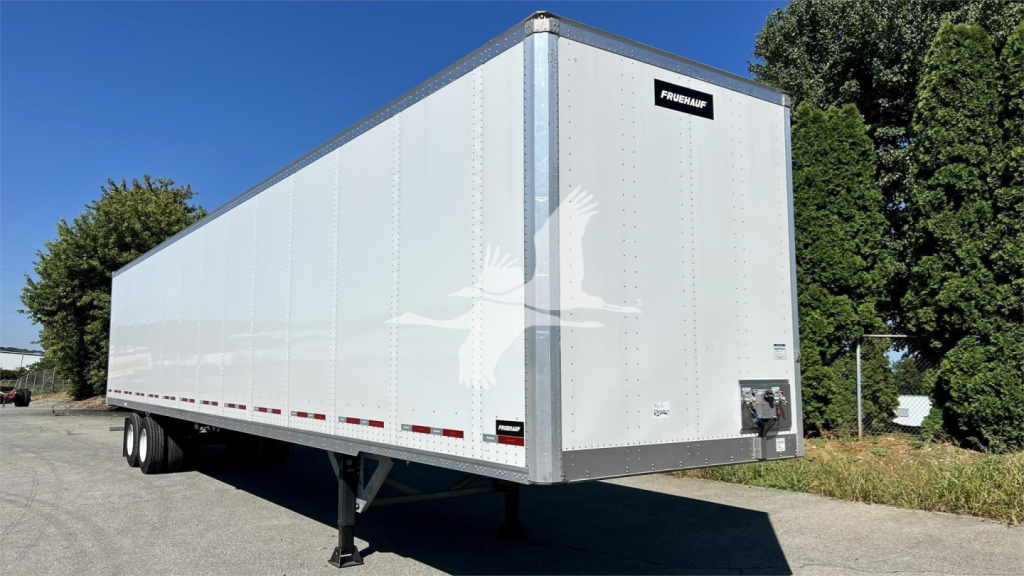
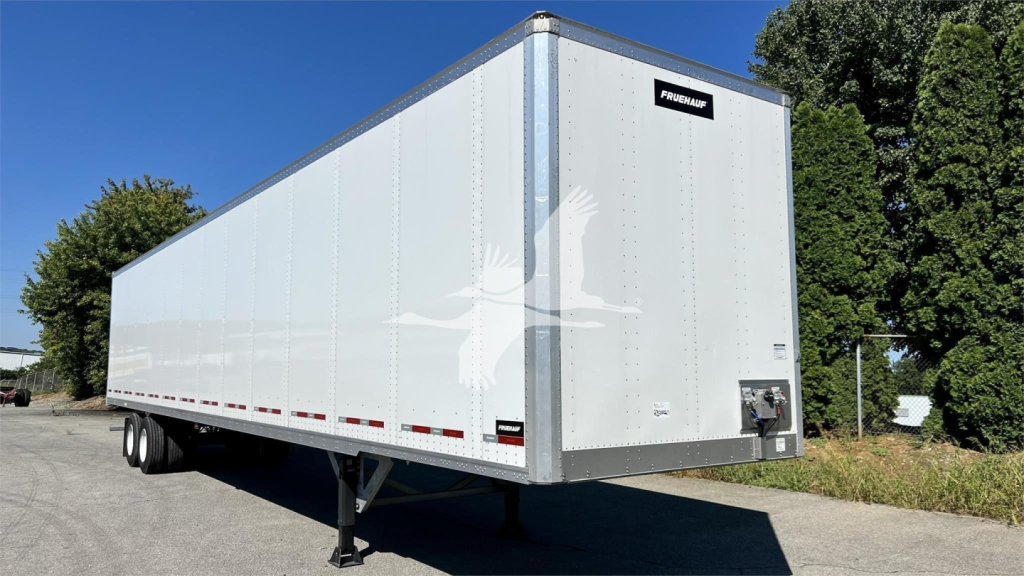
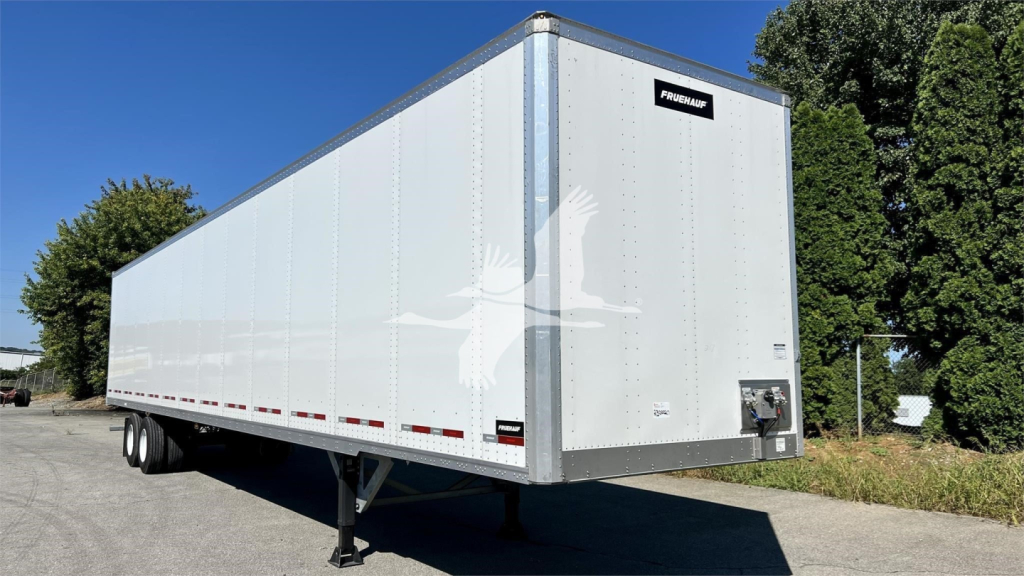
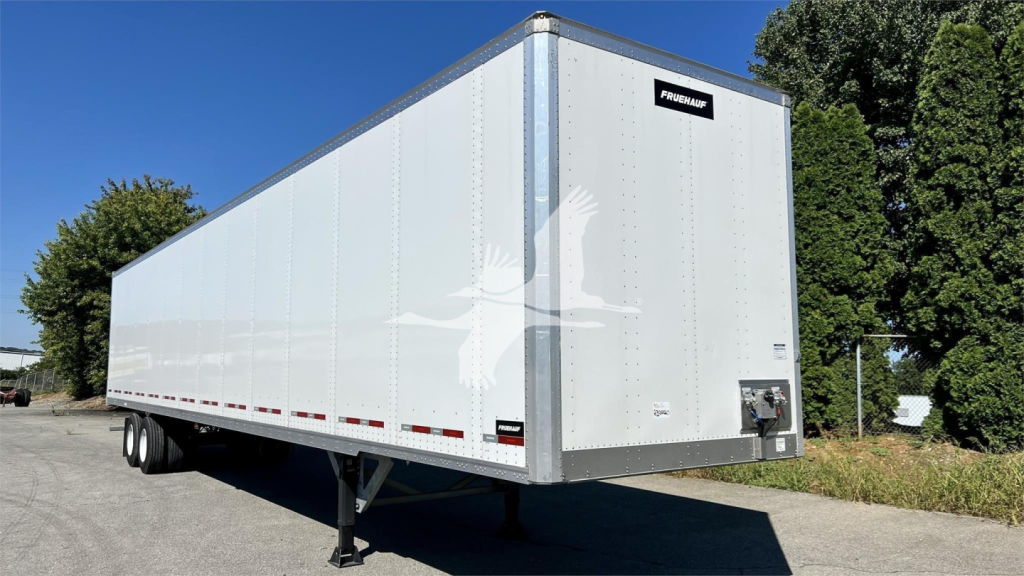
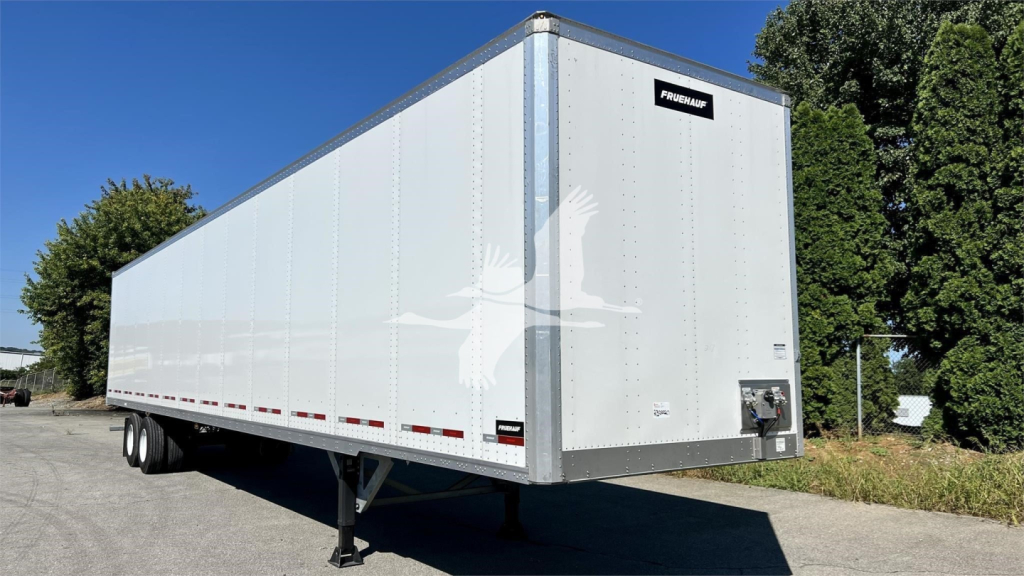
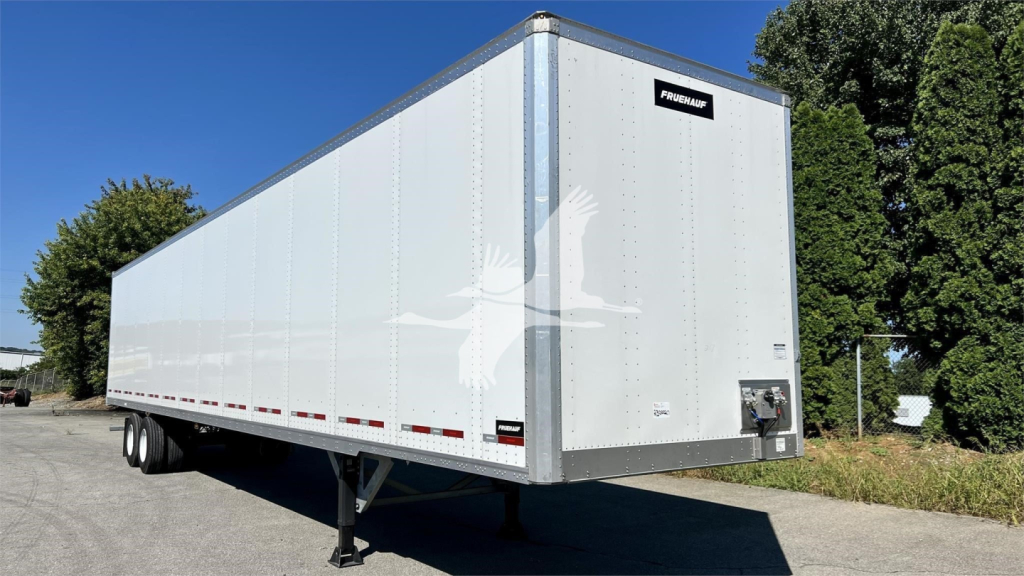
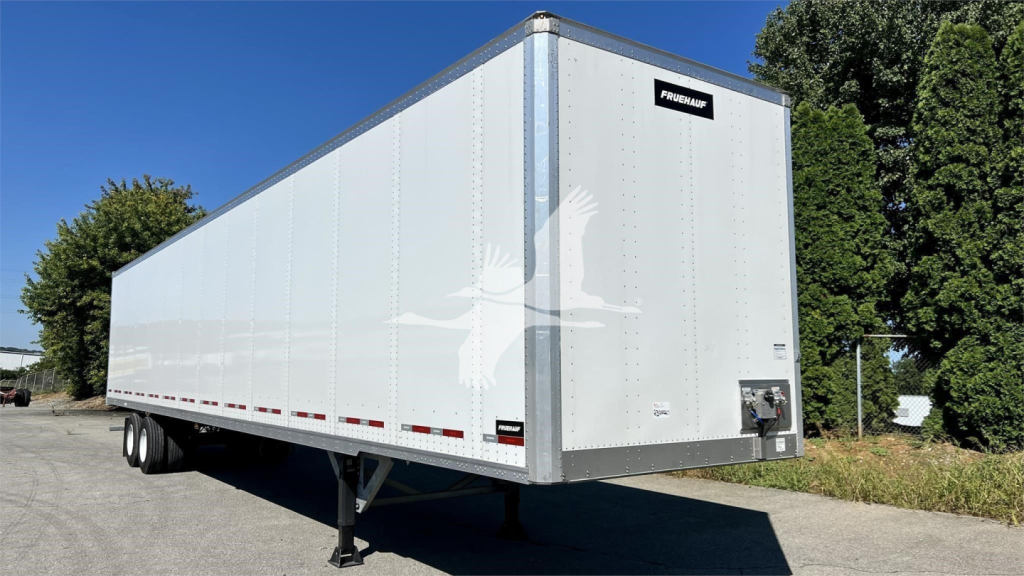
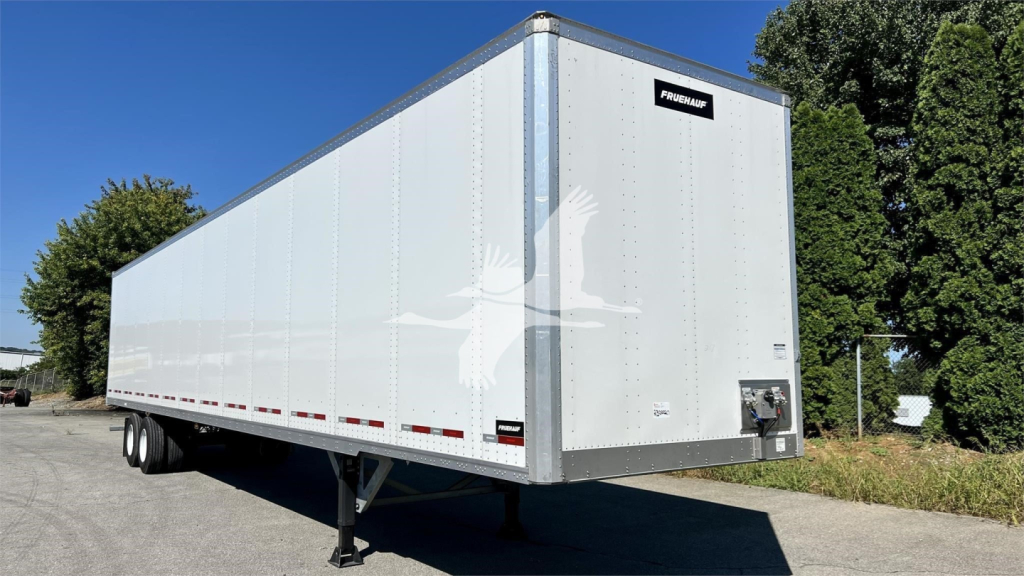
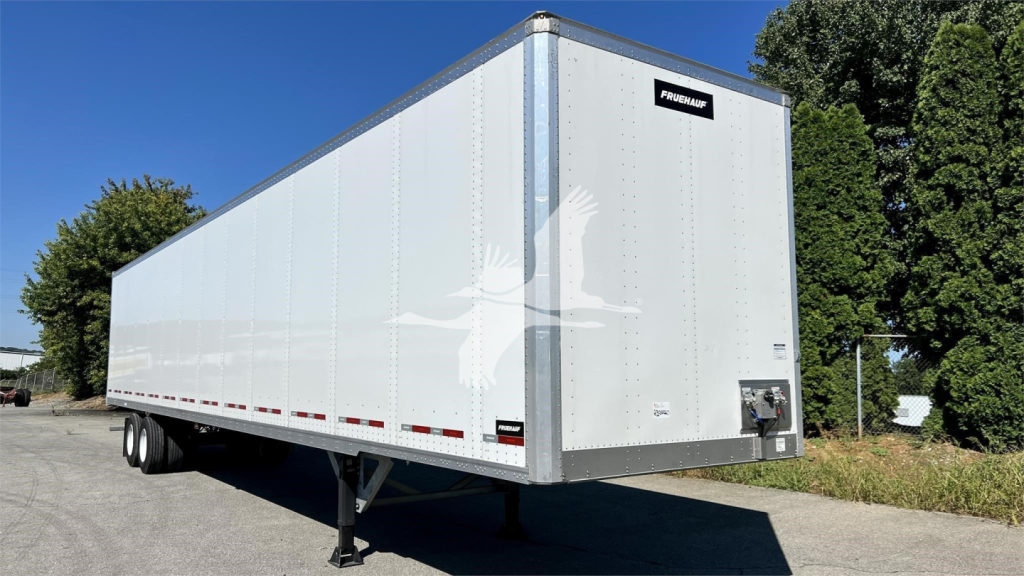
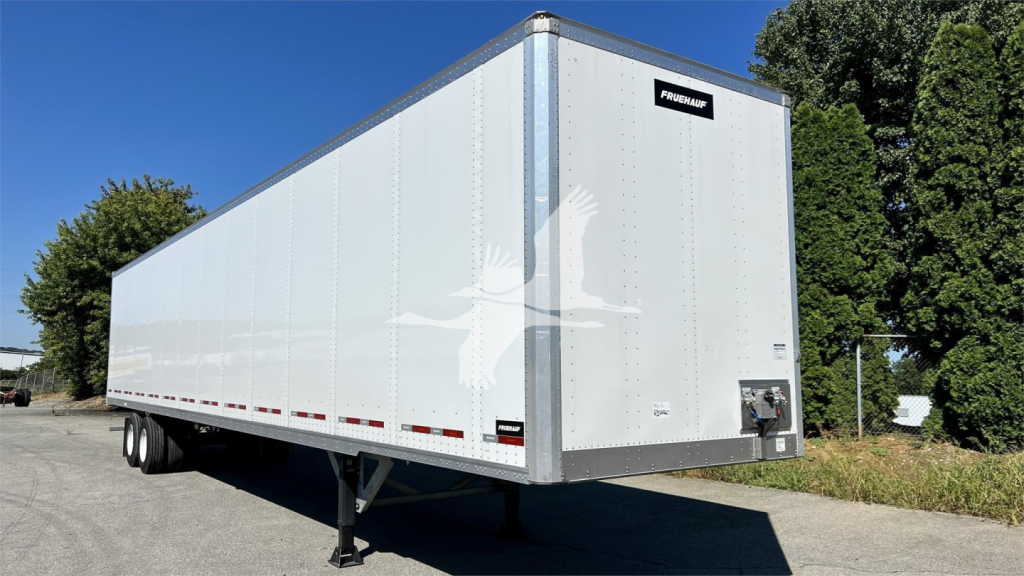
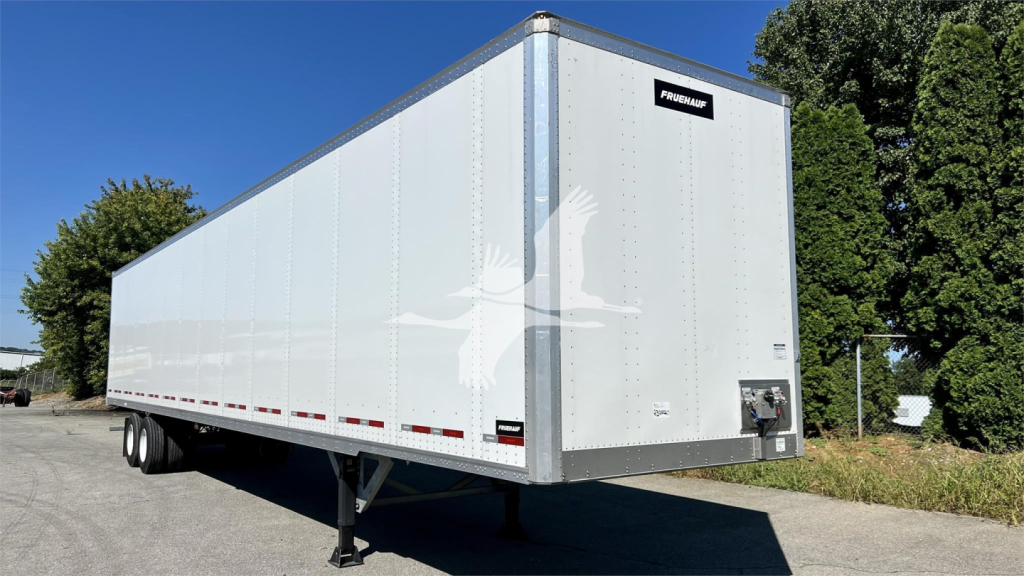
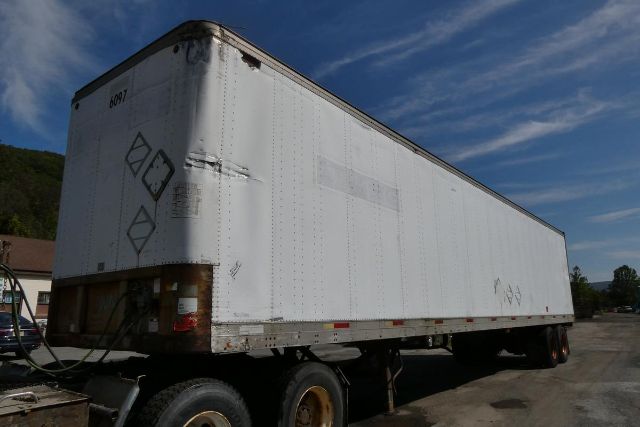
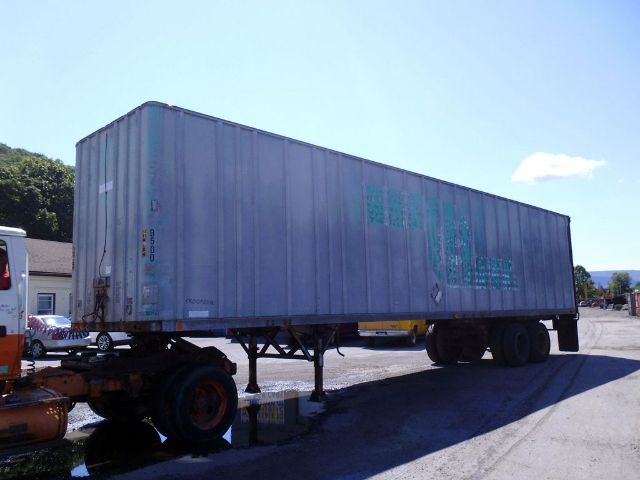

Selling a used fruehauf dry van trailer? List your used fruehauf dry van trailer for sale and reach thousands of commercial buyers.
Used Fruehauf Dry Van Trailers
A 45-foot dry freight trailer gives up cube compared with a 53-foot van, while 96-inch and 102-inch exterior widths can produce substantially different usable interiors. Match the box to palletized general freight, packaged goods, or other cargo that does not require refrigeration. Measure clear width between liners, door-opening height, and floor height at the dock. Swing doors usually provide more clear opening; roll-up doors simplify frequent delivery stops but introduce tracks, rollers, cables, and spring hardware to maintain.
Inspect a used van from underneath as carefully as from inside. Probe suspect wood flooring, look for loose fasteners and cracked crossmembers, and examine the upper coupler, kingpin, landing-gear mounts, rear frame, and underride guard. Water staining can trace roof leaks into floor edges and structural joints. Check slider rails, locking pins, brake chambers, wheel seals, tires, and suspension attachment points. Maintenance records should document brake work, bearing service, roof repairs, and any floor replacement; request ABS fault information where fitted. Recent model years still warrant collision and dock-damage checks, while decades-old equipment needs closer attention to corrosion, fatigue, and replacement-part compatibility.
For U.S. and Canadian operation, confirm that trailer dimensions, axle ratings, and tandem position suit the intended routes and loading pattern. Road salt in northern states and Canadian provinces makes crossmembers, slider assemblies, air lines, and steel-to-aluminum connections priority inspection areas. Freeze-thaw exposure can worsen existing water damage, while strong sun accelerates sealant and door-gasket deterioration. Verify applicable state or provincial inspection requirements before assigning a former storage trailer to highway freight.
Frequently Asked Questions about Used Fruehauf Dry Van Trailers
How do I know if a used Fruehauf dry van floor can handle my forklift?
The floor's rated forklift axle load, not the trailer GVWR, determines whether a used Fruehauf dry van can handle your loading equipment. Obtain the original floor specification and compare it with the loaded forklift's axle loads. Floor thickness alone does not establish capacity. Rotten boards, damaged crossmembers, and undocumented patches can compromise the original rating and require evaluation before loading.
Should I choose air ride or spring suspension on a used Fruehauf dry van?
Air ride is usually the better choice for shock-sensitive freight, while spring suspension offers a simpler system for less sensitive cargo. On a used Fruehauf dry van, inspect air bags, height-control valves, and plumbing on air ride units; inspect leaves, hangers, equalizers, and bushings on spring units. Suspension choice does not replace proper blocking, bracing, or cargo securement.
Can a Fruehauf trailer used for storage go back on the road?
A used Fruehauf dry van can return to highway freight only after its structure and running gear meet applicable roadworthiness requirements. Long stationary periods can leave seized brakes, deteriorated tires, leaking seals, and damaged air lines despite a dry interior. U.S. interstate commercial operation generally requires a qualifying periodic inspection at least every 12 months; Canadian inspection requirements are set provincially.
How much weight can I legally haul in a Fruehauf dry van?
Standard U.S. Interstate limits are 80,000 pounds gross combination weight and 34,000 pounds on a tandem, subject to axle spacing and exceptions. A Fruehauf dry van's legal cargo weight is constrained by those limits, equipment ratings, and the tractor-trailer empty weight. Scale individual axle groups after loading. Canadian limits vary by province and configuration, so a U.S. loading plan may not transfer unchanged.
How do I identify replacement parts for an older Fruehauf dry van?
Use the trailer VIN, build information, and component identification numbers rather than ordering by the Fruehauf name alone. Brake assemblies, hubs, suspension components, and landing gear may carry separate manufacturers' tags. Body repairs require matching panel construction, rail profile, and fastening method. Identify the wheel design before tire service, since older equipment may have multi-piece rims that require trained servicing.