
Fruehauf Dry Van Trailers For Sale in Pennsylvania
Compare Fruehauf dry van trailers for sale in Pennsylvania by wall construction, forklift floor rating, salt corrosion, and new-trailer tax requirements.
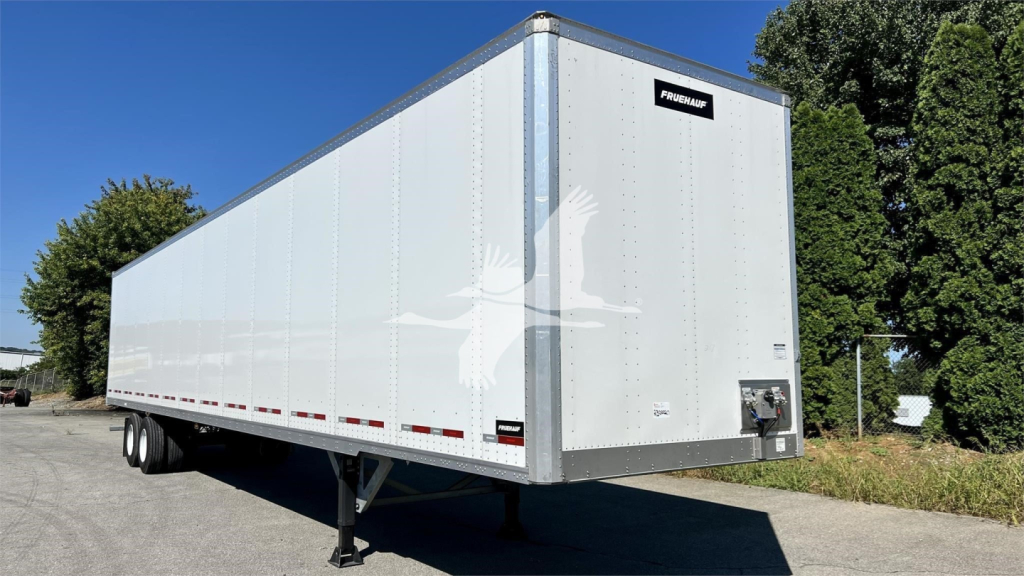
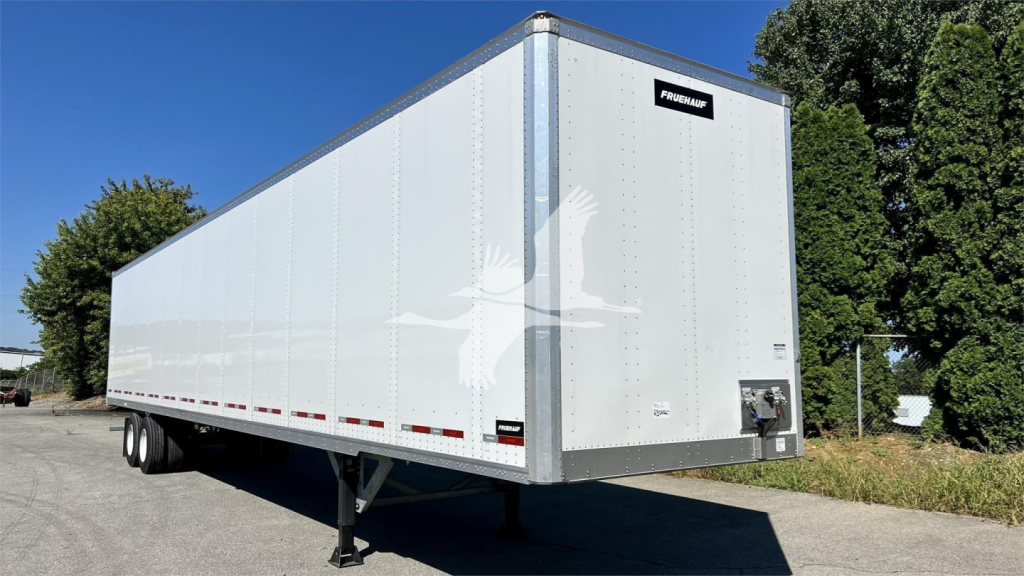
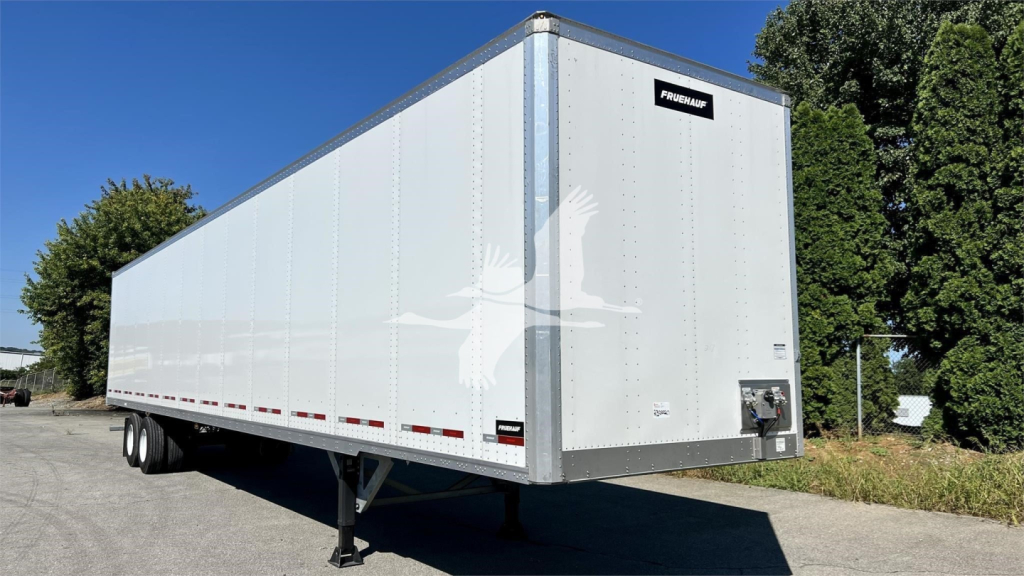
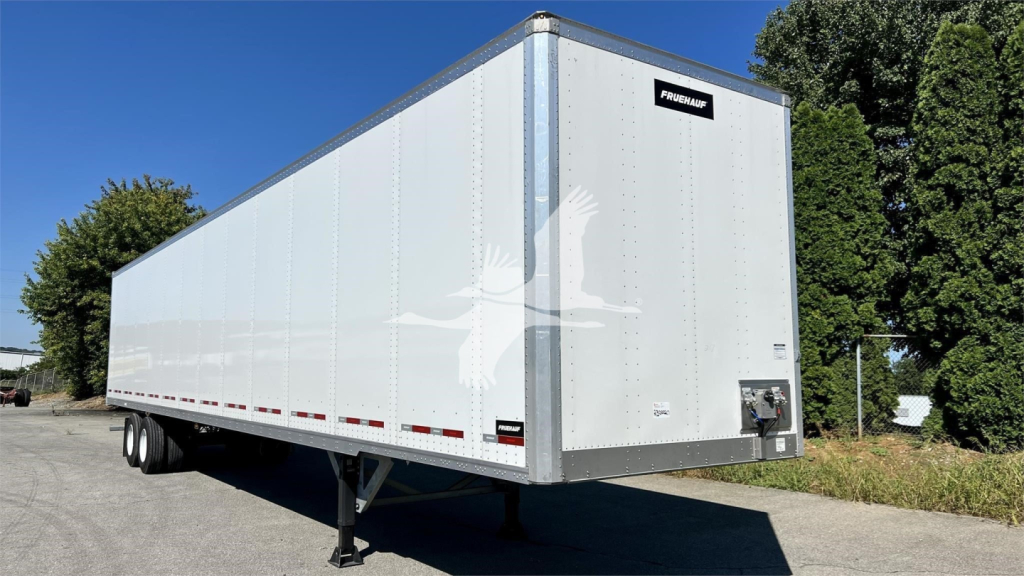
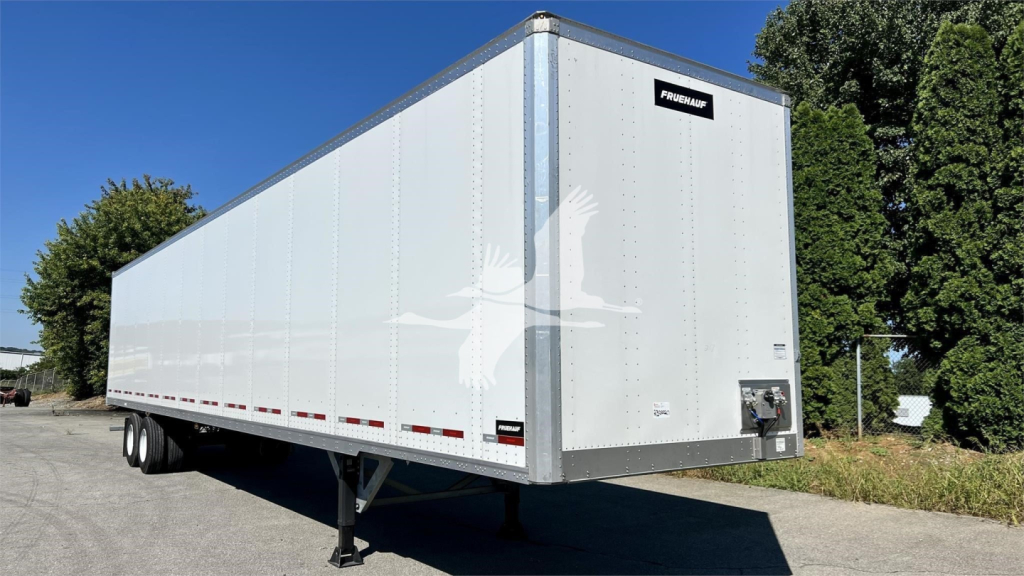
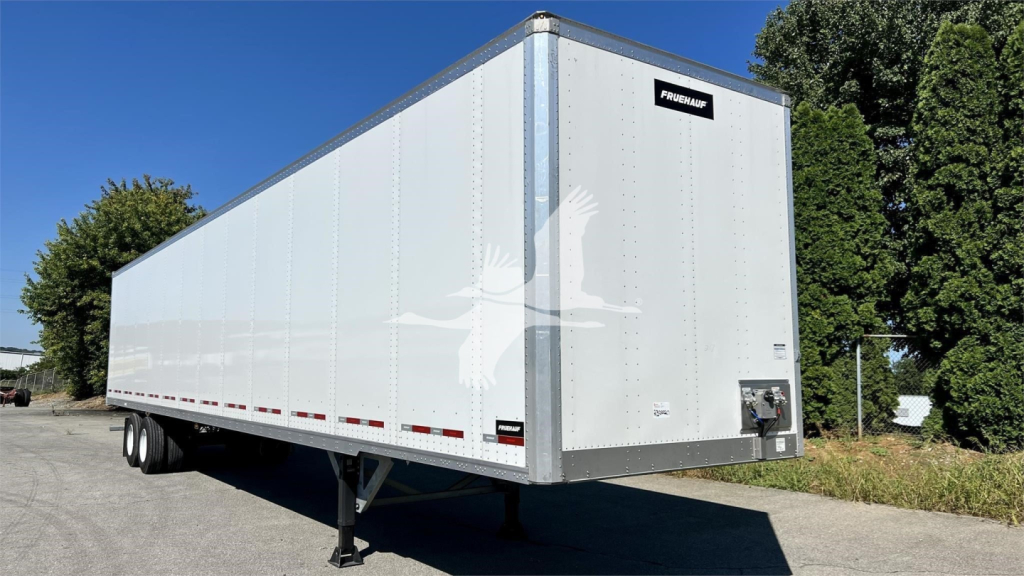
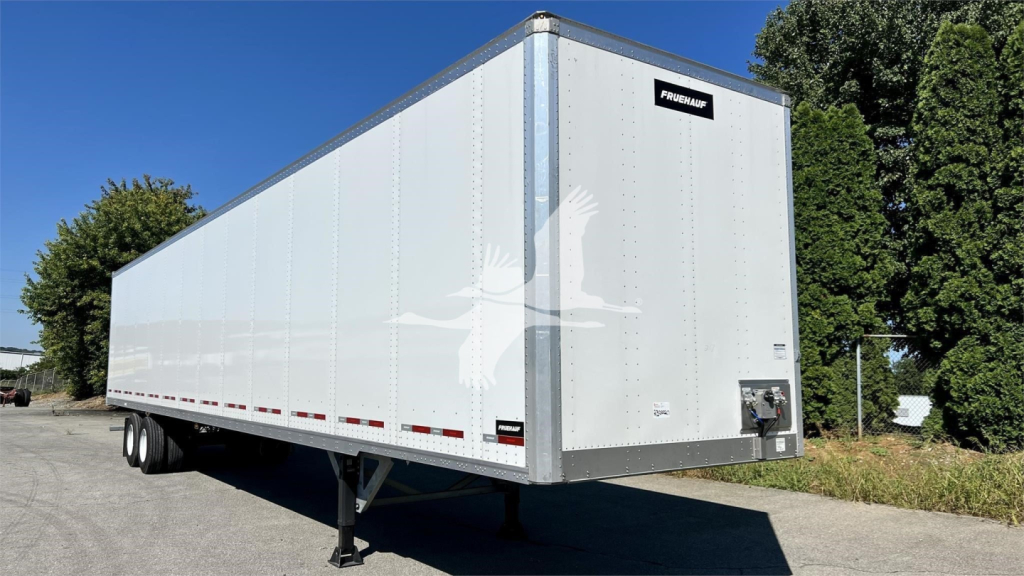
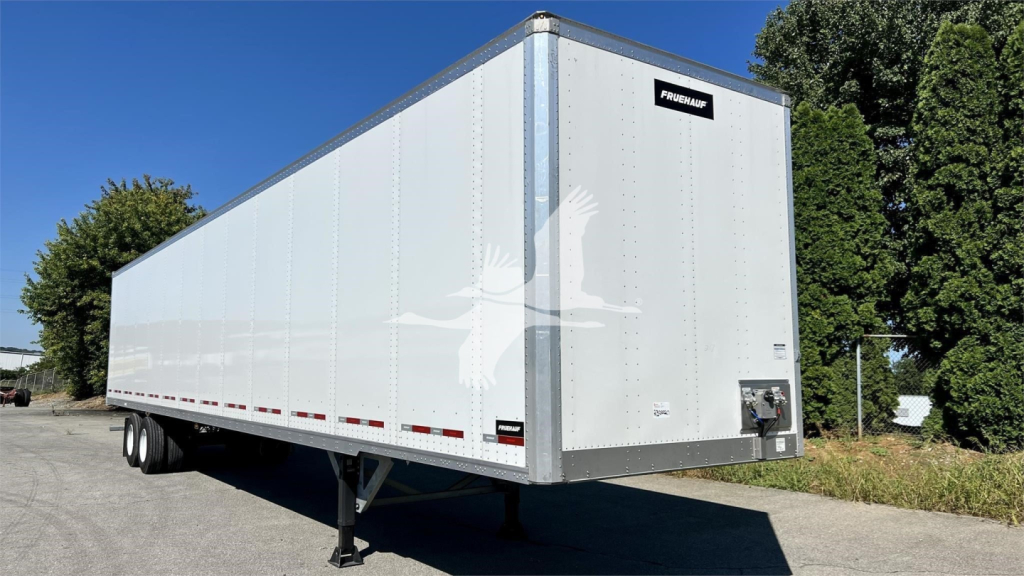
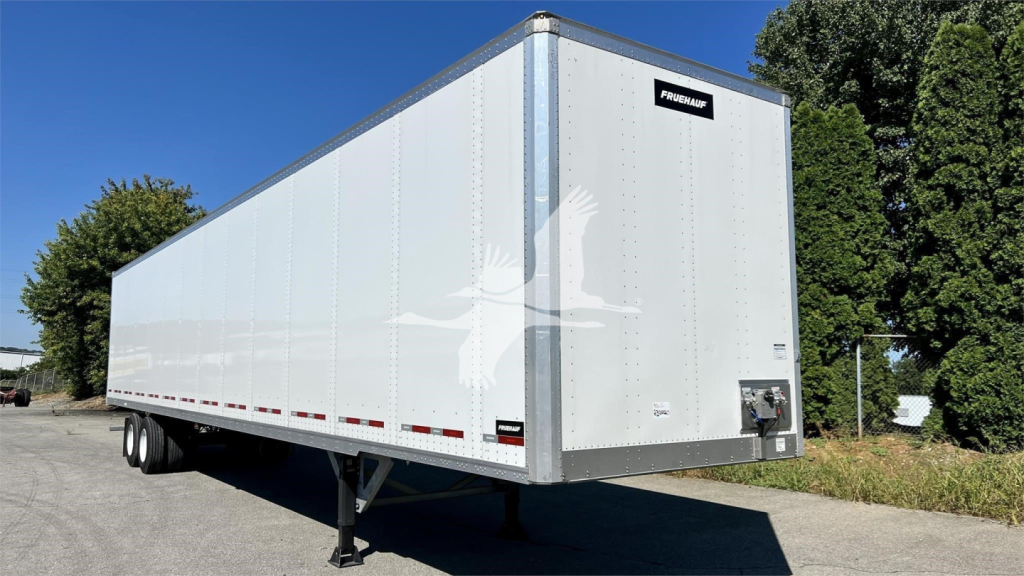
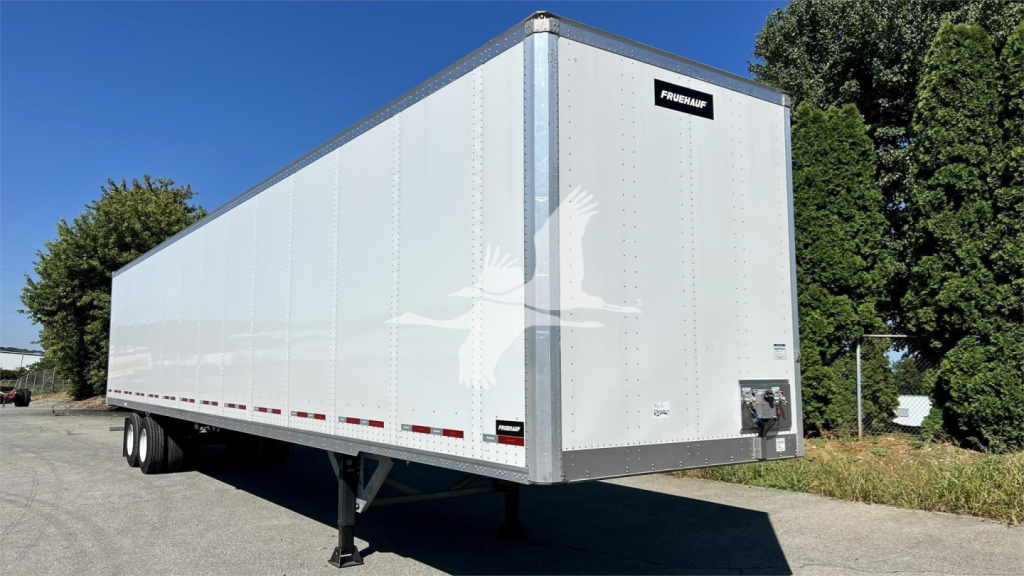
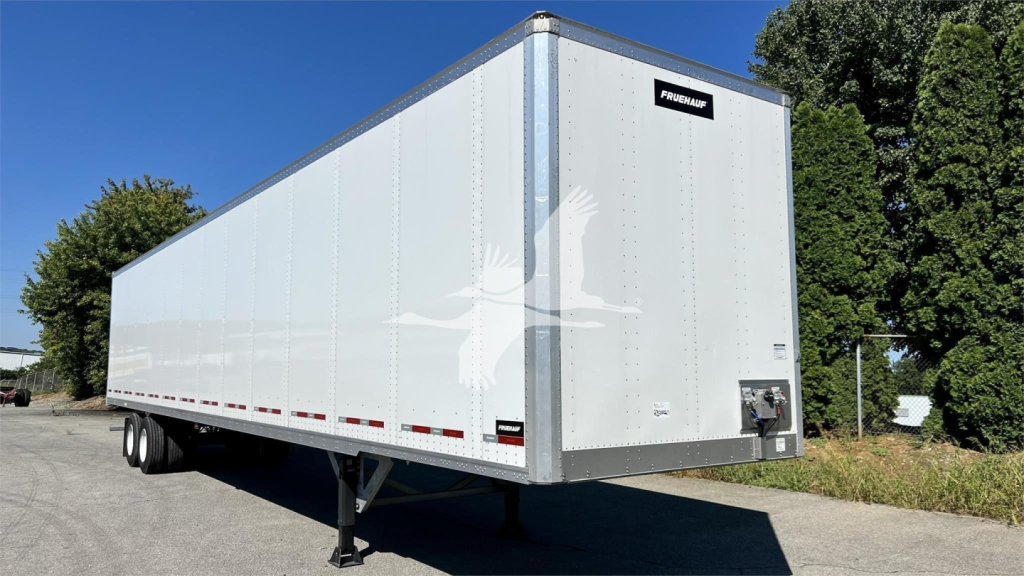
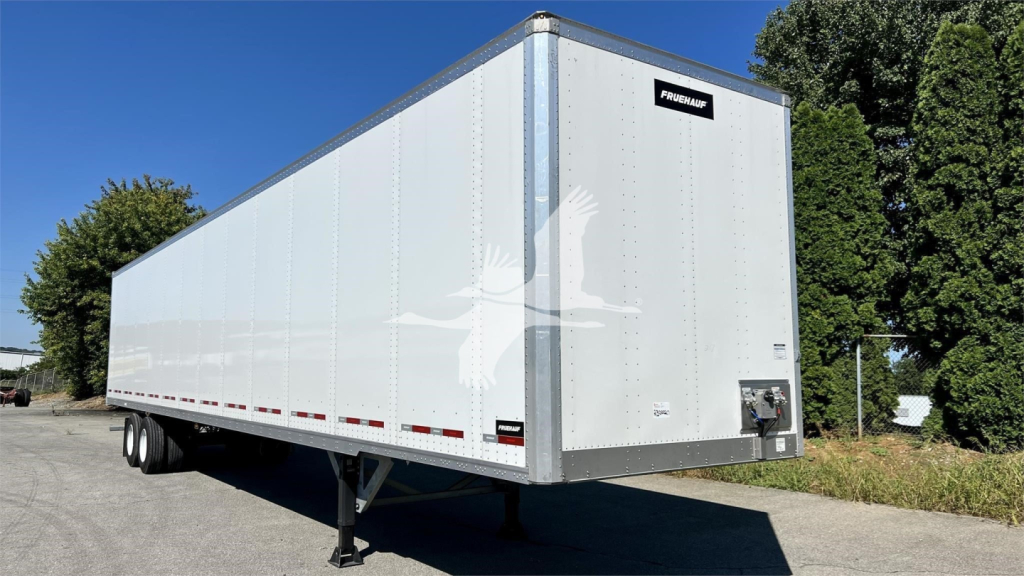
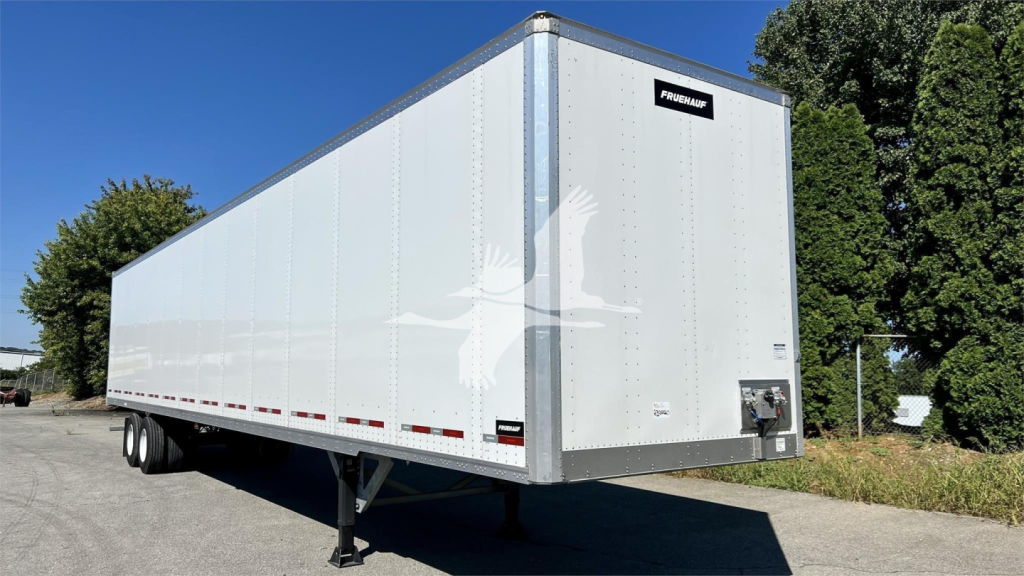
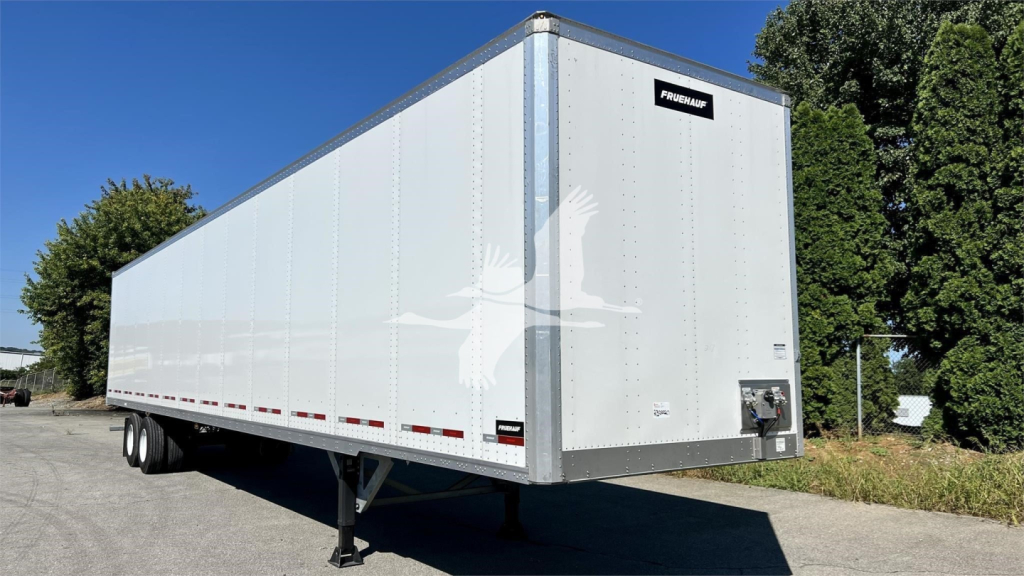
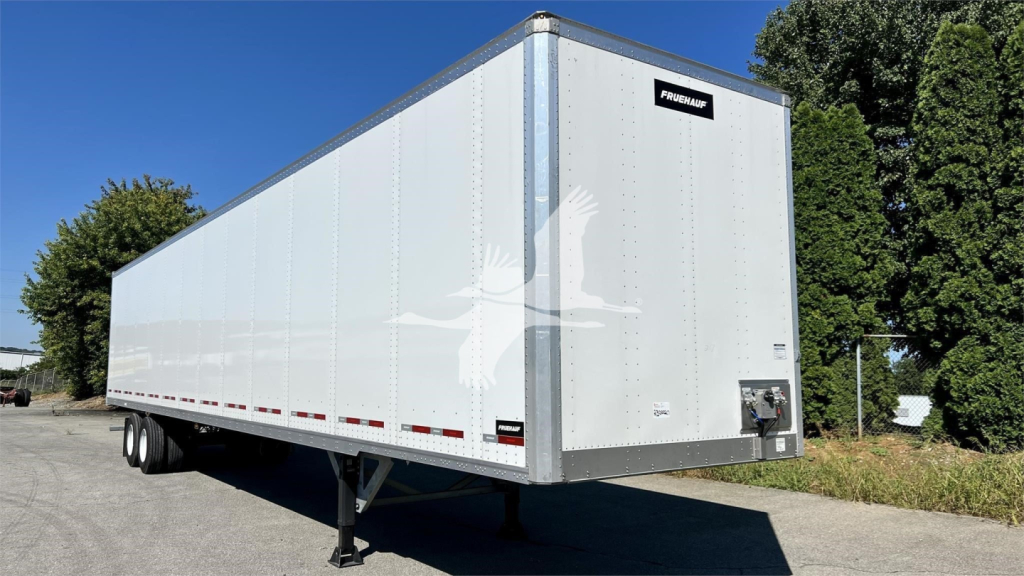
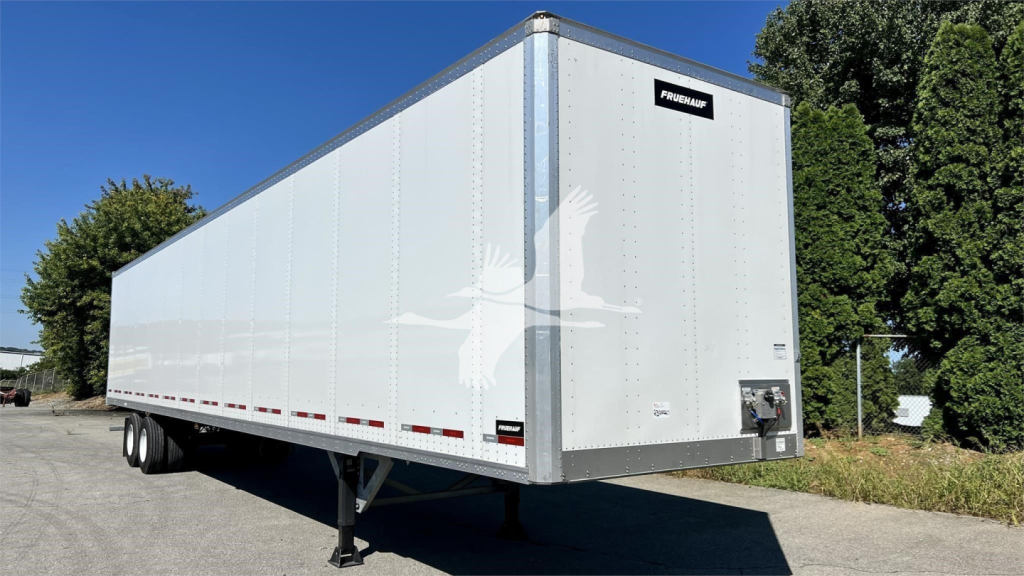
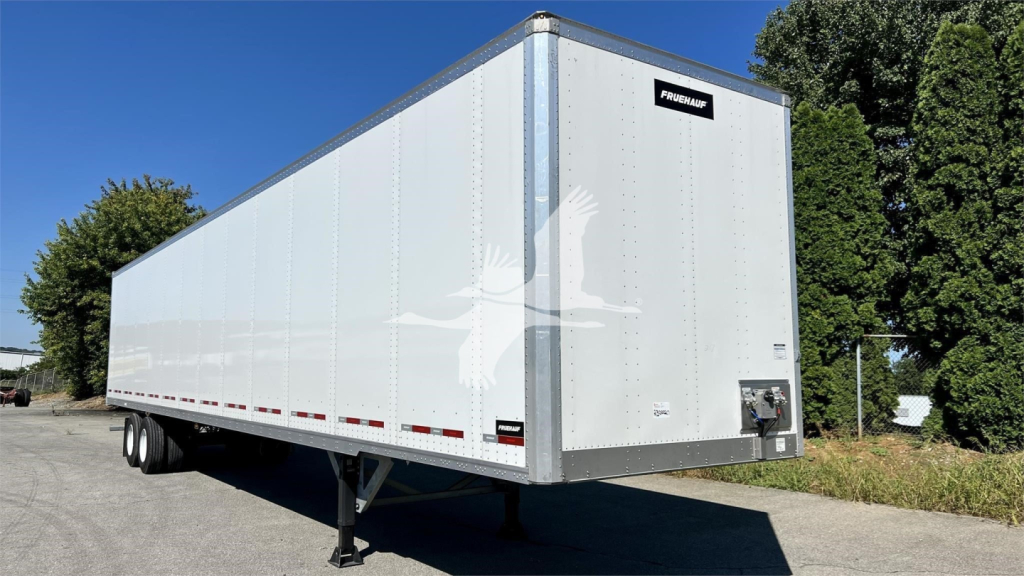
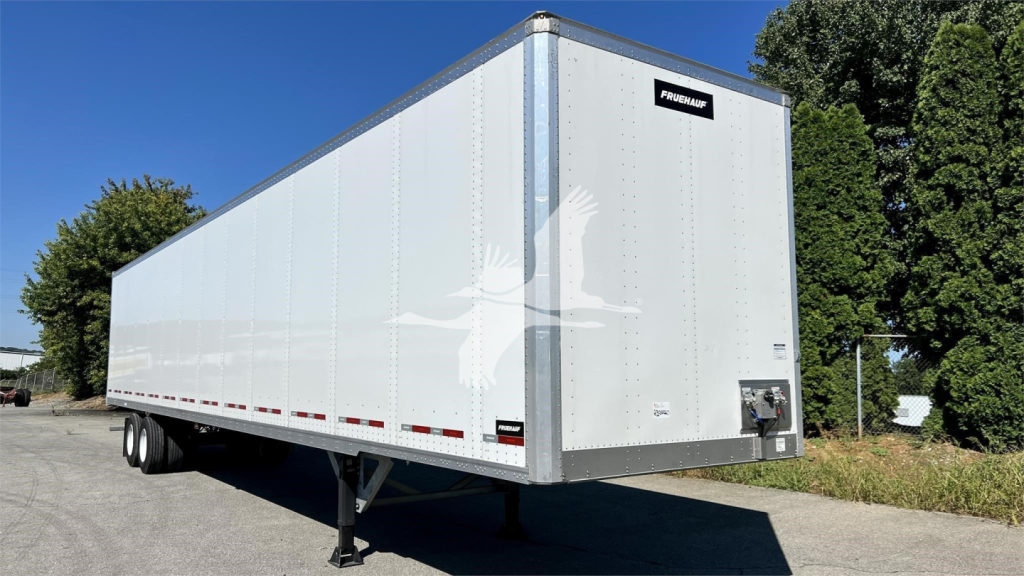
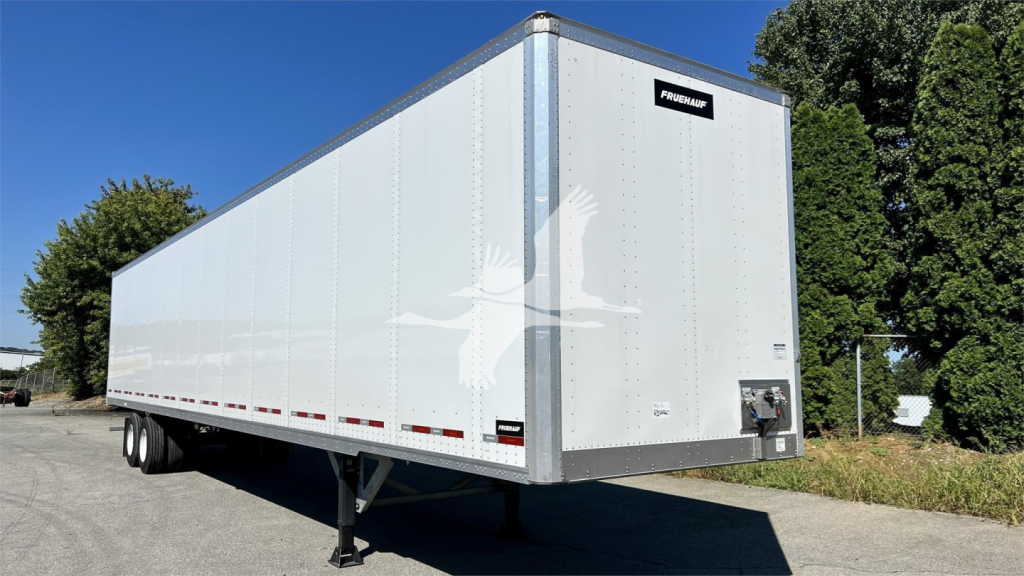
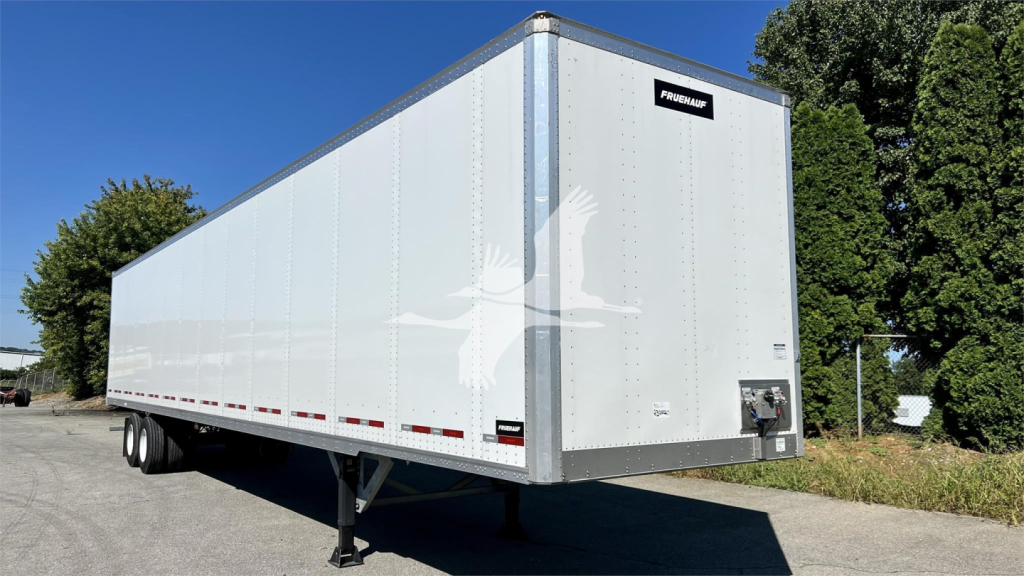
Selling a fruehauf dry van trailer? List your fruehauf dry van trailer for sale and reach thousands of commercial buyers.
Fruehauf Dry Van Trailers in Pennsylvania
Fruehauf's dry van history spans older sheet-and-post bodies and newer plate/composite construction, so verify the actual build rather than relying on the badge. Composite configurations can use galvanized steel skins around a polyurethane core, with logistics posts and protective scuff liners. Inspect panel seams, lower rails, and attachment points for damage; a smooth interior does not establish structural condition. A 53-foot, 102-inch-wide box is a common highway specification, but usable inside width, door opening, and floor rating determine whether the trailer fits the load. Match the published forklift axle rating to the loaded forklift's axle load, not merely the cargo weight.
New-trailer specifications should address suspension, tandem travel, tire size, dock height, cargo securement, and floor construction before ordering. Specify swing or roll-up doors around the delivery operation; roll-up door hardware typically consumes some opening clearance. Confirm which structural and running-gear warranties apply and who handles claims. Qualifying new heavy trailers are subject to the 12% federal excise tax at first retail sale, so establish tax treatment before comparing ownership costs.
On used Fruehauf vans, Pennsylvania winter service makes corrosion underneath the trailer more consequential than faded paint. Inspect crossmembers, landing-gear bracing, suspension hangers, air tanks, brake chambers, and the rear impact guard, including hidden rust around welded joints. Check the wood floor for soft areas, separated laminations, fastener movement, and moisture staining beneath roof seams or door seals. Older trailers warrant close scrutiny of repaired rails and accumulated dock damage; late-model trailers still need checks for forklift impacts and inadequate lubrication. Review maintenance records, brake measurements, tire dates, alignment history, and ABS fault information when available. Confirm that slider pins engage fully and that both landing-gear speeds work under controlled conditions.
Pennsylvania's hills and stop-and-go warehouse approaches put a premium on sound brakes and a tandem position that balances axle loading with turning clearance. Before assigning a long van to a route, verify PennDOT truck-route access, posted bridge limits, and municipal restrictions rather than assuming an interstate configuration works everywhere. An empty scale ticket, legible ratings plate, and documented repairs provide a firmer basis for payload planning than exterior appearance alone.
Frequently Asked Questions about Fruehauf Dry Van Trailers in Pennsylvania
Can I run a 53-foot Fruehauf dry van on every road in Pennsylvania?
No, a 53-foot Fruehauf dry van is not automatically legal on every Pennsylvania road. Longer semitrailers operate under designated-highway and access rules, while local roads can carry additional length, weight, or truck restrictions. Check the complete route, including the final approach to the receiver, against PennDOT guidance and municipal postings. Legal highway dimensions do not guarantee adequate turning room at the destination.
How much payload can a Fruehauf dry van carry?
Legal payload is the permitted loaded combination weight minus the actual tractor-and-trailer operating weight, subject to axle and equipment limits. For ordinary Interstate operation, the federal baseline is 80,000 pounds gross, 20,000 pounds on a single axle, and 34,000 pounds on a tandem, with bridge-formula requirements also applying. Weigh the Fruehauf dry van with its assigned tractor, fuel, and equipment rather than calculating from trailer GVWR alone.
Can a damaged wood floor in a used Fruehauf dry van be repaired?
Localized floor damage can be repaired when the surrounding floor, crossmembers, and attachment structure remain sound. A used Fruehauf dry van with widespread rot, delamination, or corroded supports needs a more extensive repair assessment. Inspect from underneath as well as inside, and require repairs that preserve the intended forklift axle rating. A plywood overlay can conceal deterioration without restoring structural capacity.
Are parts interchangeable between older and newer Fruehauf dry vans?
No, Fruehauf dry van body and structural parts should not be assumed interchangeable across production generations. Identify the trailer by its serial number and build information, then identify axles, suspension, brakes, and landing gear from their own manufacturer tags. Running-gear components may follow supplier specifications, while panels, rails, door assemblies, and repair procedures can differ substantially between body designs.
Can a Fruehauf dry van haul food products?
A Fruehauf dry van can haul food products that do not require temperature-controlled transportation, provided the trailer meets the shipper's sanitation and cargo requirements. Inspect for odors, pests, leaks, residue, and evidence of incompatible prior loads. An enclosed box does not provide refrigeration or reliable freeze protection, so verify the product's permitted temperature exposure before assigning winter or summer routes.