
2026 Dry Van Trailers For Sale in Pennsylvania
Compare 2026 dry van trailers for sale in Pennsylvania by floor rating, interior clearance, salt protection, warranty terms, and axle configuration.
No exact matches found for your search
Showing 2026 Dry Van Trailers instead.
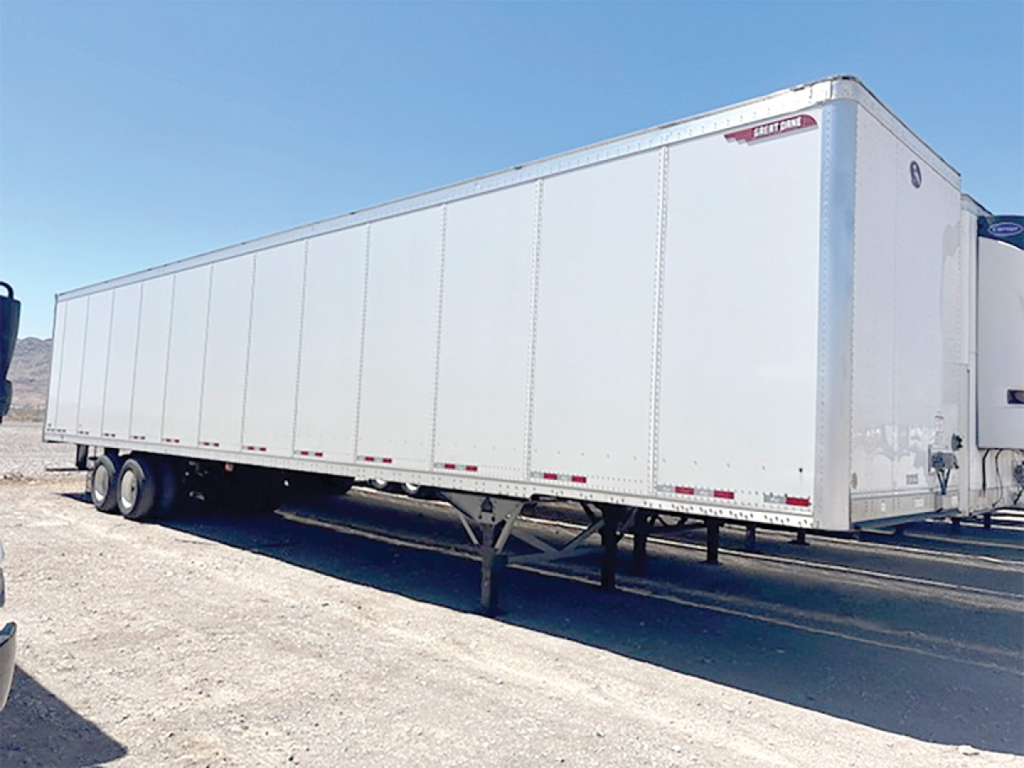
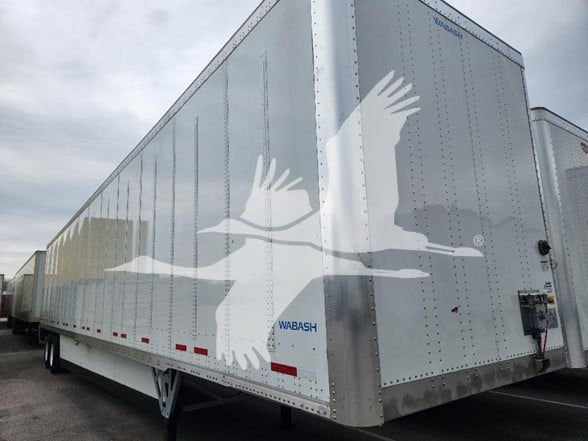
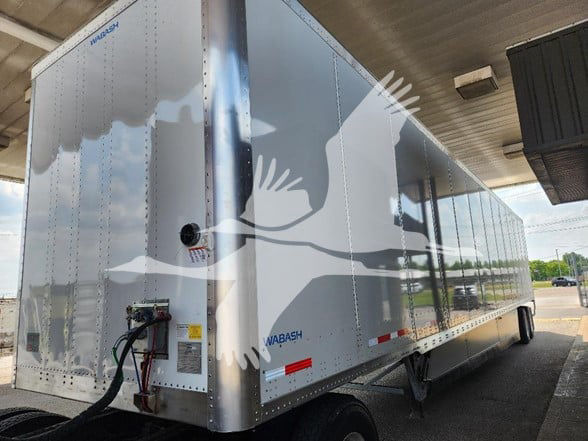
Selling a 2026 dry van trailer? List your 2026 dry van trailer for sale and reach thousands of commercial buyers.
2026 Dry Van Trailers in Pennsylvania
A 2026 model year does not prove that a box trailer is unused or establish when its warranty began. For new trailers, verify the build sheet, component warranties, and whether the transaction is subject to the 12% federal excise tax on qualifying new heavy trailers. For used 2026 vans, request in-service dates, repair invoices, brake and ABS records, and tire history. Inspect floor joints, crossmembers, roof seams, door seals, kingpin wear, and evidence of forklift impacts or structural repairs. Confirm whether any remaining warranty transfers.
Pennsylvania road salt warrants close inspection of landing gear, slider rails, suspension hangers, brake chambers, and rear frames, even on a recently built trailer. Galvanized components resist corrosion but still need inspection at damaged coatings and welded joints. For runs through the Alleghenies or along I-80 and the Pennsylvania Turnpike, prioritize sound brakes, matched tires, and reliable ABS. A sliding tandem helps distribute axle loads, but slider travel, tractor wheelbase, and cargo placement must suit the intended routes.
Frequently Asked Questions about 2026 Dry Van Trailers in Pennsylvania
Should I choose swing doors or a roll-up door on a 2026 dry van?
Swing doors are usually the better choice for maximum rear opening and general dock freight. Roll-up doors suit frequent-stop delivery where the door must open after backing against a dock, but overhead door hardware reduces clearance. For a 2026 dry van trailer, verify dock-seal compatibility and loading practices, then measure the actual clear opening rather than relying on nominal trailer dimensions.
Can a dry van trailer haul food without refrigeration?
A standard dry van trailer is suitable for shelf-stable packaged food, not freight requiring controlled temperatures. Confirm the shipper's temperature and sanitation requirements before assigning the trailer. Inspect previous-cargo records, door seals, odors, pest evidence, and floor cleanliness. Pennsylvania winter cold and summer heat can damage temperature-sensitive products even when a dry van remains clean and watertight.
How much weight can a 53-foot dry van legally haul in Pennsylvania?
An ordinary five-axle tractor and dry van combination is normally limited to 80,000 pounds gross on Interstate routes, subject to axle limits and the federal bridge formula. Common axle limits are 20,000 pounds on a single axle and 34,000 pounds on a tandem. Legal payload is the permitted gross weight minus the actual tractor and trailer weight. Pennsylvania posted bridges and other routes can impose lower limits.
Does a Pennsylvania-registered dry van trailer need an annual inspection?
Yes, Pennsylvania-registered heavy dry van semitrailers require annual state safety inspections. Inspectors check applicable safety items such as brakes, tires, lighting, suspension, and coupling components. A current inspection sticker does not replace a purchase inspection for water intrusion, floor damage, or previous structural repairs. A qualifying state inspection can also satisfy the federal periodic inspection requirement, so verify the supporting inspection record.
Is automatic tire inflation worth specifying on a new dry van trailer?
Automatic tire inflation can reduce underinflation-related tire wear on a dry van trailer, but it cannot repair leaks or prevent every tire failure. Compare the system's pressure setting, warning indicator, and service support before ordering. Match tire pressure to the tire manufacturer's load requirements, and continue checking tread, sidewalls, valve connections, and wheel-end condition during routine inspections.