
2026 Dry Van Trailers For Sale
Compare 2026 dry van trailers for sale by wall construction, forklift floor ratings, axle setup, warranty coverage, and US or Canadian route requirements.
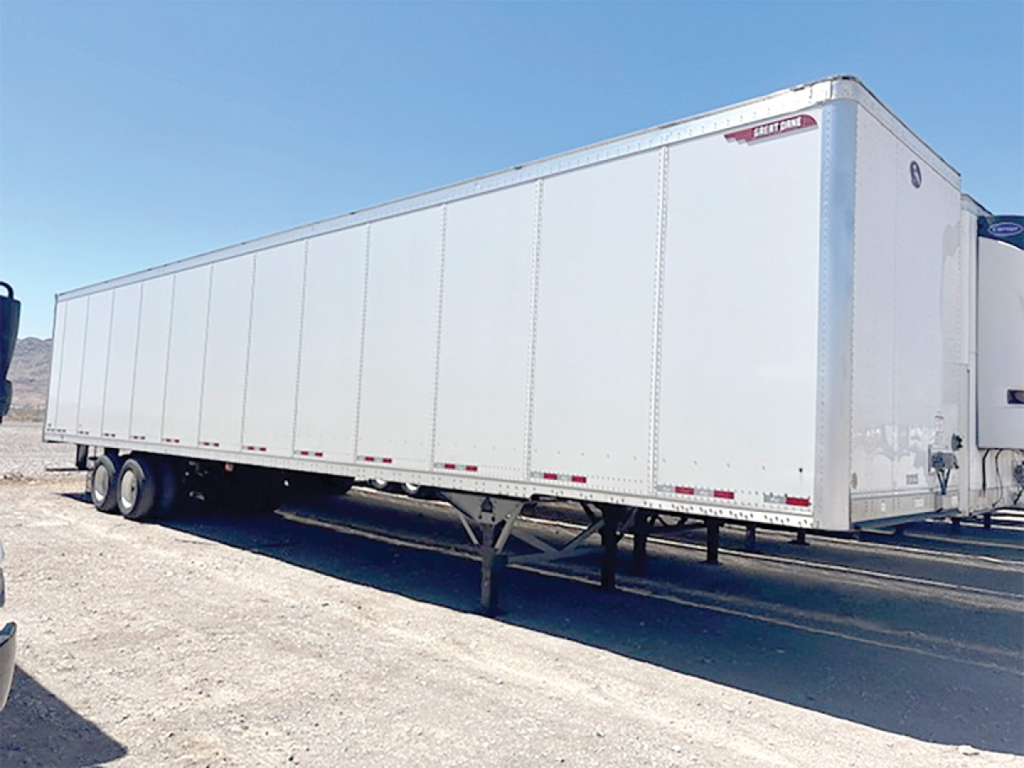
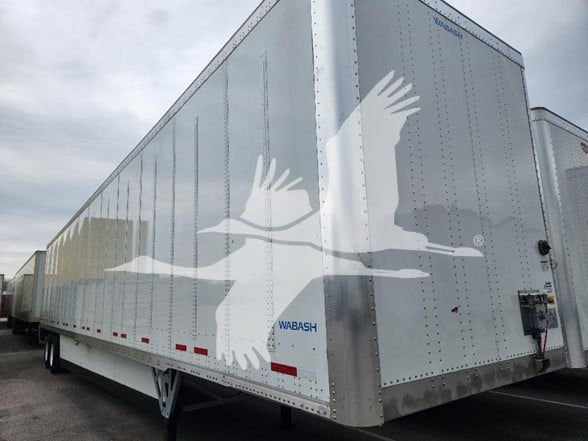
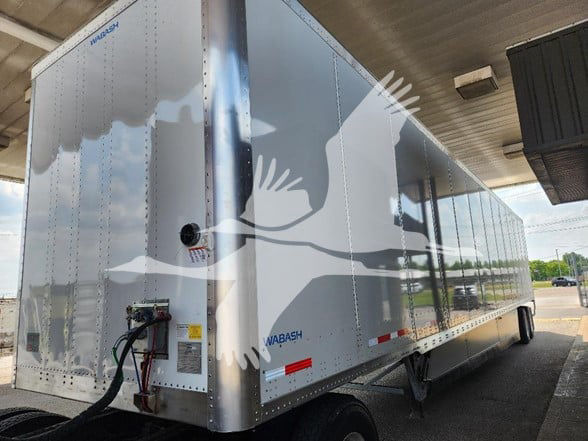
Selling a 2026 dry van trailer? List your 2026 dry van trailer for sale and reach thousands of commercial buyers.
2026 Dry Van Trailers
A 2026 model year does not establish the build date or warranty start date. For new equipment, specify forklift loading capacity, door opening, brakes, tire inflation, and corrosion protection in writing, and confirm structure and component warranty terms. Qualifying new heavy trailers sold in the United States generally incur 12% federal excise tax on the first retail sale.
Used 2026 vans still need a complete inspection, even with little calendar age. Check floor damage beneath forklift paths, roof seams, door seals, upper coupler structure, landing gear, slider pins, brake wear, ABS faults, and repair records. In salted US and Canadian markets, inspect crossmembers, wiring connections, and rear frames for corrosion. Match kingpin setback and tandem travel to state or provincial weight and dimension rules; California-bound operations also need applicable trailer aerodynamic and tire requirements checked. Select skirts and rear aerodynamic devices with dock clearance and yard use in mind, not highway savings alone.
Frequently Asked Questions about 2026 Dry Van Trailers
What floor rating do I need for a 2026 dry van loaded by forklift?
The dry van's published forklift floor rating must cover the loaded forklift under the trailer manufacturer's rating method. Ask whether the rating refers to total forklift weight or a specified axle load, and provide the forklift's loaded axle weights and tire footprint. Paper rolls and other concentrated loads also need review. Trailer GVWR and payload capacity do not establish floor loading capacity.
Should I choose swing doors or a roll-up door on a 2026 dry van?
Swing doors usually provide a taller, wider clear opening than roll-up doors on comparable dry vans. Swing doors suit high-cube freight and conventional dock loading, while roll-up doors suit frequent delivery stops and docks where opening swing doors is awkward. Compare the actual clear opening rather than overall trailer height, and account for the roll-up door's overhead track space and service requirements.
Does a 2026 dry van need skirts and special tires to operate in California?
California's tractor-trailer greenhouse gas rule requires aerodynamic equipment and low-rolling-resistance tires on covered 53-foot dry vans unless an exemption applies. Side skirts are one aerodynamic option, but compliance requires qualifying equipment rather than simply having skirts installed. Check the trailer's operating category, applicable exemptions, and equipment documentation with CARB. A 2026 model-year label or a compliant tractor does not establish the dry van's compliance.
Is automatic tire inflation the same as TPMS on a dry van trailer?
On a dry van trailer, automatic tire inflation replenishes lost air, while TPMS reports tire pressure without adding air. Inflation systems can reduce routine pressure adjustments but cannot make a damaged tire safe to run. Inspect wheel-end hoses, fittings, warning indicators, and air supply components, and confirm whether the selected system reports faults to the driver. TPMS requires someone to respond to its alerts.