
2020 Dry Van Trailers For Sale in Illinois
Compare 2020 dry van trailers for sale in Illinois by floor capacity, salt corrosion, tandem condition, and paperwork before choosing a freight trailer.
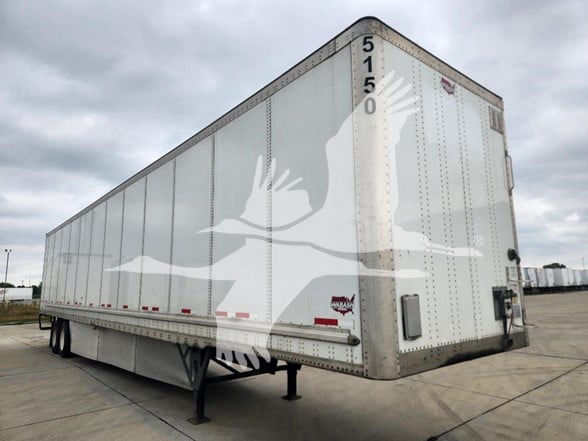

Selling a 2020 dry van trailer? List your 2020 dry van trailer for sale and reach thousands of commercial buyers.
2020 Dry Van Trailers in Illinois
On a 2020 model, inspect original components for age as well as mileage. Illinois winter deicing chemicals can attack crossmembers, landing gear, tandem slider rails, brake hardware, and electrical connections even when aluminum exterior panels look sound. Examine wood flooring from underneath for softened boards, cracked crossmembers, and repairs that interrupt support under forklift paths. Check roof seams, front corners, door seals, and rear threshold for water entry. Operate the slider and confirm every locking pin engages; inspect air bags, bushings, brake wear, and wheel seals. Review maintenance records and ABS fault history, and read tire date codes rather than judging tread alone.
A 2020 trailer represented as new should be evaluated from its existing build sheet, storage history, and written warranty terms, not treated as a fresh factory build. Confirm when warranty coverage begins and whether storage-related deterioration is excluded; qualifying first retail sales of new heavy trailers carry 12% federal excise tax. Used buyers should verify the title, VIN plate, GVWR, and documented structural repairs.
Frequently Asked Questions about 2020 Dry Van Trailers in Illinois
What floor rating do I need for a 2020 dry van trailer?
Match the loaded forklift's axle loading to the dry van floor's documented rating, not to the trailer's GVWR. Obtain the manufacturer's rating definition, including wheel spacing and contact-area assumptions. Dense pallet loads can place substantial stress on individual floor boards and crossmembers even when total cargo weight is legal. Repairs must preserve the support required by that rating.
What weight can a 2020 dry van legally haul in Illinois?
An Illinois Interstate tractor-trailer generally must stay within 80,000 pounds gross, 20,000 pounds on a single axle, and 34,000 pounds on a tandem, subject to federal bridge limits. A 2020 dry van's legal payload is the permitted combination weight minus actual tractor and trailer weight, not its floor capacity. Scale loaded axles after adjusting the sliding tandem and check restrictions on local access roads.
Are swing doors or roll-up doors better for Illinois warehouse work?
Swing doors usually provide more usable opening clearance, while roll-up doors suit frequent delivery stops where opening doors outside the dock is inconvenient. On a 2020 dry van, measure the actual clear opening against the tallest load and loading equipment. Roll-up tracks and the overhead door assembly consume space, and worn rollers, cables, or springs add inspection points.
How do I check the ABS on a used 2020 dry van trailer?
Check the ABS warning lamp's startup self-test and scan the trailer controller for active and stored faults. A 2020 dry van's ABS module can reveal recurring wheel-speed sensor or wiring problems, but it does not provide a truck-style engine history. Inspect harnesses at the axles and slider, and have an air-brake technician verify repairs before service.
Can a 2020 dry van trailer haul packaged food?
A clean, dry 2020 dry van can haul packaged food that does not require temperature control, subject to the shipper's sanitation requirements. Inspect for odors, pest evidence, roof leaks, and residues from previous cargo. Obtain cargo-history information where possible; a clean appearance does not establish suitability after chemical spills. Refrigerated or frozen products require equipment capable of maintaining the specified temperature.