
New Drop Deck Trailers For Sale in Ohio
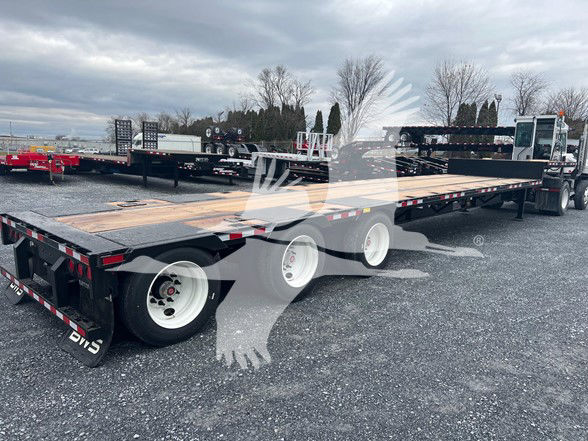
New drop deck trailers for sale in Ohio. Compare steel and combo designs, axle setups, deck heights, ramps, payload ratings, and securement features.
Learn more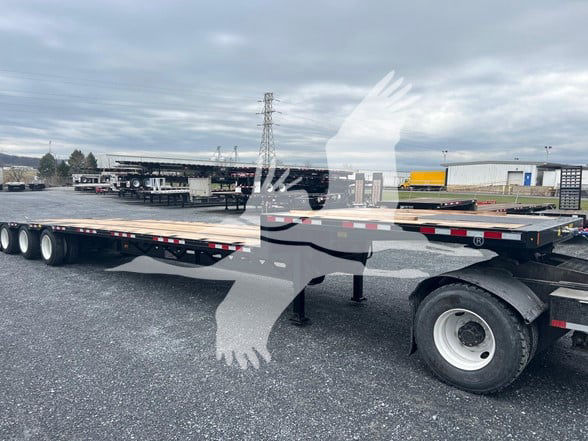
Showing 13 to 14 of 14 results
Have new drop deck trailer to sell? List it here to reach thousands of buyers.
About New Drop Deck Trailers in Ohio
Frequently Asked Questions
What is the main advantage of a drop deck trailer compared with a flatbed?
A drop deck trailer gives you more usable legal load height because the main deck sits lower than a flatbed deck. A standard flatbed often runs around 60 inches deck height, while many drop decks are closer to 40 to 41 inches on the lower deck. That extra clearance can be the difference between hauling a machine legally or needing permits and route planning. You still keep open-deck loading flexibility and common securement options such as winch tracks, sliding winches, chain slots, and pipe spools.
What specs matter most when comparing new drop deck trailers?
Deck height, axle configuration, concentrated load rating, and securement layout should be at the top of the list. Buyers should also compare top deck length, main deck length, kingpin setting, crossmember spacing, floor material, and suspension type. Air ride is common because it helps protect freight and improves ride quality. For harder-use applications, details such as galvanized crossmembers, rear bumpers, same-size bearings, coil package prep, and heavy side rails can affect long-term durability and service costs.
When does a beavertail drop deck make sense?
A beavertail is useful when the trailer will regularly handle self-propelled equipment, forklifts, compact machines, or units that benefit from easier loading angles. Many beavertail drop decks include spring-assisted ramps and traction bars, which reduce loading effort and improve tire grip during wet or muddy conditions. The tradeoff is that the beavertail section changes the usable flat deck area, so it is best suited for buyers who load equipment often enough to justify that design.
Should I choose a tandem axle or tri-axle drop deck trailer?
A tandem axle drop deck is a common choice for general freight because it keeps tare weight lower and works well for a broad mix of legal loads. A tri-axle setup can be the better fit for heavier concentrated loads, higher GVWR needs, or applications where bridge law and axle distribution are a bigger concern. Some tri-axle trailers include a lift axle, which can help tire wear and maneuverability when running empty or lightly loaded. The right choice depends on your freight profile, permit strategy, and how often you haul dense machinery or steel.
What securement features are common on new drop deck trailers?
Most new drop deck trailers are equipped for mixed freight with steel side rails, roadside winch tracks, sliding winches, pipe spools, and wood flooring such as 1 1/8-inch Apitong. Equipment-oriented models may add chain slots, traction aids, coil package features, or deep side rails that accept flat hooks. Crossmember spacing is also important because tighter spacing under the main deck supports durability under forklifts and concentrated loads. Buyers hauling a changing mix of freight usually benefit from a trailer with both strap and chain securement options already built in.