
2028 Dorsey Drop Deck Trailers For Sale
Compare 2028 Dorsey drop deck trailers for sale by loaded deck height, ramp capacity, usable deck length, and inspection needs for cross-border hauling.
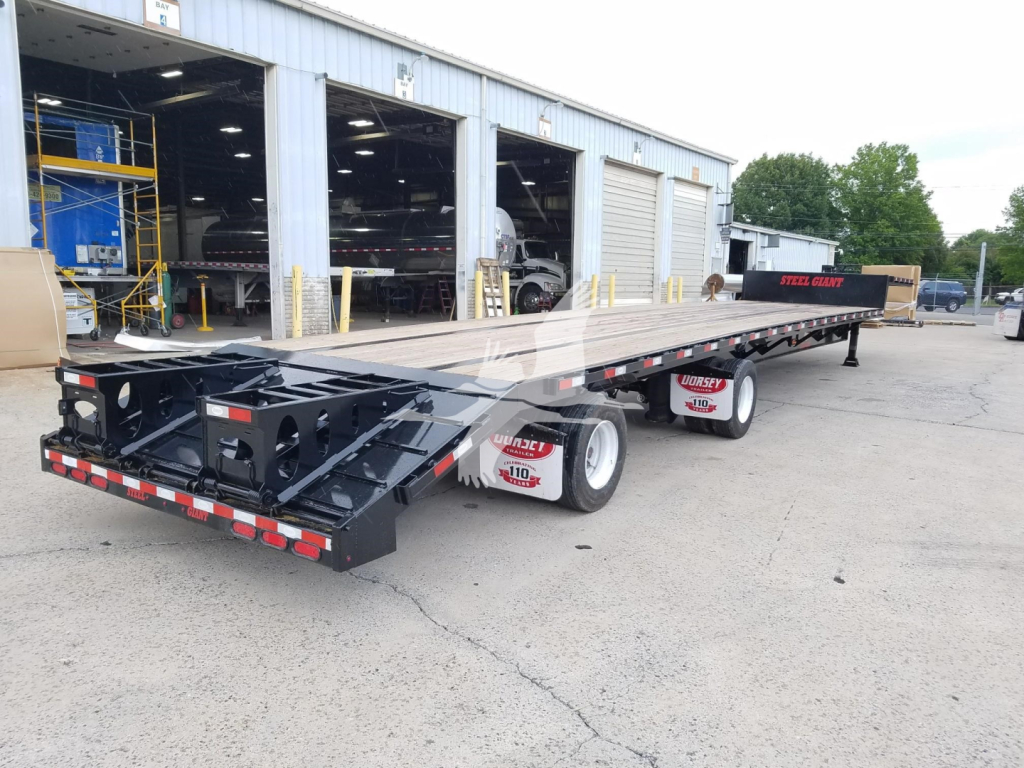
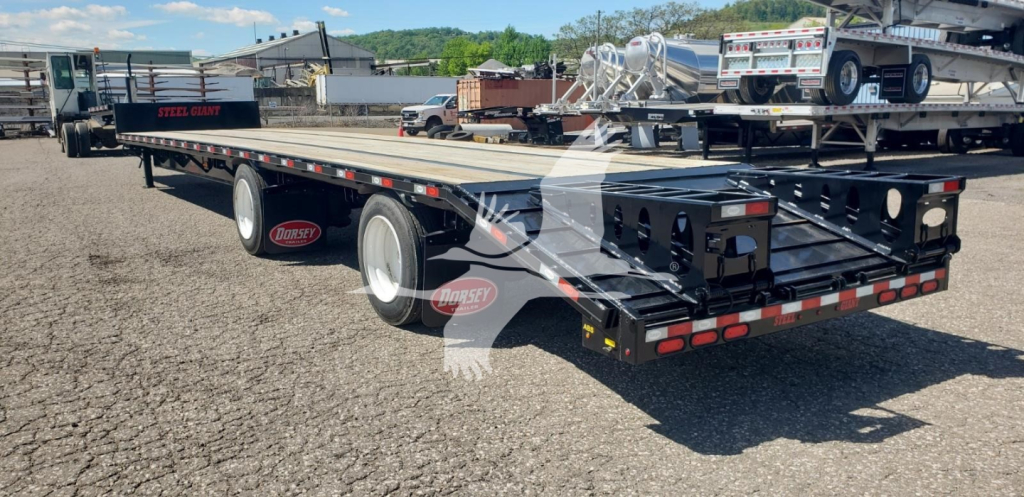
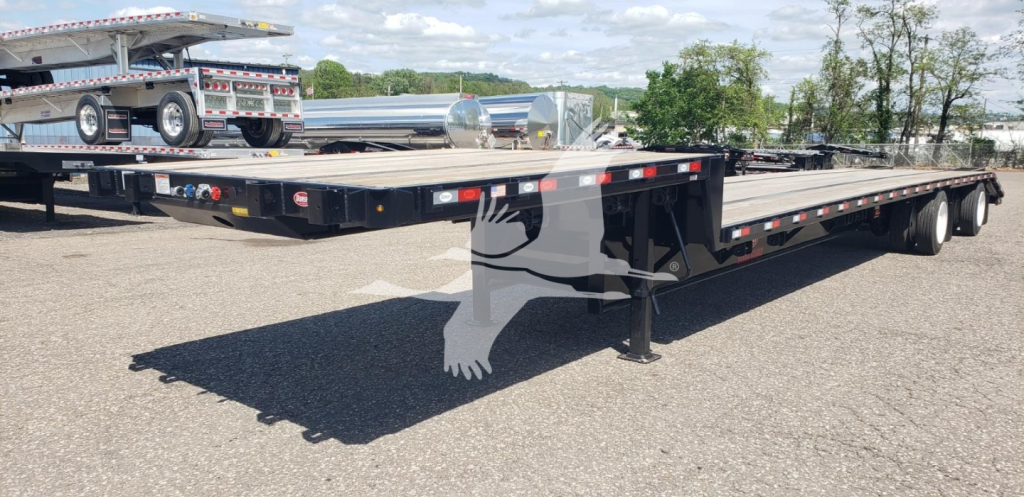
Selling a 2028 dorsey drop deck trailer? List your 2028 dorsey drop deck trailer for sale and reach thousands of commercial buyers.
2028 Dorsey Drop Deck Trailers
The 2028 model-year designation does not establish a new design generation or a particular equipment package. Verify the manufacturer's certification label, VIN model year, and final specification sheet rather than transferring specifications from an older Dorsey. For a new trailer, put ramp capacity, concentrated-load ratings, tie-down locations, and tractor fifth-wheel compatibility in writing. Confirm warranty terms and whether the 12% U.S. federal excise tax applicable to qualifying new highway trailers is included in the transaction.
For a used 2028 single drop, inspect the neck, main beams, suspension hangers, ramp hinges, flooring, brakes, and any repaired cracks, then compare findings with maintenance records. Snow Belt service warrants particular attention to steel corrosion, air lines, and electrical connections. Across the United States and Canada, verify loaded overall height, axle-spacing rules, and route restrictions; cross-border purchases also require review of certification and import requirements.
Frequently Asked Questions about 2028 Dorsey Drop Deck Trailers
What should I check on 17.5-inch tires before using a Dorsey step deck for long-haul work?
Load capacity, speed rating, and approved wheel compatibility are the first checks on a Dorsey step deck with 17.5-inch tires. Verify inflation requirements for the intended axle loads, inspect valve stems and sidewalls, and read tire date codes rather than judging by tread depth alone. Confirm that replacement tires with the correct ratings can be supported along the intended operating routes.
How many chains do I need to secure an excavator on a Dorsey drop deck?
U.S. federal rules generally require at least four tiedowns for an excavator weighing 10,000 pounds or more on a Dorsey drop deck. Tiedowns must meet the applicable working load limit requirements and restrain movement in all directions. Secure accessory equipment as required, use suitable attachment points, and check separate Canadian requirements when hauling across the border.
Will a low-deck Dorsey trailer load equipment with very little ground clearance?
A low main deck does not guarantee that low-clearance equipment can cross a Dorsey trailer's ramps and beavertail without grounding. Check approach angle, the transition onto the beavertail, and the breakover angle where the beavertail meets the level deck. Machine wheelbase, track length, and underbody projections matter as much as nominal deck height. Confirm ramp ratings for the machine's actual loading arrangement.
Can I permanently import a U.S.-spec 2028 Dorsey step deck into Canada?
A 2028 Dorsey step deck must meet Canadian import and certification requirements before permanent import from the United States. Check Transport Canada's admissibility guidance and any applicable Registrar of Imported Vehicles requirements for the exact trailer. Obtain manufacturer compliance documentation and confirm required inspections or modifications before purchase; registration in a U.S. state does not establish Canadian compliance.