
2027 Dragon Trailers For Sale
Shop 2027 Dragon trailers for sale, including vacuum, crude oil, and tank trailer configurations built for oilfield, fluid hauling, and demanding service.
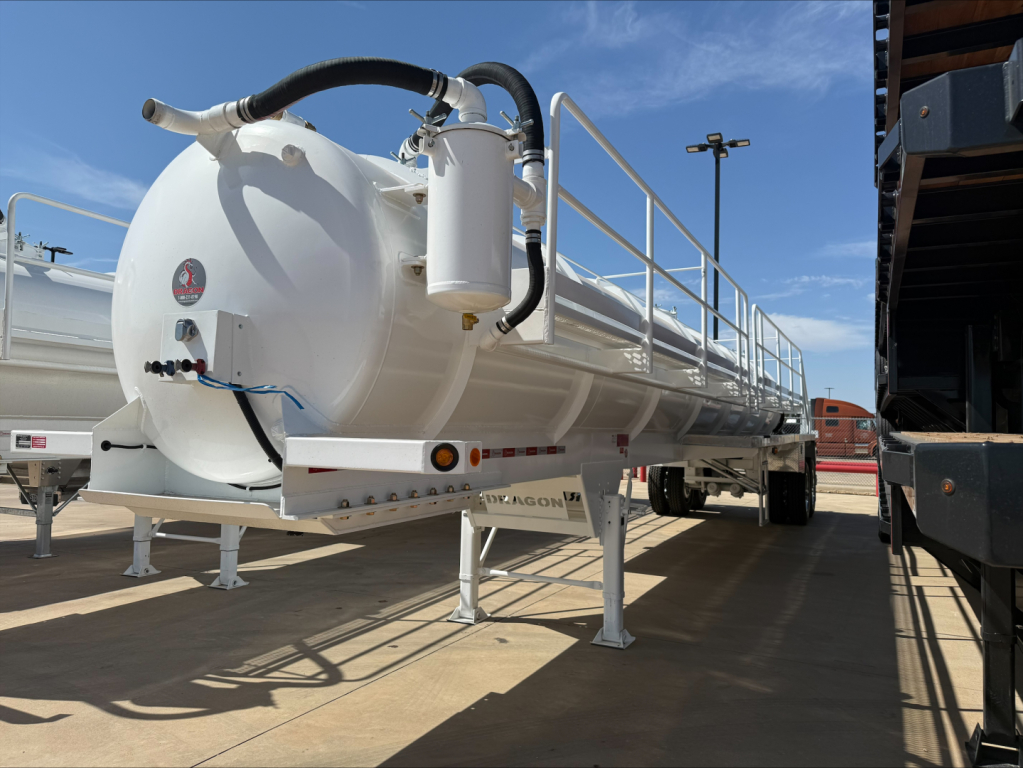
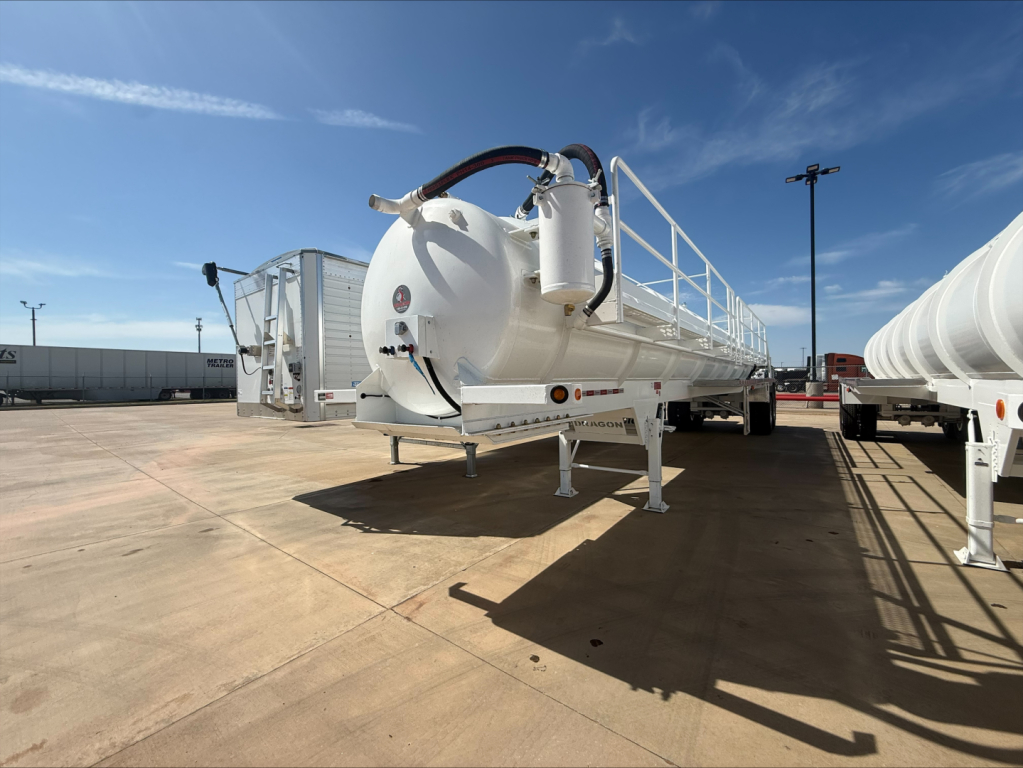
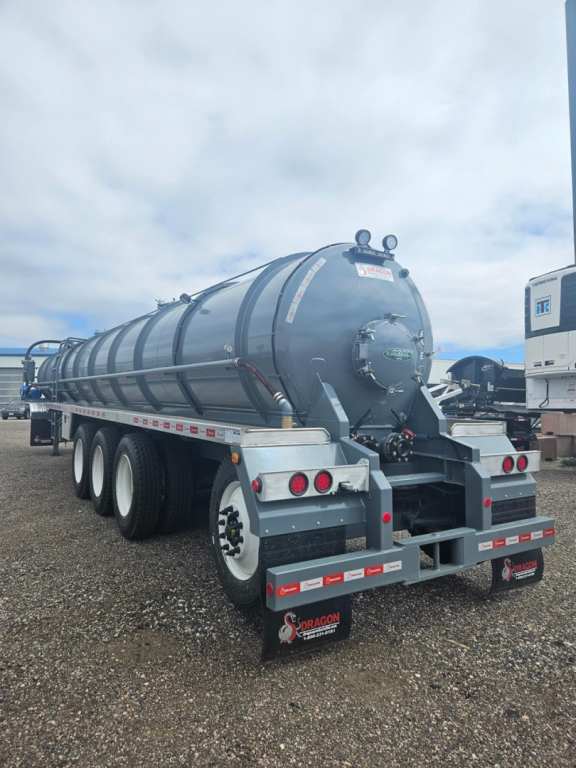
Selling a 2027 dragon trailer? List your 2027 dragon trailer for sale and reach thousands of commercial buyers.
2027 Dragon Trailers
The first decision is usually code versus non-code. If the trailer will haul crude oil or other regulated products on public roads, a coded tank such as a DOT 407 is the key starting point. If the job is water, saltwater, or lease service fluid in a non-regulated application, a non-code vacuum or water tank may be the better fit and usually keeps acquisition cost and maintenance complexity lower. Capacity is only part of the equation. Buyers should also look closely at compartment count, baffling, sump layout, dome lid access, vapor recovery, bottom-load equipment, and whether the trailer is set up with a pump or prepared for a specific vacuum package such as a Fruitland system.
Running gear and serviceability have a direct effect on uptime. Dragon trailers in this class are commonly spec'd with air ride or spring suspension, tandem or tri-axle layouts, 11R22.5 or 11R24.5 tires, and steel or aluminum wheel packages depending on duty cycle and weight targets. A rear lift axle can be valuable on higher-capacity vacuum trailers, especially where maneuverability and tire wear are concerns. Buyers should inspect brakes, ABS function, hub condition, landing gear, kingpin wear, and frame condition, but tank-specific items deserve equal attention. On used tank trailers, current test status, internal condition, lining condition, valve integrity, pressure and leakage results, and gasket condition can be more important than paint or fenders.
Dragon has a strong presence in regions where oilfield trailers need to be simple, durable, and easy to keep working. That makes spec matching especially important. A crude oil hauler may need aluminum construction for weight savings, vapor recovery, a bottom-load setup, and product-compatible seals. A vacuum tank buyer may prioritize barrel capacity, sight glasses, work lights, tow hooks, pump brand, and straightforward cleanout access for faster turnaround in the field. The best 2027 Dragon trailer for sale is the one whose tank code, capacity, axle group, and fluid-handling equipment match the actual route, commodity, and service interval of the job.
Frequently Asked Questions about 2027 Dragon Trailers
What types of 2027 Dragon trailers are most common?
The most common Dragon trailers in this market are vacuum trailers, water vacuum tanks, and crude oil tank trailers. Vacuum and water units are often non-code tanks used in oilfield service, produced water, and lease work. Crude oil models are typically coded tank trailers, often DOT 407, built for regulated petroleum hauling with the required valves, vapor recovery components, and inspection compliance.
What is the difference between a non-code vacuum trailer and a DOT 407 tank trailer?
A non-code vacuum trailer is generally intended for non-regulated fluid service such as water, saltwater, and oilfield waste streams where a coded hazmat tank is not required. A DOT 407 tank trailer is designed for regulated liquid hazardous materials and must meet specific federal construction, testing, and safety requirements. Buyers need to match the tank type to the commodity being hauled, not just to the capacity they want.
What capacity should I look for in a Dragon tank trailer?
Capacity depends on the fluid, legal weight, and route conditions. Dragon trailers in this segment are commonly seen around 130 BBL, 165 BBL, and 200 BBL, as well as gallon-rated crude tanks such as 8,400-gallon units. Higher capacity can improve productivity, but payload, axle spread, tare weight, and state bridge laws still determine what is practical and legal on the road.
Which specs matter most on a vacuum trailer?
The important specs are barrel capacity, pump setup, suspension type, axle configuration, and how the tank is laid out internally. Buyers should also review baffle design, compartment count, sight glasses, dome lids, cleanout access, rear lift axle options, tire size, and whether the trailer is already equipped for the intended vacuum pump package. Field serviceability matters because vacuum trailers often work in demanding environments where downtime is expensive.
What should I inspect on a used Dragon tank trailer?
Tank condition and test status should be at the top of the list. Inspect the shell, internal lining if applicable, valves, vents, emergency valve components, gaskets, cleanouts, and all product-contact seals. Also verify current inspection and test documentation where required, including pressure, leakage, internal and external tests on coded tanks. Standard trailer items such as brakes, suspension, kingpin, ABS, tires, hubs, lights, and frame condition still matter, but tank-system integrity is what usually drives repair cost and compliance risk.