
Used 2025 Dorsey Trailers For Sale
Shop used 2025 Dorsey trailers, including flatbed models with steel construction, Apitong floors, sliding tandems, and 80,000 lb GVWR.
Have used 2025 dorsey trailer to sell? List it here to reach thousands of buyers.
Used 2025 Dorsey Trailers
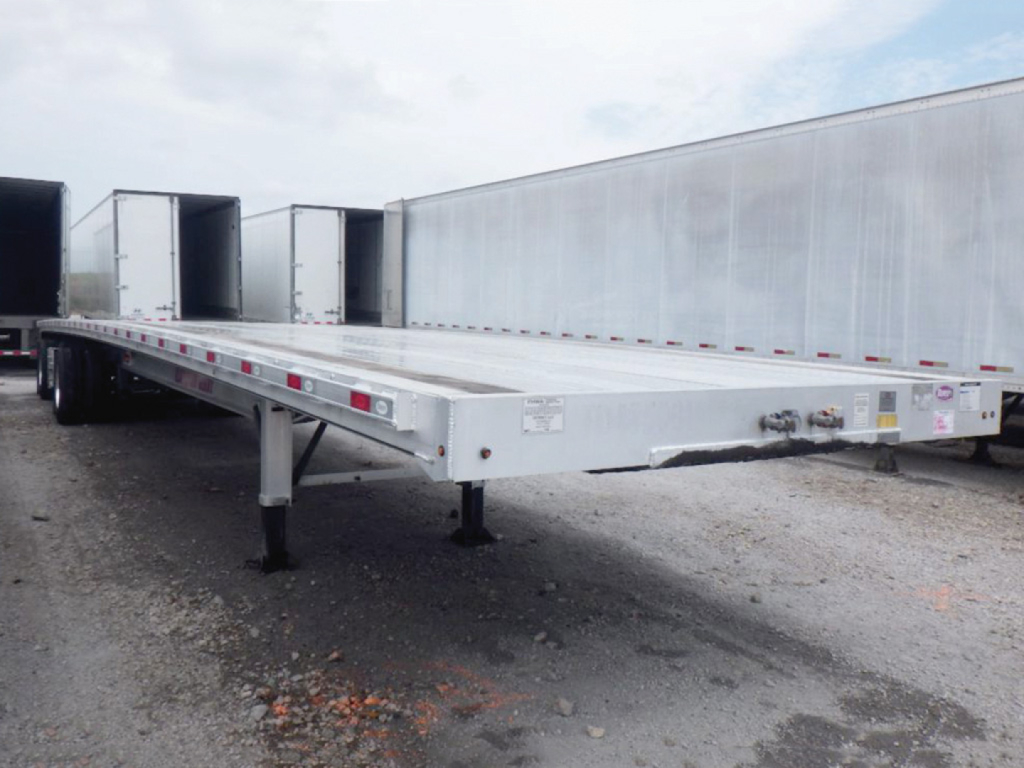
A close look at the deck and securement layout matters more than the badge on the nose. Dorsey flatbeds commonly show up with 1 1/8-inch Apitong flooring, full or roadside winch tracks, sliding winches, double pipe spools, and structural channel side rails. Buyers comparing used 2025 trailers should check crossmember spacing, side rail condition, flooring wear around forklift contact points, and any repairs at the rear frame, suspension hangers, or kingpin area. A 53-foot steel flatbed usually gives more deck space for mixed freight, while a 48-foot trailer may be a practical choice for regional operations that want a little less trailer weight and easier maneuvering.
Running gear is another major factor. Many trailers in this class use tandem axles with a sliding tandem setting around 49 inches, spring ride suspension, 295/75R22.5 tires, hub-piloted steel wheels, and two-speed landing gear. Common GVWR figures are around 80,000 pounds, but buyers should compare empty weight against expected payload because tare weight can vary meaningfully between 48-foot and 53-foot steel models. Tire age, brake lining life, drum or rotor condition, bushing wear, and alignment history will tell you more about future operating cost than cosmetics will. Kingpin setting, axle spread, and suspension type should also match the freight lanes and bridge-law needs of your operation.
For a used 2025 Dorsey trailer, the best value usually comes from matching the trailer to the freight instead of chasing the lowest price. Steel flatbeds tend to appeal to fleets and owner-operators who prioritize ruggedness and repair familiarity over the lighter weight of some aluminum alternatives. If the trailer will haul coils, dense construction freight, or frequent chain-and-binder loads, pay extra attention to frame integrity, floor fasteners, winch function, and any distortion in the rub rail or side rail. Dorsey remains a known name in the open-deck market, and a clean used unit with the right deck specs and securement setup can fit a wide range of commercial hauling applications.
Frequently Asked Questions about Used 2025 Dorsey Trailers
What types of Dorsey trailers are most common in the used 2025 market?
Flatbed trailers are among the most common Dorsey trailers buyers will encounter, especially steel flatbed configurations used in general open-deck freight service. Typical setups include 48-foot and 53-foot decks, tandem axles, 102-inch width, wood floors such as Apitong, and standard securement features like winch tracks and sliding winches. The exact configuration matters more than model naming, so buyers should focus on deck construction, tare weight, and securement layout.
What should I inspect first on a used Dorsey flatbed trailer?
Start with the frame, floor, suspension, brakes, and securement system. Check the main rails, crossmembers, rear impact area, and kingpin plate for cracks, corrosion, weld repairs, or signs of overload. Inspect the Apitong or wood deck for rot, loose fasteners, and forklift damage. Then review spring hangers, tandem slide operation, brake components, tire condition, and the condition of winch tracks, sliding winches, pipe spools, and side rails. These areas have the biggest impact on safety, maintenance cost, and useful life.
Is a 48-foot or 53-foot Dorsey flatbed better for most buyers?
It depends on freight mix and operating area. A 53-foot flatbed offers more usable deck space and is often preferred for longer, more varied loads or customers that regularly need maximum trailer length. A 48-foot flatbed can be easier to maneuver, may carry slightly less empty weight, and can work well in regional service or in operations hauling shorter freight. Buyers should choose based on load profile, route restrictions, and payload needs rather than assuming longer is always better.
Are steel Dorsey trailers a good choice compared with aluminum flatbeds?
Steel flatbeds are commonly chosen for durability, repair familiarity, and lower upfront cost in the used market. They are often well suited for dense freight, construction materials, and demanding loading environments where toughness matters. The tradeoff is higher tare weight compared with aluminum, which can reduce payload in weight-sensitive applications. Buyers hauling heavier but shorter freight may prefer steel, while buyers trying to maximize legal payload may look harder at aluminum options.
What specs matter most when comparing used 2025 Dorsey trailers?
The most important specs are trailer length, empty weight, floor type, axle and suspension setup, kingpin setting, tire size, and securement equipment. Buyers should also compare GVWR, crossmember spacing, side rail construction, landing gear brand, tandem slide position, and whether the trailer has full-length or roadside-only winch tracks. These details affect payload, loading flexibility, serviceability, and how well the trailer fits the freight you plan to haul.