
Dorsey Trailers For Sale in Illinois
Shop Dorsey trailers for sale in Illinois, including lightweight aluminum flatbeds built for payload, durability, and regional or over-the-road work.
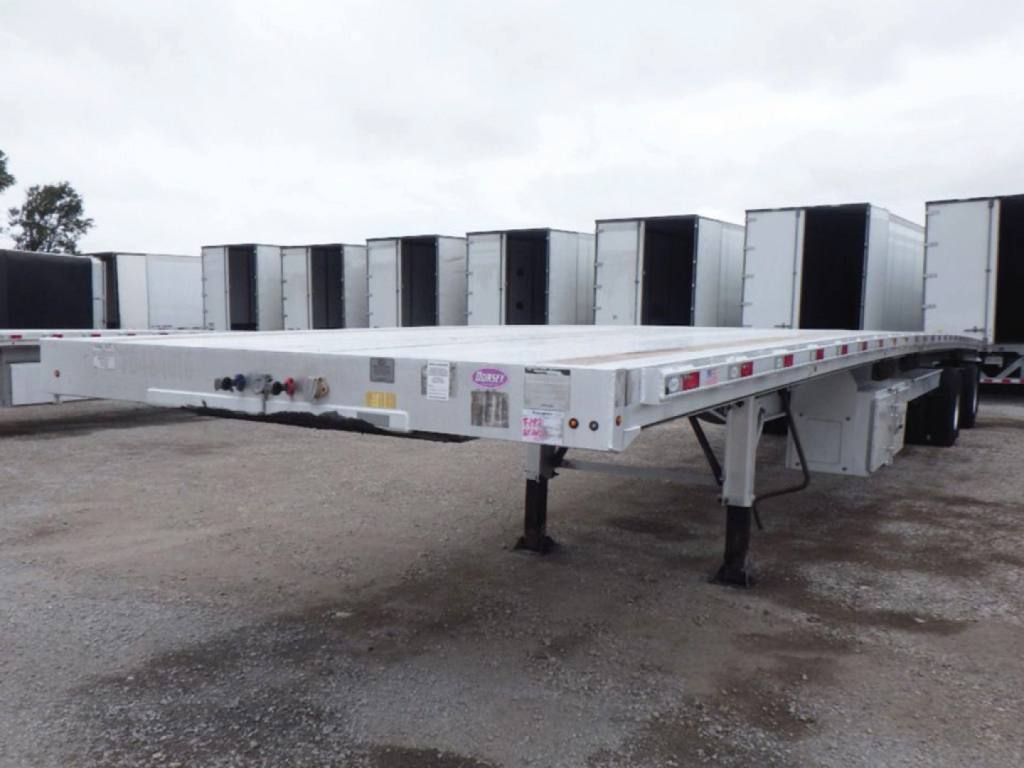
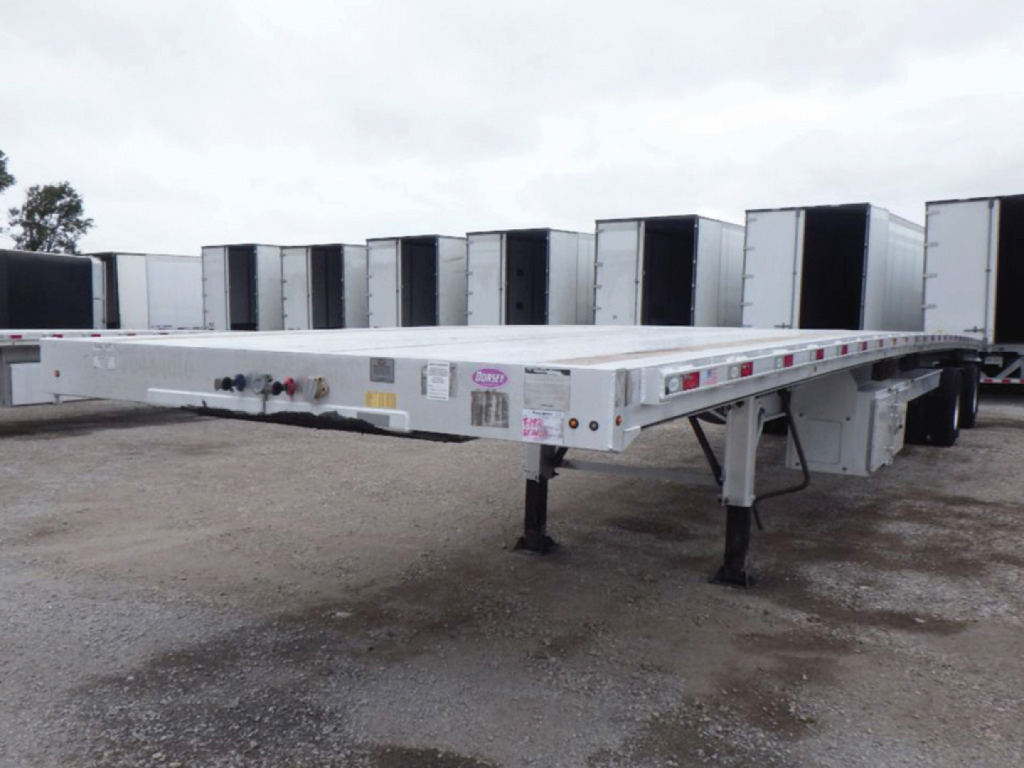
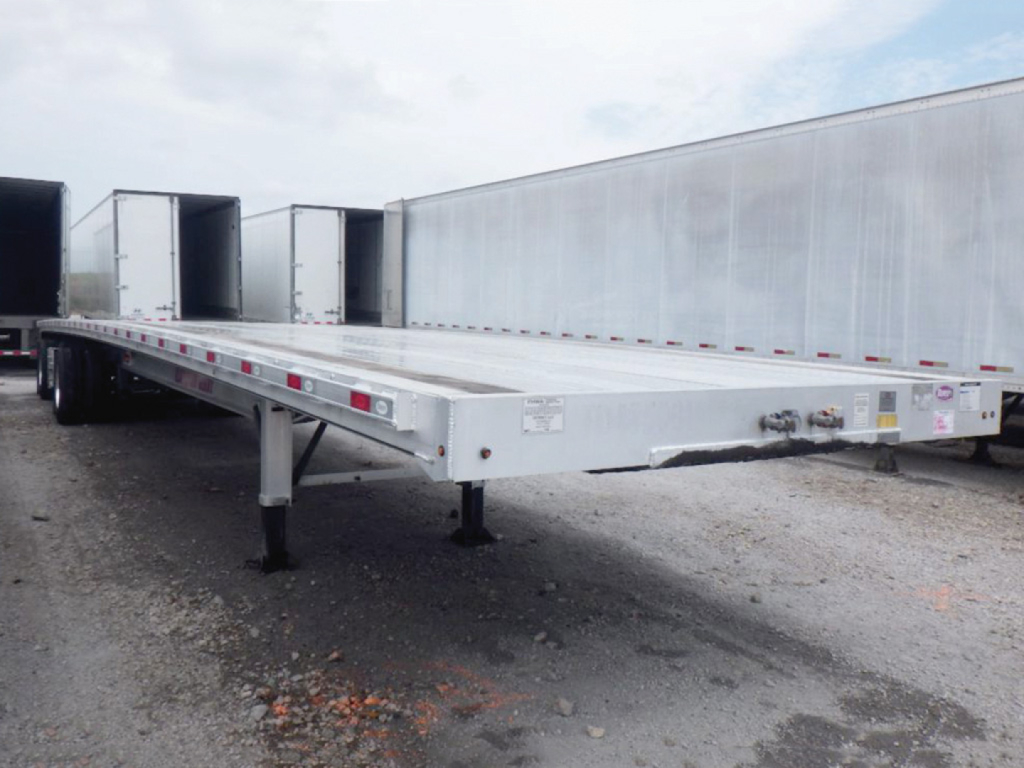
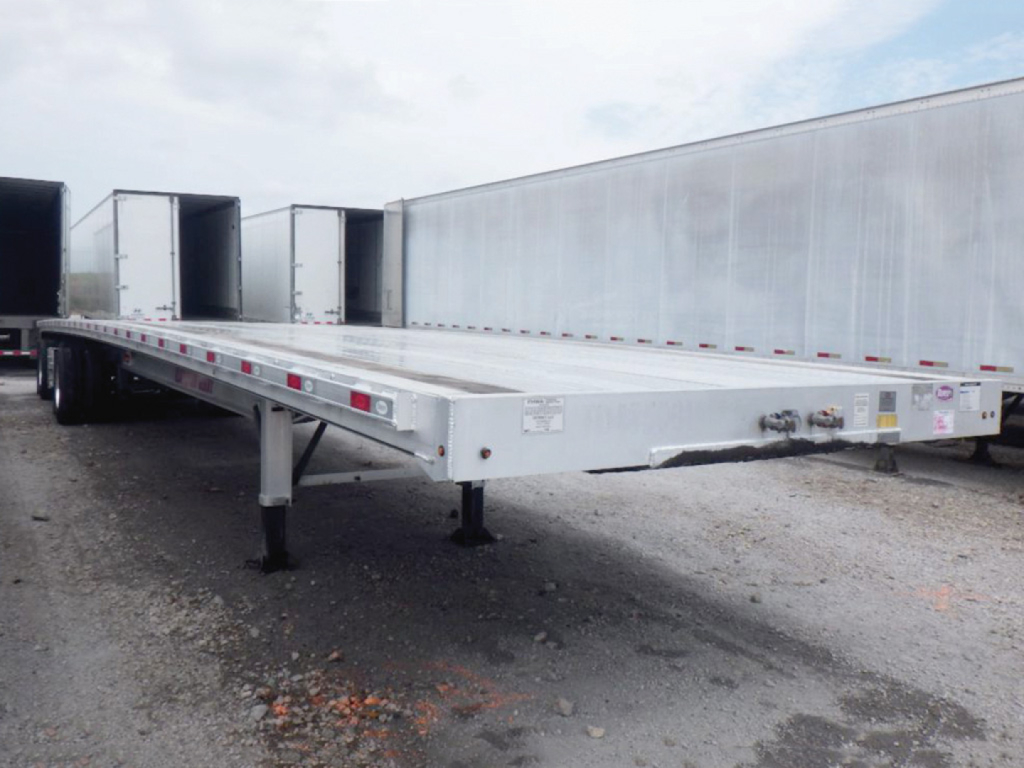

Looking for the easiest place to sell your dorsey trailer? List it here to reach thousands of buyers.
Dorsey Trailers in Illinois
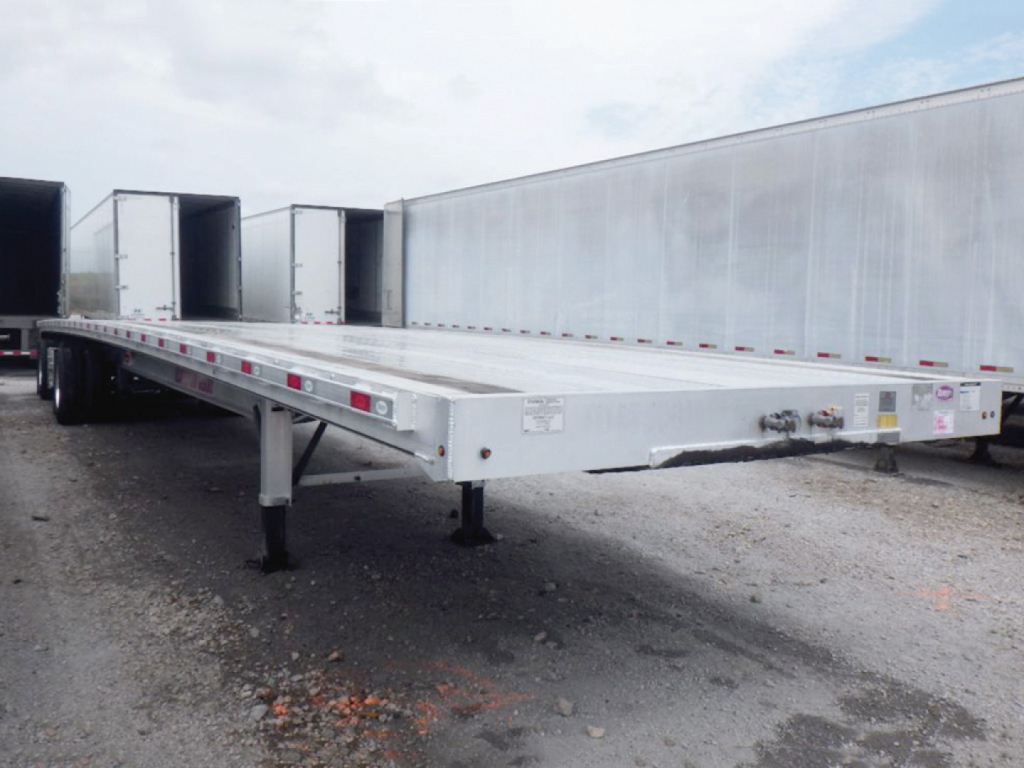
One of the biggest buying decisions is aluminum versus steel or combo construction. Dorsey aluminum flatbeds appeal to operators who prioritize payload and corrosion resistance, particularly in Midwest service where weather, road salt, and year-round exposure can shorten the life of heavier painted components. Buyers should still look closely at crossmember spacing, floor construction, axle spacing, suspension brand, and how the trailer is equipped for securement work. Features like winch tracks, sliding winches, coil package prep, toolboxes, dunnage racks, and tire inflation systems can make a real difference depending on the freight mix. Spread axle configurations are common on flatbeds because they help distribute weight, but they can also affect maneuverability and tire scrub in tight urban yards.
Illinois operators also need to think about lane profile and loading environment. A lightweight Dorsey flatbed used for regional construction materials may be spec'd differently than one running long-haul industrial freight across multiple states. Air ride is a popular choice for ride quality and cargo protection, especially with mixed freight or sensitive loads. Wheel choice, tire size, deck height, and kingpin setting all play into bridge compliance, loading dock compatibility, and how the trailer tracks behind the tractor. If the work includes dense commodities like steel, coil-hauling options and axle placement deserve extra attention. If the priority is maximizing legal payload on general freight, an all-aluminum trailer usually moves to the top of the list.
Dorsey remains a familiar name for buyers who want a flatbed trailer that is easy to place into regular commercial service without overcomplicating the spec. The best evaluation usually comes down to tare weight, structural condition, suspension setup, and how closely the trailer's deck and securement package match the freight it will actually haul. On newer trailers, pay attention to warranty support, LED lighting, brake configuration, and wheel-end components. On any used Dorsey trailer, inspect floor wear, side rail condition, landing gear, brakes, bushings, and signs of frame damage or hard-loading fatigue. A well-matched Dorsey flatbed can be a productive choice for Midwest freight, especially when payload, simplicity, and long service life are the main priorities.
Frequently Asked Questions about Dorsey Trailers in Illinois
What are Dorsey trailers most commonly used for?
Dorsey trailers are commonly used in flatbed service for hauling steel, lumber, machinery, building materials, palletized freight, and other open-deck loads. Their specs are often geared toward general freight versatility, with many buyers choosing them for regional and over-the-road applications where low trailer weight and practical securement options matter.
Why do buyers choose an all-aluminum Dorsey flatbed?
An all-aluminum Dorsey flatbed is usually chosen to reduce tare weight and increase legal payload. Aluminum construction also offers strong corrosion resistance, which is valuable in states like Illinois where trailers see moisture, winter chemicals, and year-round exposure. The tradeoff is that buyers should pay close attention to floor condition, repair history, and whether the trailer's structure matches the intended freight.
Is a spread axle Dorsey trailer better than a tandem axle model?
A spread axle Dorsey trailer can improve weight distribution and help with certain legal loading situations, which is why it is common on flatbeds hauling heavier or denser freight. A tandem axle trailer is often easier to maneuver in tighter spaces and may reduce tire scrub during frequent turns. The better choice depends on freight density, route type, yard conditions, and state bridge considerations.
What should I inspect on a used Dorsey flatbed trailer?
Key inspection points include the frame, crossmembers, aluminum floor, side rails, suspension components, brake system, wheel ends, landing gear, and lighting. Buyers should also look for evidence of overloading, cracked welds, deck damage from forklifts, uneven tire wear, and any securement equipment that has been heavily used or poorly repaired. A lightweight trailer only pays off if the structure is still sound.
What specs matter most when comparing Dorsey flatbed trailers?
The most important specs usually include trailer length, width, axle configuration, suspension type, frame and floor material, tare weight, and securement equipment. Buyers should also compare deck height, wheel package, kingpin setting, and available options like toolboxes, dunnage racks, sliding winches, and coil package features. Those details determine how well the trailer fits the freight, route, and tractor it will be paired with.