
Used Fontaine Curtainside Trailers For Sale
Used Fontaine curtainside trailers for sale: compare Infinity chassis construction, curtain wear, coil ratings, and axle layouts before choosing a trailer.
No exact matches found for your search
Showing Used Curtainside Trailers instead.
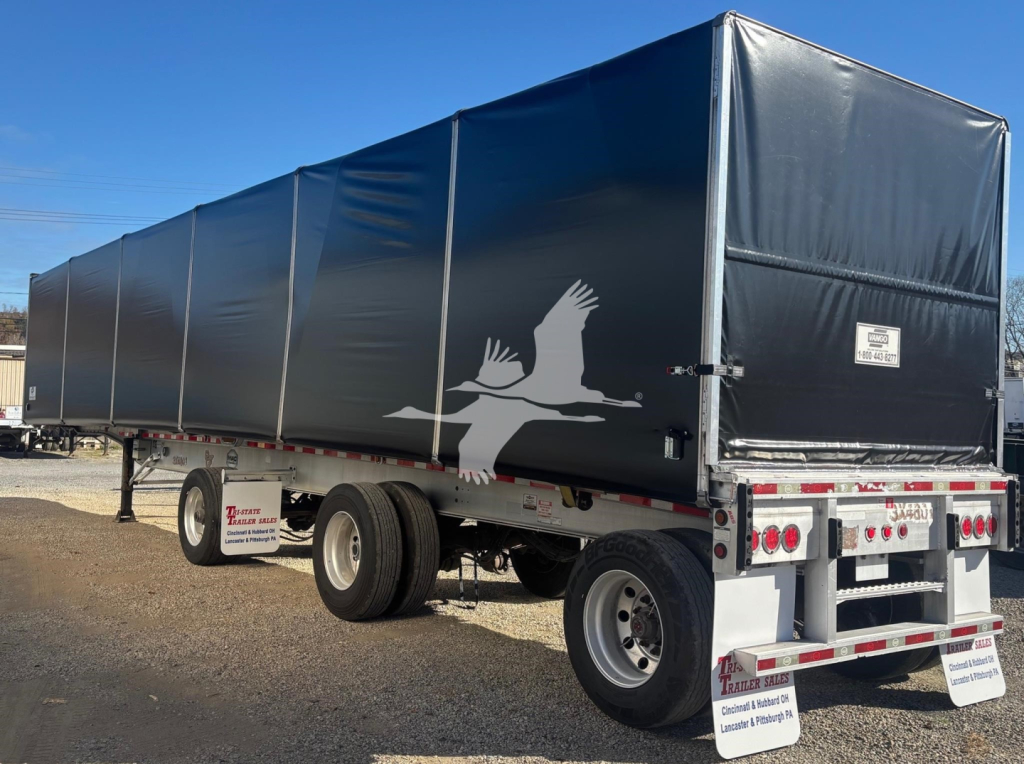
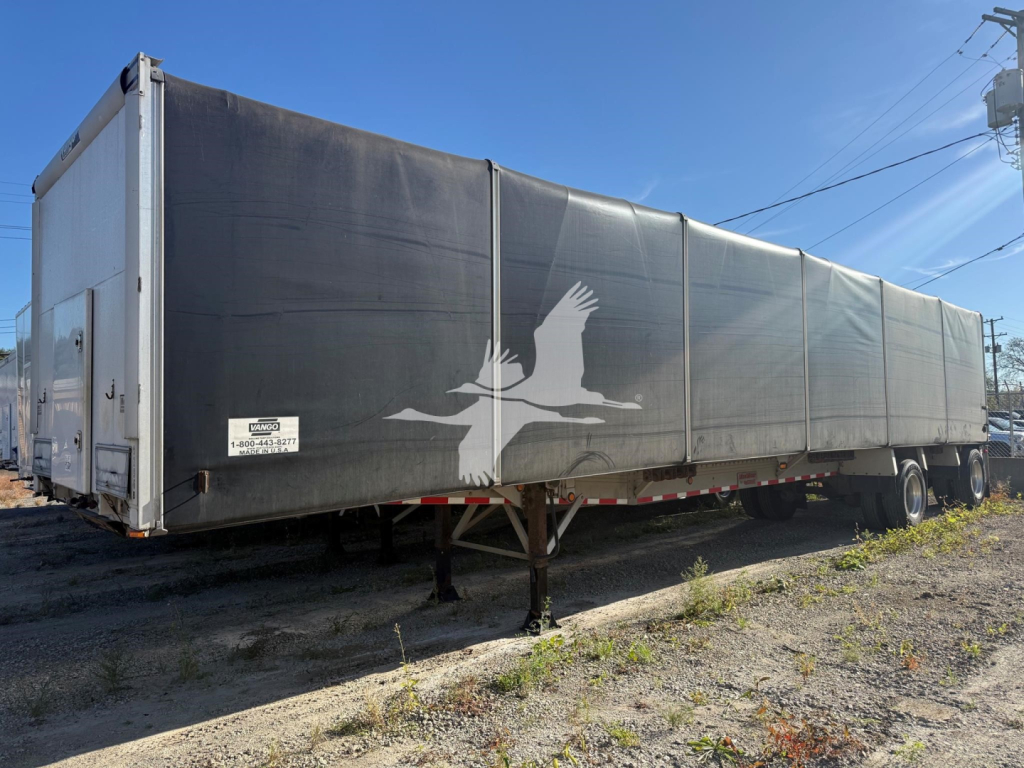
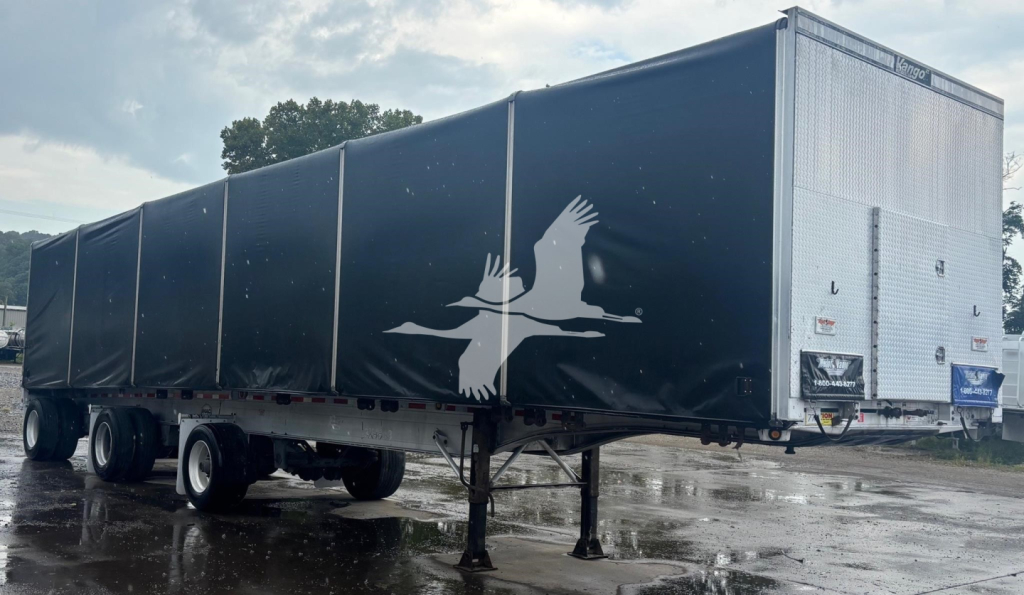
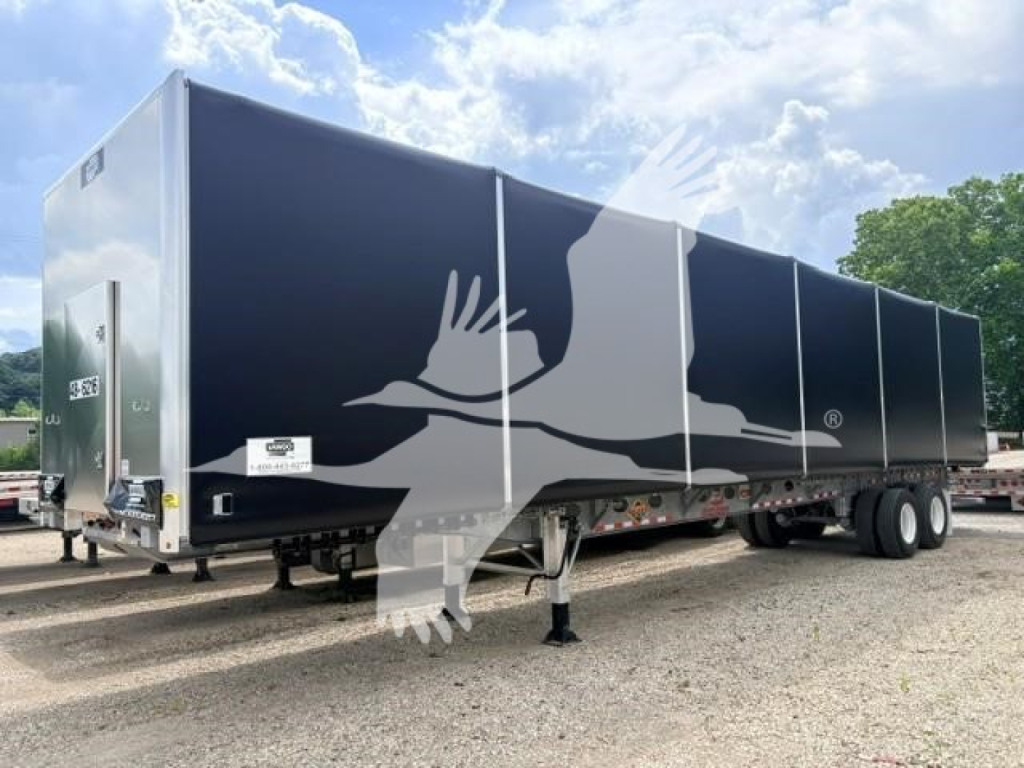
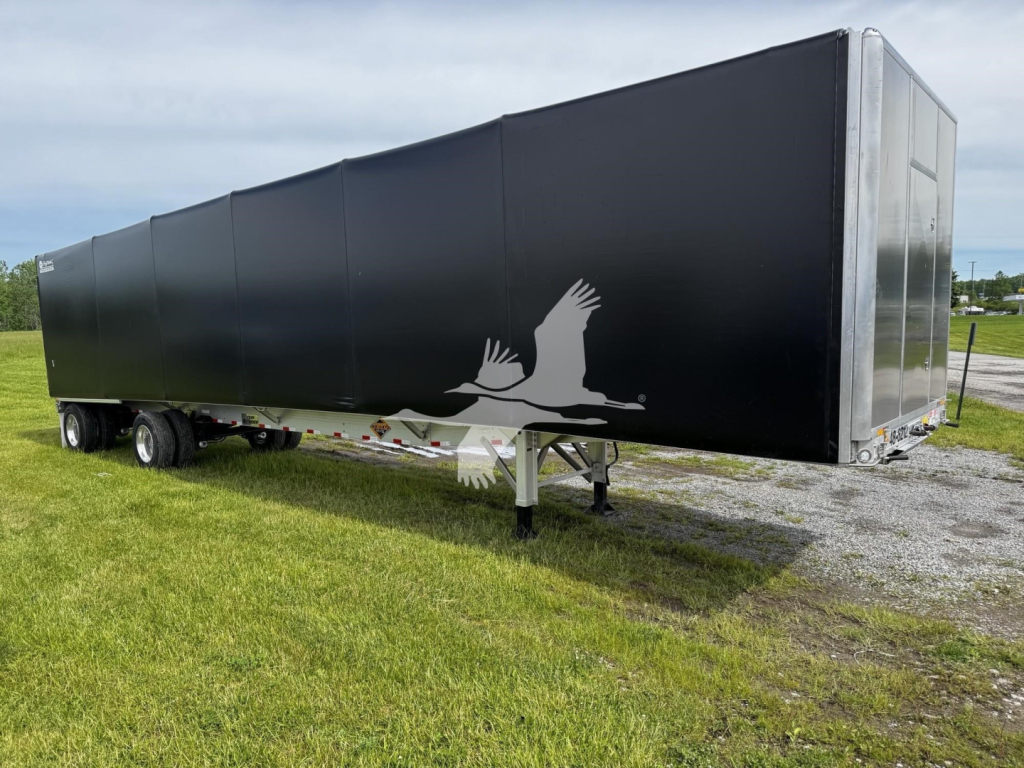
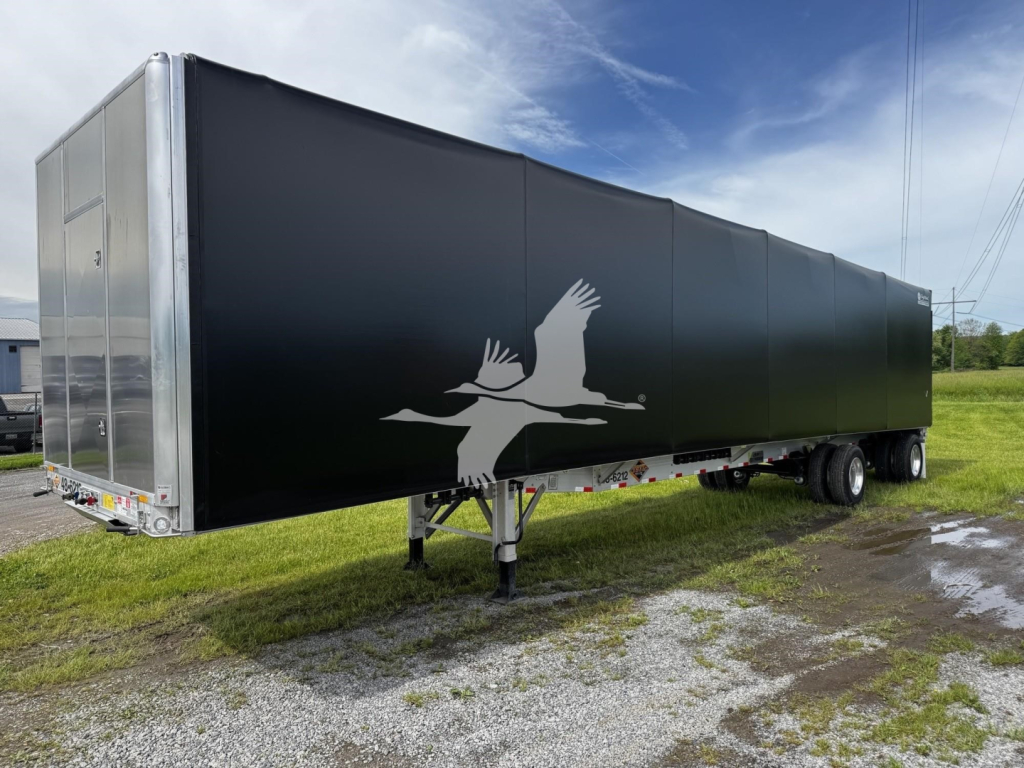
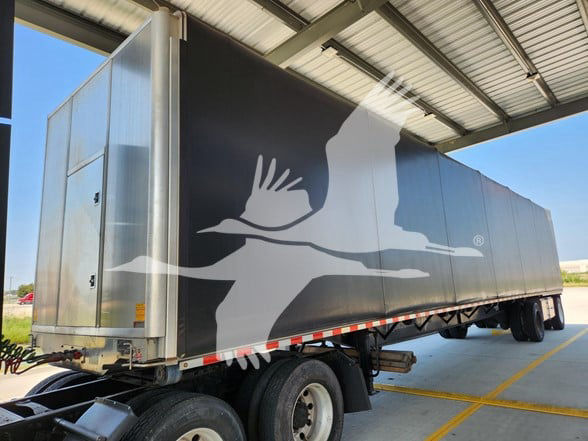
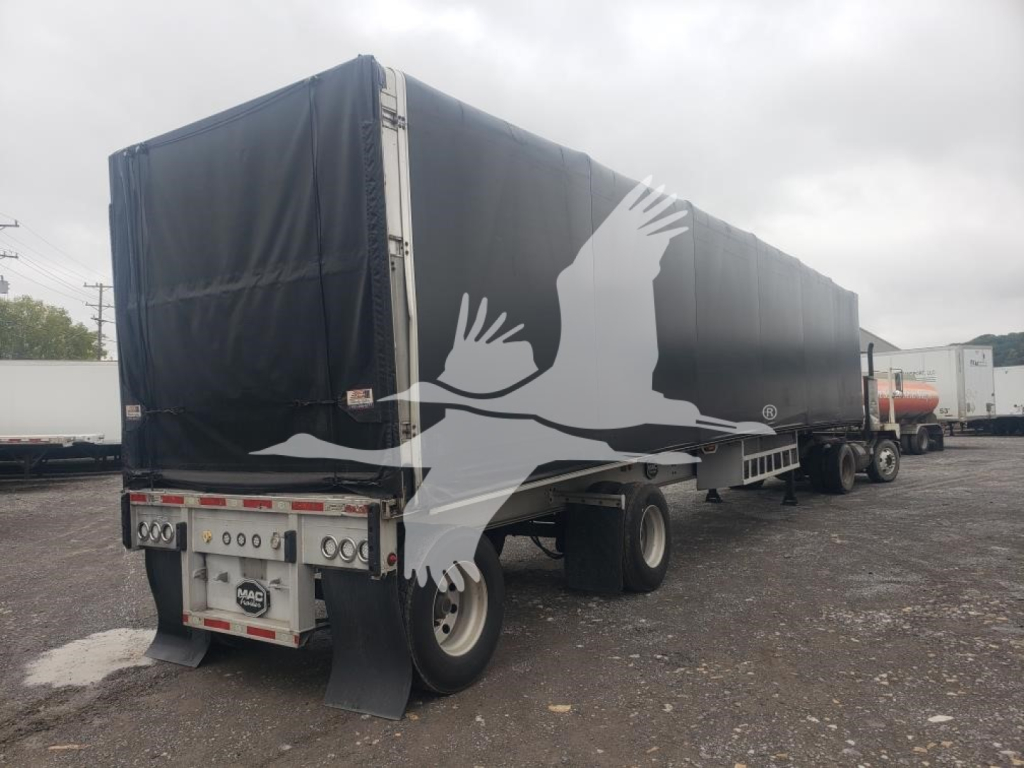
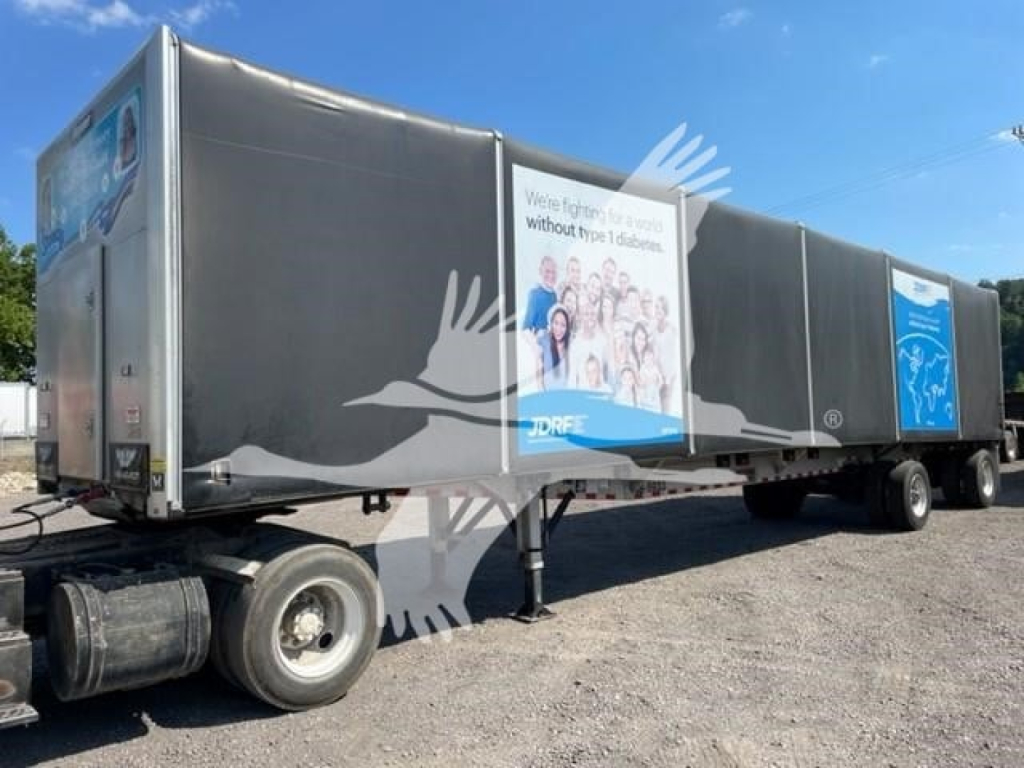
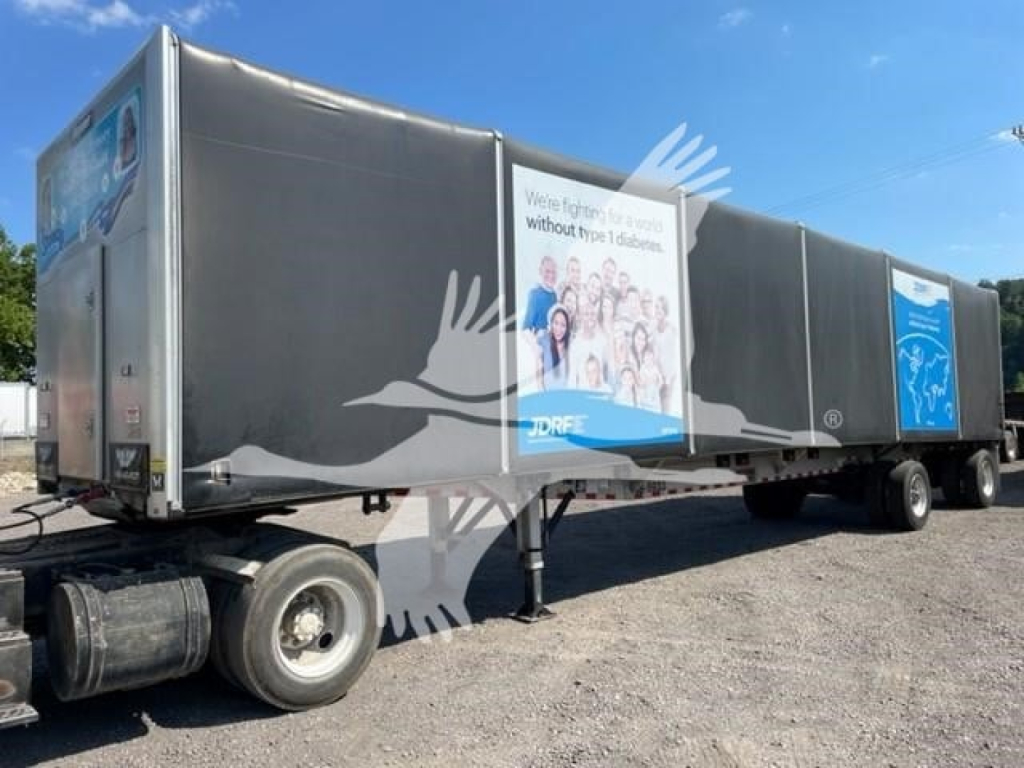
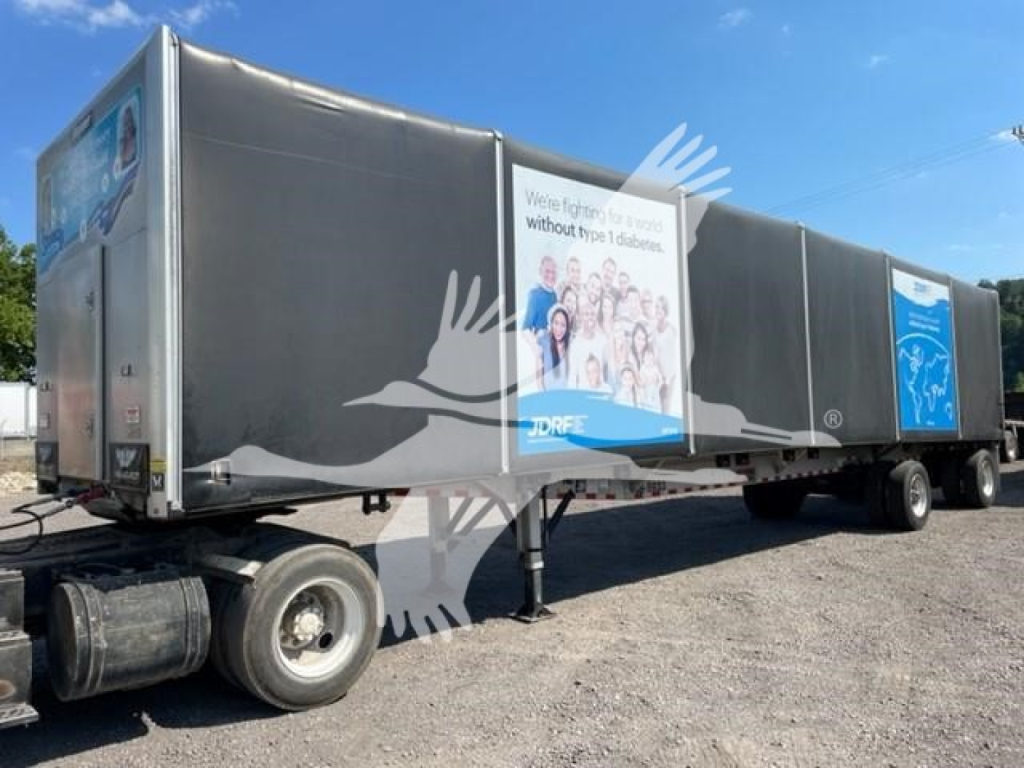
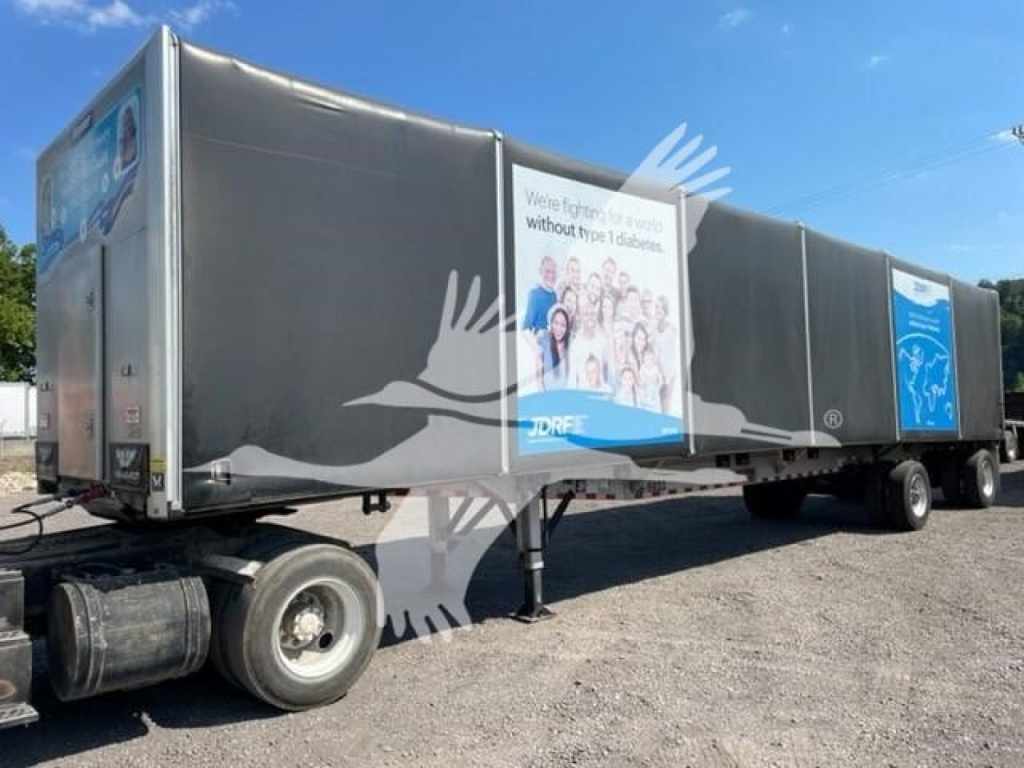
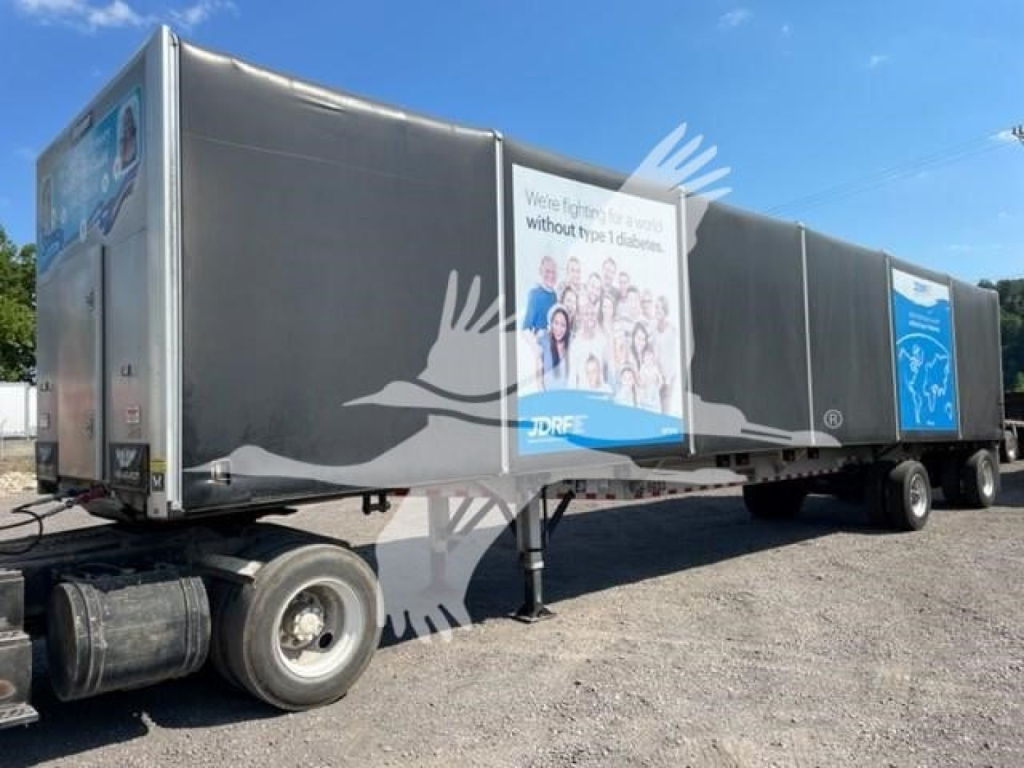
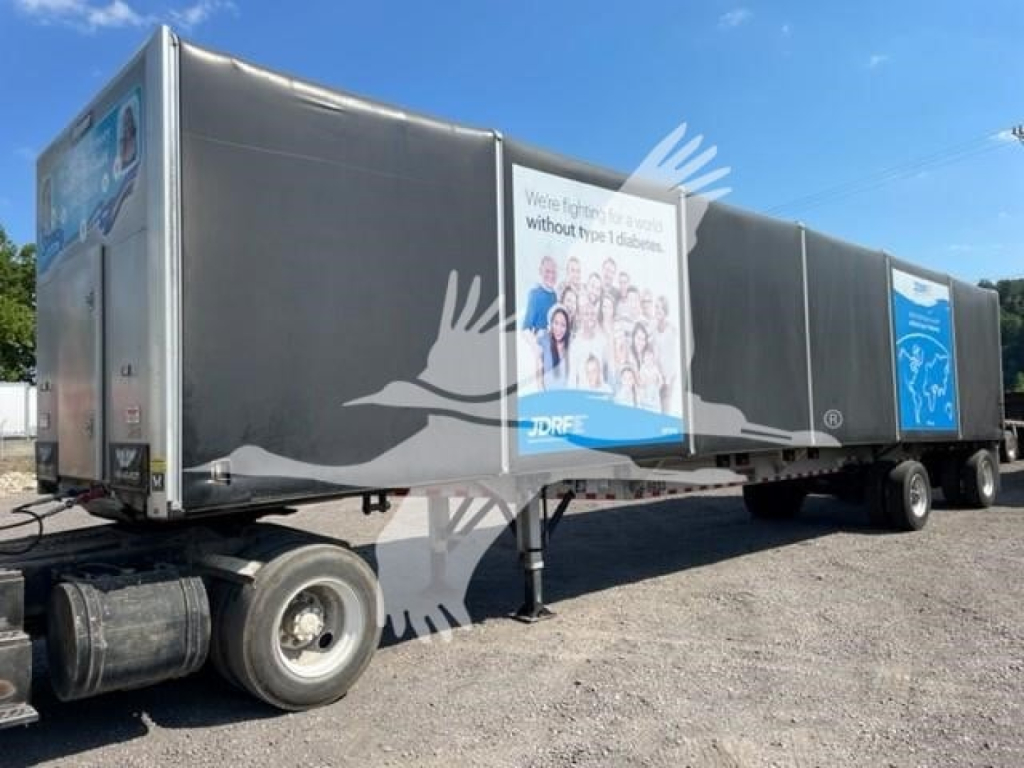
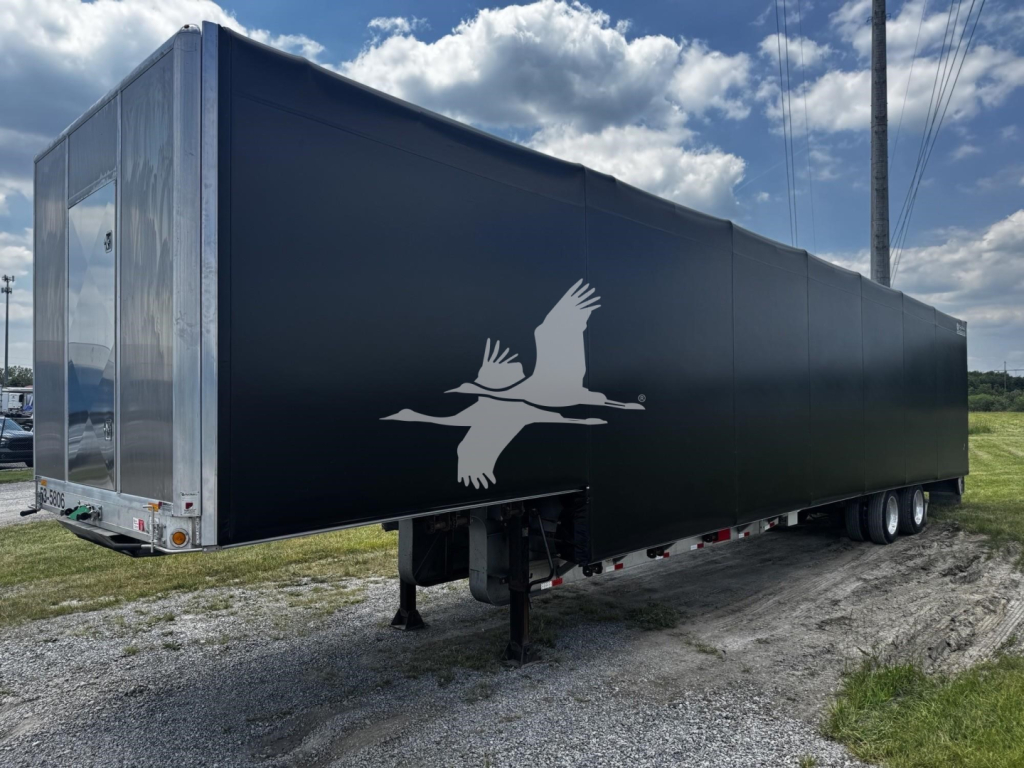
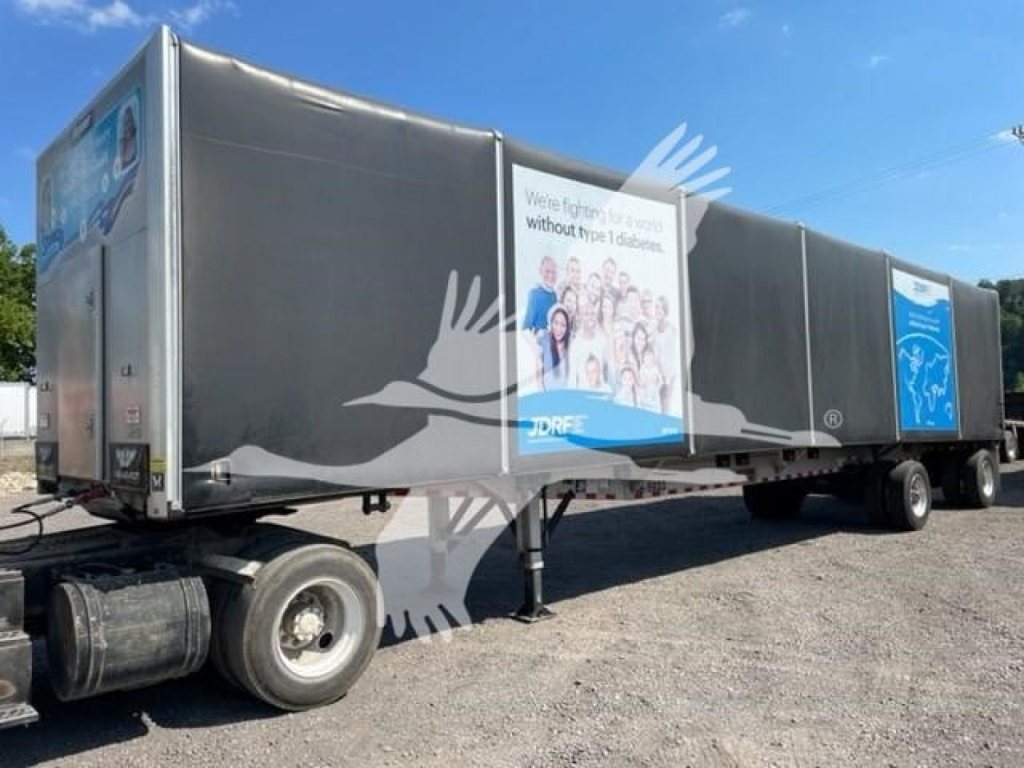
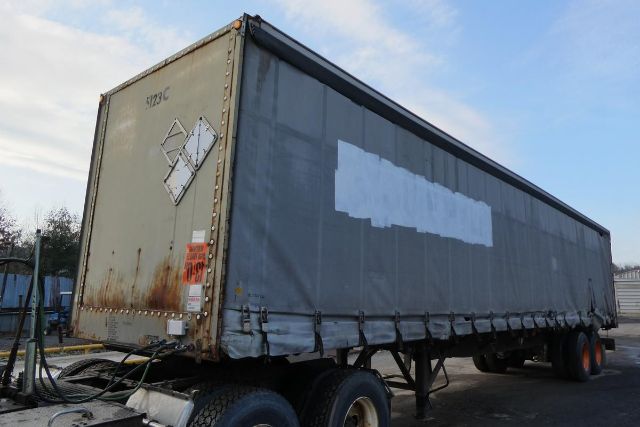
Selling a used fontaine curtainside trailer? List your used fontaine curtainside trailer for sale and reach thousands of commercial buyers.
Used Fontaine Curtainside Trailers
Fontaine's Infinity platform line is associated with aluminum-and-steel composite construction, so verify the chassis specification rather than assuming an aluminum deck means an all-aluminum trailer. Identify the curtain-system manufacturer separately from the Fontaine chassis manufacturer, and confirm that replacement rollers, tensioners, posts, and roof components can be matched to that system. Check the manufacturer's distributed and concentrated load ratings, not just GVWR. A coil package, nail strips, sliding winches, and tiedown locations are useful only when their ratings and placement match the loads you intend to carry.
Used curtain bodies deserve an operating inspection, not just a walk-around. Slide both curtains through their full travel, operate every buckle and tensioner, and check fabric around straps, lower edges, corners, and repaired areas. Look for bent tracks, loose post sockets, damaged roof bows, and water staining beneath the roof or along the deck. On the Fontaine chassis, inspect main beams, crossmembers, suspension hangers, landing-gear mounts, and the upper coupler for cracks, distortion, or undocumented welding. Aluminum-to-steel interfaces deserve particular attention for corrosion. Older trailers need repair records; newer used trailers still need careful checks for collision damage and evidence of proper maintenance.
Running gear can outweigh curtain condition in ownership costs. Inspect brake linings, drums or rotors, wheel seals, hub bearings, air lines, ABS wiring, and suspension bushings. Uneven tire wear can signal alignment trouble or bent components. Confirm the axle configuration, specified ride height, and fifth-wheel compatibility with your tractor rather than judging trailer attitude from an empty, parked inspection alone.
For U.S. and Canadian work, select axle spacing and kingpin position around the actual route, not a general assumption about spread-axle capacity. State and provincial weight rules, bridge limits, and permitted trailer dimensions can affect payload and routing. Snow Belt and Canadian service warrant close checks for road-salt damage beneath the deck and around brake hardware. Rain and freeze-thaw exposure make curtain closures, roof integrity, and evidence of trapped water especially relevant for weather-sensitive freight.
Frequently Asked Questions about Used Fontaine Curtainside Trailers
Can I load a Fontaine curtainside trailer with an overhead crane?
A Fontaine curtainside trailer needs an opening or retractable roof for overhead crane loading. Sliding side curtains alone do not provide top access, and fixed roof bows can obstruct a suspended load. Confirm the enclosure design, clear opening dimensions, and whether posts or bows are removable. A retractable tarp enclosure and a fixed-roof curtainside body are not interchangeable loading arrangements.
Do the curtains count as cargo securement on a Fontaine curtainside trailer?
Ordinary curtains should not be counted as cargo securement on a Fontaine curtainside trailer. Use rated tiedowns, anchors, blocking, and other restraint appropriate to the freight and applicable U.S. or Canadian rules. A curtain or body system can contribute to restraint only when its documented rating and operating conditions support that use. Weather protection alone does not establish load-restraint capacity.
Can I replace the curtains on a used Fontaine curtainside trailer?
Replacement curtains can be fitted to a used Fontaine curtainside trailer when their dimensions and hardware match the installed enclosure. Order against the curtain-system identification and measured opening, not the Fontaine chassis model alone. Verify roller attachment, buckle spacing, tensioning arrangement, and front and rear closure details. Bent tracks or worn tensioners may require repair before new fabric will operate and seal correctly.
Is a spread-axle Fontaine curtainside trailer legal at the same weight in Canada?
A U.S.-legal spread-axle Fontaine curtainside trailer is not automatically legal at the same loaded weight in Canada. Federal U.S. Interstate limits generally allow 20,000 pounds on a single axle and 34,000 pounds on a tandem, subject to other applicable limits. Canadian provinces apply their own axle-group, spacing, and configuration requirements. Verify the loaded combination against every jurisdiction on the intended route.
What should I test on a used Fontaine curtainside trailer's air suspension and ABS?
Air leakage, incorrect ride height, and active ABS faults are priority checks on an air-ride Fontaine curtainside trailer. Have a qualified technician inspect air springs, height-control linkage, shock absorbers, bushings, and suspension attachment points. Confirm the ABS warning lamp completes its normal check and obtain diagnostic fault information where supported. Tire wear and maintenance records help distinguish routine component wear from persistent alignment or electrical problems.