
Extreme Curtainside Trailers For Sale
Compare Extreme curtainside trailers for sale by aluminum deck capacity, coil support, curtain operation, and axle setup for US and Canadian routes.
No exact matches found for your search
Showing Curtainside Trailers instead.
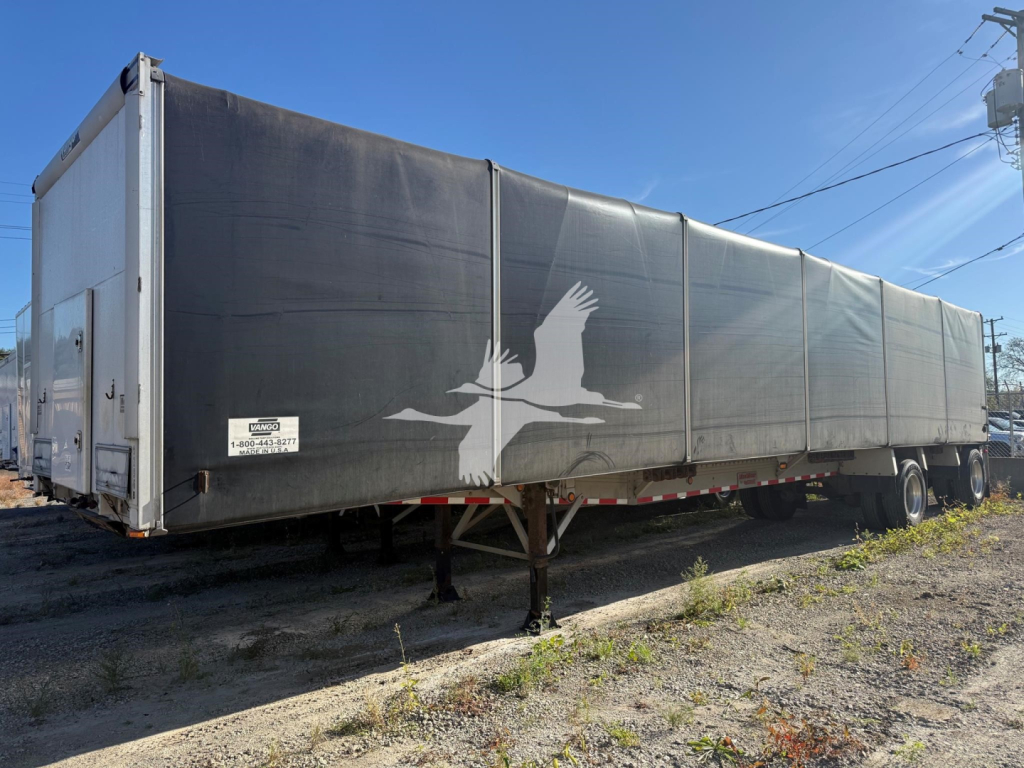
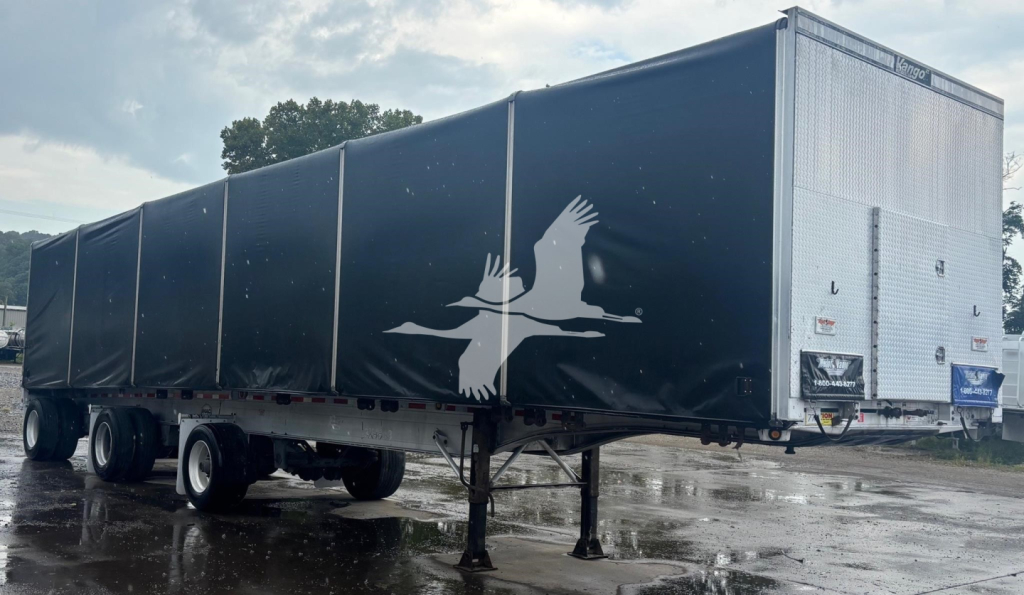
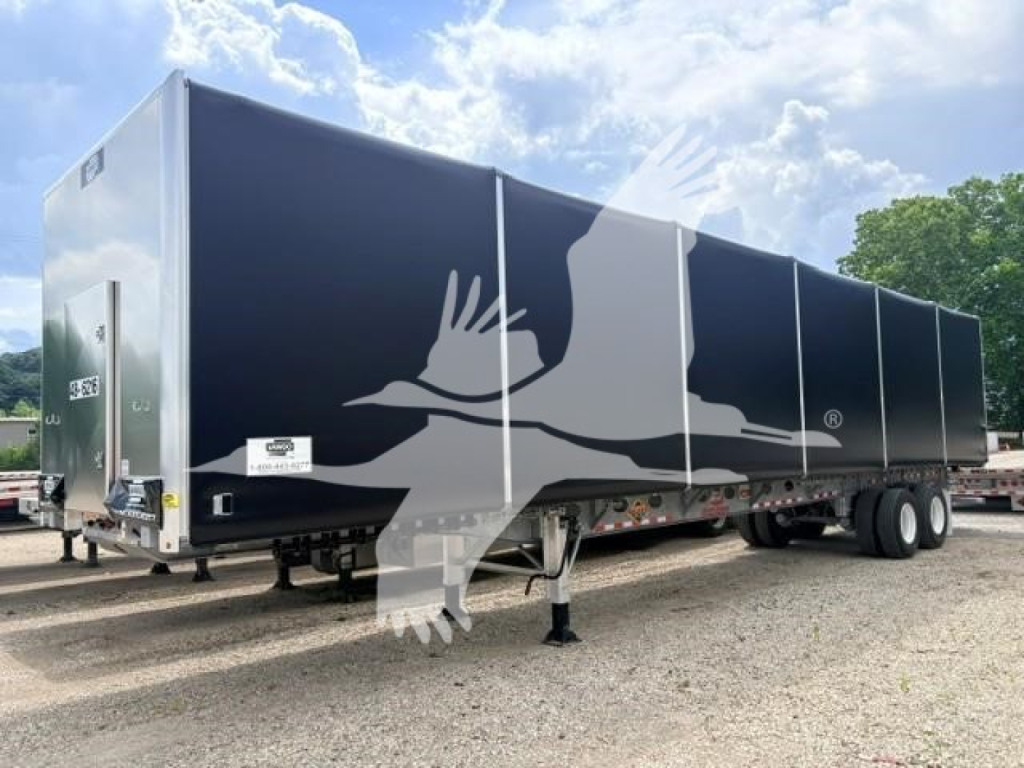
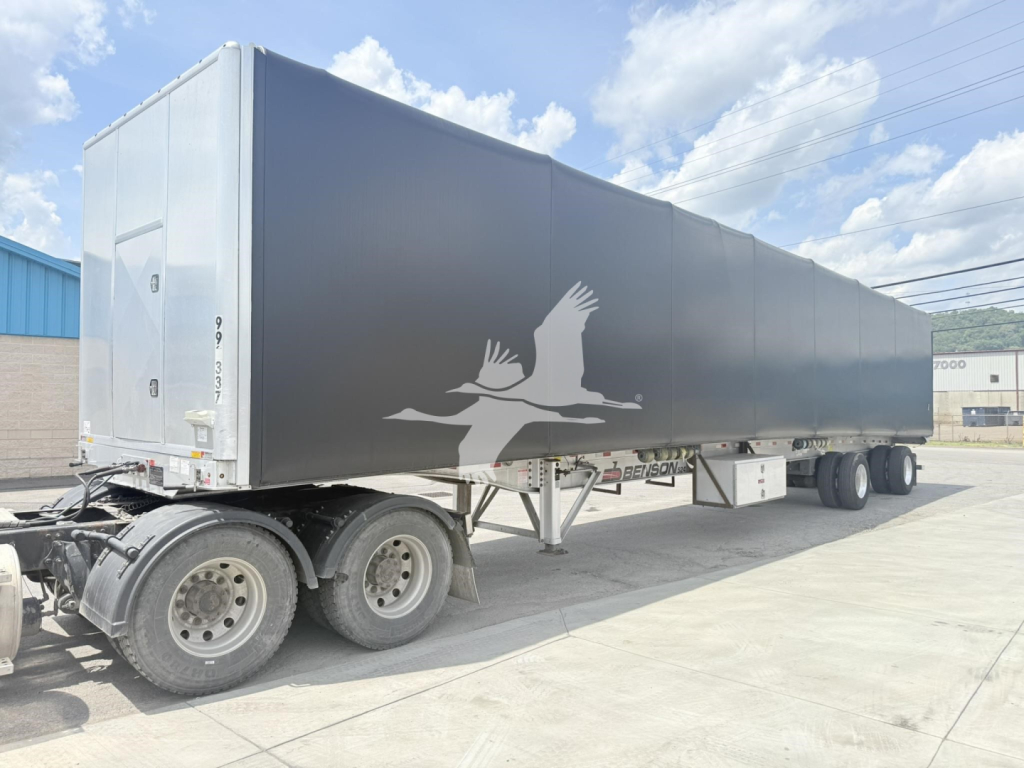
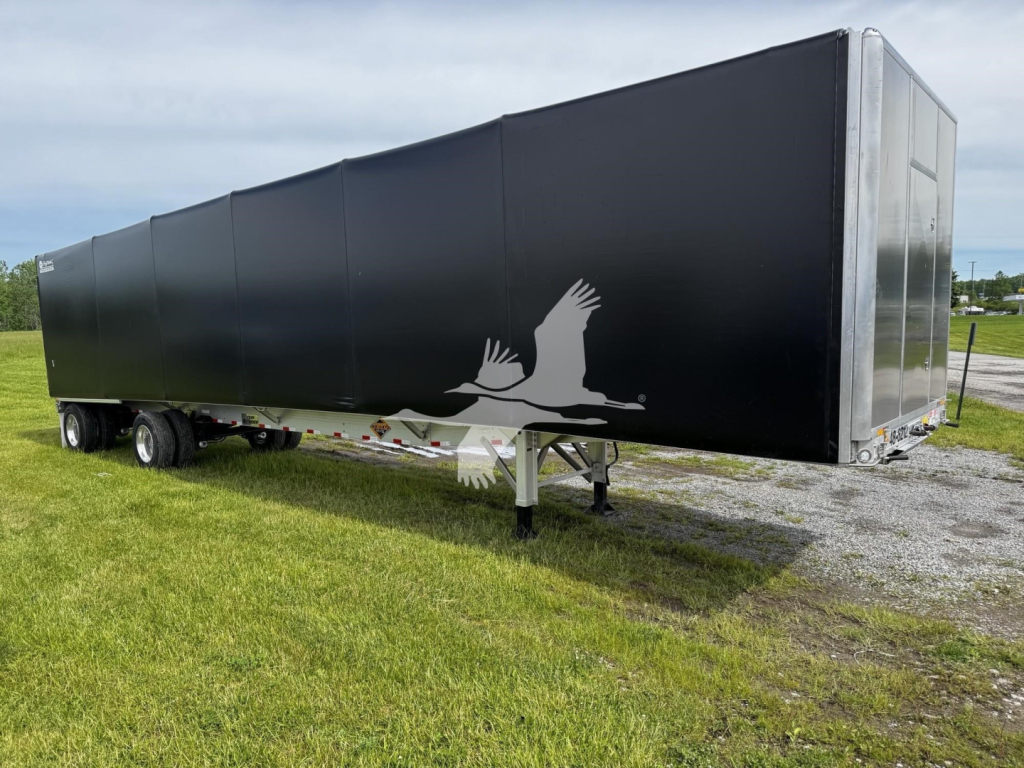
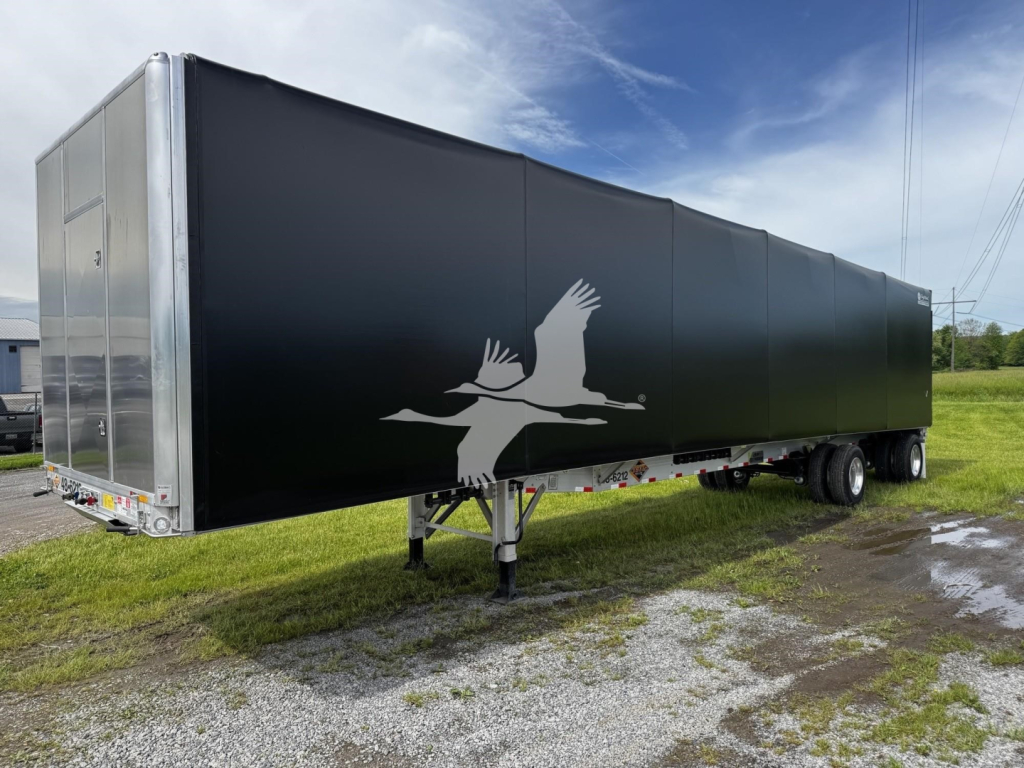
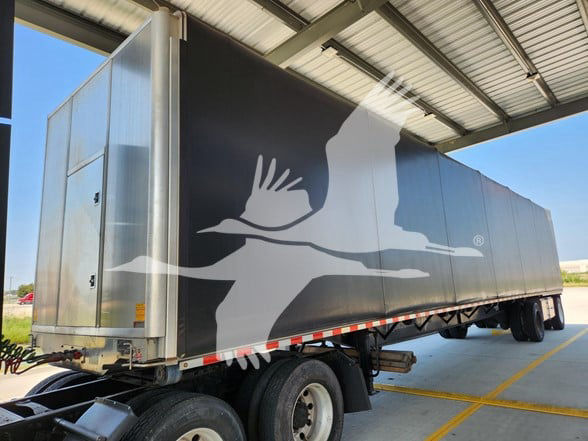
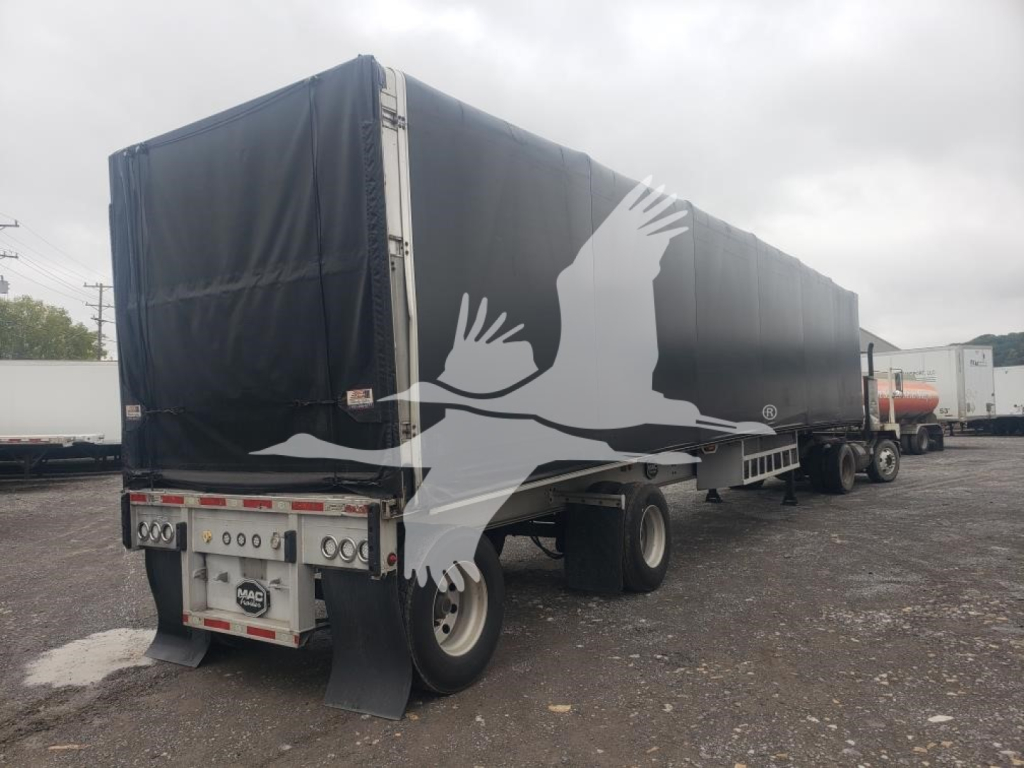
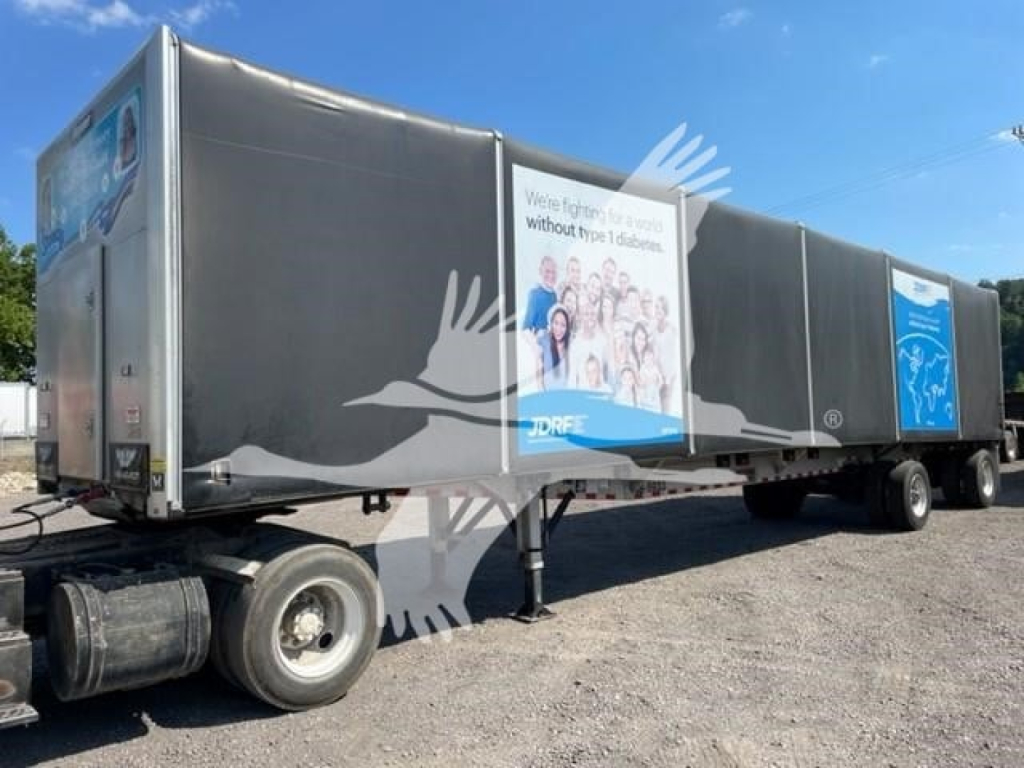
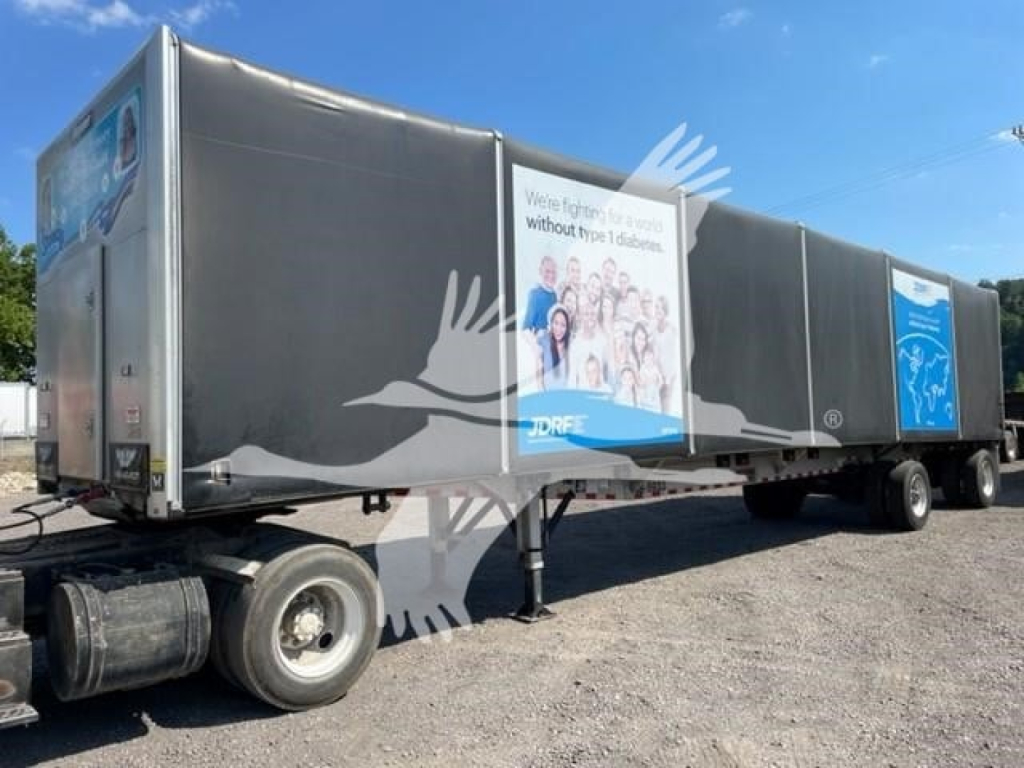
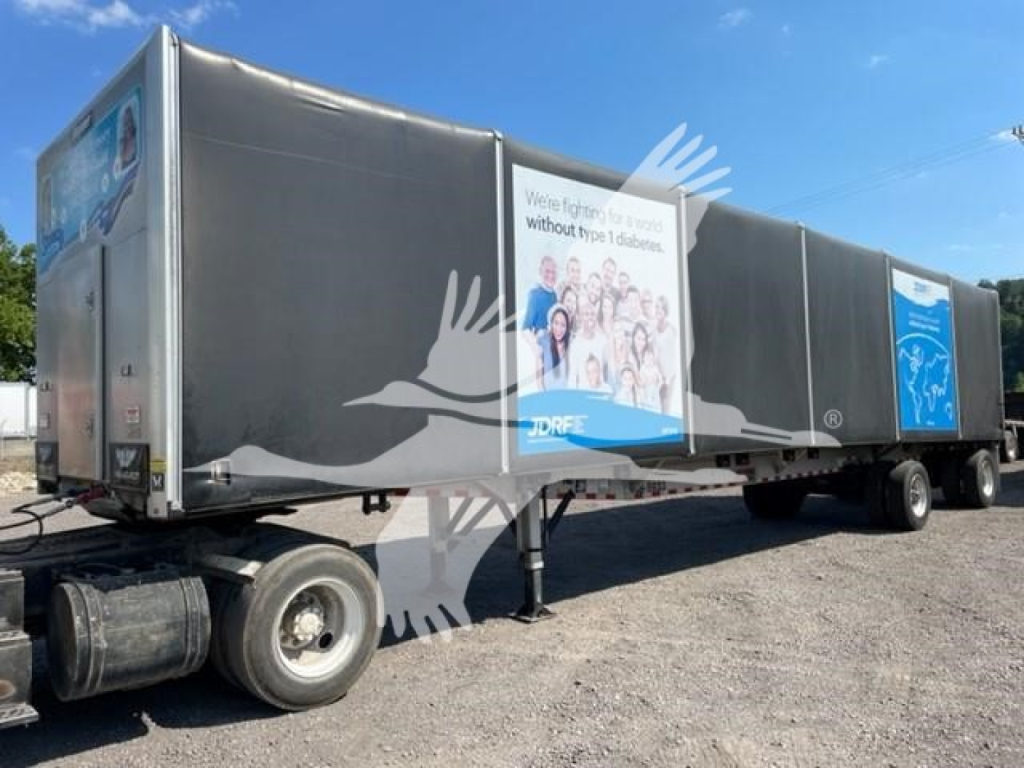
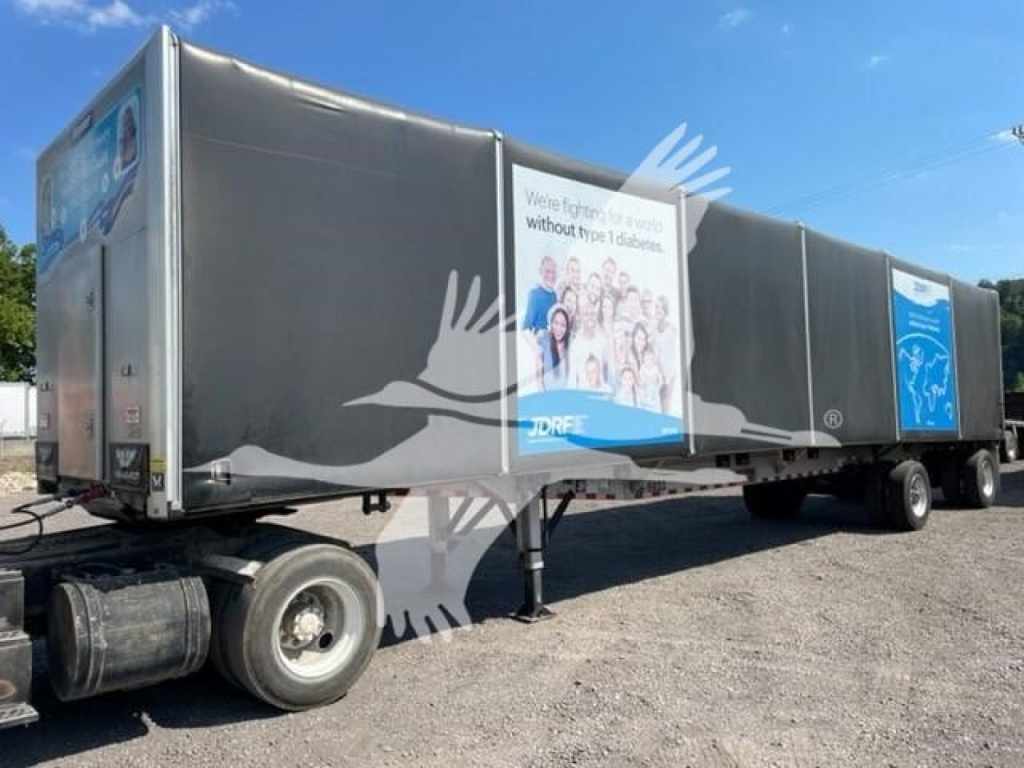
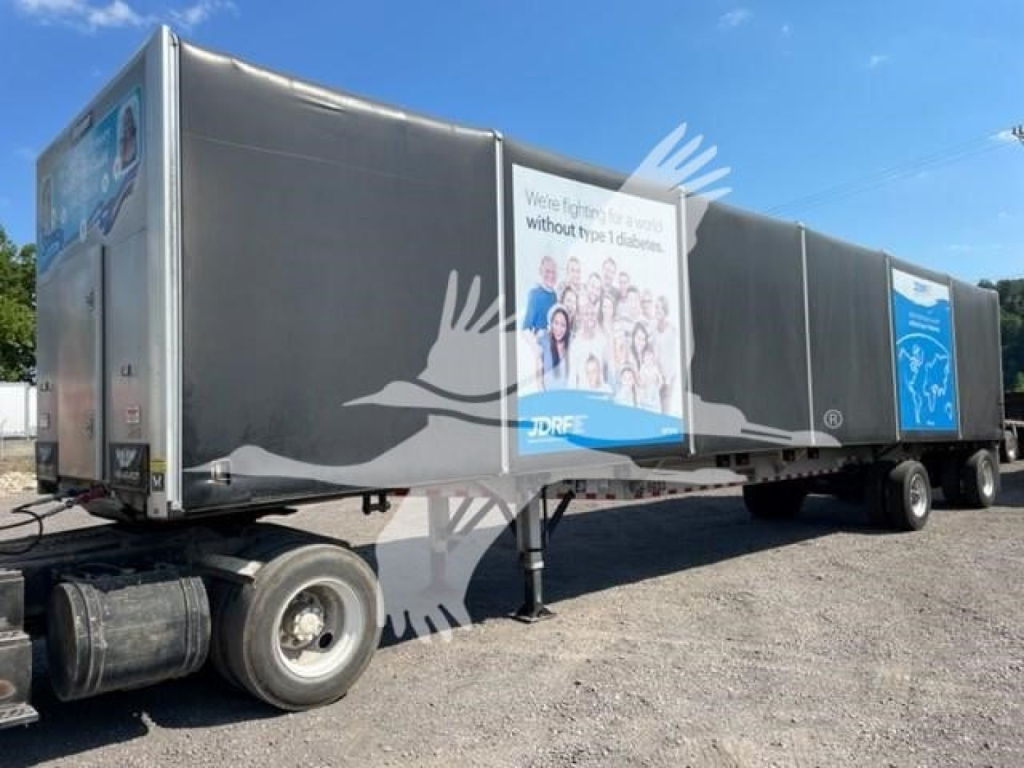
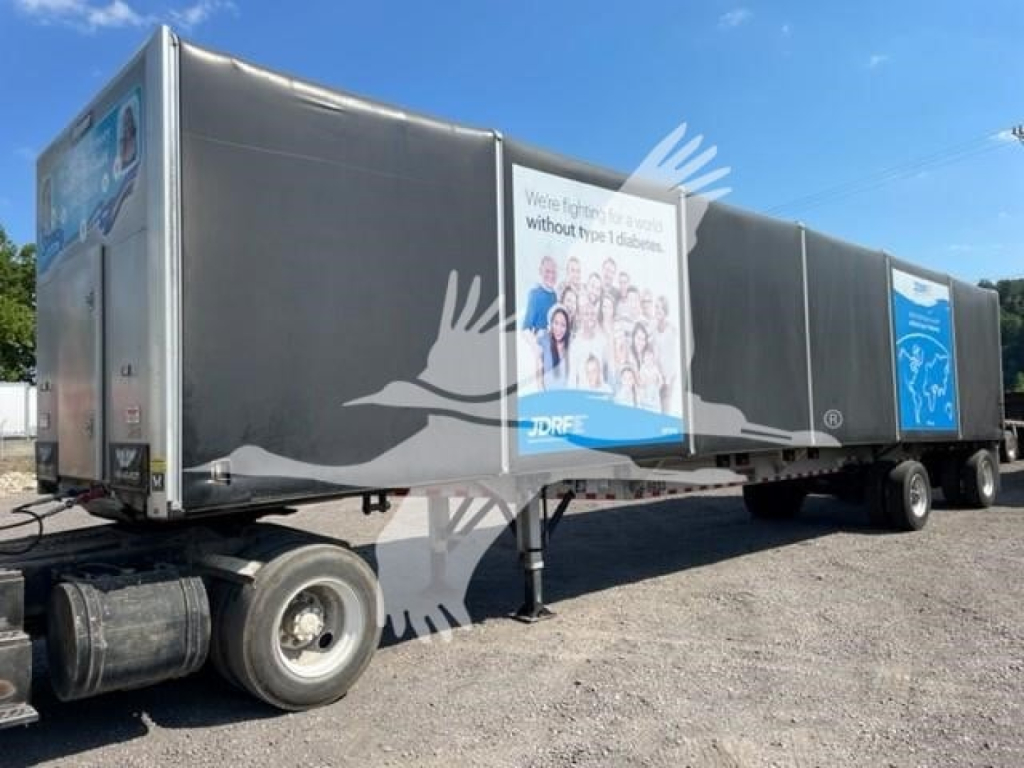
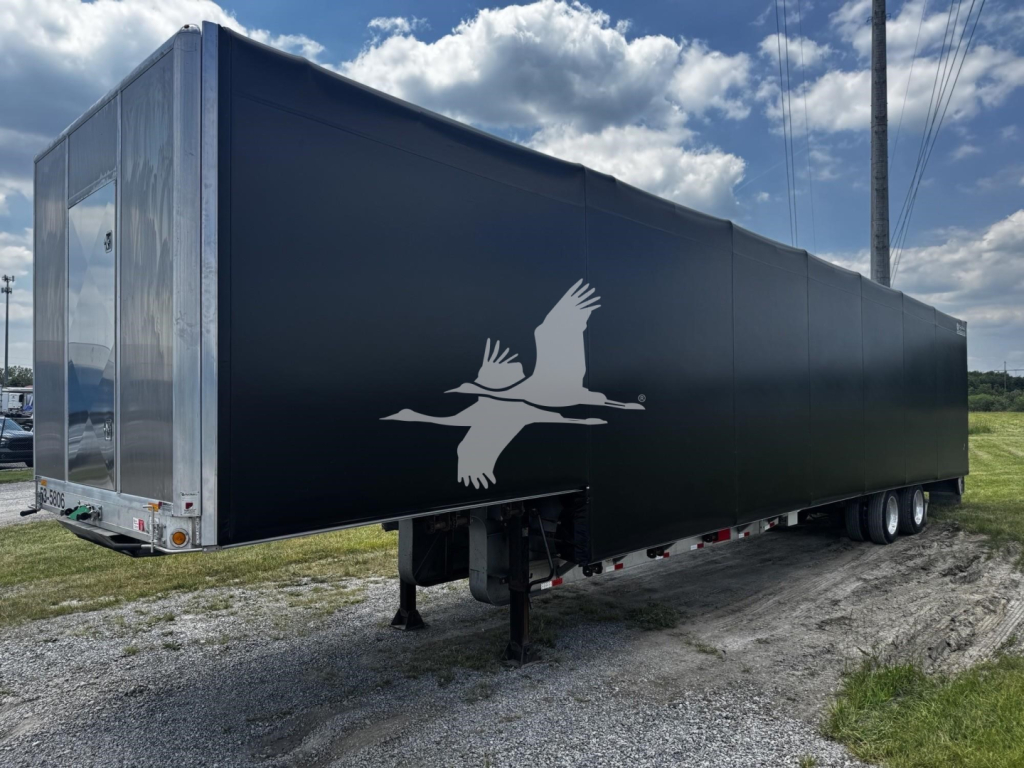
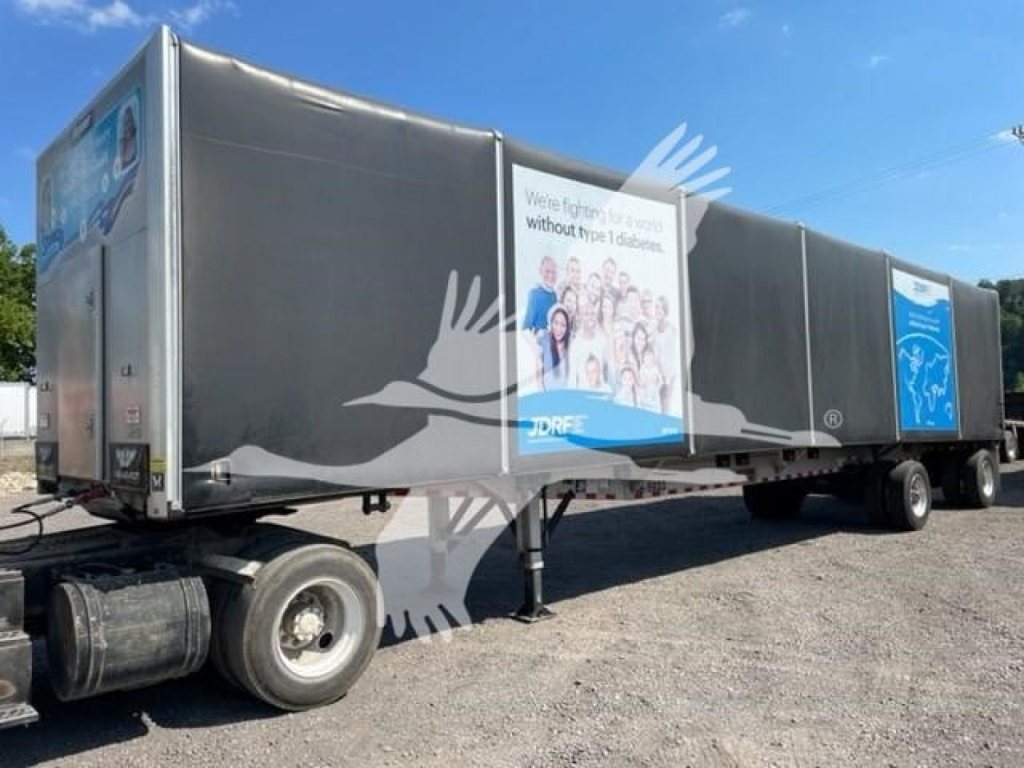
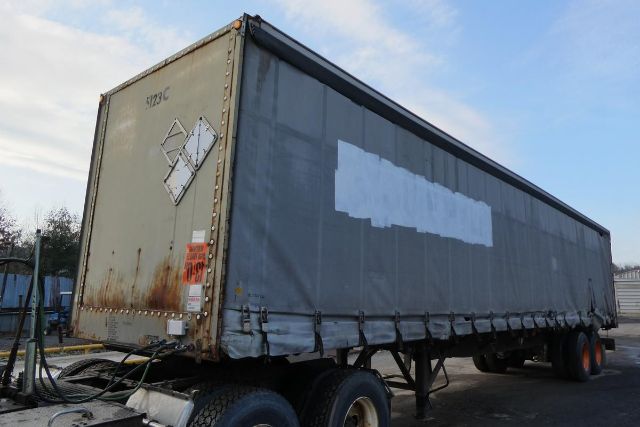
Selling a extreme curtainside trailer? List your extreme curtainside trailer for sale and reach thousands of commercial buyers.
Extreme Curtainside Trailers
Deck capacity matters more than trailer length when freight carries concentrated weight; compare the Extreme chassis data plate and documented concentrated-load rating with the cargo footprint. A coil package does not establish the allowable weight of an individual coil by itself. Check floor design, bulkhead attachment, tiedown ratings, and sliding winch tracks before deciding how lumber packs, machinery, or coils will be supported and secured.
On used equipment of any model year, open and close the entire enclosure and inspect rollers, tracks, tensioners, fabric seams, and lower seals. Look for evidence of water entry and repairs around bulkheads, rear closures, and attachment brackets. Inspect aluminum welds for cracks, deck areas for impact damage, and steel suspension components for corrosion, especially after operation on salted roads in the northern United States or Canada. Service records should cover brakes, wheel ends, air springs, slider locking pins, ABS faults, and any tire inflation system. Verify repairs to both the Extreme chassis and any separately supplied cover system.
For new trailers, specify the enclosure, load rating, suspension, axle arrangement, and tiedown equipment together rather than adding a cover without checking compatibility. Confirm chassis and enclosure warranty terms and component support. Qualifying new heavy trailers sold at retail in the United States are subject to 12% federal excise tax; Canadian purchases have different tax treatment. A 53-foot, 102-inch-wide setup still requires route checks for kingpin-to-rear-axle limits, axle spacing, and state or provincial weight and seasonal restrictions.
Frequently Asked Questions about Extreme Curtainside Trailers
Can I haul steel coils in an Extreme curtainside trailer?
Steel coils require a suitably rated Extreme curtainside trailer deck, proper coil supports, and compliant securement; curtains cannot replace tiedowns. In US interstate service, metal coils weighing 5,000 pounds or more, individually or grouped together, fall under the coil-specific requirements in 49 CFR 393.120. Coil orientation changes the required securement arrangement, so match the supports and tiedown layout to the actual load rather than relying on the coil-package label.
How do I identify the correct replacement curtain or tarp for an Extreme trailer?
The cover-system manufacturer's identification and dimensions, not the Extreme chassis name alone, determine the correct replacement curtain or tarp. Record the enclosure model, serial number, track profile, attachment spacing, and tensioning hardware before ordering parts. Measure the existing system according to the enclosure manufacturer's instructions, since nominal trailer length does not establish panel dimensions or compatibility with rollers and buckles.
Will an Extreme curtainside trailer work with my existing tractor?
Fifth-wheel height, kingpin location, and swing clearance determine whether an Extreme curtainside trailer fits an existing tractor. Check landing-gear clearance, brake and electrical connections, and tractor frame clearance with the cover both closed and retracted. A front-mounted tarp mechanism can create interference that a bare flatbed would not, especially during tight turns or articulation over uneven ground.
What weight limits apply to Extreme curtainside trailers operating in the US and Canada?
80,000 pounds is the standard gross combination weight limit on US Interstate highways, subject to axle limits and the federal bridge formula. Canadian limits are province-specific and depend on axle configuration, spacing, and route. An Extreme curtainside trailer's GVWR does not authorize operation above road limits, and sliding axles must be positioned legally. Permits or grandfathered limits may apply; subtract actual tractor and trailer weights to determine legal payload.