
New CTS Trailers For Sale in Louisiana
Shop new CTS trailers for hauling aggregate, asphalt, and bulk materials. Compare dump trailer specs, capacities, suspension, and body options.
Learn more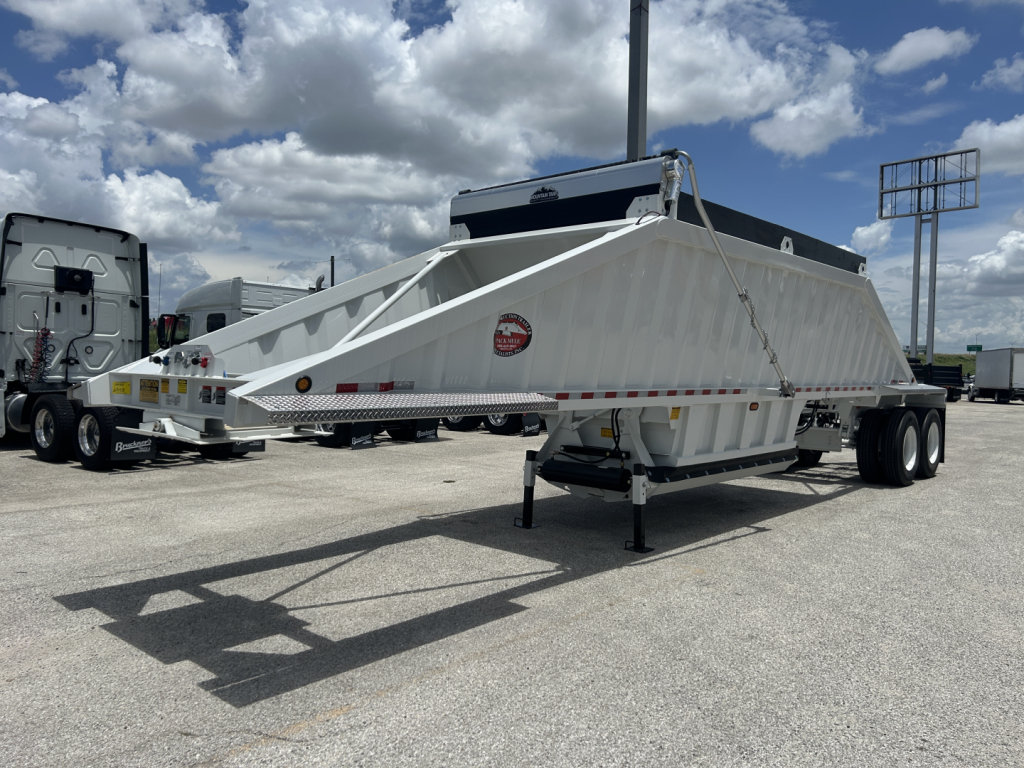
Have new cts trailer to sell? List it here to reach thousands of buyers.
About New CTS Trailers in Louisiana
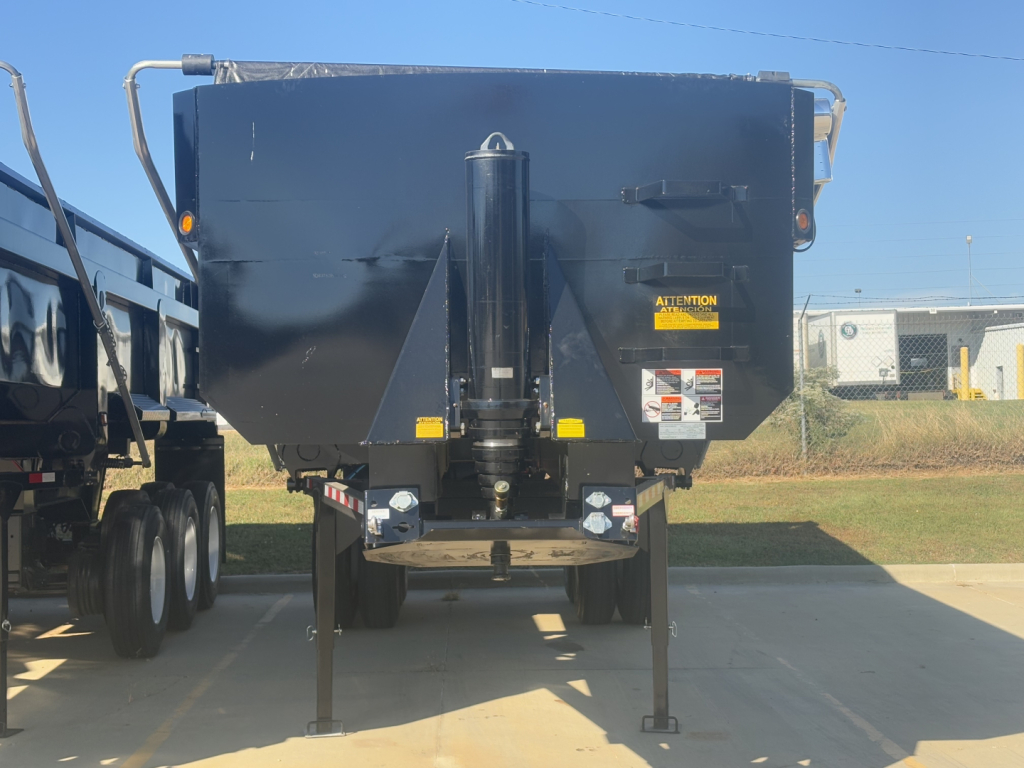
Capacity and body setup drive the trailer’s real productivity. Buyers often compare cubic yard rating, side height, board package, floor thickness, and whether the trailer uses slope sheets or a straight interior. A no-slope-sheet design can make sense for operations hauling bulky material or for buyers prioritizing body simplicity, while other applications may prefer interior shaping that improves cleanout. Tarp systems are another practical spec, especially for Louisiana weather and DOT compliance. Electric flip tarp systems are common on modern dump trailers because they cut loading delay and reduce driver effort. Details like push blocks, windrow deflectors, quick-release valves, air tank size, and fender construction may look secondary on paper, but they affect day-to-day uptime and jobsite convenience.
Suspension, axle layout, and wheel spec should match the roads and legal payload targets you run every week. Tandem axle dump trailers remain a popular choice because they are maneuverable enough for plant, paving, and construction work while still carrying strong volume. Spring ride is widely understood, easy to service, and often preferred by fleets that want durability and straightforward maintenance. Buyers should also look closely at kingpin setting, frame design, trailer weight, brake package, and tire size to make sure the trailer works with their tractors and bridge-law requirements. If the trailer will spend time in wet, corrosive, or muddy environments, pay attention to liner options, wiring protection, lighting placement, and corrosion-resistant components.
CTS trailers appeal to buyers who want a purpose-built work trailer rather than an overcomplicated spec. The best buying decision usually comes down to matching body length, cubic capacity, suspension, and tarp equipment to the actual material stream. A trailer hauling asphalt on tight turns has different priorities than one moving sand or crushed concrete all day. Review how the body is reinforced, how the gate is configured, how easily the trailer can be cleaned out, and how quickly common wear parts can be serviced. On a new trailer purchase, those details usually matter more than a small difference in advertised capacity.
Frequently Asked Questions
What are new CTS trailers commonly used for?
New CTS trailers are commonly used for hauling aggregate, sand, gravel, asphalt, demolition debris, and other bulk materials in construction and road-building work. Many buyers look at CTS dump trailer configurations for short-haul and regional hauling where fast unload cycles, durable bodies, and predictable handling are critical. The exact application depends on body design, cubic yard capacity, suspension, and gate setup.
Is a tandem axle CTS dump trailer a good fit for construction hauling?
A tandem axle CTS dump trailer is often a strong fit for construction hauling because it balances payload capacity, maneuverability, and operating simplicity. Tandem setups are widely used for plant work, paving support, and jobsite deliveries where tighter turning and easier positioning matter. Buyers still need to verify axle ratings, empty weight, and bridge-law compatibility with their tractors and routes.
What should I look for in a new CTS dump trailer spec?
The most important items to review are body length, cubic yard capacity, floor and wall construction, suspension type, tarp system, gate design, axle rating, and overall trailer weight. Buyers should also pay attention to practical details such as push blocks, air tank size, quick-release valves, fenders, lighting protection, and cleanout characteristics. A trailer that looks similar on paper can perform very differently depending on these details.
Are spring ride CTS trailers easier to maintain?
Spring ride trailers are generally considered straightforward to maintain because the suspension design is familiar to most fleet shops and independent repair facilities. Many buyers choose spring ride for dump applications where durability, lower complexity, and predictable service needs matter more than ride refinement. The tradeoff is that ride quality and cargo isolation may differ from other suspension designs, so the best choice depends on the material hauled and the roads traveled.
Do tarp and body options make a big difference on a new dump trailer?
Yes, tarp and body options can make a major difference in daily productivity, legal compliance, and material retention. An electric tarp system can speed loading and unloading cycles while helping the driver secure the load consistently. Body options such as board height, slope-sheet design, liner choices, and deflectors also affect cleanout, usable capacity, and how well the trailer handles specific materials like asphalt, rock, or wet sand.