
New 2027 CTS Trailers For Sale in Louisiana
Shop new 2027 CTS trailers for sale, including dump trailers built for aggregate, dirt, asphalt, and construction hauling in Louisiana.
Learn more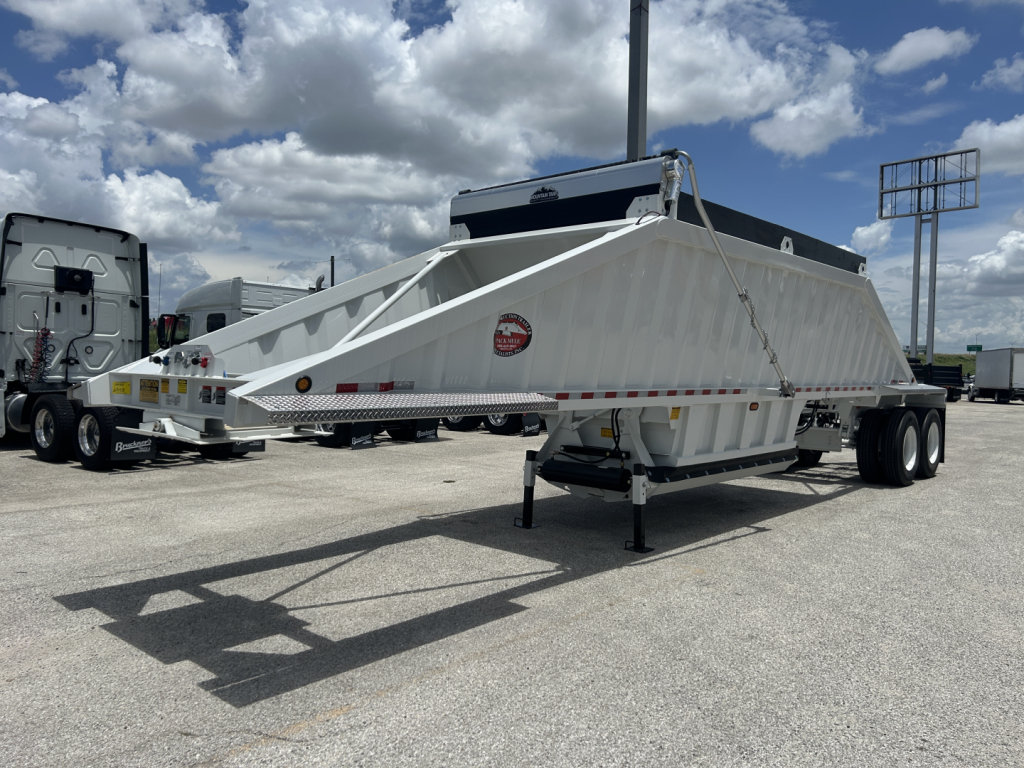
Have new 2027 cts trailer to sell? List it here to reach thousands of buyers.
About New 2027 CTS Trailers in Louisiana
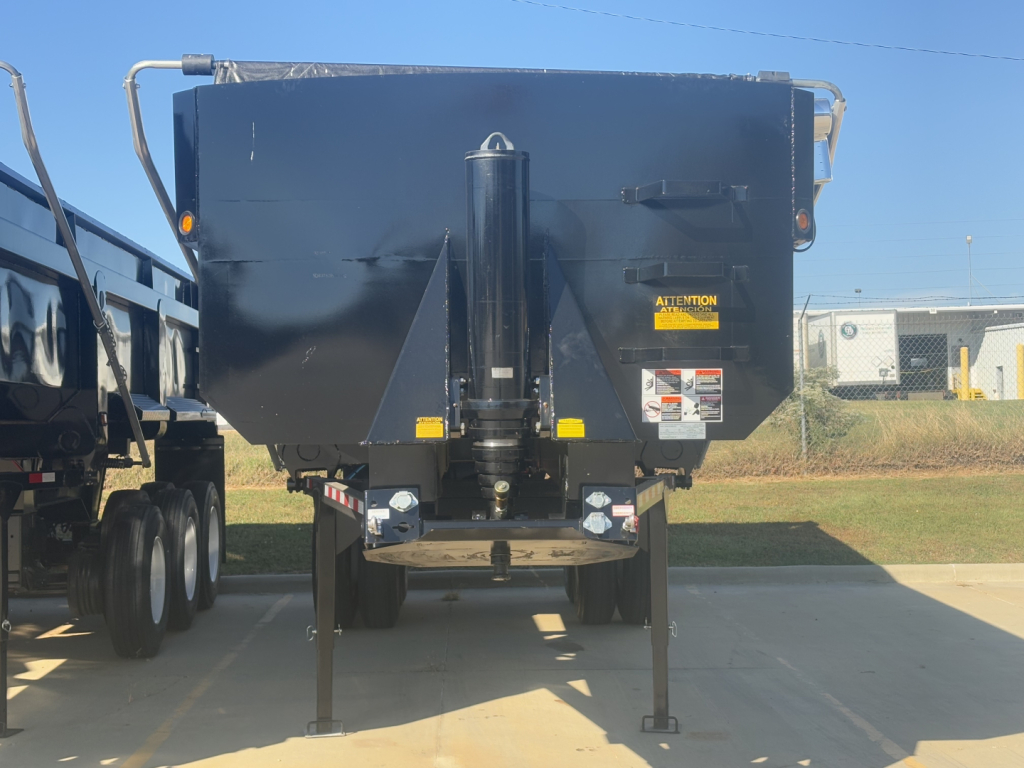
A 26-foot frameless end dump is a common setup for moving pay dirt, rock, and similar bulk materials where fast unloading and a lighter chassis matter. Features like single-point suspension, air-operated tailgate locks, and electric flip tarps are more than convenience items. They reduce cycle time, improve load control, and help the trailer stay productive in changing weather and on active jobsites. On larger tandem dump trailers, buyers should pay attention to cubic yard capacity, board height, slope sheet design, push block configuration, air tank size, and tarp system brand. A 40-foot trailer with spring ride and roughly 23.5 cubic yards is typically aimed at contractors who need straightforward bulk hauling without adding unnecessary complexity.
Spec decisions should match the material being hauled and the roads the trailer sees every day. Steel bodies generally appeal to fleets hauling abrasive or impact-heavy material because they tolerate punishment well, though aluminum components such as diamond plate fenders can help trim weight and resist corrosion. Suspension choice matters too. Spring ride is simple and durable for many vocational applications, while other setups may be preferred where ride quality or axle load management is a higher priority. Tailgate design, quick-release valves, windrow deflectors, and tarp coverage all affect unloading efficiency, cleanout, and compliance on public roads.
For a buyer comparing new CTS trailers, the important questions are payload target, material type, loading equipment, dump angle needs, and how the trailer will hold up in wet Gulf Coast conditions. Check hoist geometry, liner or sheet design, crossmember structure, brake specification, wheel and tire package, and whether the trailer is set up for the tractor wheelbase and fifth wheel height in your fleet. A well-matched CTS dump trailer should deliver stable tracking, predictable dumping performance, and low day-to-day downtime in heavy vocational service.
Frequently Asked Questions
What are CTS dump trailers commonly used for?
CTS dump trailers are commonly used for hauling dirt, sand, gravel, asphalt, demolition debris, and other bulk construction materials. They are a fit for paving contractors, aggregate haulers, excavation work, and general site development. The exact application depends on body length, cubic yard capacity, body material, and whether the trailer is configured as an end dump or a tandem dump.
What is the advantage of a frameless end dump trailer?
A frameless end dump trailer is typically chosen for lower tare weight and higher potential payload compared with heavier frame-style designs. That can make it attractive for aggregate and dirt hauling where every additional pound of payload matters. Buyers still need to match the trailer to the material and operating conditions, because stability during dumping, body strength, and hoist performance are just as important as weight savings.
Should I choose steel or aluminum on a vocational dump trailer?
Steel is usually preferred when the trailer will handle abrasive, high-impact, or demolition-type material because it offers strong durability and long-term toughness. Aluminum helps reduce weight and can improve corrosion resistance, but it is not always the first choice for the harshest applications. Many vocational trailers use a mix of both, such as a steel body with aluminum trim or fenders, to balance durability and weight.
What trailer specs matter most when comparing new CTS trailers?
The most important specs are body length, cubic yard capacity, suspension type, body construction, hoist setup, axle configuration, brake package, wheel and tire spec, and tarp system. Tailgate locks, push blocks, quick-release valves, and slope sheets also matter because they affect unloading speed, cleanout, and daily operating efficiency. Buyers should also confirm that the trailer's kingpin setting and overall height will work with the tractors already in the fleet.
Are spring ride dump trailers still a good choice?
Spring ride remains a solid choice for many dump trailer applications because it is durable, familiar to most shops, and often less complex to maintain. It works well for contractors and haulers running demanding vocational routes where simplicity matters. The tradeoff is that ride quality and load isolation may not match some air-ride configurations, so the best choice depends on terrain, haul distance, and the type of material being moved.