
New CTS Dump Trailers For Sale in Louisiana
Shop new CTS dump trailers in Louisiana. Compare frameless end dumps and tandem dump trailers built for dirt, aggregate, asphalt, and debris.
Learn more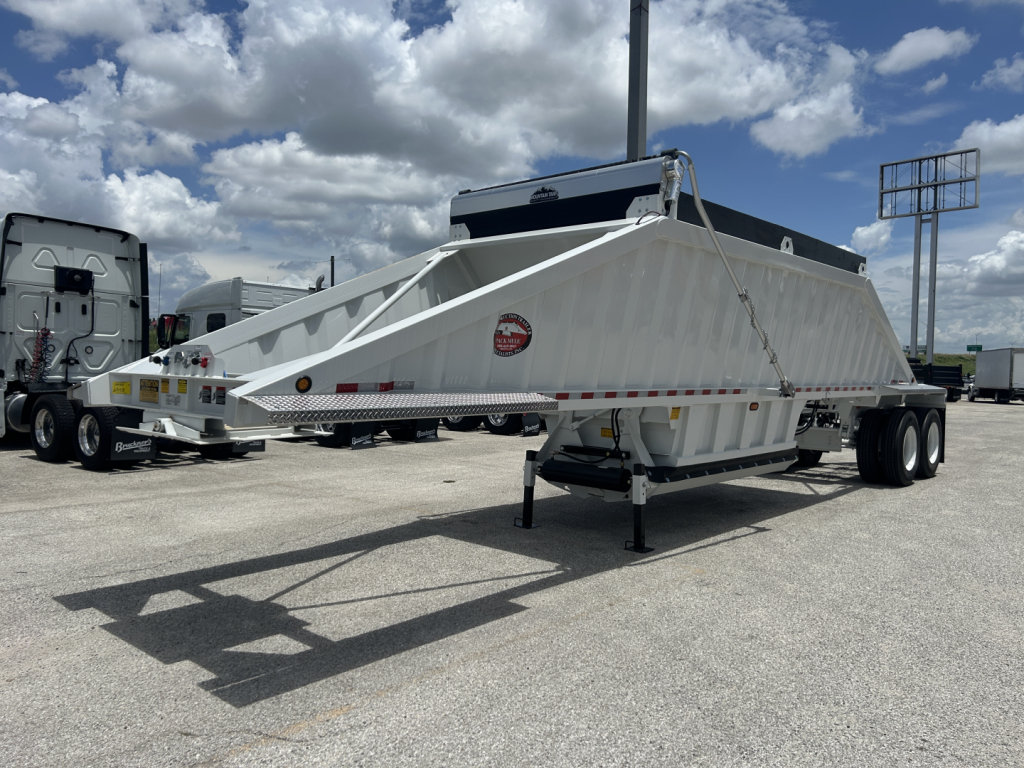
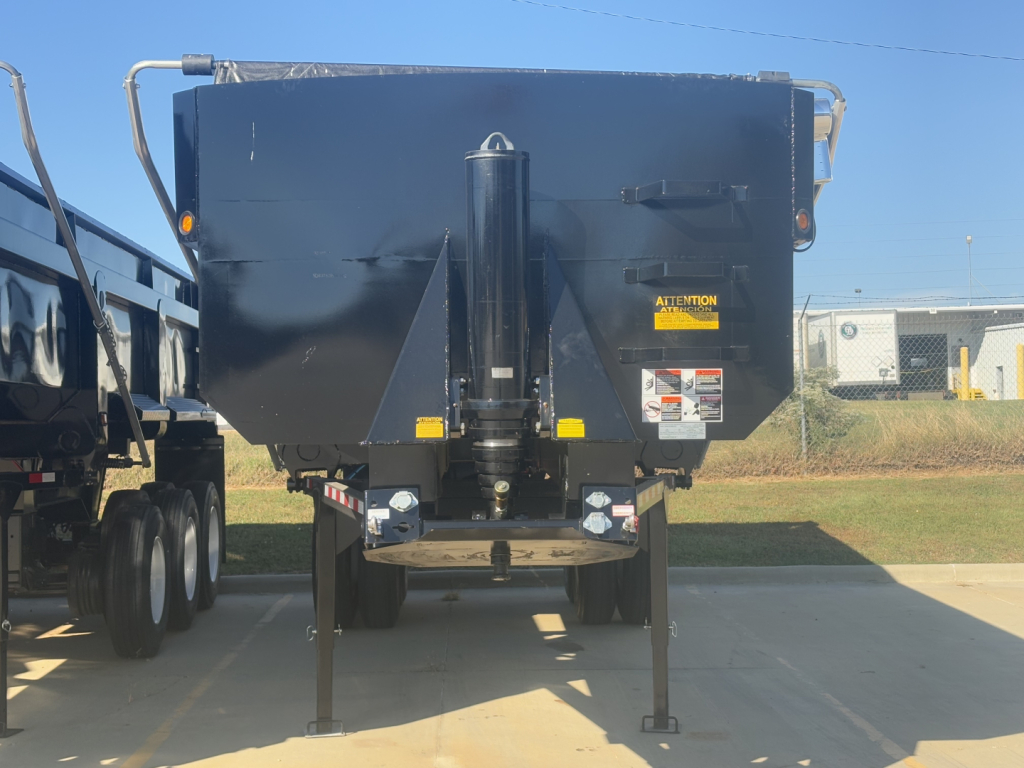
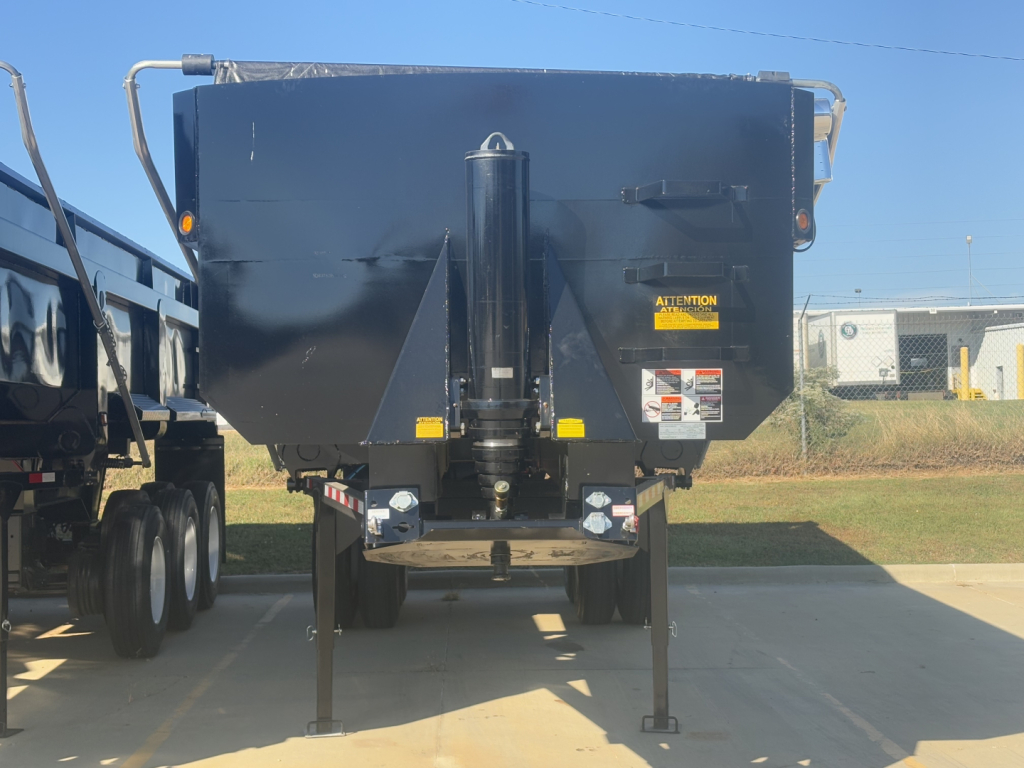
Have new cts dump trailer to sell? List it here to reach thousands of buyers.
About New CTS Dump Trailers in Louisiana
A buyer should start with body style and suspension. Frameless end dumps are popular when payload is the priority, especially on shorter steel bodies such as 26-foot units used for aggregate, dirt, and site material. They can reduce trailer weight and increase legal payload, but they also demand attention to loading practices, trailer balance, and dump conditions. Full-frame or heavier tandem dump trailers may give up some weight savings, yet they can be a better fit for rougher jobsite use, repeated loading cycles, or operators who want a more traditional structure. Suspension choice matters too. Spring ride is simple and durable, while air ride or single-point suspension setups can improve load control and operating characteristics depending on the application.
Specs that deserve close review include body length, side height, cubic yard capacity, steel versus aluminum construction, hoist geometry, tailgate design, and tarp system. Steel bodies remain a common choice for abrasive material and impact resistance, while lightweight frameless steel designs try to preserve payload without giving up toughness. Features like air-operated tailgate locks, electric flip tarps, quick-release valves, push blocks, windrow deflectors, and larger air tanks are not just add-ons. They affect cycle time, unloading consistency, and day-to-day convenience. If the trailer will spend time under pavers, in transfer yards, or on soft ground, it is worth checking axle spacing, dump angle, center of gravity, and how the trailer behaves when partially loaded or unloading uneven material.
For Louisiana buyers, corrosion exposure, wet material, and soft or uneven ground are practical concerns. Rain, humidity, and mud can change how a dump trailer performs and how often it needs cleaning and inspection. Look closely at wiring protection, tarp reliability, gate seals, suspension service points, and the overall quality of the body welds and crossmember structure. The right CTS dump trailer is the one matched to the material hauled most often, the road conditions it sees every week, and the legal payload target that drives revenue per load.
Frequently Asked Questions
What is the difference between a frameless end dump and a full-frame dump trailer?
A frameless end dump uses the body itself as a structural member, which typically reduces tare weight and helps maximize payload. That makes it attractive for hauling dense material like sand, gravel, and dirt. A full-frame dump trailer adds structural support underneath the body, which can improve durability in severe service and on rough jobsites, but it usually weighs more. The better choice depends on how important payload is compared with long-term structural ruggedness and the type of terrain where the trailer will dump.
Are CTS dump trailers a good fit for hauling aggregate and dirt in Louisiana?
CTS dump trailers are well suited to aggregate, dirt, demolition debris, and similar bulk materials when the trailer is matched to the job. Louisiana operators should pay special attention to body material, suspension type, tarp system, and tailgate operation because wet material, muddy sites, and humid conditions can affect unloading and maintenance. A steel body is often preferred for impact resistance, while a lightweight frameless design may be chosen when payload is the top priority.
What specs matter most when buying a new dump trailer?
The key specs are body length, side height, cubic yard capacity, trailer weight, suspension type, axle configuration, and body construction. Buyers should also review hoist design, tailgate locks, tarp style, wheel and tire setup, and dump angle. These details affect legal payload, unloading performance, jobsite stability, and maintenance cost. A trailer that looks similar on paper can perform very differently once it is loaded and cycled every day.
Is spring ride or air ride better on a dump trailer?
Spring ride is valued for simplicity, durability, and lower complexity, which is why many dump trailers in severe service still use it. Air ride can improve ride quality and load protection and may help with handling characteristics on certain routes, but it adds components that need attention. The better suspension depends on commodity, route conditions, maintenance preferences, and whether the trailer spends more time on paved roads or rough off-road surfaces.
Why do tarp systems and tailgate controls matter on a dump trailer?
Tarp systems and tailgate controls affect safety, speed, and how cleanly material unloads. Electric flip tarps make covering and uncovering the load faster and more consistent, which matters for compliance and daily productivity. Air-operated tailgate locks can improve control at the dump site and reduce manual handling. On repetitive hauling work, these systems save time each cycle and help reduce material loss, contamination, and operator frustration.