
Used Cross Country Trailers For Sale
Shop used Cross Country trailers, including tag and utility models, with specs on GVWR, deck size, axle setup, brakes, and trailer condition.
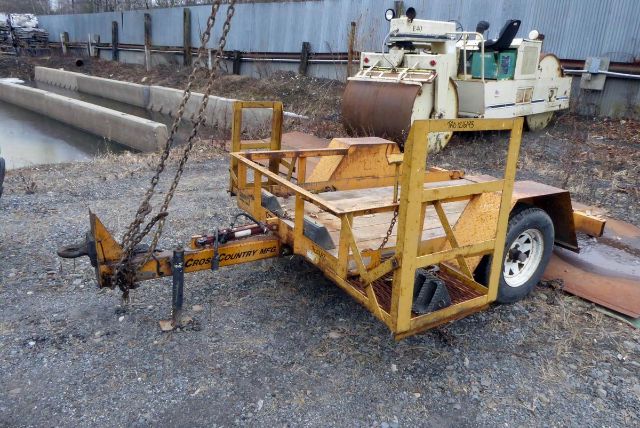
Selling a used cross country trailer? List your used cross country trailer for sale and reach thousands of commercial buyers.
Used Cross Country Trailers
On smaller Cross Country tag trailers, common details include steel construction, wood floors, spring suspension, electric brakes, and a mechanical tilt deck or fixed deck layout. That combination is popular because it is easy to maintain and inexpensive to repair. Steel frames hold up well in rough service, but on a used trailer you should inspect the main rails, crossmembers, tongue, coupler area, and spring hangers for rust, cracking, or previous weld repairs. Wood decking is easy to replace, though buyers should still check for soft spots, loose fasteners, and edge rot. If the trailer has electric brakes, confirm they are functional and that the wiring, breakaway system, and trailer plug are in good order.
Fit matters as much as capacity. A low deck height can make loading easier for mowers, compact equipment, ATVs, and small machines, while tilt functionality can eliminate the need for separate ramps. Tire size, wheel bolt pattern, and axle rating also matter more on older used trailers because replacement parts and service compatibility affect long-term ownership cost. On single-axle models, buyers should pay close attention to tongue weight and load balance. On tandem setups, suspension wear, equalizers, and brake condition become bigger factors. If the trailer will see regular highway miles, check tracking, tire wear patterns, hub condition, and whether the frame shows signs of overload.
Cross Country trailers in the used market can be a good fit for buyers who want a basic trailer without unnecessary complexity. The best choice depends on the cargo, tow vehicle, and loading method. A compact tag trailer may be ideal for light equipment and local work, while a heavier utility or equipment configuration makes more sense for higher payloads and repeated commercial use. Focus on structural condition, brake operation, deck integrity, title status, and actual rated capacity. Those points will tell you more about a used Cross Country trailer's value than cosmetic appearance alone.
Frequently Asked Questions about Used Cross Country Trailers
What should I check first on a used Cross Country trailer?
Start with the VIN plate and rated capacity, then inspect the frame, axles, suspension, deck, coupler, and brake system. The most important question is whether the trailer is structurally sound and correctly rated for the load you plan to haul. On used units, rust at the tongue, crossmembers, spring mounts, and rear loading area can be more important than cosmetic wear. Functional lights, wiring, safety chains, and a working breakaway system also matter if the trailer has electric brakes.
Are Cross Country tag trailers good for hauling small equipment?
Many used Cross Country tag trailers are well-suited for small equipment such as zero-turn mowers, compact tractors, ATVs, side-by-sides, and light construction tools. The right trailer depends on deck length, width between fenders if applicable, payload rating, and loading angle. A mechanical tilt deck can be especially useful for wheeled equipment because it simplifies loading and reduces ramp handling. Buyers should always compare machine operating weight and attachment weight against the trailer's actual payload capacity, not just GVWR.
Is a single-axle Cross Country trailer enough, or should I look for tandem axles?
A single-axle trailer can work well for lighter loads, lower annual mileage, and easier maneuvering, but it offers less margin for payload and tire redundancy. Tandem-axle trailers generally provide better load distribution, improved stability, and higher carrying capacity for commercial use. The tradeoff is more maintenance, including additional tires, brakes, and suspension components. The decision should be based on actual cargo weight, frequency of use, and road conditions rather than purchase price alone.
What are common maintenance items on used Cross Country trailers?
Common service items include wheel bearings, tires, brake magnets, wiring repairs, couplers, jack assemblies, suspension bushings, springs, and wood deck boards. On older trailers, buyers should expect to inspect or service hub seals, light grounds, and corroded connectors. If the trailer has been sitting, dry-rotted tires and non-functioning electric brakes are common problems. Regular greasing, brake checks, deck fastener replacement, and rust control can extend the life of a basic steel trailer significantly.