
New CIMC Container Trailers For Sale in Illinois
New CIMC container trailers for sale in Illinois, including dry and refrigerated intermodal equipment built for domestic freight and cold chain use.
No exact matches found for your search
Showing New Container Trailers in Illinois instead.
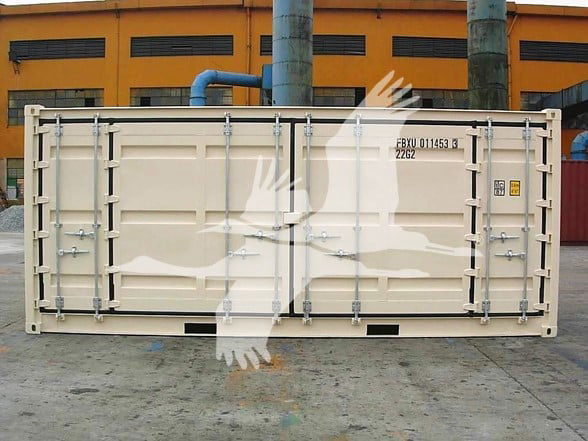
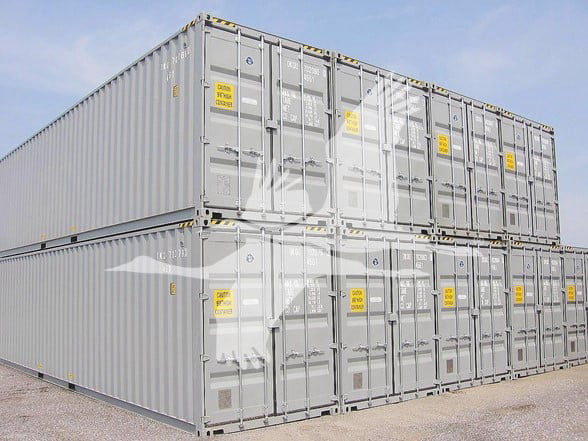
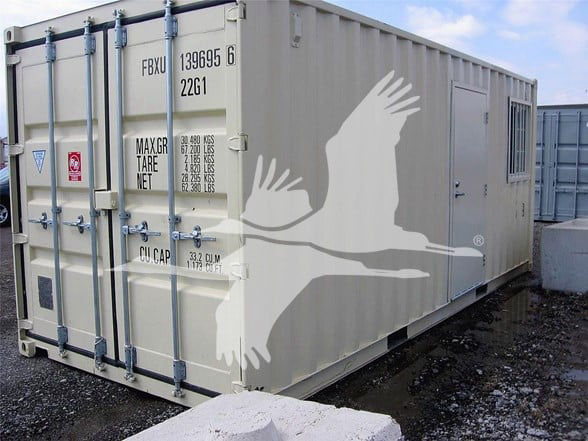
Selling a new cimc container trailer? List your new cimc container trailer for sale and reach thousands of commercial buyers.
New CIMC Container Trailers in Illinois
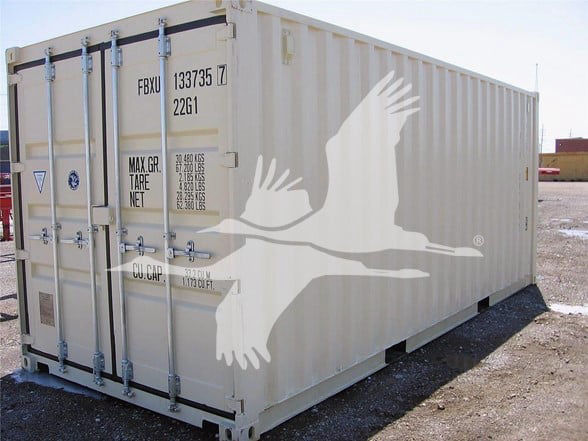
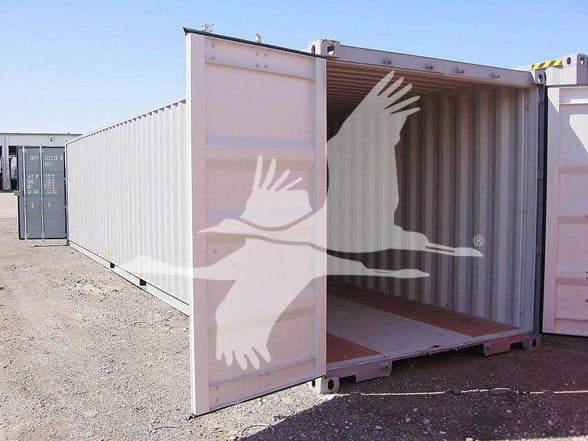
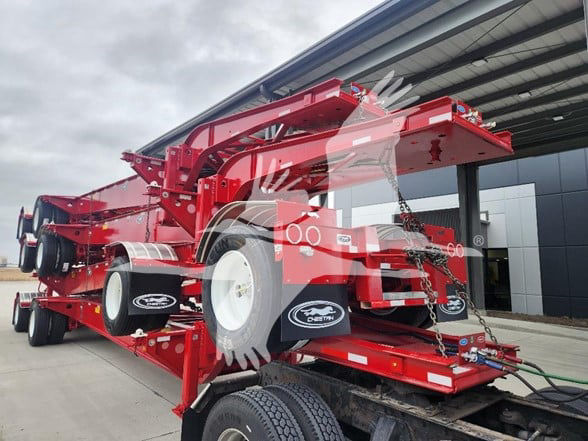
For dry freight applications, CIMC domestic containers are commonly found in 53-foot configurations designed for cube, payload, and repeated lift handling. Key construction details include steel side panels, reinforced crossmembers, gooseneck tunnel design, hardwood or laminated floors, and corner fittings built for top-lift and stack operations. A buyer focused on heavy freight should pay close attention to floor rating, crossmember spacing, and understructure reinforcement, since these directly affect forklift traffic, palletized load support, and long-term fatigue resistance. In intermodal service, strength around the 40-foot pick-up points and overall box rigidity are critical because the container must handle crane and spreader lifts without twisting or premature structural wear.
For temperature-controlled freight, CIMC refrigerated containers use reefer-style insulated construction to support cold chain moves for food, pharmaceuticals, and other sensitive cargo. Important buying points include insulation performance, overall interior cube, reefer unit specification, air circulation design, door seal quality, and corrosion protection in the underframe. Many buyers also look for weight-saving designs that preserve payload without giving up thermal efficiency. Galvanized steel crossmembers, corrosion-resistant components, and service network support are all relevant when the unit will run in year-round Midwest conditions with road salt, ramp exposure, and frequent washdowns.
A smart comparison across new CIMC container trailers should include the intended lane, lift frequency, cargo density, and maintenance environment. Domestic containers used in local drayage and regional intermodal service may prioritize rugged structure and easy repairability, while refrigerated containers are often judged by uptime, temperature stability, and parts support. Also known as intermodal containers or shipping containers in many fleet operations, this equipment class is less about cosmetic differences and more about how the box is engineered for payload, handling, and lifecycle cost.
Frequently Asked Questions about New CIMC Container Trailers in Illinois
What should I look for when buying a new CIMC container trailer for intermodal use?
Start with the application. For intermodal work, the most important factors are container length, floor rating, structural reinforcement, corner casting strength, and how the unit handles repeated crane or spreader lifts. Buyers should also review tare weight, interior capacity, underframe design, and corrosion protection because those details affect payload, durability, and long-term operating cost. If the container will be used heavily in rail and yard environments, strength at lift points and resistance to frame fatigue matter more than appearance.
What is the difference between a dry container and a refrigerated container?
A dry container is designed for general freight that does not need active temperature control. It emphasizes structural strength, cargo security, and efficient cube for palletized or boxed freight. A refrigerated container, often called a reefer container, adds insulated walls, a refrigeration unit, air management features, and tighter door sealing to maintain set temperatures during transport. Reefer units are more complex to maintain, but they are essential for cold chain freight such as produce, frozen foods, dairy, and pharmaceuticals.
Are 53-foot domestic containers common for highway and rail service?
Yes. The 53-foot domestic container is a standard choice in North American intermodal freight because it offers more cube than marine containers while remaining compatible with domestic rail and chassis operations. These containers are widely used for retail freight, consumer goods, packaged products, and other high-volume domestic loads. Buyers should still confirm operating compatibility with their specific chassis setups, rail providers, and terminal requirements.
Why does floor rating matter on a container trailer?
Floor rating matters because it determines how much concentrated weight the floor can support, especially from forklifts and dense palletized cargo. A stronger floor and crossmember design helps prevent sagging, soft spots, and long-term structural damage in high-cycle loading operations. If the freight mix includes beverages, paper products, building materials, or any other dense commodity, floor rating should be a primary buying consideration rather than a secondary spec.
Is corrosion protection important for container equipment in Illinois?
Yes. Corrosion protection is especially important in Illinois because equipment often operates through winter road salt, moisture, and frequent terminal exposure. Features such as galvanized crossmembers, durable coatings, and well-protected understructures can extend service life and reduce repair frequency. For refrigerated containers, corrosion resistance is even more important because washdowns and condensation can accelerate wear if the trailer is not built with the right materials and protective treatments.