
Used Chipper Trailers For Sale
Used chipper trailers for sale: compare unloading systems, usable cube, empty weight and structural condition for wood chip hauling across the US and Canada.
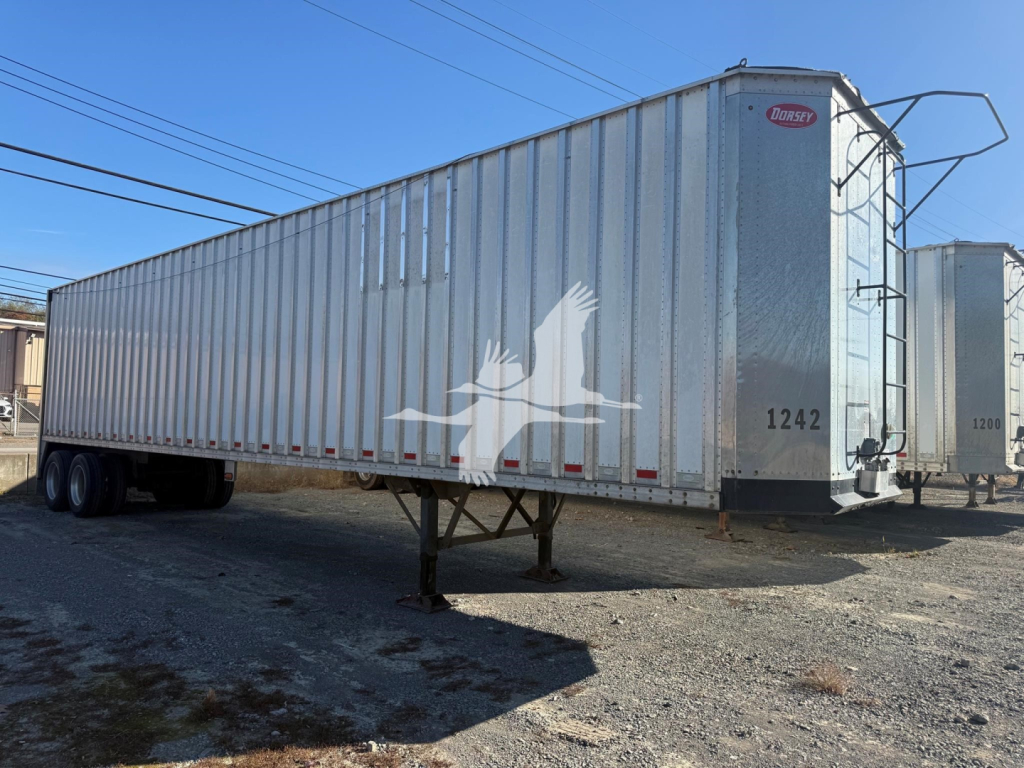
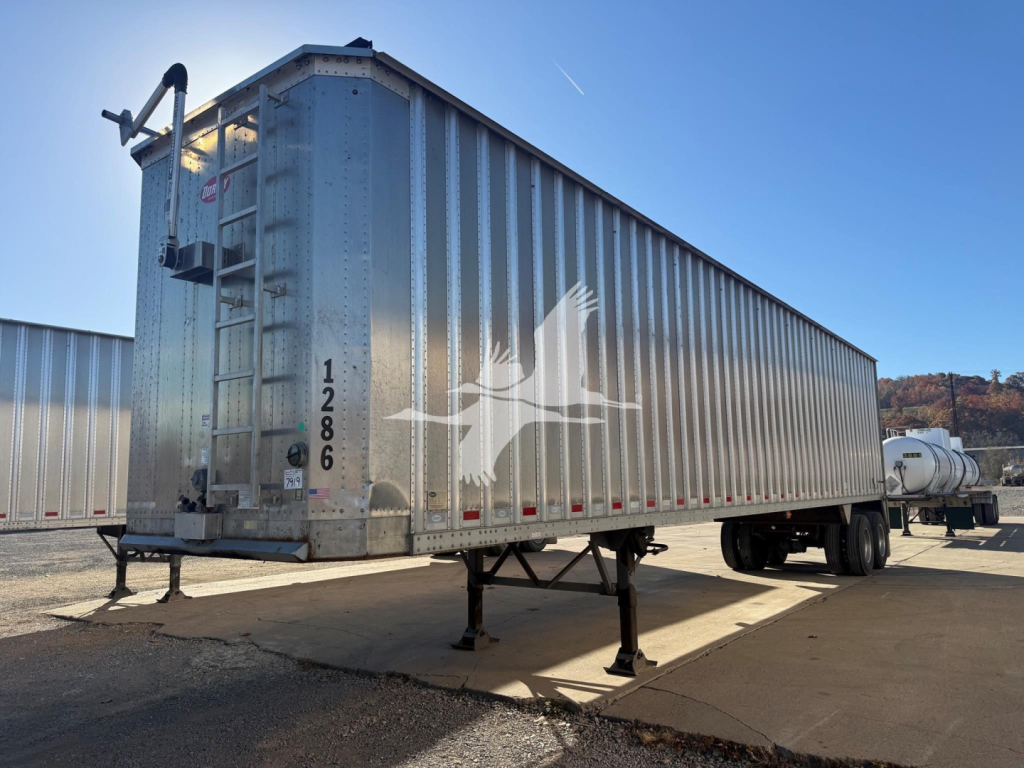
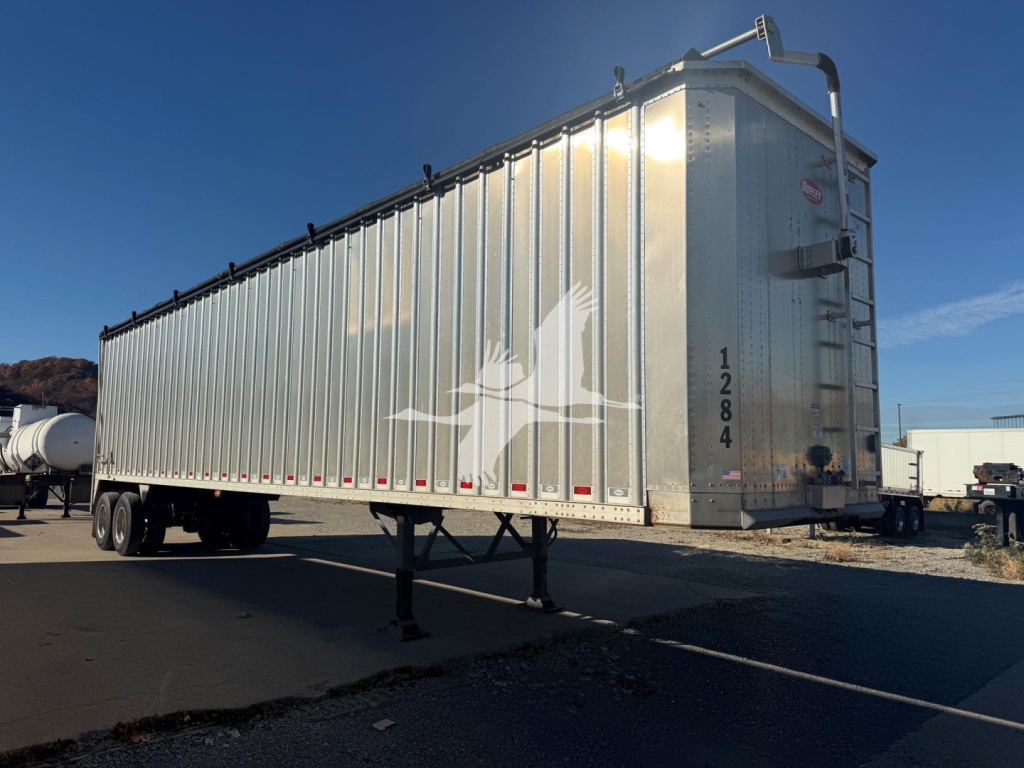
Selling a used chipper trailer? List your used chipper trailer for sale and reach thousands of commercial buyers.
Used Chipper Trailers
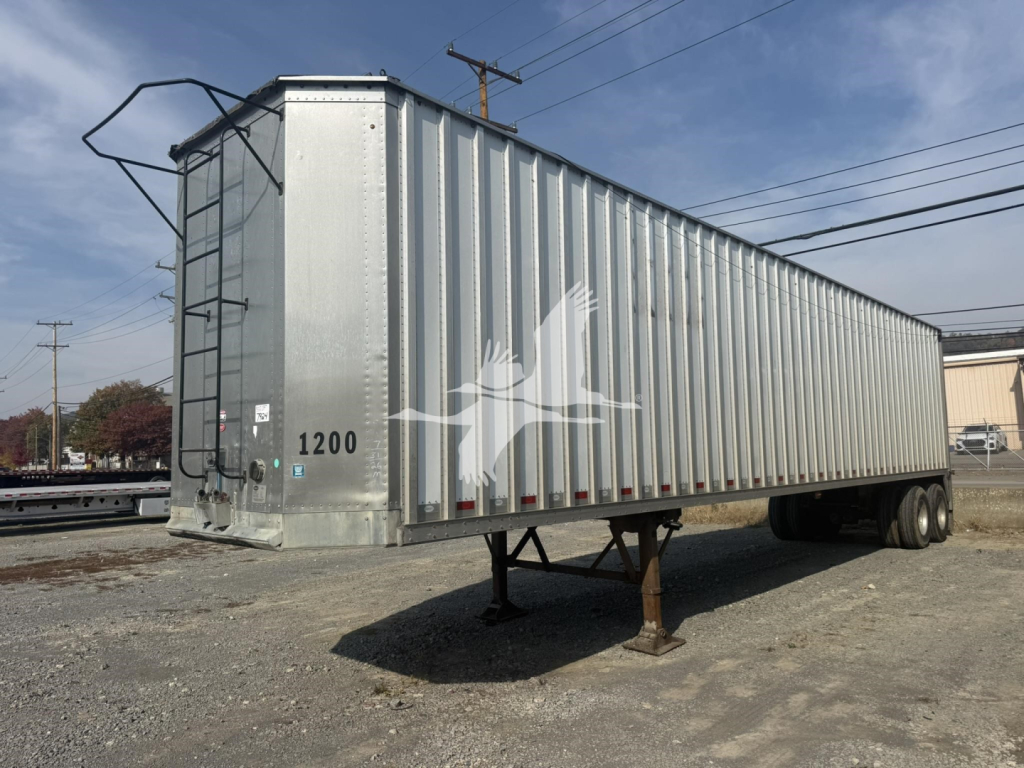
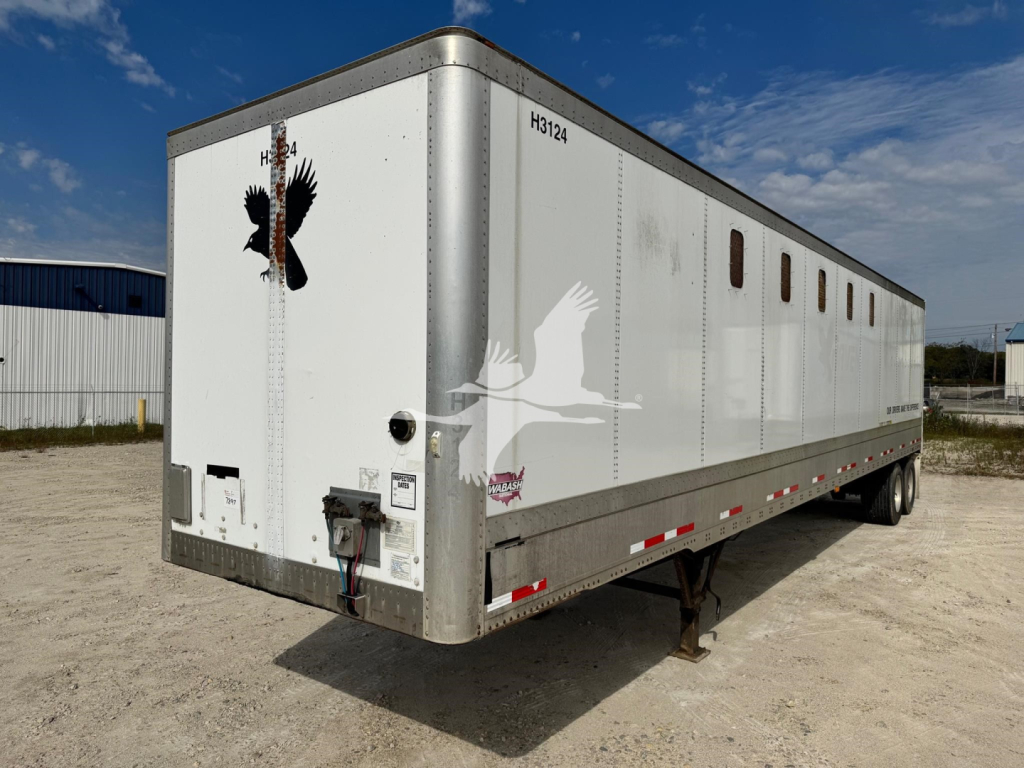
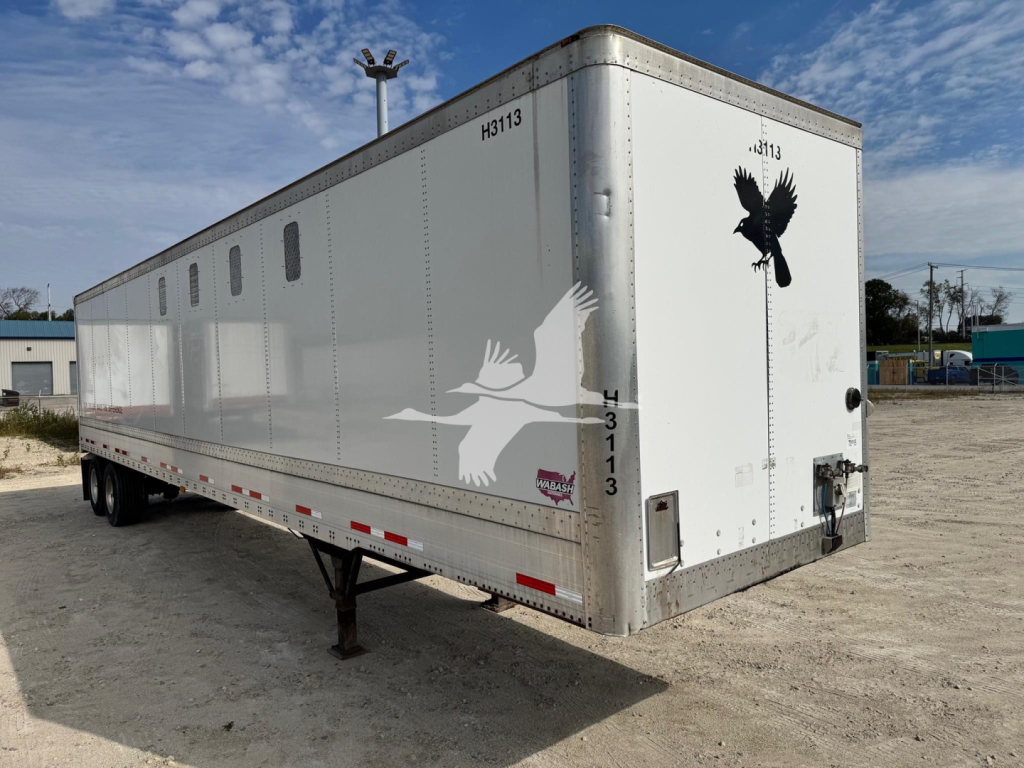
Usable cubic capacity and actual empty weight matter more than advertised length alone. Compare interior dimensions, wall taper, floor construction, axle ratings and kingpin location against expected chip density and moisture content. A trailer can reach its legal weight before it fills when hauling wet chips. Purpose-built designs such as the Dorsey CV45 and other manufacturers' chip vans should be evaluated by configuration, not badge alone. Check tractor swing clearance and tipping-facility limits before choosing length or axle layout; state and provincial weight rules, axle spacing and seasonal restrictions can change legal payload.
On a used chip trailer, inspect floor seams, crossmembers, sidewall posts, upper rails and the kingpin structure for cracks, distortion or patched fatigue damage. Road salt makes steel subframes, suspension hangers and dissimilar-metal joints priority checks in northern states and Canada. Review maintenance and repair records, then test brakes, ABS, lights and any powered floor under load. Older trailers deserve close attention to wiring, air lines and gate hardware; a recent model year does not rule out damage from repeated tipping or rough mill roads.
Frequently Asked Questions about Used Chipper Trailers
How much weight can a used wood chip trailer legally carry?
A wood chip trailer's payload is limited by legal combination weight, equipment ratings and axle loading, not cubic capacity alone. For example, an 80,000-pound legal combination weighing 32,000 pounds empty leaves 48,000 pounds for cargo, provided axle limits are met. At an assumed chip density of 20 pounds per cubic foot, that payload occupies 2,400 cubic feet. Use scale weights and measured material density rather than estimating from trailer length.
Can a chip trailer haul sawdust, bark and mulch?
A chip trailer can haul sawdust, bark and mulch when its body, floor and unloading system suit the material. Fine sawdust requires tight seams and effective containment, while wet bark can reach weight limits quickly and bridge during discharge. Confirm that the receiving plant accepts the trailer's previous cargo history, particularly when hauling clean feedstock. Remove nails, stones and residual material before switching products.
How do I test the walking floor on a used chip trailer?
Test a used walking-floor chip trailer under load using a hydraulic supply that matches the floor manufacturer's pressure, flow and return requirements. Watch for uneven slat movement, slipping material, hydraulic leaks and excessive oil temperature. Inspect floor slats, seals, bearings and drive attachments underneath. An empty-floor demonstration can miss problems that appear only when the system must move a full load.
What inspection records should come with a used chip trailer?
A chip trailer in US interstate commercial service generally needs a periodic inspection at least every 12 months. Request the inspection report along with brake, wheel-end, suspension and structural repair records, and match the VIN on the paperwork to the trailer. Canadian commercial trailer inspection requirements are administered provincially, so confirm certificate validity and acceptance for the intended operating jurisdictions before putting the trailer to work.
Are wide-base single tires a good choice for a used chip trailer?
Wheel, hub and axle compatibility comes first when evaluating wide-base single tires on a used chip trailer. These tires can reduce tare weight compared with dual assemblies, but any conversion needs an approved wheel offset and adequate component ratings. Check rim condition, uneven shoulder wear and replacement-tire access along remote mill routes. Compare complete tire-and-wheel configurations rather than assuming every single-tire setup provides the same payload benefit.