
Used Cheetah Trailers For Sale
Browse used Cheetah trailers, including chassis and specialty configurations, with specs and features that matter for fleet and port work.
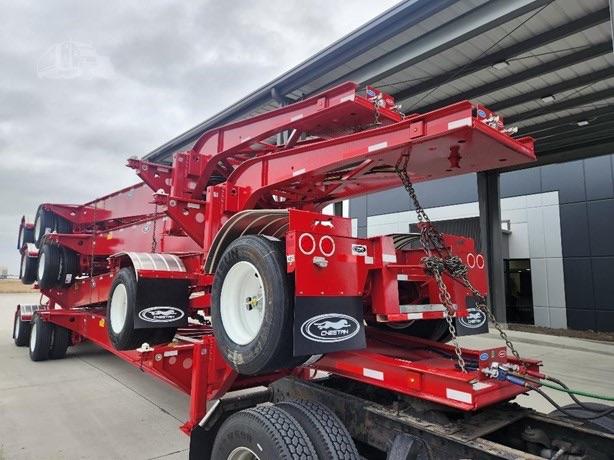
Selling a used cheetah trailer? List your used cheetah trailer for sale and reach thousands of commercial buyers.
Used Cheetah Trailers
A used Cheetah ISO tank chassis should be evaluated around frame condition, suspension type, wheel-end service history, and tire management equipment. Common specs include spring ride suspension, steel wheels, LP22.5 tires, and options such as PSI tire inflation systems. On any chassis, inspect crossmembers, rear bolster structure, kingpin area, twist lock function, slider rails if equipped, and air and electrical routing. Corrosion matters more on chassis than many buyers expect, especially in coastal, chemical, or winter-road environments. If the trailer has spent time in port service, check for damage from hard yard impacts, container misloads, and repeated coupling cycles.
Dimension and compatibility details are critical on used Cheetah trailers. Buyers should confirm overall length, axle placement, legal load distribution, and container fitment before comparing price alone. A 20-foot ISO tank chassis, for example, may have a longer overall trailer length to meet operating and weight-distribution needs. Make sure the chassis matches the specific container type you plan to haul, including tank, dry box, or other intermodal equipment. It is also worth confirming lighting compliance, ABS status, brake condition, and whether the trailer has been maintained to current fleet or terminal expectations.
Cheetah trailers appeal to buyers who want straightforward equipment that can be repaired without a lot of proprietary complexity. That is a real advantage for fleets running regional port turns, depot work, chemical hauling support, and dedicated intermodal lanes. When comparing used units, focus less on paint and more on structural integrity, running gear, and whether the trailer's configuration fits your freight mix. A well-matched Cheetah chassis can be a dependable, cost-effective trailer for high-frequency container work.
Frequently Asked Questions about Used Cheetah Trailers
What are used Cheetah trailers most commonly used for?
Used Cheetah trailers are most commonly used in intermodal, port, and drayage service. Many are configured as container chassis or ISO tank chassis designed to move ocean containers and tank containers between ports, rail ramps, depots, and customer facilities. Their value is in application-specific design, durable construction, and compatibility with high-cycle commercial use.
What should I inspect first on a used Cheetah chassis?
Start with the frame, kingpin area, suspension, brakes, and wheel ends. On a chassis trailer, structural condition is more important than cosmetic appearance. Look closely for rust, cracked welds, bent crossmembers, slider wear, damaged twist locks, and signs of impact around the rear structure. Tire condition, inflation system operation, and ABS function should also be verified before purchase.
Are Cheetah ISO tank chassis different from standard container chassis?
Yes. An ISO tank chassis is designed around the dimensions, weight distribution, and securement requirements of a tank container rather than a standard dry container. That affects frame layout, support points, and how the load rides across the chassis. Buyers should confirm the chassis is intended for the exact container type and size they plan to haul, because not every chassis is interchangeable across all intermodal applications.
Is a PSI tire inflation system worth having on a used trailer?
A PSI tire inflation system can be a useful feature on a used trailer, especially in regional or port service where tire neglect causes avoidable downtime. It helps maintain more consistent tire pressure across the axle set, which can improve tire life and reduce roadside failures. On a used unit, the system should be inspected for leaks, damaged lines, and proper operation, because deferred maintenance can cancel out the benefit.
What makes a used Cheetah trailer a good value?
A used Cheetah trailer is a good value when the configuration matches the intended freight and the structure is still sound. Buyers should weigh age, prior service environment, suspension type, tire and brake condition, and legal usability in their lanes. A lower-priced chassis can become expensive quickly if it needs major frame repair, wheel-end work, or extensive compliance updates.