
Texas Pride Car Carrier Trailers For Sale
Shop Texas Pride car carrier trailers with specs, hauling applications, loading features, GVWR considerations, and buyer tips for multi-car transport.
Selling a texas pride car carrier trailer? List your texas pride car carrier trailer for sale and reach thousands of commercial buyers.
Texas Pride Car Carrier Trailers
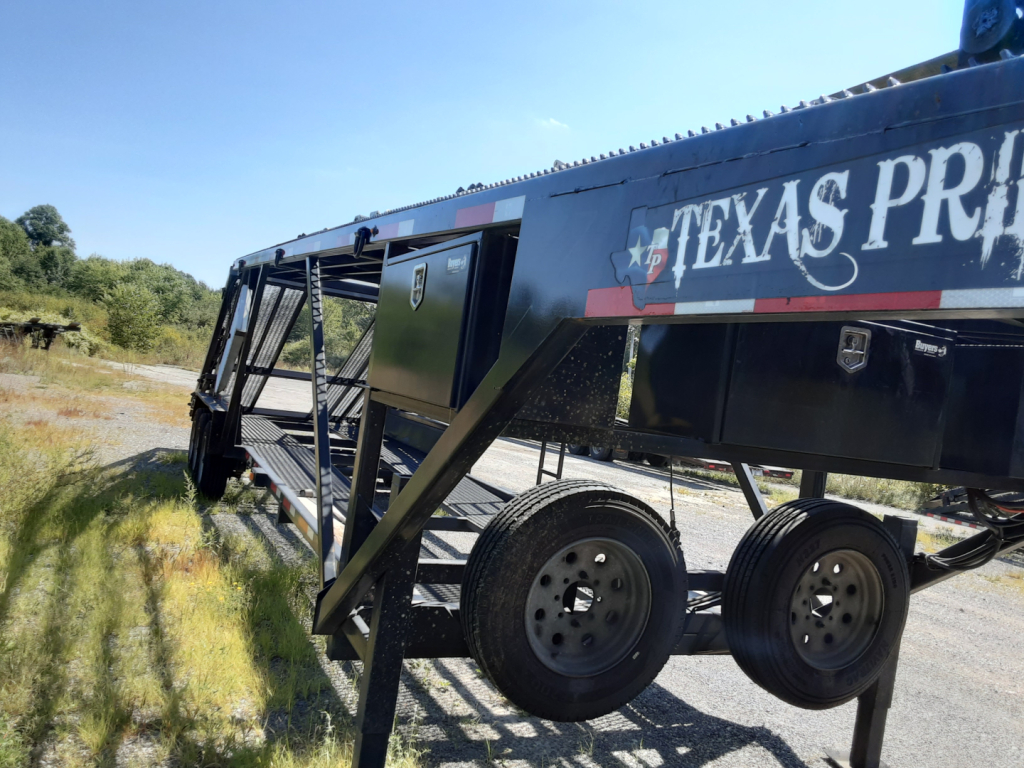
A Texas Pride car hauler is often chosen for hotshot-style vehicle transport, dealer transfers, auction runs, and regional delivery work. Gooseneck designs are common because they improve stability, tighten turning characteristics, and shift weight more effectively over the tow vehicle. Buyers should pay close attention to GVWR, empty weight, brake setup, tire size and load range, deck material, and tie-down points. Hydraulic dovetails or tilt sections can speed up loading, while fixed upper decks and reinforced ramps matter when handling lower-clearance cars or mixed vehicle sizes. If the freight mix includes half-ton pickups, crossovers, and longer wheelbase units, usable deck spacing matters just as much as total trailer length.
Construction details make a real difference in uptime. Texas Pride trailers are generally known for steel construction aimed at working use, and that means buyers should inspect frame condition, crossmember integrity, ramp wear, wiring protection, and brake service history on used units. Tandem-dual and triple-axle setups are common in heavier car carrier applications, and axle choice directly affects payload, tire cost, and maneuverability. Deck height is another important factor because a lower profile can improve loading angles and reduce clearance issues, but it also changes how you stack vehicles and manage upper deck access. For interstate operators, trailer dimensions, securement compliance, lighting, and breakaway system condition should all be checked before purchase.
The right Texas Pride car carrier trailer depends on the type of vehicles being moved, the tow vehicle in front of it, and the states where it will run. A buyer hauling compact cars on short regional lanes may prioritize lighter tare weight and quick loading, while a buyer moving mixed retail units may need more flexibility in ramp placement and deck adjustment. Also known as a car hauler trailer or auto transport trailer, this equipment category is all about balancing payload, loading speed, and legal roadability. A well-matched setup can keep transport costs down, reduce reload headaches, and make daily multi-vehicle hauling much more predictable.
Frequently Asked Questions about Texas Pride Car Carrier Trailers
What should I look for first when buying a Texas Pride car carrier trailer?
Start with GVWR, empty weight, deck configuration, and axle capacity. Those four items determine how many vehicles the trailer can realistically haul and whether the combination will stay legal with your tow vehicle. After that, check ramp design, tie-down points, brake condition, tire age, lighting, and frame wear. On a used multi-car hauler, structural condition matters more than paint because repeated loading stress shows up in ramps, crossmembers, hinge points, and deck supports.
Are Texas Pride car carrier trailers better suited for pickups or medium-duty trucks?
That depends on trailer size, loaded weight, and operating range. Smaller and lighter multi-car trailers can work well behind properly equipped one-ton dually pickups, especially in regional service. Heavier 4-car and 5-car combinations often push buyers toward more capable tow vehicles because payload, braking, and combined weight ratings become the limiting factors. The best match is the one that keeps the full combination stable, legal, and efficient under real operating conditions.
How important is gooseneck design on a car carrier trailer?
Gooseneck design is important because it usually improves weight distribution, tracking, and backing control compared with bumper-pull alternatives in this size class. That matters when hauling multiple vehicles with uneven weight placement across the deck. A gooseneck setup can also help reduce sway and improve confidence at highway speed, especially on longer trailers. Buyers still need to confirm bed clearance, hitch rating, and turning clearance with the intended tow vehicle.
Can a 5-car carrier trailer handle SUVs and pickups, or is it mainly for sedans?
A 5-car carrier trailer may handle SUVs and light pickups, but capacity depends on axle ratings, trailer tare weight, deck spacing, ramp strength, and the exact dimensions of the vehicles being loaded. Five compact sedans is a different load than five crossovers or half-ton trucks. In real use, mixed loads often reduce total vehicle count because of length, height, and weight distribution limits. Buyers should measure typical units and compare them against usable deck space rather than relying only on the advertised car count.
What maintenance items matter most on a used car carrier trailer?
Brake performance, tire condition, wheel bearings, wiring, hydraulic components if equipped, and structural wear are the main items. Car carrier trailers see constant loading stress, so ramps, pivot points, welds, and deck supports deserve close inspection. Check for uneven tire wear that may point to axle alignment or suspension issues. Also verify that all lights, reflectors, breakaway components, and securement points are functional because compliance problems can quickly turn into downtime.